A tonometer measures intraocular pressure (IOP) — the fluid pressure inside the eye — reported in millimetres of mercury (mmHg). It works by measuring the force required to flatten or indent a specific area of the cornea, or by measuring how a light probe or an air pulse rebounds from the corneal surface. That single figure underpins glaucoma screening and monitoring across UK ophthalmology and optometry.
For anyone specifying equipment for an eye clinic, an optometry practice, or a general practice, the decision rests on the measurement method, calibration workload, infection-control workflow, and how many clinicians will share the instrument. This guide walks through the principle, the main variants, the specifications to check and the standards and servicing that keep readings defensible.
The measurement principle in detail
Most tonometry rests on the Imbert-Fick principle: the pressure inside an ideal sphere relates to the external force required to flatten a defined area of its surface. Applanation devices flatten a small central zone of the cornea and read the force at the moment of flattening. Rebound devices fire a tiny magnetised probe at the eye and measure its deceleration as it bounces back — a stiffer, higher-pressure eye decelerates the probe faster. Non-contact instruments direct a calibrated puff of air and use an optical system to detect the instant the cornea flattens.
Each method trades accuracy, patient comfort and consumable cost differently. The cornea is not a perfect membrane, so real instruments apply corrections and assumptions. Understanding which assumptions a device makes tells you where its readings are strong and where they need confirmation.
The main types you will compare
Goldmann applanation
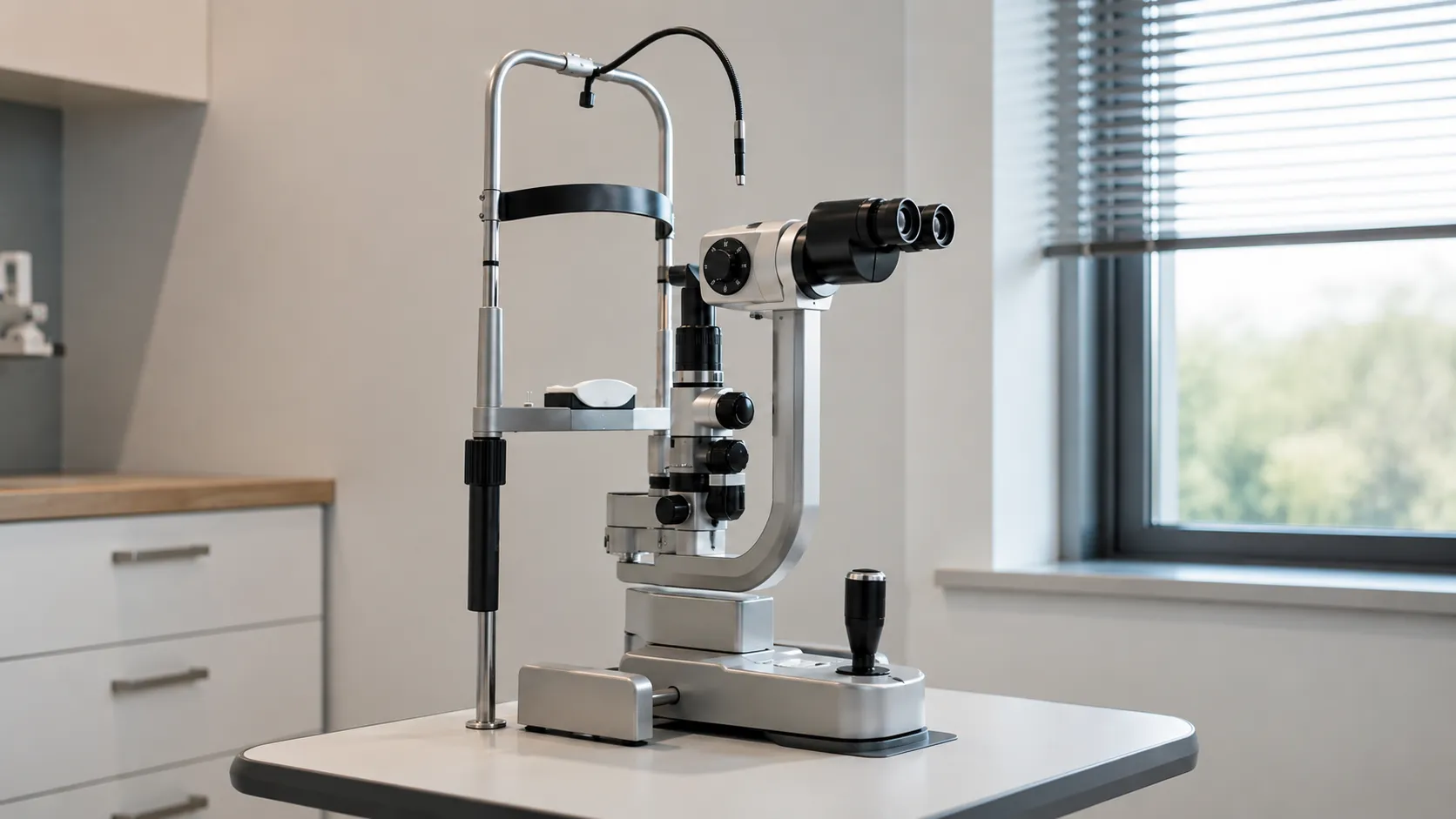
Slit-lamp mounted and long treated as the clinical reference for IOP. It needs a topical anaesthetic and fluorescein, and the operator judges the mire endpoint through the eyepiece, so it rewards trained users and demands routine calibration checks against a calibration bar.
Non-contact (air-puff)
No corneal contact and no anaesthetic, which suits high-throughput screening and reduces cross-infection risk. Individual concerns vary more than applanation does, so many clinics use the air puff to flag eyes for applanation confirmation rather than as a definitive measure.
Rebound
Handheld, quick and usable without anaesthetic, which makes it popular for ambulatory visits, paediatric patients, care homes and general practice. It depends on single-use probes, so the consumable belongs in any comparison from the outset.
Perkins and dynamic contour
The Perkins is a portable applanation tonometer for theatre, bedside and paediatric use. Dynamic contour tonometry aims to be less sensitive to corneal thickness. Both are niche but worth knowing when a service has specific needs.
What corrupts a reading
Central corneal thickness is the dominant confounder — thick corneas tend to over-read and thin corneas under-read — which is why pachymetry frequently accompanies tonometry. Corneal curvature and astigmatism, recent refractive or cataract surgery, corneal oedema, poor patient fixation and probe hygiene all influence the result. When comparing models, look at how each corrects for or at least documents these variables, and whether the device flags low-quality captures.
Key specifications a buyer must check
Compare the stated measurement range (commonly around 5-60 mmHg), repeatability, and the number of readings averaged per measurement. For handheld, for weight-for-weight, single-handed operation, and the ease of aligning on an uncooperative patient matter as much as headline accuracy. Check the display, whether a quality indicator is shown, data export options, battery type and charge life, and whether firmware can be updated in-house. Ask for independent validation data rather than relying on marketing claims of accuracy, regulation, and electrical safety
Tonometers sold in Great Britain must carry UKCA or, during the recognised transition, CE marking, and the manufacturer or their UK Responsible Person must be registered with the MHRA. As active medical devices, mains- or battery-powered tonometers are designed to the IEC 60601-1 general electrical safety standard, with the corresponding electromagnetic compatibility standards applying where relevant. Ask for the Declaration of Conformity and confirm the device class and intended-use statement match how you will deploy it. General UK government guidance on medical device regulation is a useful reference for procurement teams unfamiliar with the framework.
Calibration, maintenance and decontamination
Applanation prisms and rebound probes wear, and slit-lamp calibration drifts, so a planned maintenance schedule tied to your medical physics or biomedical engineering team keeps results trustworthy. Goldmann heads are typically checked against a calibration bar at defined intervals; handheld units follow the manufacturer's service schedule. Decontamination is a genuine differentiator: reusable applanation prisms need validated cleaning and disinfection between patients, whereas rebound probes and disposable tonometer covers are single-use and remove reprocessing labour at the cost of a per-patient consumable. Confirm the supplier provides a calibration certificate and documented cleaning procedure at handover.
Use across care settings
The right instrument depends on where it works. A hospital eye service running glaucoma clinics will want slit-lamp applanation as its reference alongside a screening method. An optometry practice values throughput and ease of use for staff who are not all ophthalmologists. Domiciliary and care-home services need a lightweight, handheld battery-powered device that clinicians can carry and use without drops. Paediatric and A&E settings favour portable applanation or rebound because the patient may not sit still at a slit lamp. Map the device to the setting before comparing price.
Consumables and total cost of ownership
Purchase price is the smallest part of the lifetime picture. Applanation prisms, single-use probe tips, disposable covers, calibration returns and eventual light-source replacement all accumulate. A cheaper handheld tied to a proprietary probe can cost more across five years than a dearer instrument with lower running costs. Ask every supplier for a five-year consumable and service estimate so comparisons are made on lifetime cost rather than the sticker, and confirm probe or prism availability and lead times so a stock-out never idles a clinic.
Connectivity, records and audit
How a reading reaches the patient is entered into cord shapes, both efficiency and clinical governance. Some tonometers export values digitally to an electronic patient record or a glaucoma-management system, removing manual transcription and its errors; others display a figure the clinician types in. If your service audits IOP trends over time, a device that timestamps and stores readings, or pushes them to the record, saves administrative effort and supports safe follow-up. Check the connection method — wired, wireless or memory card — and whether integration needs a licence or middleware. For shared instruments, ask how the device attributes ensure the right patient is assigned to the correct operator so the audit trail remains reliable.
-
Confirm UKCA or CE marking and MHRA registration of the manufacturer or UK Responsible Person.
-
Check the measurement range, repeatability and readings- average readings averaged as load.
-
Establish the calibration interval and whether the user performs it.
-
As part of single-use probes, prisms, or covers across the expected annual volume.
-
Verify the decontamination workflow — disposable contact surfaces or validated disinfection.
-
For handhelds, review battery type, charge life, weight and firmware update route.
-
Confirm data export or EPR integration if readings must be re-recorded in the record.
-
Ask about warranty length, loan-unit cover and typical service turnaround.
Buying well through MediGear
Matching a tonometer to your service means weighing throughput, staff training, decontamination and lifetime consumable cost, not just the headline price. MediGear works with UK healthcare buyers and vetted suppliers to compare diagnostic equipment on specification and support. To scope a purchase for a specific setting, get in touch with the details of your clinic.
Conclusion
A tonometer turns a physical source into a clinically meaningful pressure figure, and the trending model is the one whose method, calibration burden, decontamination route, and running costs fit how your team actually works. Deciding on evidence rather than list price is where a marketplace like MediGear supports the procurement process.
Disclaimer
This article is for informational purposes only. It is published by MediGear (medigear.uk) for general information and procurement guidance. It is no diagnostic, technical, engineering, legal o, or regulatory advice, nor a product endorsement, guarantee o, or substitute for professional assessment. MediGear does not provide medical consultations. Buyers should consult their clinical, biomedical, estates and regulatory contacts, and the manufacturer's documentation, and independently verify all specifications, certifications, compatibility and suitability before purchase. Specifications, certifications and availability are correct at the time of publication and may change without notice. MediGear is a medical-equipment distributor and does not sell medicines or pharmaceutical products.