Choosing whether to buy, lease or rent medical equipment can affect budgets, service continuity, maintenance responsibility and long-term flexibility. The lowest monthly payment or purchase price does not always represent the most suitable option for the healthcare organisation.
For hospital equipment buyers and procurement teams, the comparison should begin with clinical demand, expected utilisation and the required ownership period. Procurement teams should then assess total payments, services, risks and end-of-contract obligations.
Clinical engineers, finance representatives, procurement managers, legal teams and equipment users may each evaluate the options differently. Their requirements should be combined into a single controlled acquisition assessment.
A structured comparison helps hospitals choose an acquisition model that supports clinical operations without creating avoidable contractual or lifecycle costs.
Define the Equipment Need and Ownership Period
The acquisition decision should reflect how long the equipment is required and how consistently it will be used.
Clinical purpose — Define the service, department and patient workflow the equipment will support.
Expected utilisation — Estimate procedures, tests, operating hours or patient use over the planned period.
Required duration — Identify whether the need is temporary, medium-term or expected to continue throughout the equipment’s useful life.
Technology stability — Assess whether the equipment category changes rapidly or is likely to remain suitable for several years.
Service criticality — Consider how equipment failure, return or contract expiry could affect clinical capacity.
Available capital — Determine whether the organisation can fund acquisition without delaying other essential investments.
Operational budget — Confirm whether regular lease or rental payments can be supported throughout the contract.
Future flexibility — Consider likely service expansion, relocation, replacement, or equipment standardisation requirements.
In practice, healthcare buyers often find that equipment with predictable long-term use is assessed differently from equipment required for a temporary capacity increase.
Each option should therefore be compared over the same expected usage period.
Compare Each Model Against the Intended Use
Buying, leasing,g and renting entail different financial, operational,l and contractual responsibilities.
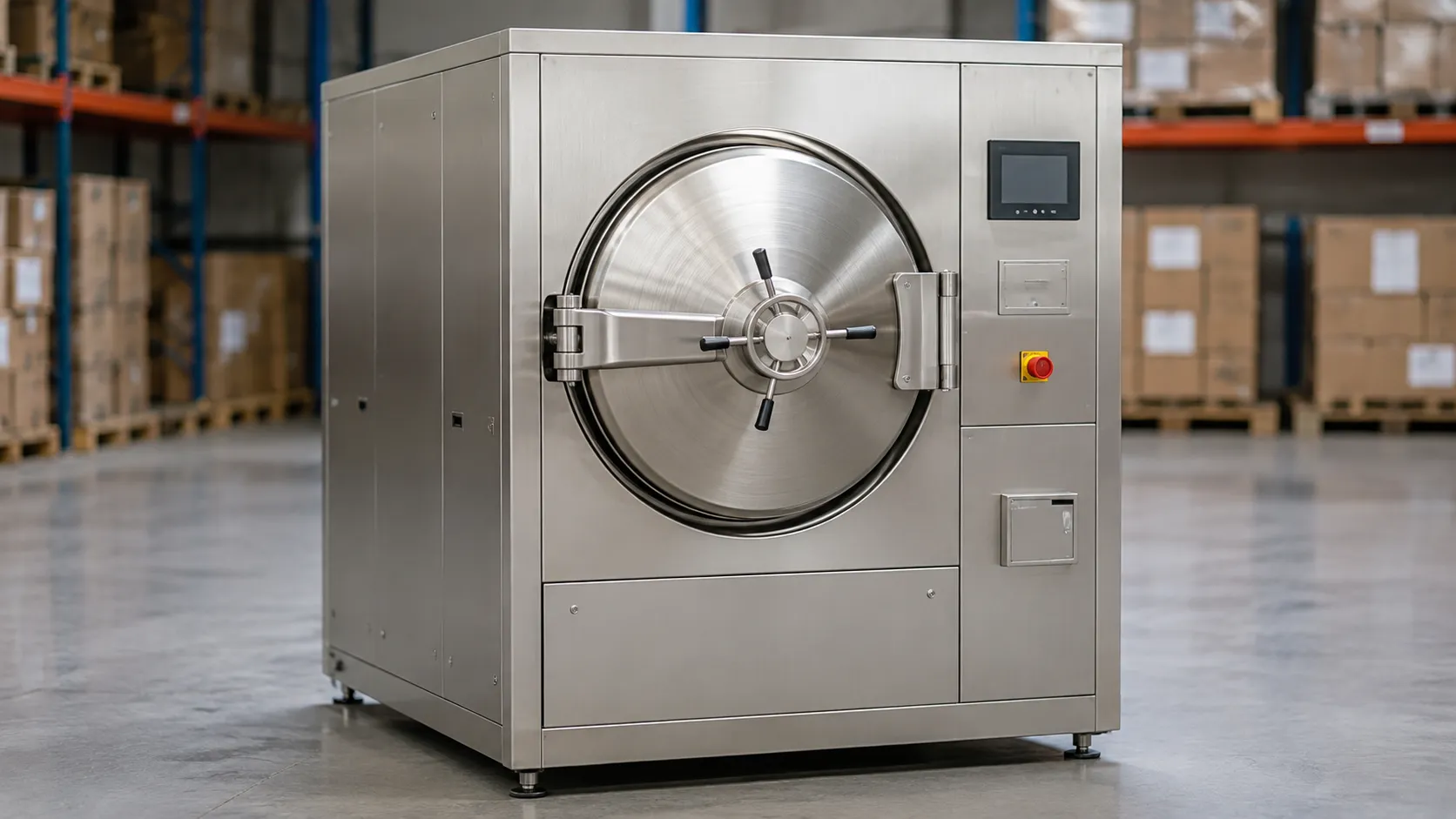
Buying equipment — Purchasing may suit stable demand, long useful life and equipment that the hospital intends to control throughout its lifecycle.
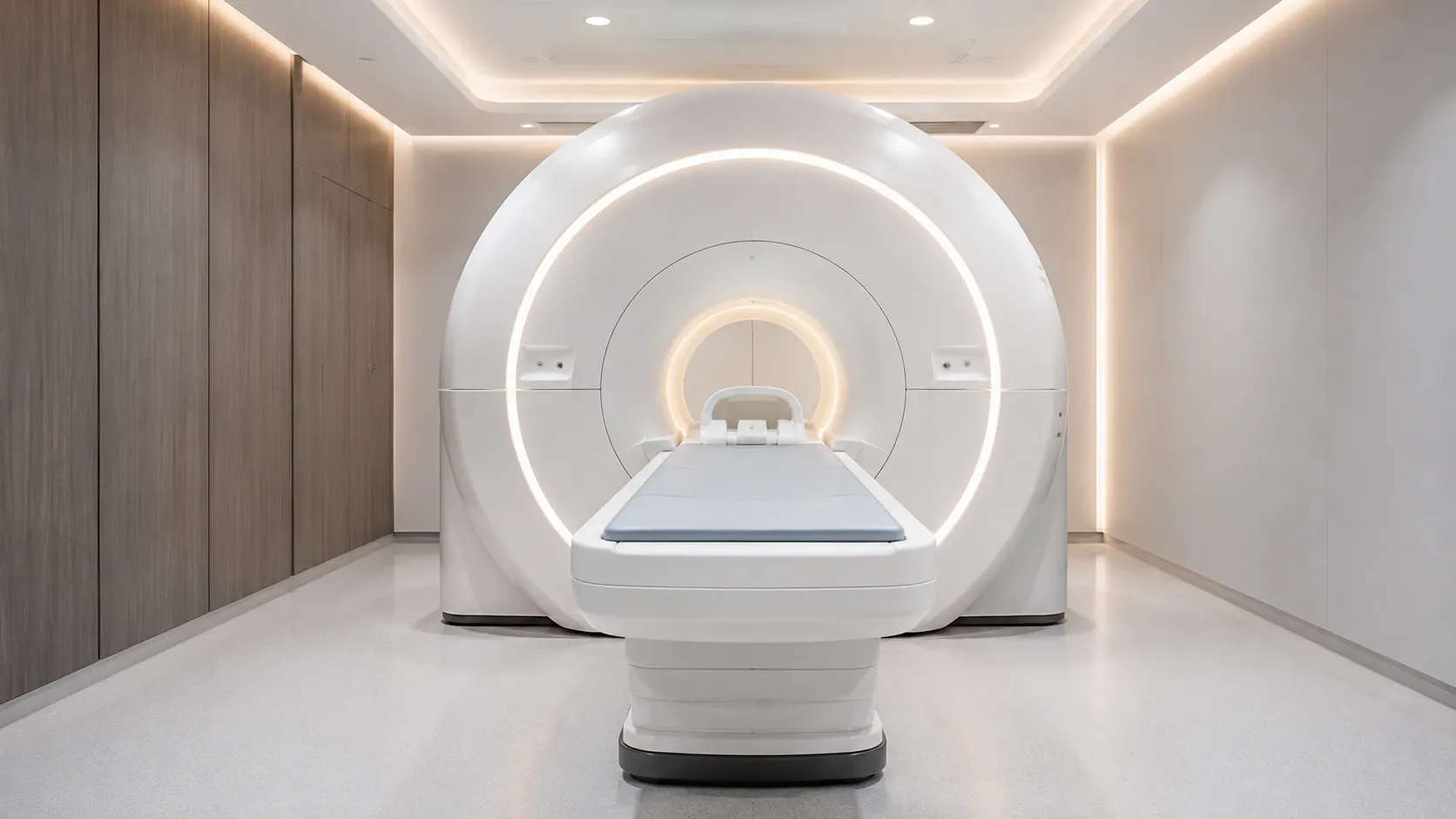
Leasing equipment — Leasing may spread payments over an agreed term and can include servicing, software or upgrade options.
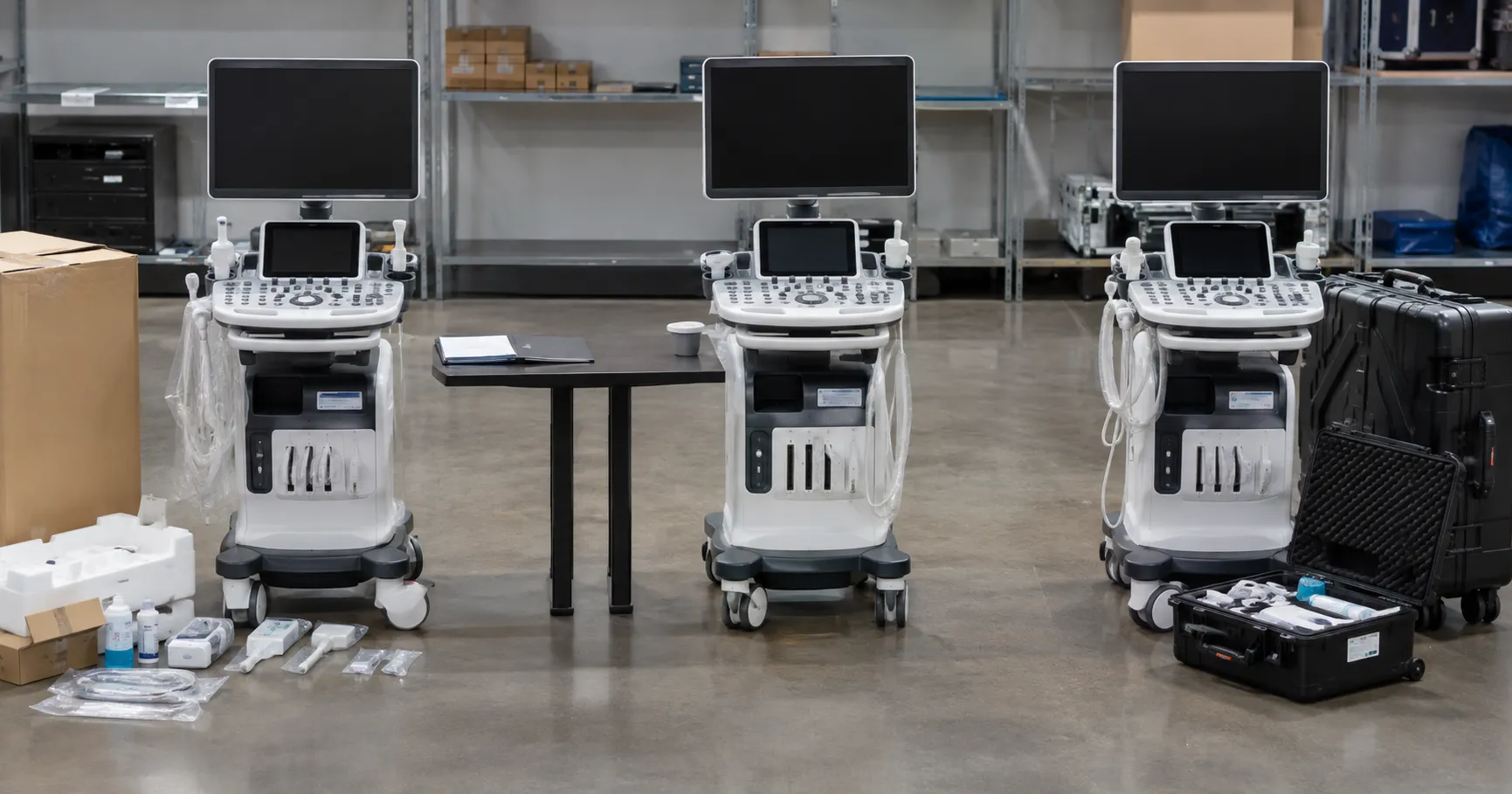
Healthcare teams comparing options from verified international medical equipment suppliers should request complete purchase, lease and rental proposals for the same equipment configuration.
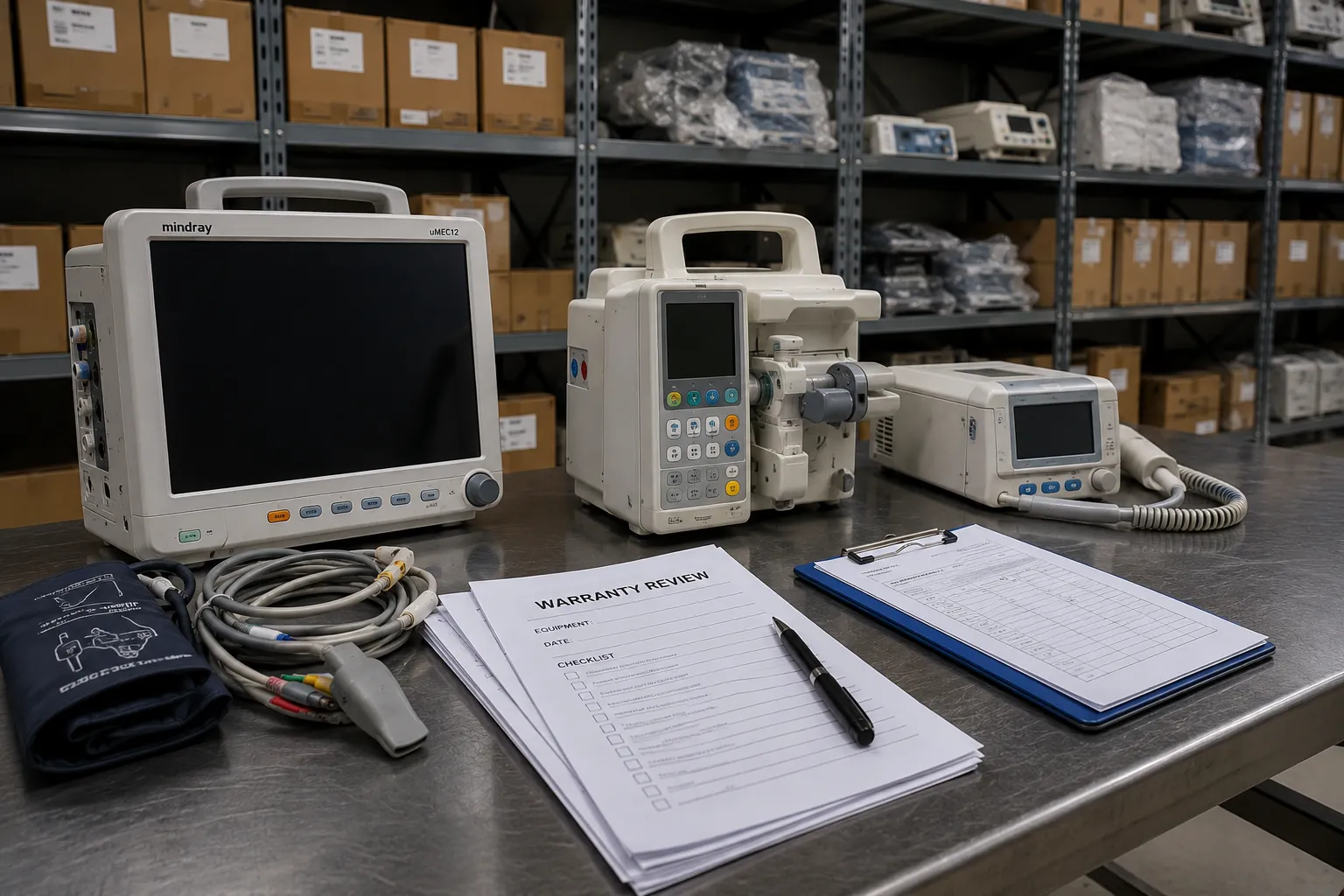
Renting equipment — Rental may suit temporary requirements, trials, emergency replacement, seasonal demand or short projects.
Ownership rights — Buying generally transfers ownership, while leased or rented equipment usually remains the provider’s property unless the agreement states otherwise.
Upgrade flexibility — Some lease arrangements provide technology refresh options, while purchases may require a separate resale or replacement process.
Service inclusion — Rental and leasing agreements may include maintenance, but the exact coverage and exclusions can differ considerably.
Equipment availability — Rental equipment may be available quickly, although the required model or configuration may not always be in stock.
Customisation limits — Purchased equipment may allow more approved configuration choices than rental equipment intended for repeated deployment.
Experienced clinical supply managers typically avoid selecting an acquisition model before confirming how the equipment will be used.
Calculate Costs, Responsibilities and Contract Requirements
Every comparison should include the complete financial and operational effect of the proposed arrangement.
Initial payment — Record deposits, advance payments, mobilisation charges and installation costs.
Periodic payments — Identify monthly, quarterly or other recurring amounts and the total payment over the contract.
Acquisition cost — For purchases, include equipment, accessories, software, delivery, installation and commissioning.
Maintenance responsibility — Define who funds preventive maintenance, calibration, repairs, labour, travel and spare parts.
Consumable costs — Confirm whether consumables are purchased separately or linked to the agreement.
Software and licences — Identify subscriptions, updates, interfaces, cloud services and renewal charges.
Insurance requirements — Review responsibility for theft, loss, accidental damage and business interruption.
Damage liability — Define how damage is assessed, reported and charged under lease or rental terms.
Downtime support — Confirm response targets, replacement equipment, loan units and escalation procedures.
Early termination — Record notice periods, settlement charges, equipment-return conditions and other exit costs.
End-of-term options — Identify whether the hospital must return, purchase, renew or replace the equipment.
Tax and accounting review — Obtain appropriate professional advice on how each option should be recorded and approved.
One aspect that surprises first-time buyers is that an affordable lease payment may exclude maintenance, software or end-of-term charges.
The comparison should use total contractual and lifecycle expenditure rather than periodic payments alone.
Evaluate Suppliers and Commercial Proposals
Supplier proposals should be compared using the same equipment, services, workload and contract period.
Supplier capability — Assess experience with hospital equipment supply, leasing, rentals, servicing and equipment recovery.
Quotation structure — Require separate pricing for equipment, delivery, installation, maintenance, software and contract fees.
Accuracy of commercial information — Medical equipment companies advertising acquisition options to healthcare buyers should ensure that ownership, payment and service claims match formal agreements.
Exact configuration — Record the manufacturer, model, software, accessories and equipment condition included.
Payment schedule — Confirm the amount, due dates, deposits, adjustments and late-payment conditions.
Equipment condition — Identify whether the equipment is new, refurbished, demonstration or previously rented.
Service package — Review preventive maintenance, repairs, calibration, response times and replacement support.
Contract duration — Confirm the initial term, renewal process, extension options and notice periods.
Usage restrictions — Check whether the agreement limits operating hours, procedures, locations or equipment movement.
Return conditions — Document cleaning, deinstallation, packaging, transport and condition requirements.
Upgrade rights — Confirm whether models can be replaced during the term and what charges may apply.
Ownership option — Where available, review the purchase price or transfer conditions at contract completion.
Healthcare organisations considering several acquisition routes may benefit from collaborative international medical equipment supply partnerships.
Each proposal should still identify the exact configuration, total payments, included services, exclusions and end-of-term responsibilities.
Control Delivery, Use and Lifecycle Responsibilities
The selected acquisition model should be reflected in asset records, operating procedures and contract management.
Delivery inspection — Check the manufacturer, model, serial number, accessories, documentation and visible condition.
Installation responsibility — Confirm who positions, connects, configures, tests and commissions the equipment.
Acceptance testing — Verify functions, alarms, software, accessories and interfaces before operational release.
Asset registration — Record whether the equipment is purchased, leased or rented, together with contract and ownership details.
Contract calendar — Track payment, renewal, notice, inspection, return and purchase-option dates.
Maintenance scheduling — Coordinate hospital and supplier responsibilities before service becomes due.
Damage reporting — Maintain a clear process for documenting faults, damage, loss and supplier notification.
Location control — Record equipment movement, especially where rental or lease agreements restrict relocation.
User training — Confirm that training is included and remains available for replacement or newly assigned staff.
Supplier access — Control remote, technical and physical access according to hospital procedures.
Return preparation — Plan deinstallation, data removal, cleaning, inspection and transport before contract expiry.
Transition planning — Arrange replacement equipment before a rental or lease ends where clinical continuity is required.
Leased or rented equipment should receive the same level of asset and safety control as owned equipment.
Approve the Option and Monitor Value
The final decision should receive clinical, technical, commercial, legal and financial review.
Clinical approval — Confirm that the equipment and acquisition period support the intended service.
Technical approval — Verify configuration, infrastructure, maintenance, software and support requirements.
Financial approval — Compare total payments, ownership value, operating costs and end-of-term liabilities.
Legal review — Examine liability, termination, data, insurance, dispute and equipment-return provisions.
Procurement approval — Confirm that each option was evaluated using consistent requirements and assumptions.
Utilisation monitoring — Compare actual use with the workload used to justify purchase, lease or rental.
Cost tracking — Monitor payments, repairs, consumables, software, damage and additional supplier charges.
Supplier performance — Review equipment availability, maintenance response, documentation and replacement support.
Contract compliance — Check payment, service, location, insurance and return obligations throughout the term.
Renewal decision — Reassess demand, equipment condition, market options and total cost before extending a contract.
Healthcare organisations seeking purchase, lease or rental proposals can contact the Medigear.uk sourcing and export team. Enquiries should include the equipment category, quantities, required period, preferred condition, service expectations and destination.
The selected acquisition model should be reviewed whenever clinical demand, technology, funding or supplier conditions change.
Final thoughts
Buying, leasing and renting medical equipment each offer different levels of ownership, flexibility and financial commitment.
Buying may support stable long-term demand, while leasing can spread payments and support planned equipment refreshes. Renting can provide flexibility for temporary, urgent or uncertain requirements.
Healthcare teams should compare total payments, maintenance, software, utilisation, liabilities and end-of-term obligations using the same equipment configuration.
A structured comparison helps hospitals choose an acquisition model that supports clinical requirements and long-term financial control.
Disclaimer
Medigear.uk is a global medical equipment supplier, exporter, and distributor. The content published on this site is intended for educational and product awareness purposes only. Nothing on this page constitutes medical advice, clinical guidance, or treatment recommendations. All healthcare procurement and clinical decisions should be made by qualified medical professionals and compliant procurement teams operating within the regulatory frameworks of their respective countries.