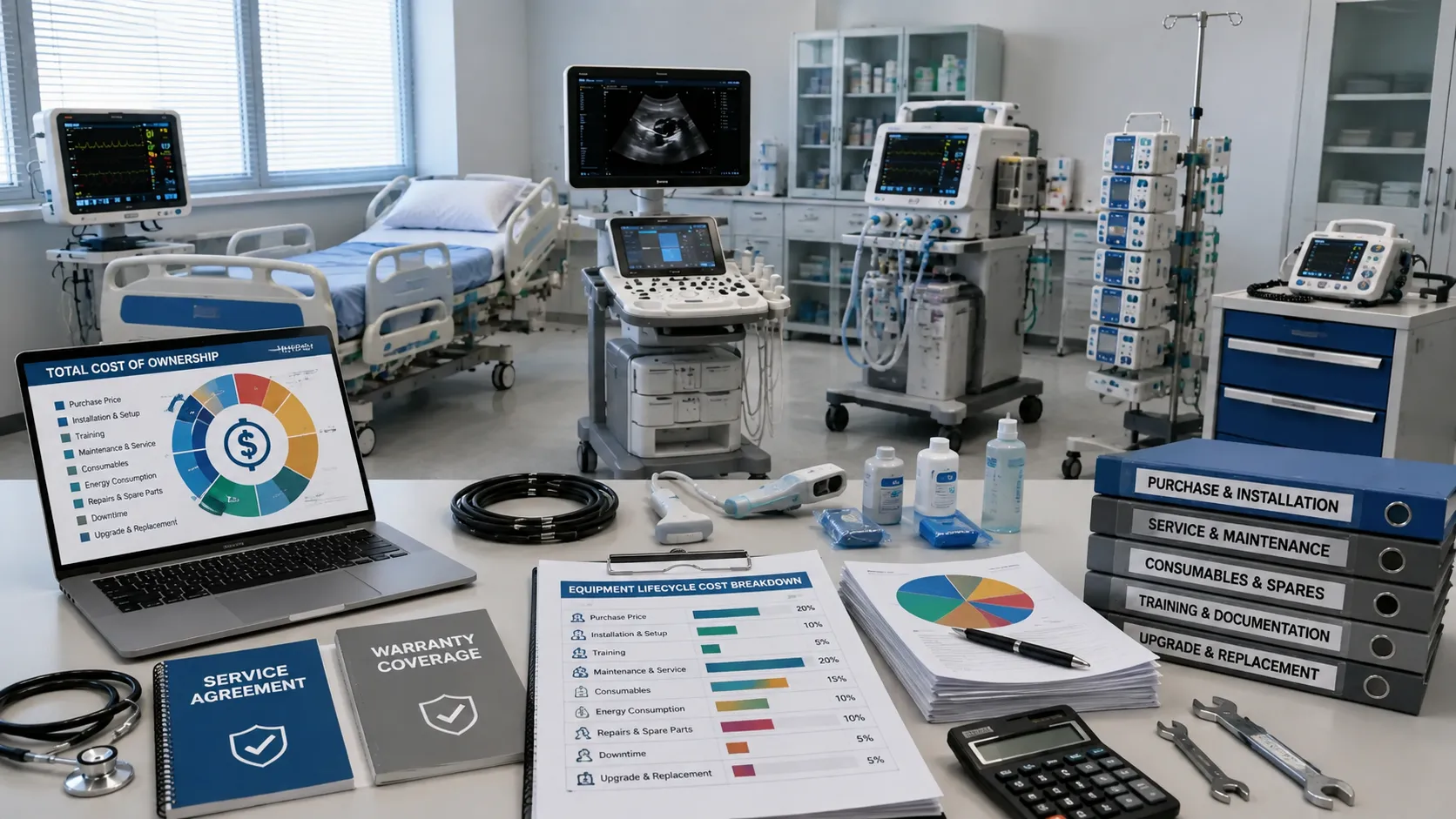
Medical equipment total cost of ownership measures the complete financial impact of an asset throughout its operational life. A purchase price alone does not show what a healthcare organisation may spend on installation, utilities, consumables, servicing, software, downtime and eventual replacement.
For healthcare buyers assessing medical equipment purchases, ownership costs should be estimated before supplier quotations receive final approval. This allows procurement teams to compare products using consistent operating periods, workloads and support assumptions.
Clinical engineers, finance representatives, procurement managers, facilities personnel and clinical users may each hold different cost information. Their findings should be combined into a single controlled lifecycle assessment.
A structured approach helps healthcare organisations avoid misleading price comparisons and plan realistic budgets for equipment acquisition, operation and replacement.
Define the Ownership Period and Cost Categories
The assessment should begin with a consistent ownership period and clearly defined cost boundaries.
Assessment period — Select a realistic operating period based on equipment type, expected life and replacement policy.
Acquisition cost — Record the equipment price, accessories, options, initial software and required supporting components.
Delivery cost — Include freight, handling, insurance, customs support where applicable and movement to the installation location.
Installation cost — Capture positioning, assembly, connection, testing, configuration and commissioning requirements.
Infrastructure costs — include electrical work, medical gases, water, drainage, ventilation, network upgrades, and room modifications.
Training cost — Record initial user training, technical instruction, refresher sessions and staff time.
Operating cost — Estimate energy, water, gases, cleaning materials and other routine resource requirements.
End-of-life cost — Consider removal, data management, transport, disposal, replacement preparation and residual value.
In practice, healthcare buyers often find that two quotations with similar equipment prices create very different infrastructure and support costs.
Every comparison should therefore use the same ownership period and cost categories.
Review Costs by Equipment Type and Care Setting
Ownership-cost patterns vary according to equipment complexity, workload and clinical environment.
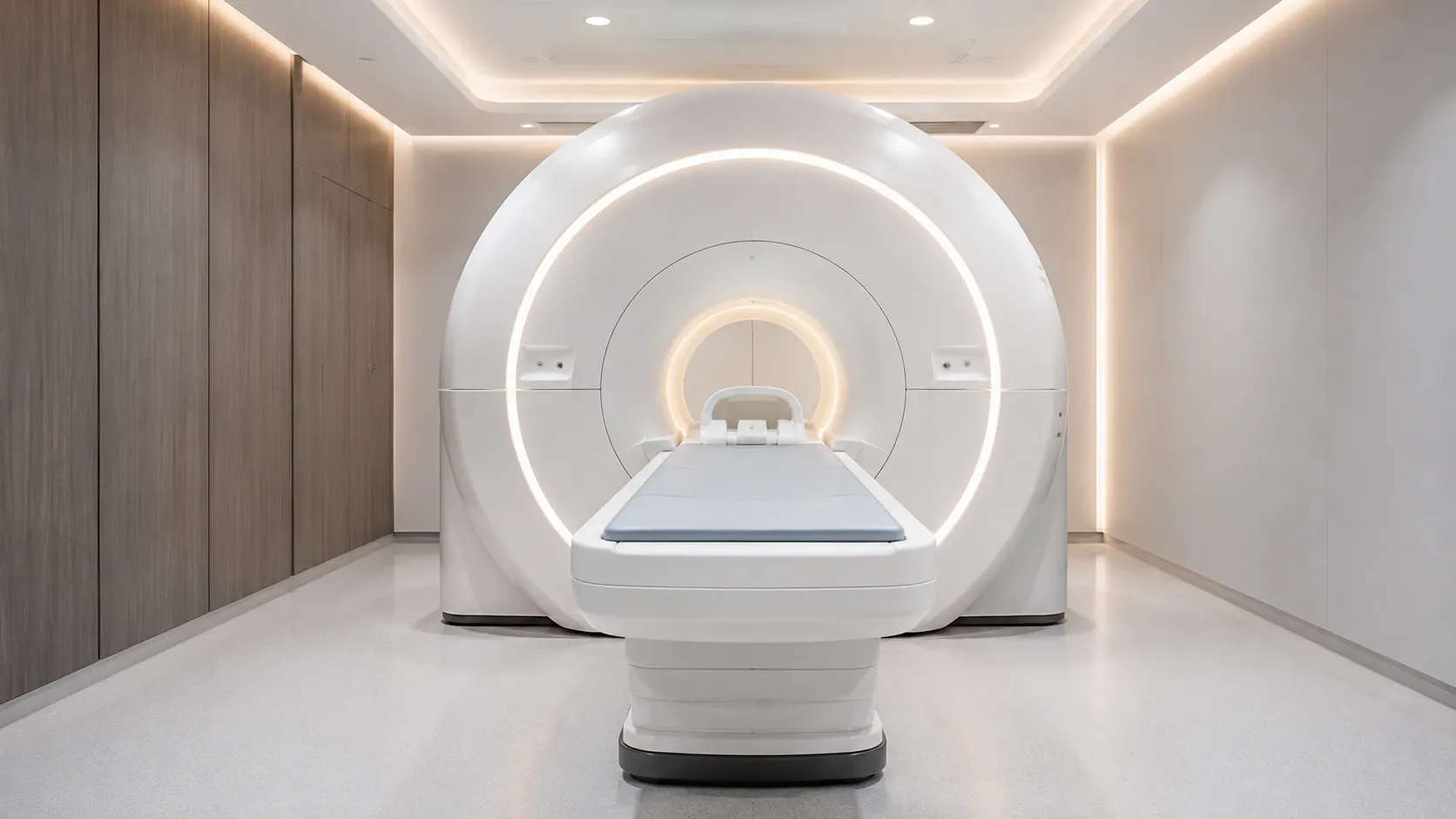
Diagnostic imaging equipment — Costs may include room preparation, cooling, software, specialist servicing, replacement components and high electrical demand.
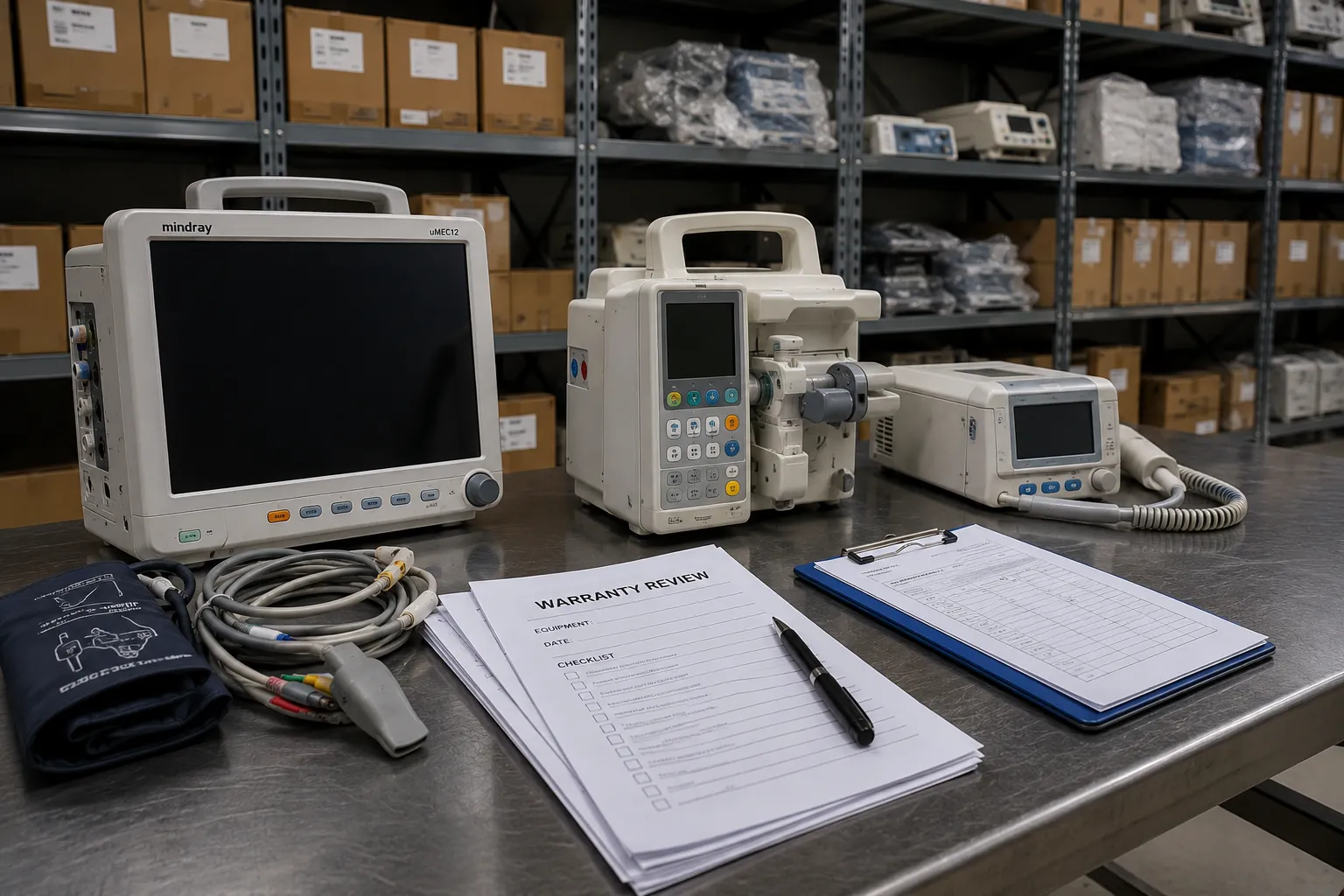
Critical-care equipment—monitors, ventilators, and infusion systems—may require accessories, batteries, calibration, software, and backup units.
When reviewing verified international medical equipment suppliers, healthcare teams should request lifecycle information for each exact model and configuration.
Laboratory equipment — Reagents, calibrators, quality-control materials, maintenance and analyser downtime may form a large part of total cost.
Operating theatre equipment — Ownership costs may include instruments, accessories, sterilisation, maintenance, software, and specialist technical support.
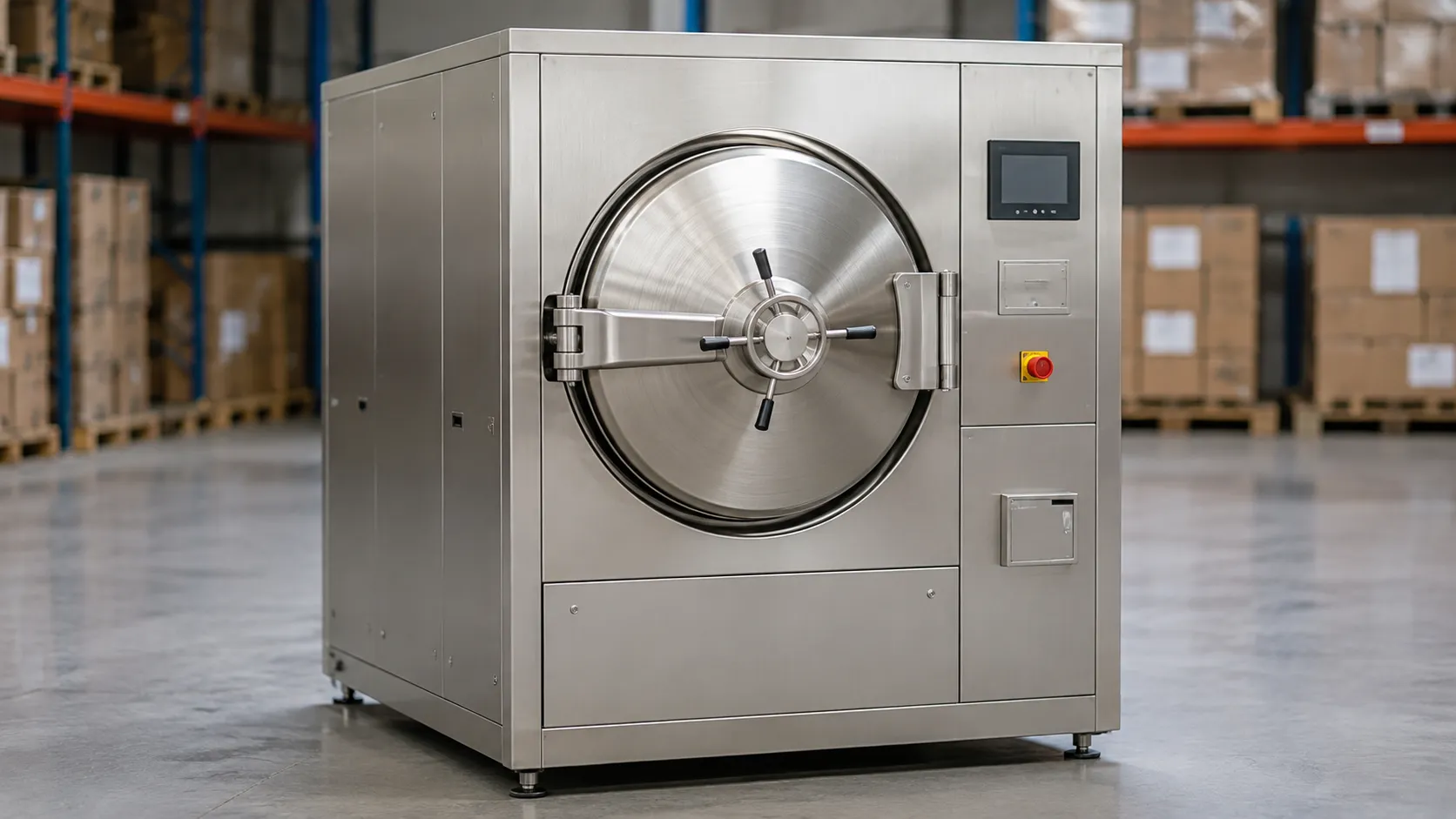
Sterile services equipment — Washers and sterilisers can require substantial utilities, validation, maintenance and replacement parts.
Hospital furniture — Beds, trolleys and examination furniture may involve mattresses, actuators, batteries, wheels, upholstery and repair labour.
Connected medical equipment — Interfaces, licences, cybersecurity support, software updates and network infrastructure should be included.
Mobile equipment fleets — Charging systems, batteries, asset tracking, damage and equipment loss may affect ownership cost.
Experienced clinical supply managers typically assess cost patterns by equipment category rather than applying one standard assumption to every asset.
Calculate Lifecycle and Operational Assumptions
Reliable ownership-cost calculations depend on documented assumptions that can be checked and updated.
Expected utilisation — Estimate procedures, tests, operating hours or patient uses during the assessment period.
Useful life — Define the expected service life based on condition, workload, manufacturer support, and replacement policy.
Consumable demand — Calculate item use per procedure, test or operating period and include likely wastage.
Preventive maintenance — Record service frequency, labour, travel, calibration, test equipment and replacement components.
Corrective maintenance — Estimate repairs using warranty terms, supplier evidence and performance records from comparable assets.
Spare-parts availability — Review expected support periods, lead times, stock requirements and discontinued-part risks.
Software expenditure — Include licences, subscriptions, updates, storage, interfaces and upgrade requirements.
Energy and utilities — Estimate electricity, water, gas, cooling and other resources using realistic operating patterns.
Downtime assumptions — Record expected service interruption, repair time, backup arrangements and effects on clinical activity.
Staff time — Include setup, cleaning, quality checks, maintenance coordination and other equipment-related labour where relevant.
Residual value — Estimate possible resale, trade-in or redeployment value separately from operating savings.
Cost escalation — Record how future service, consumable, licence or parts costs will be reviewed.
One aspect that surprises first-time buyers is that a lower equipment price can be offset quickly by proprietary consumables or recurring software charges.
Cost assumptions should be supported by supplier documents, contracts or comparable operational evidence wherever possible.
Compare Suppliers and Commercial Proposals
Supplier evaluation should cover complete lifecycle expenditure rather than only acquisition price.
Quotation structure — Require separate pricing for equipment, accessories, infrastructure, software, consumables and services.
Supplier transparency — Assess whether the supplier clearly identifies recurring costs, optional products and commercial exclusions.
Accuracy of cost information — Medical equipment companies advertising solutions to healthcare buyers should ensure that ownership-cost claims match formal quotations and supporting documents.
Exact configuration — Record the manufacturer, model, software version, accessories and included service package.
Warranty coverage — Review duration, parts, labour, travel, batteries, freight and response arrangements.
Maintenance package — Compare preventive maintenance, calibration, corrective repairs, engineer access and replacement support.
Consumable commitment — Review prices, minimum orders, supply continuity, shelf life and approved alternatives.
Software terms — Identify licence duration, renewals, subscriptions, updates, interfaces and termination effects.
Parts support — Request expected availability periods, indicative lead times and discontinuation notification.
Downtime support — Confirm response targets, loan equipment, remote assistance and escalation procedures.
Contract flexibility — Review renewal, cancellation, price adjustment, data access and transition conditions.
Lifecycle cost summary — Require suppliers to present costs using the hospital’s agreed ownership period and workload assumptions.
Healthcare organisations seeking broader equipment and service options may benefit from collaborative international medical equipment supply partnerships.
Each proposal should still identify exact equipment, recurring charges, lifecycle assumptions and supplier responsibilities.
Record Actual Costs Throughout Equipment Use
Ownership-cost planning should continue after installation so original assumptions can be compared with actual performance.
Asset registration — Record acquisition, installation, warranty, service and expected replacement information.
Consumable monitoring — Track actual usage, wastage, stock expiry, shortages and price changes.
Maintenance records — Capture planned servicing, repair labour, travel, parts, calibration and technical downtime.
Software records — Monitor licences, subscriptions, interfaces, upgrades and support expenditure.
Utility review — Assess energy, water, cooling and other resource demand where practical.
Training records — Record initial, refresher and technical training delivered throughout the equipment life.
Downtime records — Document faults, service interruption, unavailable clinical capacity and backup-equipment use.
Supplier performance — Compare contractual response, parts delivery and service quality with actual outcomes.
Utilisation monitoring — Assess whether equipment workload supports the original investment assumptions.
Condition assessment — Review reliability, support status, repair frequency and remaining useful life.
Cost variance — Compare actual spending with the approved lifecycle forecast and explain material differences.
Replacement preparation — Update budgets before support, condition or operating costs become unacceptable.
Equipment records should link financial information to utilisation, reliability, and technical condition.
Approve Investment and Improve Future Forecasts
Total cost of ownership should inform procurement approval, contract management and future capital planning.
Clinical approval — Confirm that the equipment supports the intended service and workload assumptions.
Technical approval — Verify installation, maintenance, compatibility, utilities and support requirements.
Financial approval — Review acquisition, recurring, downtime, replacement and disposal costs together.
Procurement approval — Confirm that supplier comparisons use the same configuration, period and workload assumptions.
Risk review — Record uncertainty involving consumables, software, parts, downtime and supplier support.
Budget ownership — Identify which departments fund acquisition, servicing, consumables, licences and replacement.
Performance benchmarks — Compare similar equipment categories using cost per test, procedure, operating hour or supported bed where appropriate.
Replacement triggers — Define limits involving reliability, maintenance cost, support status and clinical suitability.
Forecast updates — Use actual costs from existing assets to improve assumptions for future purchases.
Governance reporting — Present lifecycle findings clearly to procurement, finance, technical and clinical decision-makers.
Healthcare organisations seeking medical equipment, supplier comparisons, or lifecycle cost support can contact the Medigear.uk sourcing and export team. Enquiries should include the equipment category, configuration, quantities, expected workload, support requirements and destination.
Ownership-cost assessments should be updated whenever utilisation, service agreements, consumable prices, software charges or equipment condition changes.
Final thoughts
The total cost of ownership of medical equipment provides a stronger basis for procurement decisions than the purchase price alone.
Healthcare teams should review acquisition, installation, infrastructure, consumables, utilities, maintenance, software, downtime and end-of-life costs over a consistent period. Every supplier comparison should use the same equipment configuration and operating assumptions.
Actual expenditure should be monitored throughout the asset lifecycle and used to improve future forecasts.
A structured ownership-cost assessment helps healthcare organisations plan realistic budgets, compare suppliers fairly and make informed replacement decisions.
Disclaimer
Medigear.uk is a global medical equipment supplier, exporter, and distributor. The content published on this site is intended for educational and product awareness purposes only. Nothing on this page constitutes medical advice, clinical guidance, or treatment recommendations. All healthcare procurement and clinical decisions should be made by qualified medical professionals and compliant procurement teams operating within the regulatory frameworks of their respective countries.