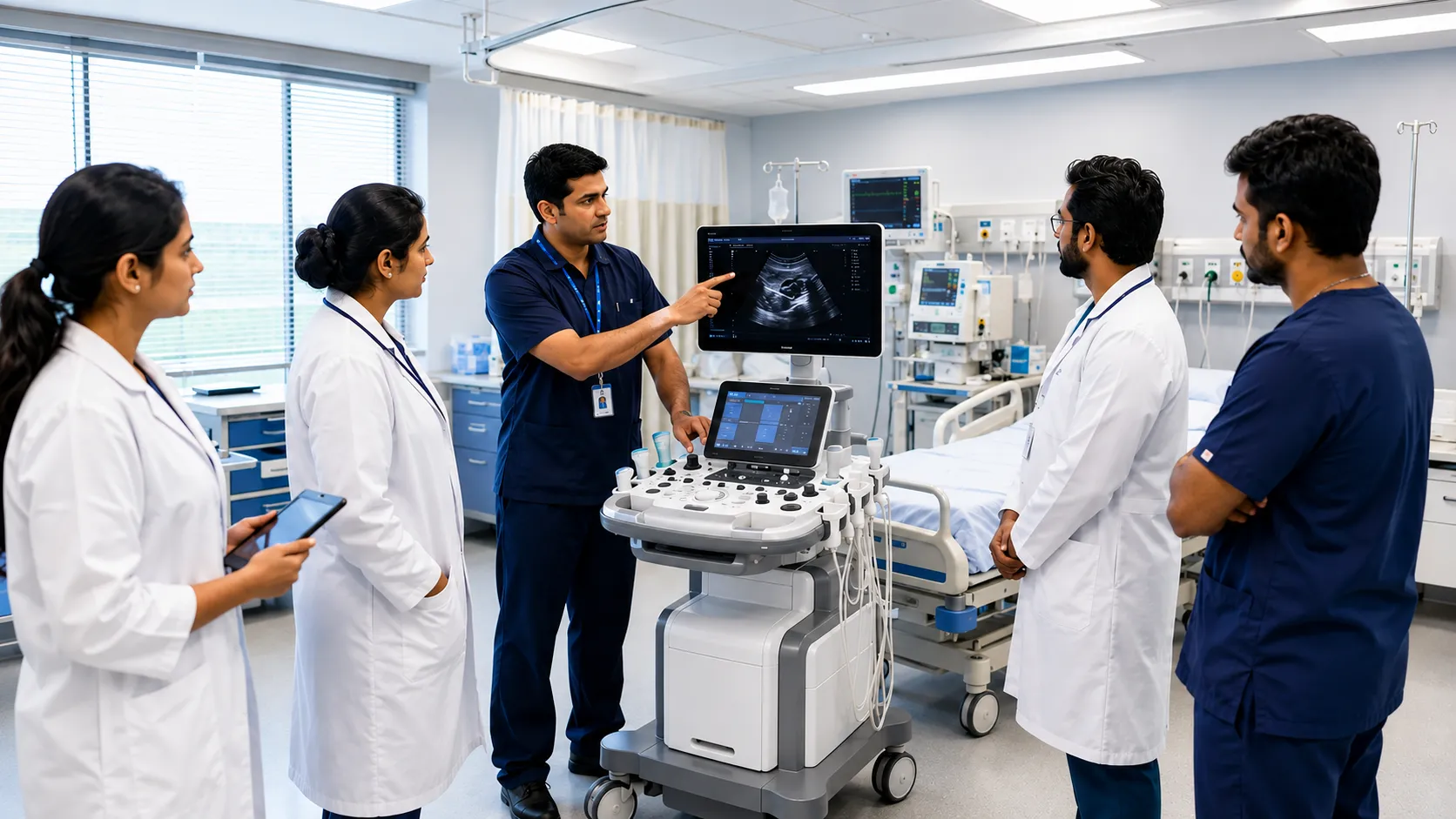
A medical equipment demonstration allows healthcare teams to assess how a proposed system performs before purchase approval. A polished presentation alone does not confirm that the equipment fits hospital workflows, includes the required accessories or can operate within the intended technical environment.
For healthcare buyers assessing medical equipment purchases, demonstration requirements should be prepared before suppliers arrive. The hospital should define the functions, workflows, users and technical questions that must be covered.
Clinical representatives, biomedical engineers, procurement specialists, digital teams and facilities personnel may each assess a different part of the proposed system. Their observations should be captured through one controlled evaluation process.
A structured demonstration helps hospitals compare shortlisted equipment consistently and convert supplier claims into documented procurement evidence.
Define Demonstration Goals and Participants
The hospital should decide what the demonstration must prove before selecting equipment or inviting suppliers.
Evaluation objective — Define whether the session will assess clinical use, technical performance, workflow suitability, integration or all of these areas.
Shortlisted equipment — Limit demonstrations to products that already meet the hospital’s mandatory requirements.
User groups — Identify the clinicians, technicians, nurses or support personnel expected to use the equipment.
Technical participants — Include biomedical, digital, facilities or infection-control representatives where their approval is relevant.
Procurement role — Assign responsibility for attendance records, supplier questions, commercial clarifications and evaluation documents.
Demonstration format — Decide whether the assessment will be physical, virtual, recorded or delivered through more than one session.
Time allocation — Provide enough time for supplier presentation, user testing, technical review and questions.
Conflict controls — require participants to declare any relevant supplier or commercial relationship in accordance with hospital procedures.
In practice, healthcare buyers often find that demonstrations become general sales presentations when test goals have not been defined.
The agenda should therefore be based on the hospital’s requirements rather than the supplier’s standard presentation alone.
Match Demonstrations to Equipment and Care Settings
The demonstration method should reflect the equipment category, intended location and clinical workflow.
Diagnostic equipment — Assessment may include startup, patient setup, measurement, image or result quality, reporting and data export.
Monitoring equipment — Users may need to review displays, alarms, trends, battery operation, accessories, and central system connectivity.
Hospitals arranging sessions with specialist medical equipment supply networks should provide the same core scenarios and questions to every shortlisted supplier.
Mobile equipment — Demonstrations should cover movement, brakes, handles, battery runtime, charging and operation in confined areas.
Hospital furniture — Users may assess adjustment, stability, mobility, access, cleaning and compatibility with supporting equipment.
Laboratory equipment — Evaluation may include sample loading, throughput, controls, consumables, maintenance access and software workflows.
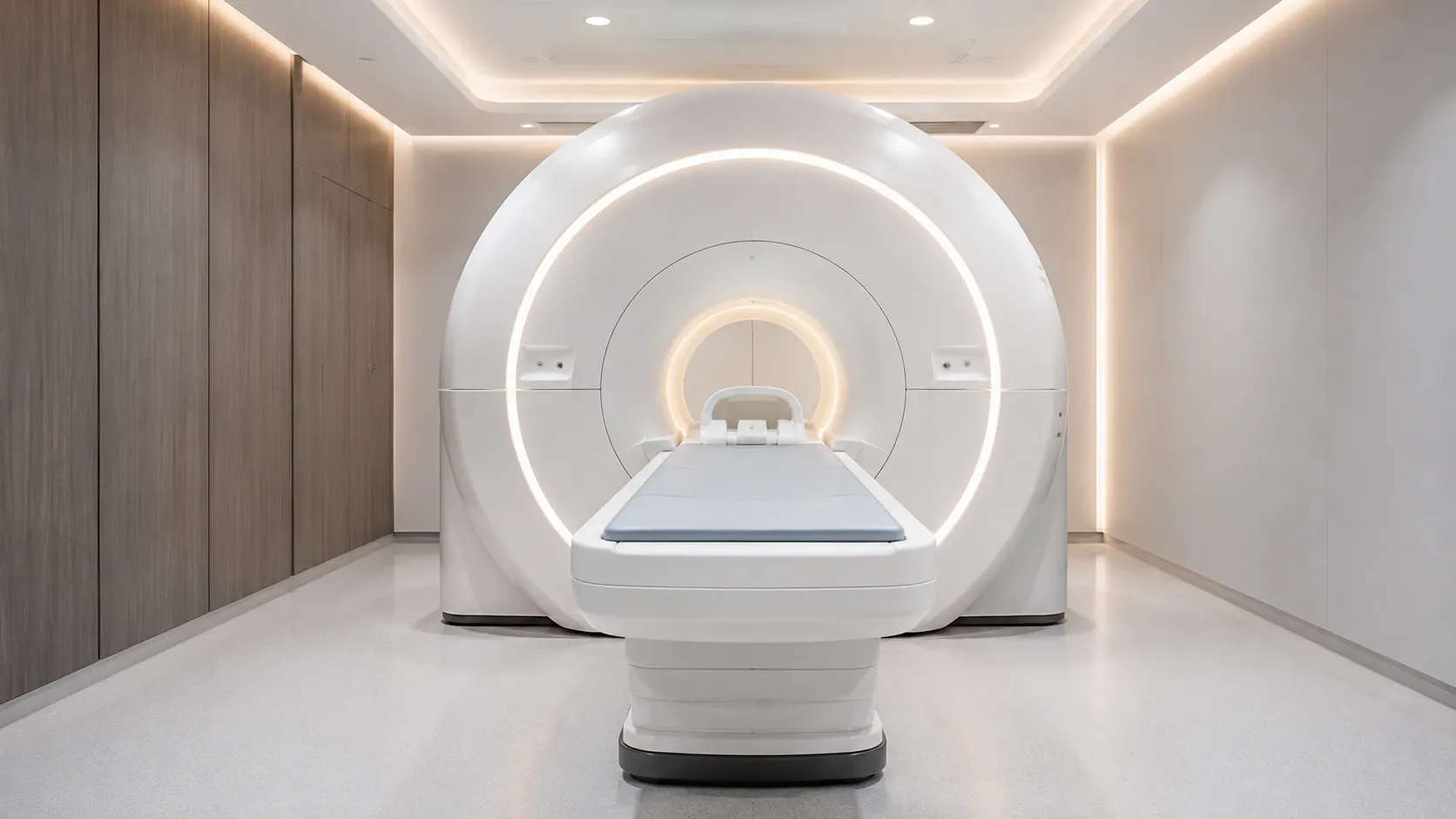
Imaging systems — Review image quality, positioning, workflow steps, storage, reporting and room or infrastructure needs.
Connected equipment — Demonstrate user authentication, interfaces, network requirements, data flow and system recovery.
Specialist devices — The relevant clinical and technical teams should develop service-specific scenarios.
Experienced procurement teams typically evaluate equipment through realistic tasks instead of requesting only a feature-by-feature explanation.
Set Evidence and Technical Requirements
The hospital should specify what must be shown, measured or documented during the session.
Exact model — Confirm that the demonstrated equipment matches the model stated in the supplier proposal.
Equipment condition — Record whether the unit is new, refurbished, demonstration stock or another condition.
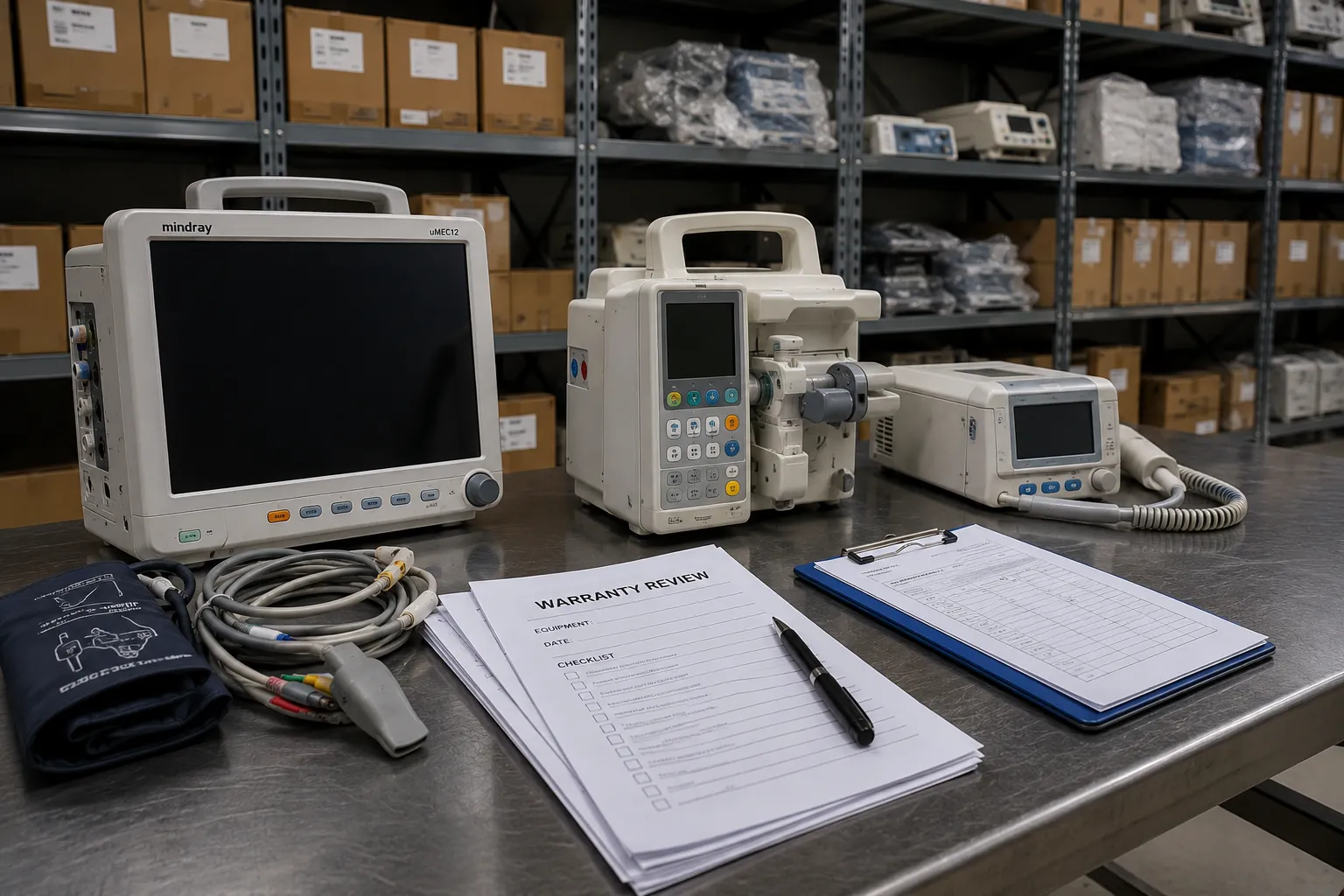
Complete configuration — Verify that the included sensors, probes, cables, batteries, software, stands, and accessories are present.
Software version — Record the demonstrated software and compare it with the quoted configuration.
Mandatory functions — Ask the supplier to demonstrate each critical requirement using agreed scenarios.
Performance evidence — Request supporting documentation for claims that cannot be verified during the session.
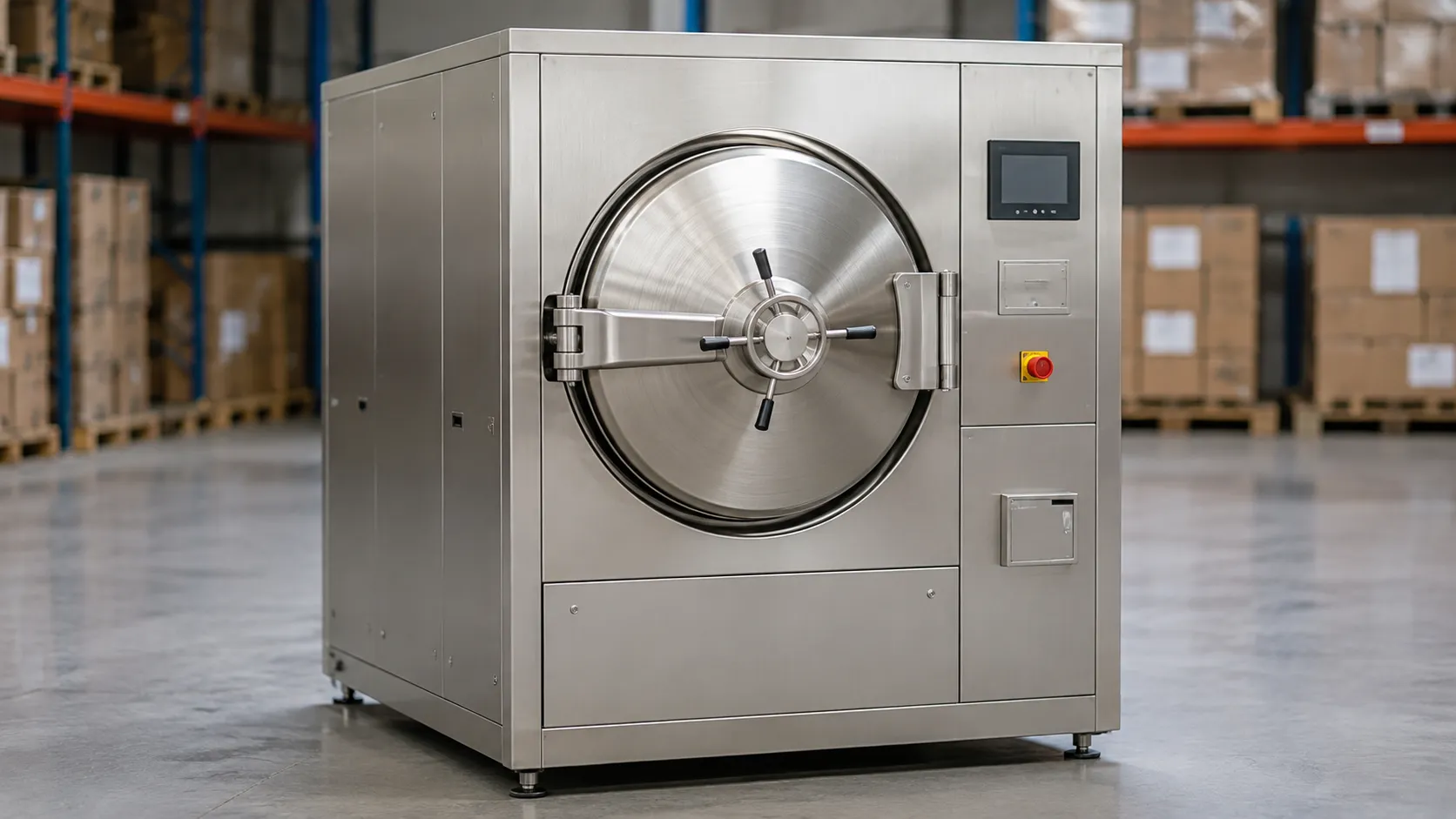
Infrastructure needs — Confirm electrical, network, water, gas, ventilation, mounting and space requirements.
Integration capability — Review supported interfaces, data formats, licences and known limitations.
Cleaning requirements — Demonstrate approved cleaning access, removable parts and material suitability where relevant.
Maintenance access — Review service points, routine checks, calibration needs and replaceable components.
Safety controls — Demonstrate relevant alarms, locks, interlocks, warnings and emergency functions.
Open questions — Record unanswered items with a responsible supplier contact and response deadline.
One aspect that surprises first-time buyers is that the demonstration model may contain optional accessories or software not included in the quotation.
The evaluation record should identify every difference between the demonstrated and proposed configurations.
Compare Suppliers and Commercial Implications
A demonstration should support technical evaluation without replacing formal quotation and contract review.
Consistent scenarios — Use the same core tasks, workload assumptions and scoring criteria for each supplier.
Supplier capability — Assess whether representatives understand the equipment, workflow, installation and support requirements.
Accuracy of claims — Medical equipment companies advertising solutions to healthcare buyers should ensure that demonstration statements match technical documents and formal quotations.
Included components — Confirm which displayed accessories, software functions and services are included in the proposed price.
Optional products — Record optional features separately so they do not influence scoring as standard inclusions.
Consumable requirements — Review item types, expected usage, shelf life, storage and approved alternatives.
Training package — Clarify which user, supervisor, and technical training are included after purchase.
Service commitments — Confirm maintenance, response targets, spare parts, software support and escalation arrangements.
Quotation revisions — Require written updates when the demonstration reveals missing accessories, licences or implementation services.
Supplier promises — Record important verbal commitments and request their inclusion in the formal proposal.
Evaluation independence — Score equipment performance separately from hospitality, presentation style or supplier relationships.
Healthcare organisations comparing products from several markets may benefit from collaborative international medical equipment supply partnerships.
Each final proposal should still identify the exact equipment, configuration, services, exclusions and lifecycle responsibilities demonstrated.
Run the Session and Record Results
The demonstration should follow a structured agenda that provides users with sufficient opportunity to test the proposed system.
Opening confirmation — Record the supplier, participants, equipment model, serial number, condition and software version.
Supplier introduction — Allow a brief explanation of the proposed configuration and intended hospital application.
Workflow scenarios — Ask the supplier to complete the predefined clinical and operational tasks.
User participation — Allow authorised users to operate or handle the equipment under suitable supervision.
Technical review — Assess utilities, connectivity, accessories, alarms, maintenance and installation requirements.
Usability feedback — Record comments about controls, displays, movement, setup, access and cleaning.
Performance observations — Document measured results, delays, faults, missing functions and workflow limitations.
Scoring process — Apply the agreed criteria consistently and require supporting comments for significant scores.
Question log — Record unresolved technical, clinical, commercial and service questions.
Evidence collection — Obtain permitted manuals, specifications, configuration lists and supplier responses.
Closing review — Confirm the outstanding actions, responsible parties and response deadlines.
Evaluation sign-off — Ask authorised representatives to confirm that the record accurately reflects the session.
A demonstration should produce an auditable evaluation record rather than only informal participant impressions.
Approve Next Steps and Preserve Lifecycle Evidence
Demonstration findings should be connected to supplier selection, contracting, delivery and final acceptance.
Score consolidation — Combine clinical, technical, digital and procurement evaluations using the approved method.
Requirement gaps — Identify mandatory criteria that were not demonstrated or supported by evidence.
Risk review — Record concerns involving usability, integration, accessories, support or implementation.
Clarification control — Require suppliers to answer outstanding questions in writing.
Quotation alignment — Confirm that the commercial proposal matches the demonstrated equipment and agreed configuration.
Procurement recommendation — Document the reasons for selecting, rejecting or requesting further evaluation of each system.
Trial requirement — Arrange a controlled trial where a demonstration cannot establish performance under normal workload.
Acceptance criteria — Carry verified requirements into the purchase order, contract and post-delivery testing plan.
Record retention — Preserve evaluation forms, supplier responses, configuration details and approval documents.
Post-installation comparison — Confirm that delivered equipment performs as demonstrated after installation and configuration.
Healthcare organisations seeking medical equipment demonstrations, product comparisons, or sourcing assistance can contact the Medigear.uk team for support. Enquiries should include the equipment category, quantity, required configuration, intended hospital use and destination.
Demonstration evidence should remain available throughout procurement, installation, acceptance and contract management.
Final thoughts
Medical equipment demonstrations should be structured evaluations rather than general supplier presentations.
Healthcare teams should define realistic workflows, mandatory functions, technical questions and scoring criteria before each session. The exact model, software and accessory package should be recorded and compared with the supplier’s quotation.
Demonstration results should inform supplier selection but should not replace formal delivery inspection, installation testing or operational acceptance.
A controlled process helps hospitals compare equipment fairly, verify supplier claims and reduce avoidable procurement errors.
Disclaimer
Medigear.uk is a global medical equipment supplier, exporter, and distributor. The content published on this site is intended for educational and product awareness purposes only. Nothing on this page constitutes medical advice, clinical guidance, or treatment recommendations. All healthcare procurement and clinical decisions should be made by qualified medical professionals and compliant procurement teams operating within the regulatory frameworks of their respective countries.