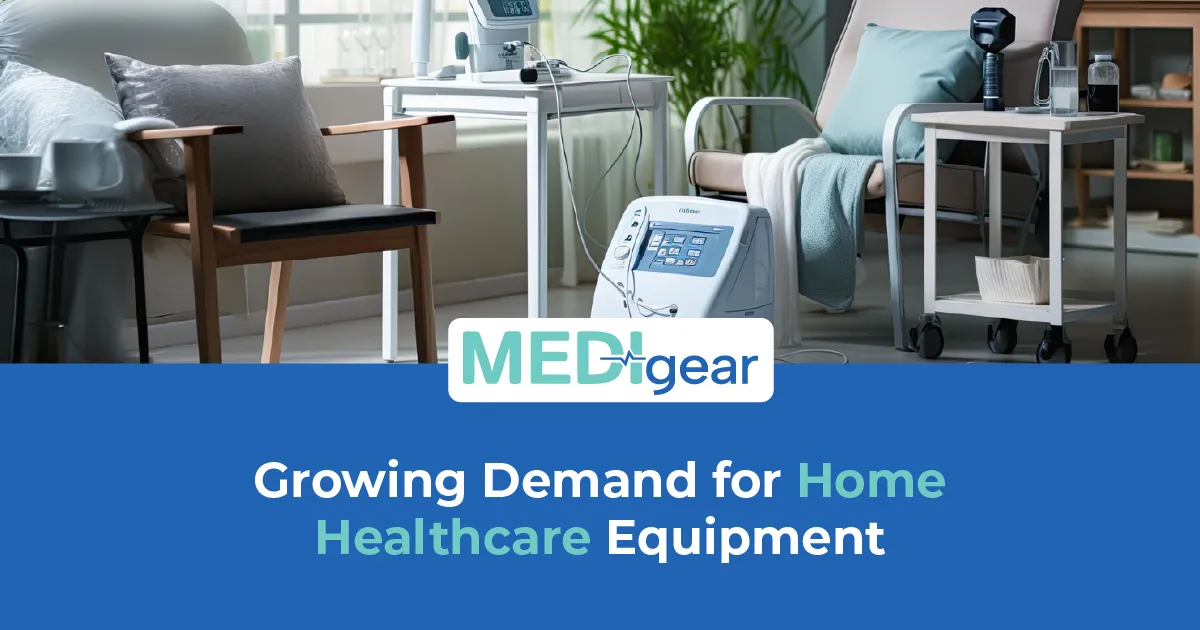
Healthcare is no longer limited to hospitals and clinics. Advances in medical technology, changing patient preferences, and an ageing population have contributed to a growing demand for home healthcare equipment. Families and caregivers are increasingly looking for practical solutions that support daily care while allowing individuals to remain in familiar surroundings.
Home healthcare equipment ranges from simple mobility aids to advanced monitoring systems. As technology improves, these products are becoming more accessible, portable, and easier to use, helping reshape the future of healthcare delivery.
Why Home Healthcare Is Expanding
Several factors are influencing the increasing demand for home healthcare equipment.
Supporting Independent Living – Many individuals prefer receiving care at home while maintaining their daily routines.
Changing Healthcare Needs – Long-term care and recovery support often extend beyond traditional healthcare facilities.
Advancing Technology – Portable and connected devices have improved accessibility.
Caregiver Support – Practical equipment can simplify daily assistance and patient handling.
The combination of these factors continues to drive investment in home healthcare solutions.
Common Types of Home Healthcare Equipment
A wide range of equipment supports different aspects of home care.
Mobility Aids - Mobility products help individuals move safely and comfortably.
Common examples include:
-
Walking frames.
-
Rollators.
-
Wheelchairs.
-
Mobility scooters.
-
Transfer equipment.
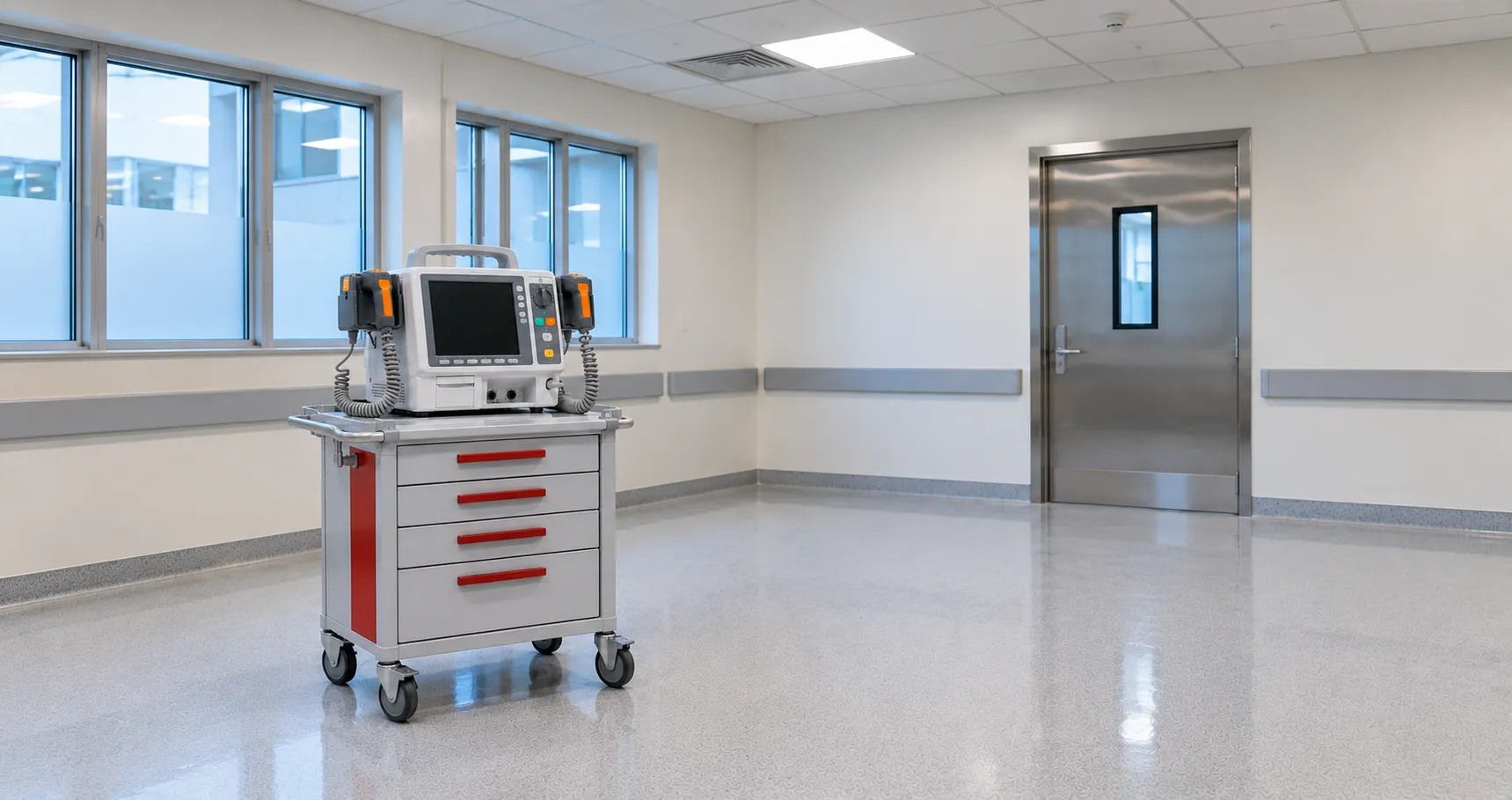
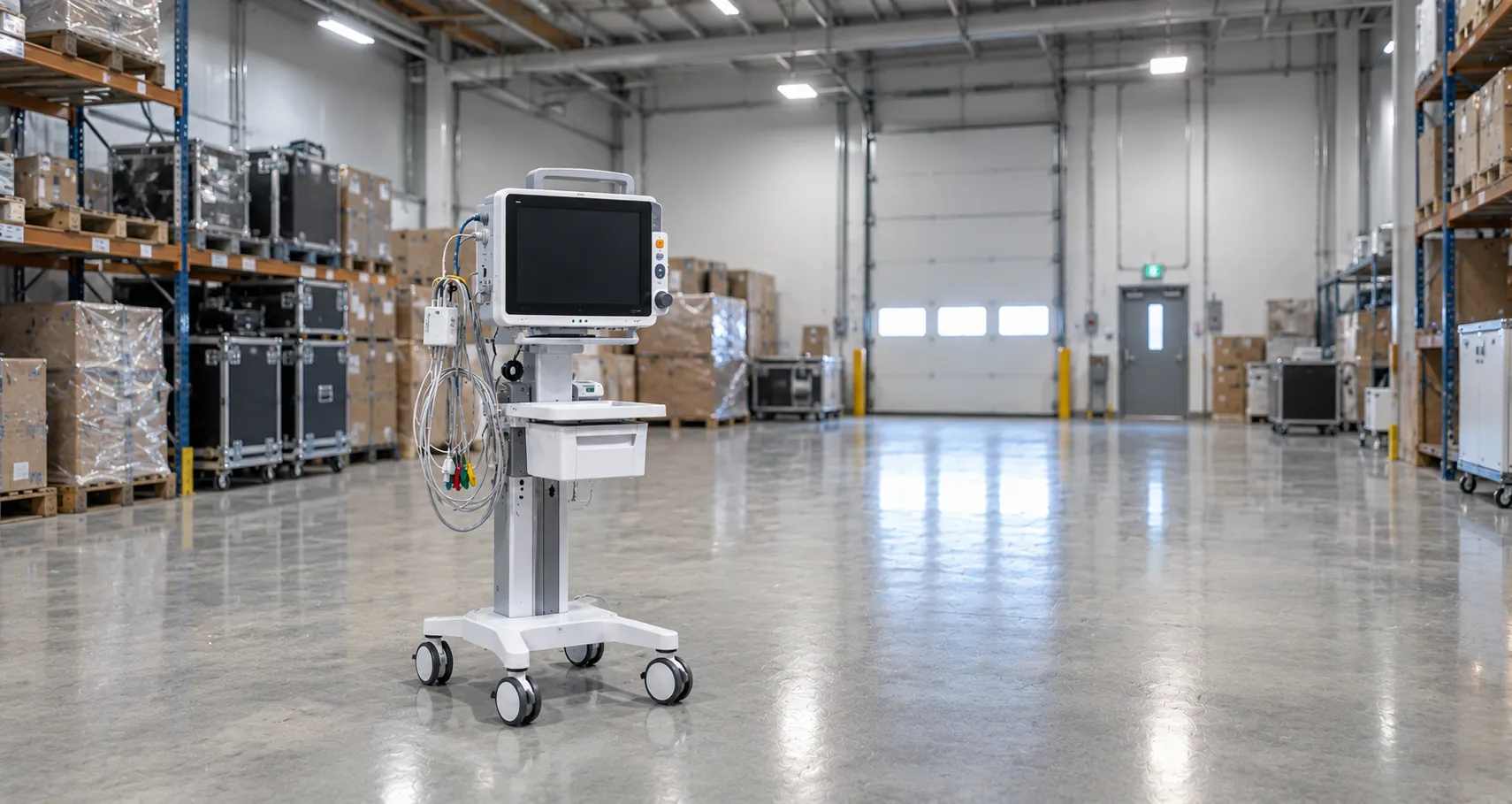
Patient Monitoring Devices - Portable monitoring systems help collect routine health information.
Popular products include:
-
Blood pressure monitors.
-
Pulse oximeters.
-
Digital thermometers.
-
Portable vital sign monitors.
-
Weight monitoring devices.
Respiratory Support Equipment - Respiratory products assist with oxygen-related healthcare needs.
Examples include:
-
Oxygen concentrators.
-
Nebuliser systems.
-
Portable respiratory support devices.
Healthcare organisations and procurement teams exploring equipment sourcing opportunities can discover more through the buyers' services.
Home Care Furniture and Support Equipment
Furniture designed for healthcare applications improves comfort and accessibility.
Common products include:
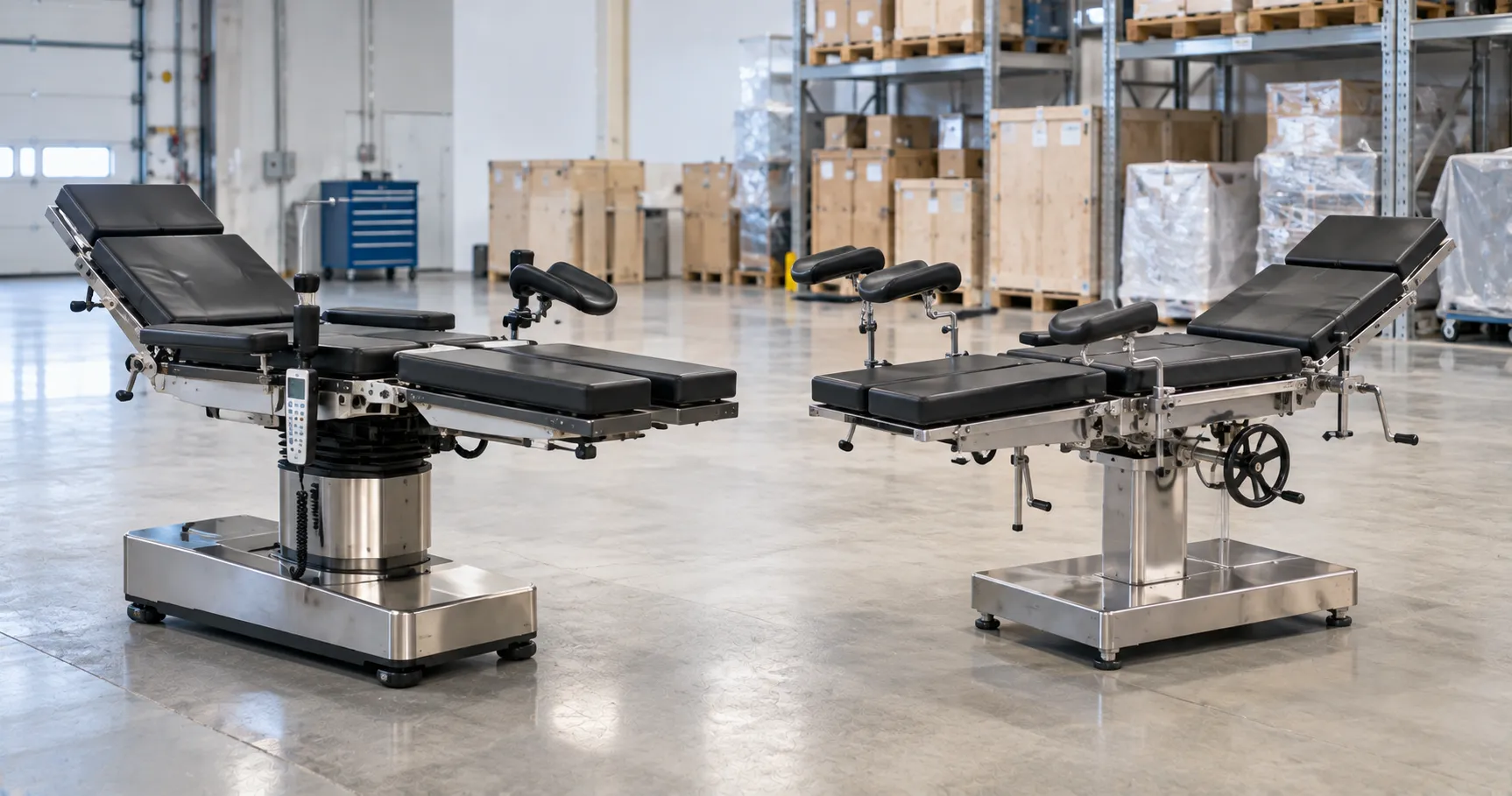
Adjustable Home Care Beds – Support positioning and caregiver access.
Patient Lifts – Simplify transfers.
Overbed Tables – Improve convenience during daily activities.
Pressure Management Accessories – Enhance comfort and support.
Bathroom Safety Solutions
Bathrooms often require specialised equipment to improve accessibility.
Typical products include:
-
Shower chairs.
-
Bath benches.
-
Grab rails.
-
Toilet support frames.
-
Non-slip safety accessories.
These items can help create safer home environments.
Technology Is Changing Home Healthcare
Modern home healthcare equipment increasingly incorporates digital technology.
Wireless Connectivity – Supports information sharing.
Smart Monitoring Systems – Simplify equipment management.
Portable Designs – Improve mobility.
Rechargeable Batteries – Extend operating flexibility.
Digital Displays – Enhance usability.
Technology continues to improve both convenience and equipment functionality.
Healthcare suppliers interested in expanding their market reach can learn more through: business suppliers
What Buyers Should Consider
Selecting home healthcare equipment requires practical planning.
Important factors include:
Individual Requirements – Equipment should match daily activities.
Available Space – Home layouts may influence equipment selection.
Ease of Operation – User-friendly designs improve accessibility.
Maintenance Requirements – Routine care supports reliability.
Future Adaptability – Flexible equipment accommodates changing needs.
Careful evaluation can improve long-term value.
Maintenance Supports Long-Term Performance
Regular maintenance helps preserve equipment condition.
Inspect Moving Components – Check wheels, hinges, and adjustment systems.
Maintain Battery Systems – Recharge portable equipment regularly.
Clean Surfaces – Support equipment longevity.
Review Safety Features – Verify locks and handles operate correctly.
Schedule Preventive Checks – Identify potential issues early.
Consistent maintenance can reduce unexpected repairs.
Industry Trends Driving Future Growth
Home healthcare equipment continues to evolve alongside changing healthcare demands.
Several developments are shaping the future:
Artificial Intelligence Integration – Supporting equipment monitoring.
Cloud-Based Data Management – Simplifying information storage.
Compact Product Designs – Improving portability.
Energy-Efficient Systems – Reducing operating costs.
Modular Equipment Options – Allowing greater customization.
Healthcare organizations interested in collaboration opportunities can explore: business partners
Businesses seeking greater visibility within the healthcare sector can discover: business advertise
For product enquiries and procurement support, assistance is available through: contact team
Looking Ahead
The growing demand for home healthcare equipment reflects broader changes in healthcare delivery and patient expectations. Mobility aids, monitoring devices, respiratory support products, and home care furniture are helping individuals receive practical support in familiar surroundings.
As technology continues to advance, home healthcare equipment is expected to become even more connected, portable, and adaptable. Careful planning and informed purchasing decisions can help families, caregivers, and healthcare organisations select solutions that support both current and future needs.
Disclaimer:
Medigear.uk is a medical equipment supplier and distributor. We do not provide medical advice, diagnosis, or treatment recommendations. All information is for educational and product awareness purposes only. Qualified medical professionals should always make healthcare decisions.