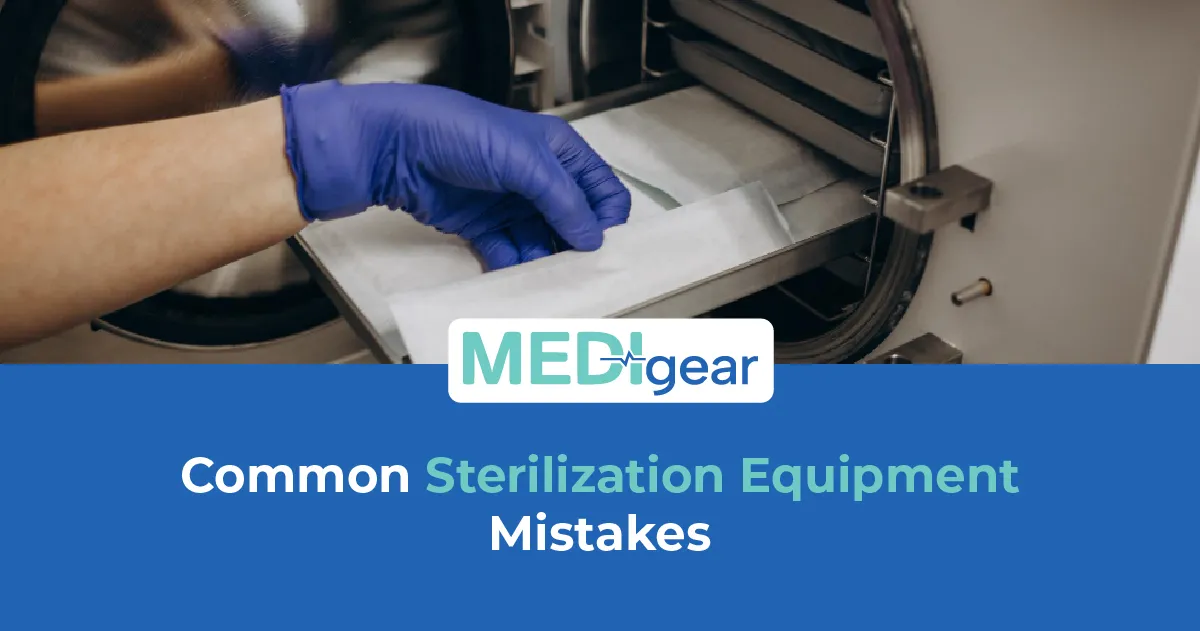
Sterilisation equipment plays a vital role in healthcare operations, helping prepare reusable instruments and medical devices for repeated use. However, even high-quality systems can face performance issues if they are selected, operated, or maintained incorrectly.
Many challenges associated with sterilisation equipment are preventable. Understanding common mistakes can help procurement teams, facility managers, and operational staff improve efficiency, reduce downtime, and extend equipment lifespan.
This guide explores frequent sterilisation equipment mistakes and practical ways to avoid them.
Choosing Equipment That Does Not Match Demand
One of the most common procurement mistakes is selecting equipment without accurately assessing workload requirements.
Underestimating Daily Volume – Equipment may struggle to handle busy periods.
Overestimating Capacity Needs – Larger systems can unnecessarily increase operating expenses.
Ignoring Future Growth – Healthcare facilities may outgrow equipment sooner than expected.
Careful planning helps balance current requirements with future expansion.
Overlooking Installation Requirements
Sterilisation systems often require adequate space and utility connections.
Common oversights include:
-
Limited installation space.
-
Inadequate ventilation.
-
Insufficient power supply.
-
Water connection limitations.
-
Restricted maintenance access.
Reviewing facility infrastructure before purchasing can simplify installation.
Neglecting Routine Maintenance
Regular servicing supports reliable operation and helps identify minor issues before they become costly repairs.
Skipping Scheduled Inspections – Small problems can lead to larger failures.
Ignoring Wear Components – Replacement parts should be monitored regularly.
Delaying Professional Servicing – Preventive maintenance can reduce unexpected downtime.
Healthcare organisations exploring procurement solutions can discover opportunities through buyer services.
Poor Staff Training
Even advanced sterilisation systems depend on proper operation.
Potential challenges include:
-
Incorrect loading procedures.
-
Improper cycle selection.
-
Inadequate cleaning before processing.
-
Failure to follow operating guidelines.
Consistent training programs help improve workflow efficiency.
Ignoring Equipment Compatibility
Different materials and devices may require different sterilisation approaches.
Heat-Sensitive Instruments – May need alternative processing methods.
Mixed Material Loads – Certain combinations may not be suitable.
Accessory Compatibility – Trays and containers should match equipment specifications.
Understanding compatibility supports better operational planning.
Waiting Too Long for Repairs
Minor issues can become major operational problems if left unresolved.
Common warning signs include:
-
Unusual operating sounds.
-
Extended cycle times.
-
Display errors.
-
Inconsistent performance.
-
Visible wear.
Addressing concerns early may reduce downtime.
Healthcare suppliers interested in industry collaboration can learn more through business suppliers.
Failing to Plan for Spare Parts
Replacement components contribute to long-term equipment reliability.
Supporting Continuous Operation – Readily available parts simplify maintenance.
Reducing Downtime – Planned inventory management helps avoid delays.
Improving Service Efficiency – Maintenance teams can respond more quickly.
Procurement planning should consider spare part availability.
Overlooking Energy and Water Consumption
Operating costs continue long after equipment installation.
Important considerations include:
-
Energy efficiency.
-
Water usage.
-
Utility requirements.
-
Routine servicing costs.
-
Replacement component expenses.
Understanding lifetime operating costs supports informed purchasing decisions.
Poor Workflow Planning. Sterilisation equipment should fit naturally into facility operations.
Reducing Instrument Bottlenecks – Efficient layouts improve movement.
Supporting Staff Productivity – Logical equipment placement simplifies daily tasks.
Planning Storage Areas – Adequate space helps organise processed instruments.
Thoughtful workflow design can improve overall efficiency.
Healthcare organisations interested in collaborative opportunities can explore: business partners.
Ignoring Future Technology Developments
Healthcare technology evolves continuously.
Facilities planning long-term investments may benefit from considering:
-
Digital monitoring.
-
Automated reporting.
-
Smart maintenance systems.
-
Modular upgrades.
-
Improved energy management.
Flexible equipment strategies support future operational needs.
Businesses wishing to increase industry visibility can explore: businessadvertising
For procurement support and product enquiries, assistance is available through: Contact Team
Building Better Procurement Strategies
Avoiding common mistakes with sterilisation equipment starts with careful planning.
Successful procurement often includes:
Understanding Operational Requirements – Match equipment to actual workloads.
Evaluating Long-Term Costs – Consider maintenance and utilities.
Planning Preventive Maintenance – Reduce unexpected repairs.
Supporting Staff Training – Encourage consistent operation.
Preparing for Future Growth – Allow room for changing demands.
A balanced procurement strategy helps improve equipment performance and long-term value.
Disclaimer: Medigear.uk is a medical equipment supplier and distributor. We do not provide medical advice, diagnosis, or treatment recommendations. All information is for educational and product awareness purposes only. Qualified medical professionals should always make healthcare decisions.