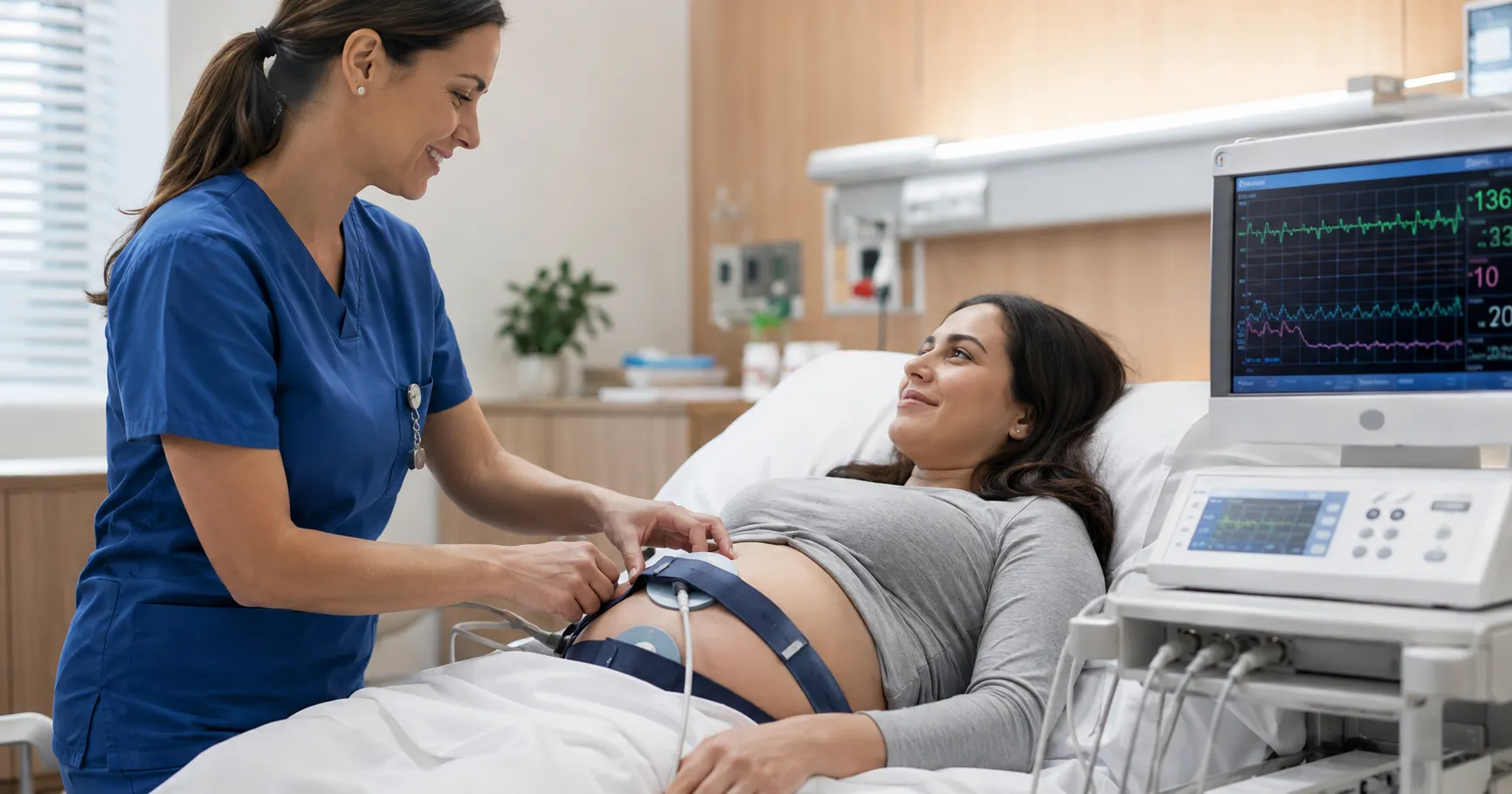
Fetal monitors are essential devices used in maternity care units to track fetal heart rate contractions and maternal vitals in real time.
They allow healthcare providers to detect early signs of fetal distress and optimise labour management.
Hospitals sourcing these systems can consult Medigear.uk buyers to select certified fetal monitoring devices.
This article explains the clinical functions, technical features, and best practices for fetal monitors in maternity care units.
Clinical Role And Labor Monitoring
Continuous Fetal Heart Rate Tracking — Monitors provide real-time data to detect early fetal distress.
Contraction Monitoring — Tracks maternal uterine activity to help assess labour progression.
Maternal Health Integration — Some fetal monitors also capture maternal vital signs to provide a complete labour profile.
Alerts And Alarm Systems — Warns staff when fetal heart rate or contraction patterns indicate possible complications.
Hospitals can advertise or list products via Medigear.UK advertising for global visibility.
NICU and Labor Applications
Intensive Care Use — Fetal monitors are essential in maternity units for continuous monitoring of fetal heart rate and contractions during labour
Postnatal Care Integration — They allow healthcare providers to monitor newborns and maternal vitals seamlessly in postnatal wards.
Emergency Obstetric Care — Rapid deployment ensures early detection of fetal distress and timely interventions.
Hospitals can consult buyers on Medigear. UK for guidance on selecting certified fetal monitoring systems.
Long-term supply agreements for maternity units can be arranged through Medigear.UK's partner — to ensure reliable product delivery and support.
Technical Features and System Considerations
Dual Monitoring Capability — Simultaneously tracks fetal heart rate and maternal uterine contractions.
Alarm and Alert Systems — Provides instant notifications for abnormal fetal heart rates or contraction patterns.
Integrated Maternal Monitoring — Some systems include maternal vital signs to provide a complete overview during labour.
Portable and Bedside Designs — Allows flexibility for bedside use in NICUs or labour rooms.
Data Storage and Reporting — Monitors often store historical data for clinical evaluation and decision-making.
Procurement Guidance
Selecting fetal monitors requires assessment of safety, performance, and compliance with hospital standards.
Total Cost of Ownership — Includes the device, maintenance, calibration, and staff training.
Supplier Evaluation — Hospitals should select certified vendors providing global support and after-sales service.
Procurement teams can use Medigear—UK suppliers for validated fetal monitoring devices.
Regulatory Compliance — Ensure devices meet medical device safety standards for maternity care.
Maintenance and Equipment Life
Regular inspections ensure fetal monitors remain accurate and safe in high-demand maternity care environments.
Calibration of Sensors — Periodic verification of fetal heart rate and contraction sensors is critical.
Alarm and System Testing — Ensures alerts function correctly during abnormal fetal or maternal events.
Cleaning and Infection Control — Proper disinfection prevents cross-contamination in NICU and labour rooms.
Well-maintained fetal monitors can operate reliably for several years in high-volume hospital units.
Final Thoughts
Fetal monitors are essential for maternity care providers in NICU and labour units.
Selecting reliable, certified, and easy-to-maintain monitors ensures fetal safety, improves labour outcomes, and supports maternal health.
Hospitals should prioritise systems with integrated monitoring, alarm features, and vendor support. Medigear.uk.
Disclaimer
Medigear.uk is a global medical equipment supplier, exporter, and distributor. All content is for educational and informational purposes only. It does not replace professional medical advice or clinical judgment. Healthcare professionals and hospital procurement teams must make equipment decisions based on clinical requirements, regulations, and institutional policies. Medigear.uk does not provide treatment or clinical services, and all reliance on the information is at the user's discretion.