Procurement teams rarely struggle to identify whether examination tables are necessary. The real challenge lies in selecting equipment that supports different patient groups, adapts to changing service demands, and remains reliable throughout years of intensive use. From urban teaching hospitals to community clinics and mobile health programmes, examination tables influence patient comfort, clinician ergonomics, infection prevention, and operational efficiency.
For medical equipment buyer services professionals worldwide managing infrastructure investments across multiple facilities, balancing durability, accessibility, and total ownership costs often proves more significant than focusing solely on initial acquisition expenses. Examination tables may appear straightforward, yet their specifications affect clinical workflows every day.
This guide examines the major types of medical examination tables, technical considerations, deployment settings, and procurement strategies that healthcare organisations across international markets should evaluate before making purchasing decisions.
How Medical Examination Tables Support Daily Clinical Assessment Activities
Patient Positioning Requirements — Medical examination tables provide controlled positioning during physical assessments, diagnostics, minor procedures, and specialist consultations. Height adjustments and sectional backrests enable clinicians to maintain appropriate working postures while ensuring patient comfort. Facilities serving elderly populations frequently prioritise lower entry heights to reduce transfer risks.
Integration Into Clinical Workflows — Examination tables function as operational assets rather than standalone furniture. They influence consultation times, cleaning procedures, room turnover, and accessibility standards. In practice, procurement teams often find that investing in adaptable table designs reduces the need for future replacements as clinical services evolve.
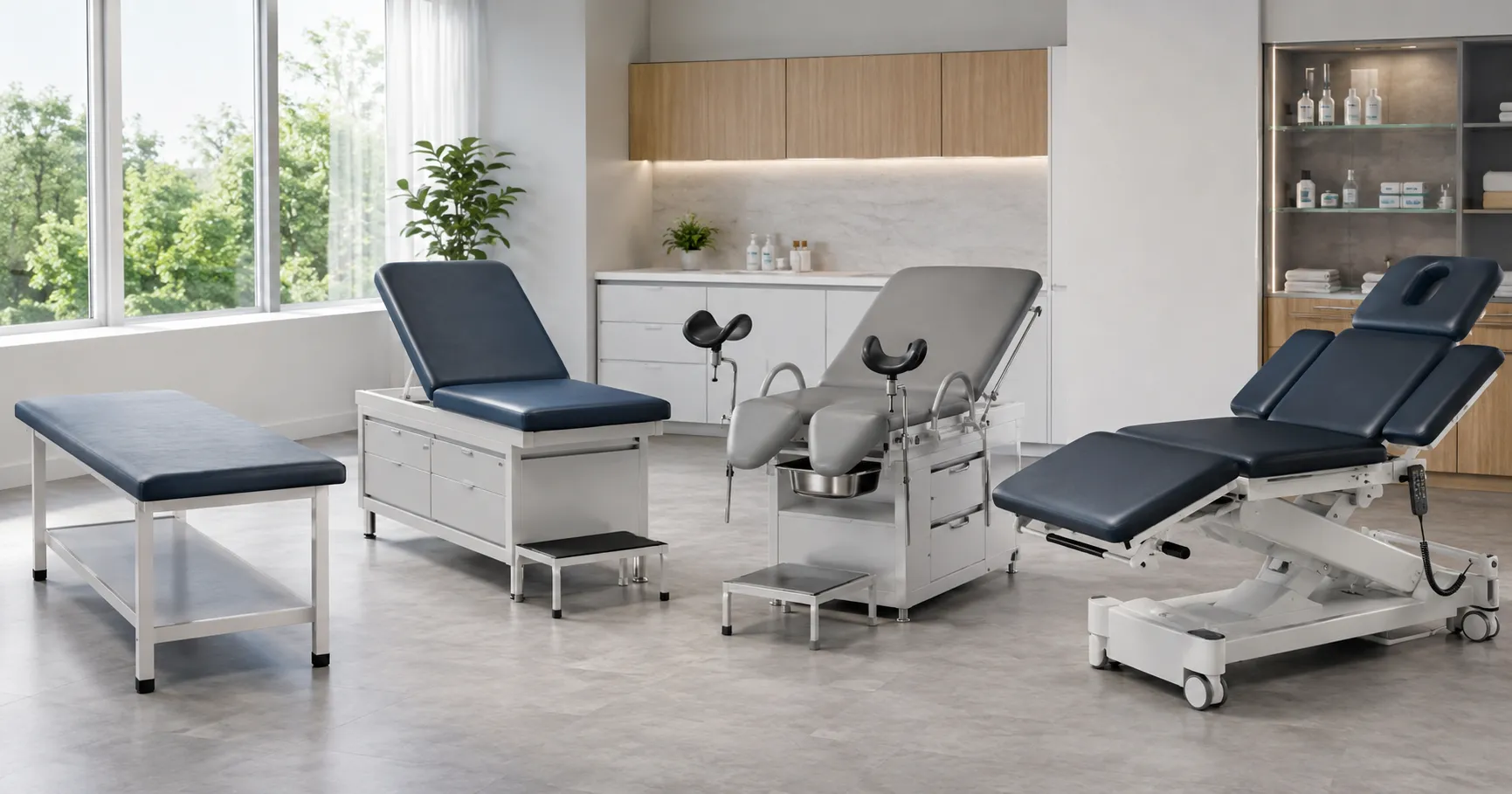
Support Across Multiple Care Disciplines — General practice, dermatology, obstetrics, orthopaedics, rehabilitation medicine, and outpatient surgery each require different examination table configurations. One aspect that surprises first-time buyers is how rapidly speciality requirements emerge after installation, particularly within expanding healthcare networks.
Staff Ergonomics and Workplace Safety — Clinician fatigue and musculoskeletal strain remain important operational concerns globally. Adjustable systems minimise repeated bending and awkward patient transfers. Experienced clinical supply managers typically evaluate ergonomic performance alongside traditional procurement metrics because workforce wellbeing directly affects service continuity.
Medical examination tables, therefore, serve broader functions than patient assessment alone. They support safer workflows, more efficient room utilisation, and consistent clinical experiences across healthcare environments ranging from district hospitals to remote community facilities.
Where Different Examination Table Types Deliver Operational Value
Large tertiary hospitals often maintain multiple categories of examination tables within the same organisation. Emergency departments require rapid-access models, while specialist clinics prioritise advanced adjustability and patient positioning capabilities.
Teaching Hospitals and Academic Medical Centres — High patient turnover demands robust equipment with durable actuators and simplified cleaning procedures. Examination rooms frequently support training activities involving multiple clinicians, making workspace flexibility especially valuable.
Community Health Centres and Primary Care Clinics — Compact footprints and multifunctional capabilities become more important in smaller facilities. Tables with integrated storage and manual backup systems often provide practical advantages where maintenance resources are limited.
Facilities that source equipment through verified global medical equipment business suppliers generally benefit from documented conformity records, validated service arrangements, and support that aligns with destination-country requirements.
Women's Health Anandaternity Services — Obstetric and gynaecological consultations frequently require specialised table configurations that incorporate stirrups, adjustable sections, and enhanced patient-dignity features. Requirements differ considerably across healthcare systems, but accessibility remains a common priority.
Mobile Healthcare and Outreach Programmes — Portable or folding examination tables support vaccination campaigns, humanitarian missions, and rural healthcare delivery. Weight, transportability, and rapid setup become decisive factors under these conditions. Facilities that have deployed such systems at scale tend to report that durability during transportation matters as much as clinical functionality.
Across both public and private healthcare systems, deployment decisions depend upon patient demographics, staffing structures, and anticipated service expansion rather than product trends alone.
Technical Characteristics That Influence Long-Term Purchasing Decisions
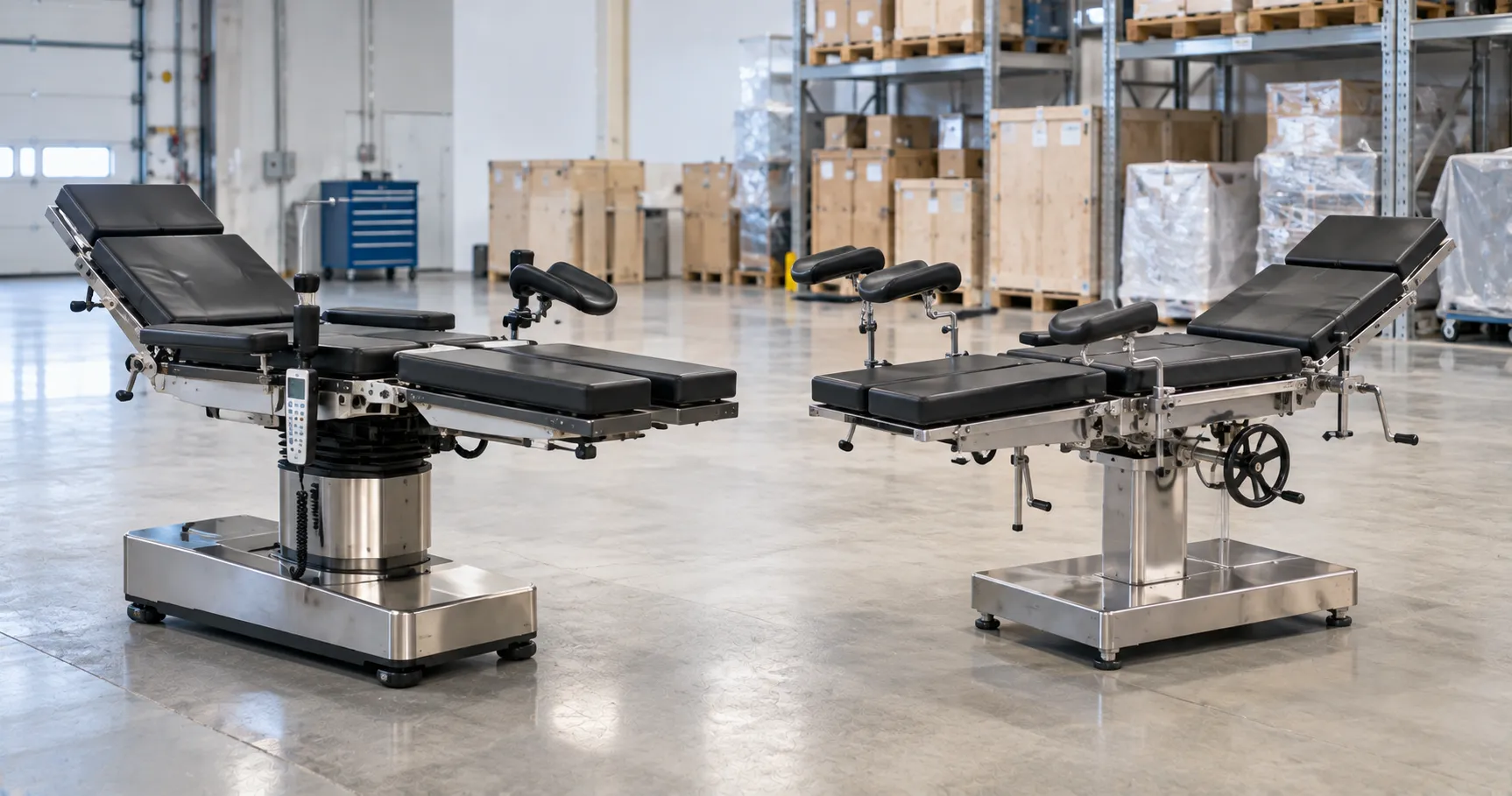
Manual, Hydraulic, and Electric Adjustment Systems — Manual tables provide cost efficiency and mechanical simplicity, making them attractive in lower-intensity settings. Hydraulic systems introduce smoother adjustments without full electrical dependence. Electric models deliver superior ergonomics but require infrastructure support and maintenance planning. The adjustment mechanism affects staffing efficiency, not merely convenience.
Weight Capacity and Bariatric Readiness — Standard examination tables may not adequately serve all patient populations. Healthcare providers increasingly evaluate higher weight capacities to accommodate broader demographic requirements. Operational resilience improves when procurement decisions anticipate future demand rather than current averages.
Surface Materials And Infection Prevention — Upholstery quality, seam construction, and frame materials influence cleaning effectiveness and service life. Antimicrobial coatings and fluid-resistant surfaces simplify infection control protocols. Experienced buyers recognise that inexpensive materials often generate higher replacement costs over time.
Accessory Compatibility And Modular Design — Integrated paper roll holders, side rails, drawers, stirrups, and diagnostic attachments expand functionality without increasing room footprints. Procurement teams frequently prefer modular platforms because evolving service lines can be supported through accessory upgrades rather than complete equipment replacement.
Power Requirements and Backup Considerations — Electric examination tables introduce operational advantages but also require contingency planning. Facilities in regions with variable infrastructure sometimes prioritise manual override systems to maintain clinical continuity during power interruptions. This specification has direct implications for patient flow and operational reliability.
Technical evaluations should therefore connect equipment specifications with practical clinical outcomes. The most appropriate examination table is rarely the one with the longest feature list; it is the one that aligns with patient needs, staffing realities, maintenance capacity, and long-term institutional objectives.
Selecting Medical Examination Tables for Sustainable Procurement Outcomes
Lifecycle Cost Assessment — Purchase price represents only one component of ownership expenditure. Maintenance support, upholstery replacement, actuator servicing, spare-part availability, and staff training requirements influence long-term value. In practice, procurement teams often find that mid-range examination tables with dependable support networks outperform lower-cost alternatives over their operational lifespan.
Vendor Evaluation Beyond Product Catalogues — Reliable suppliers provide conformity documentation, preventive maintenance guidance, and transparent warranty terms. Healthcare organisations should evaluate service responsiveness and international logistics capabilities alongside technical specifications. Requirements differ considerably across healthcare systems, making local regulatory alignment essential during vendor selection.
Distributors, suppliers, and manufacturers in the business advertise to global healthcare buyers increasingly report that hospitals request independently validated durability data before approving equipment for large-scale procurement programmes.
Compatibility With Existing Clinical Infrastructure — Examination tables should integrate with room layouts, patient transfer equipment, digital documentation workflows, and infection prevention protocols. One aspect that surprises first-time buyers is how seemingly minor dimensions can affect room circulation and emergency access. Procurement planning t, therefore, benefits from site-specific assessments before orders are finalised.
Training, Warranty, and International Service Support — Staff familiarity with adjustment systems influences both patient safety and equipment longevity. Buyers operating across multiple countries frequently prioritise suppliers offering multilingual documentation, remote technical assistance, and regionally coordinated maintenance services.
Healthcare networks managing procurement across several facilities often strengthen operational resilience through formal international supply chain business partnerships that deliver consistent servicing arrangements, standardised product specifications, and clearer accountability throughout the equipment lifecycle.
Maintaining Examination Tables to Extend Operational Service Life
Preventive Inspection Schedules — Routine checks should cover moving mechanisms, upholstery integrity, fasteners, electrical components, and hydraulic systems where applicable. Preventive maintenance reduces unplanned downtime and supports safer patient interactions. Facilities that have deployed examination tables at scale tend to report fewer disruptions when inspections follow documented schedules rather than when repairs are made. are reactive
Cleaning Protocols and Surface Preservation — Infection prevention procedures influence equipment longevity. Harsh chemicals may degrade upholstery and coatings if manufacturer guidance is ignored. Procurement teams should verify compatibility between cleaning agents and surface materials before standardising facility-wide protocols.
Spare Parts Availability Anandegional Support — In markets with limited local servicing capacity, replacement parts can significantly affect total ownership costs. One practical lesson from international healthcare operations is that procurement decisions should consider component availability years beyond installation. Lower acquisition costs can be quickly offset by extended downtime if the support infrastructure is weak.
Compliance and Calibration Considerations — While examination tables generally require less calibration than diagnostic devices, electrically powered models may still need inspections under applicable local regulatory standards or standards such as CE, FDA, or their regional equivalents. Documentation practices should align with institutional governance policies and national requirements.
International Demand Patterns and Sourcing Strategies for Examination Tables
Growth Across Outpatient and Community Care Networks — Healthcare systems worldwide continue expanding ambulatory and community-based services. This shift increases demand for flexible examination tables that support multiple clinical disciplines within limited spaces. Compact, multifunctional units are particularly attractive in rapidly developing healthcare markets.
New Equipment Versus Refurbished Alternatives — Budget-tier facilities sometimes evaluate refurbished examination tables to manage capital expenditure. New systems typically provide stronger warranty coverage and longer service horizons, while refurbished options may suit temporary programmes or lower-intensity environments. Buyers should carefully verify refurbishment standards and documentation before making procurement decisions
Export Documentation and Cross-Border Logistics — International sourcing requires attention to product certifications, customs documentation, shipping protection, and installation support. Experienced clinical supply managers typically evaluate lead times and spare-parts strategies at the same stage as technical specifications. Delays in post-delivery support can create operational challenges that exceed initial procurement savings.
Regional Procurement Behaviour — Large teaching hospitals often prioritise electric systems with advanced ergonomic functions, whereas district hospitals and community clinics may favour durable manual or hydraulic alternatives. Across both public and private healthcare systems, purchasing priorities reflect staffing structures, maintenance capacity, and anticipated patient demand rather than universal preferences.
Final Thoughts
Medical examination tables remain fundamental assets within modern healthcare environments, yet their value extends far beyond providing a surface for patient assessment. The right table supports clinician ergonomics, improves accessibility, streamlines infection prevention measures, and adapts to evolving service requirements across multiple care settings.
Procurement decisions should balance technical functionality with long-term operational realities. Adjustment mechanisms, maintenance infrastructure, regulatory considerations, patient demographics, and supplier support all influence ownership outcomes. Experienced healthcare organisations typically view examination tables as infrastructure investments rather than simple furniture purchases.
Disclaimer
Medigear.uk is a global medical equipment supplier, exporter, and distributor. The content published on this site is intended for educational and product awareness purposes only. Nothing on this page constitutes medical advice, clinical guidance, or treatment recommendations. All healthcare procurement and clinical decisions should be made by qualified medical professionals and compliant procurement teams operating within the regulatory frameworks of their respective countries.