What is the infection that can take a fit adult from mild fever to intensive care? In seventy-two hours. Pneumonia. Not a cold in the chest. Not bronchitis. Fluid buildup. Air sacs fill with fluid, pus, and debris. Oxygen cannot cross into the blood. The lungs stop working. Patient becomes hypoxic. The body compensates. Faster breathing. Higher heart rate. Rising temperature. Then decompensates. Equipment takes over.
She was sixty-seven. Active. No history. Chill and productive cough. GP that afternoon. Chest X-ray the next morning. Bilateral lower lobe fluid buildup. CRP twelve hundred. Saturation eighty-eight on air. Admitted. High-flow oxygen. IV antibiotics within the hour. Deteriorated overnight. Work of breathing increased. Accessory muscles are straining. Saturation falling despite oxygen. Escalated to the HDU. NIV started. Four days later — room air. Discharged on day nine. Equipment at every stage — pulse oximeter, HFNC, NIV machine, infusion pump, chest X-ray — did not cure her pneumonia. Antibiotics and her immune system did. Equipment kept her alive. Long enough for both to work.
This guide covers what pneumonia is and what hospital equipment treats it with the honest detail that clinicians, trainees, and procurement teams need. Medigear supplies certified hospital and acute care equipment to NHS trusts, private hospitals, and acute care units across the UK. Hospitals sourcing certified pneumonia treatment equipment can explore the Medigear buyers portal for pricing, availability, and procurement built for acute care purchasing.
What Is Pneumonia
Pneumonia is an infection of the lung parenchyma. Where gas exchange occurs. Bacteria, viruses, or fungi invade the alveoli. Immune response floods the air sacs. Fluid buildup. A fluid-filled lung cannot ventilate. Hypoxia follows. Community-acquired pneumonia — CAP — outside hospital. Hospital-acquired — HAP — after forty-eight hours in the hospital. Aspiration pneumonia — inhaled contents. Mouth or stomach. Ventilator-linked — VAP. In patients on a ventilator. Causative organisms and antibiotics differ between types. Supportive equipment is broadly the same.
Pulse Oximetry
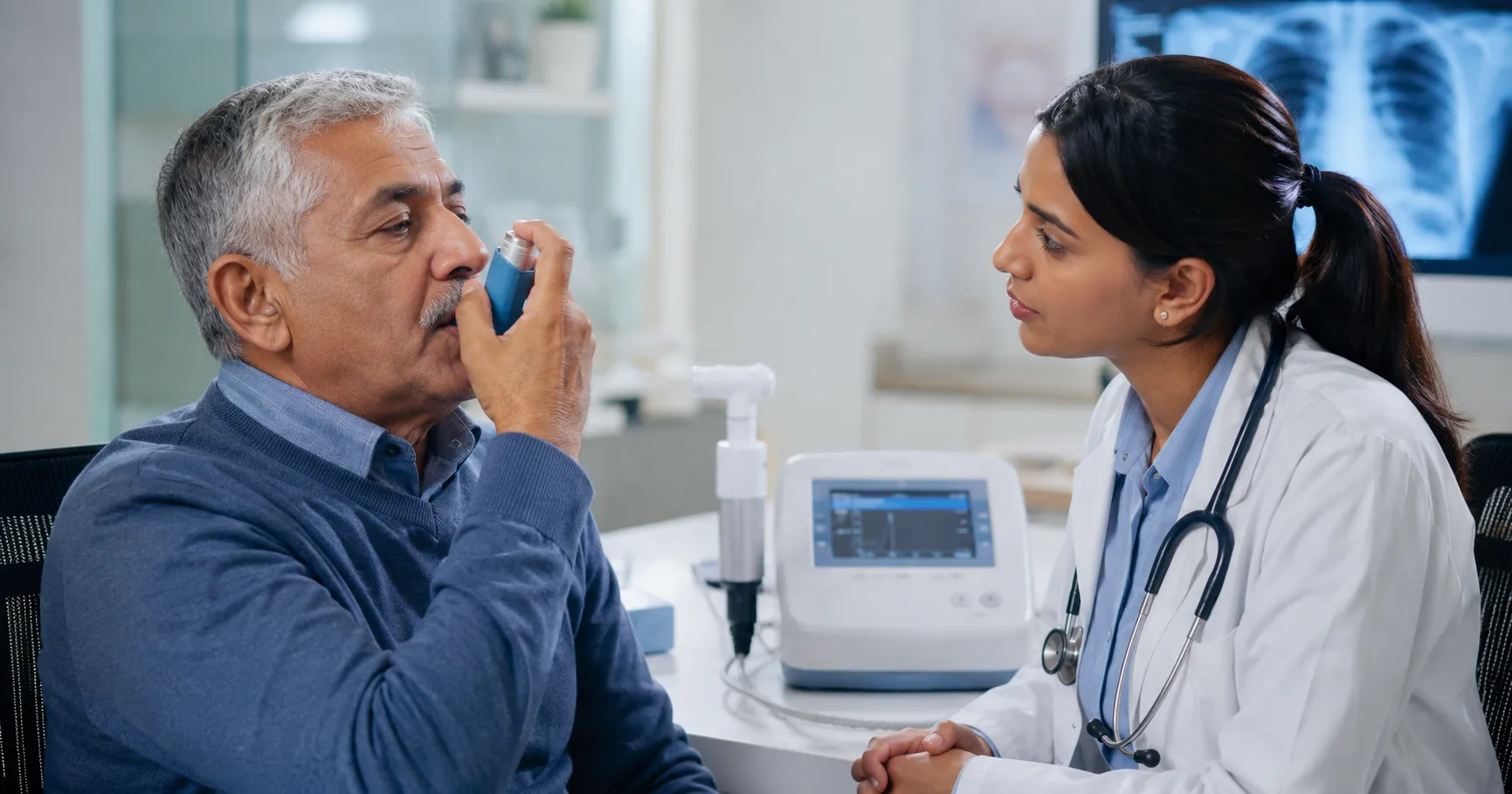
Pulse oximeters are the first monitoring devices to respond to pneumonia. SpO2 drops as fluid buildup worsens. Breathlessness. Rising breathing rate. The pulse oximeter confirms it. SpO2 ninety-four or below with cough and fever. Immediate assessment. Below eighty-eight — add oxygen. Below ninety on high-flow with rising rate — escalate now. The pulse oximeter does not treat pneumonia. It tells the team when to intervene. And how urgently. Hospital monitoring equipment manufacturers wanting to list pulse oximeters, infusion pumps, and breathing support devices where acute units are searching can reach buyers through the Medigear advertising platform.
Oxygen Therapy
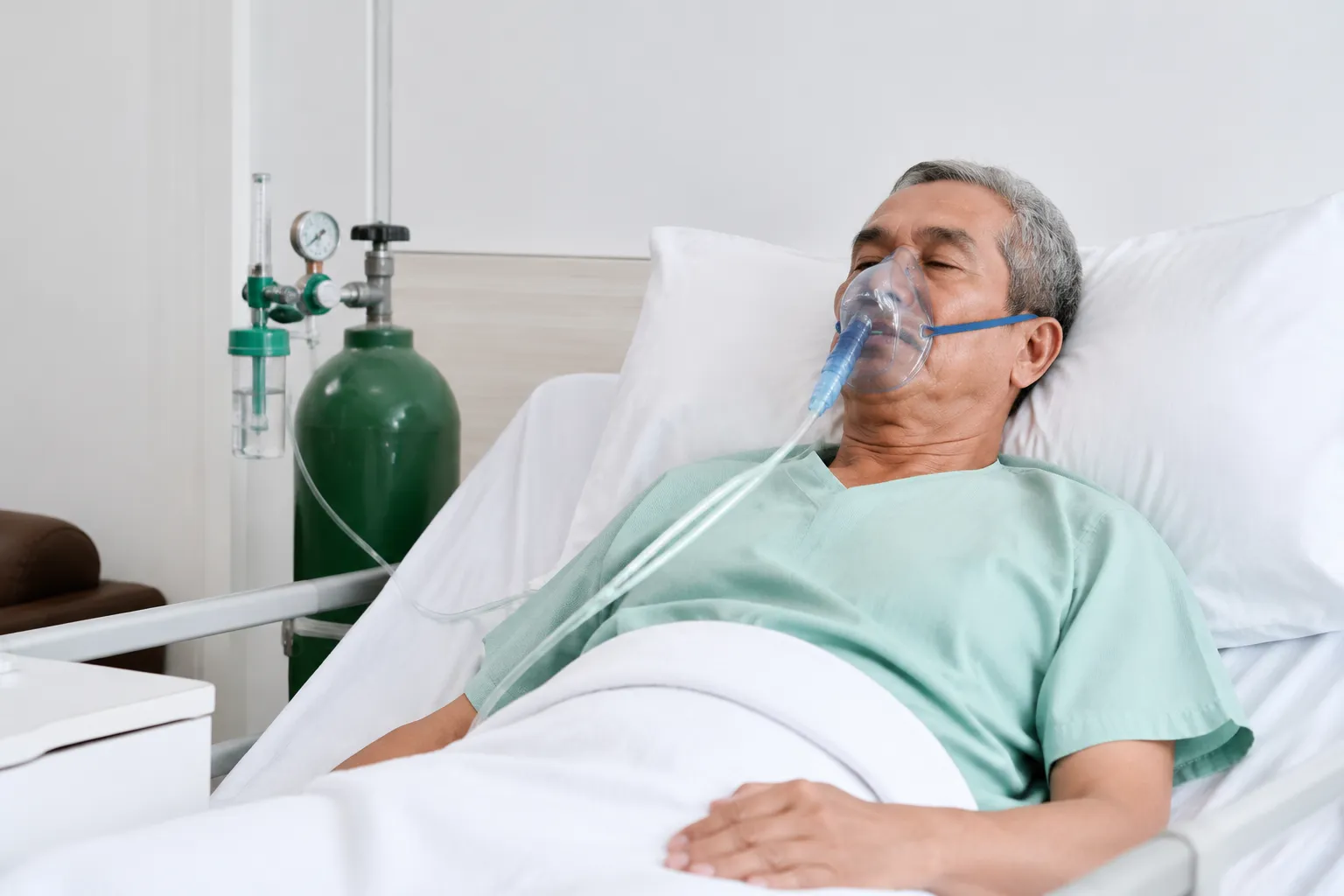
Oxygen is the first treatment. Controlled — twenty-four or twenty-eight percent via Venturi mask in patients at risk of hypercapnia. High-flow — up to sixty per cent via a non-rebreather mask. In hypoxic patients without that risk. HFNC — heated humidified oxygen. Up to sixty litres per minute. Used when standard masks are not meeting the target SpO2. HFNC warms and humidifies. Reduces work of breathing. Delivers a consistent oxygen fraction that simple masks cannot. Better tolerated than a tight-fitting mask. For prolonged use. For many severely ill patients previously intubated, HFNC provides a bridge. Without the risks of the breathing machine. Reach out to our team for guidance on oxygen delivery equipment and monitoring for your acute or high-dependency unit.
NIV
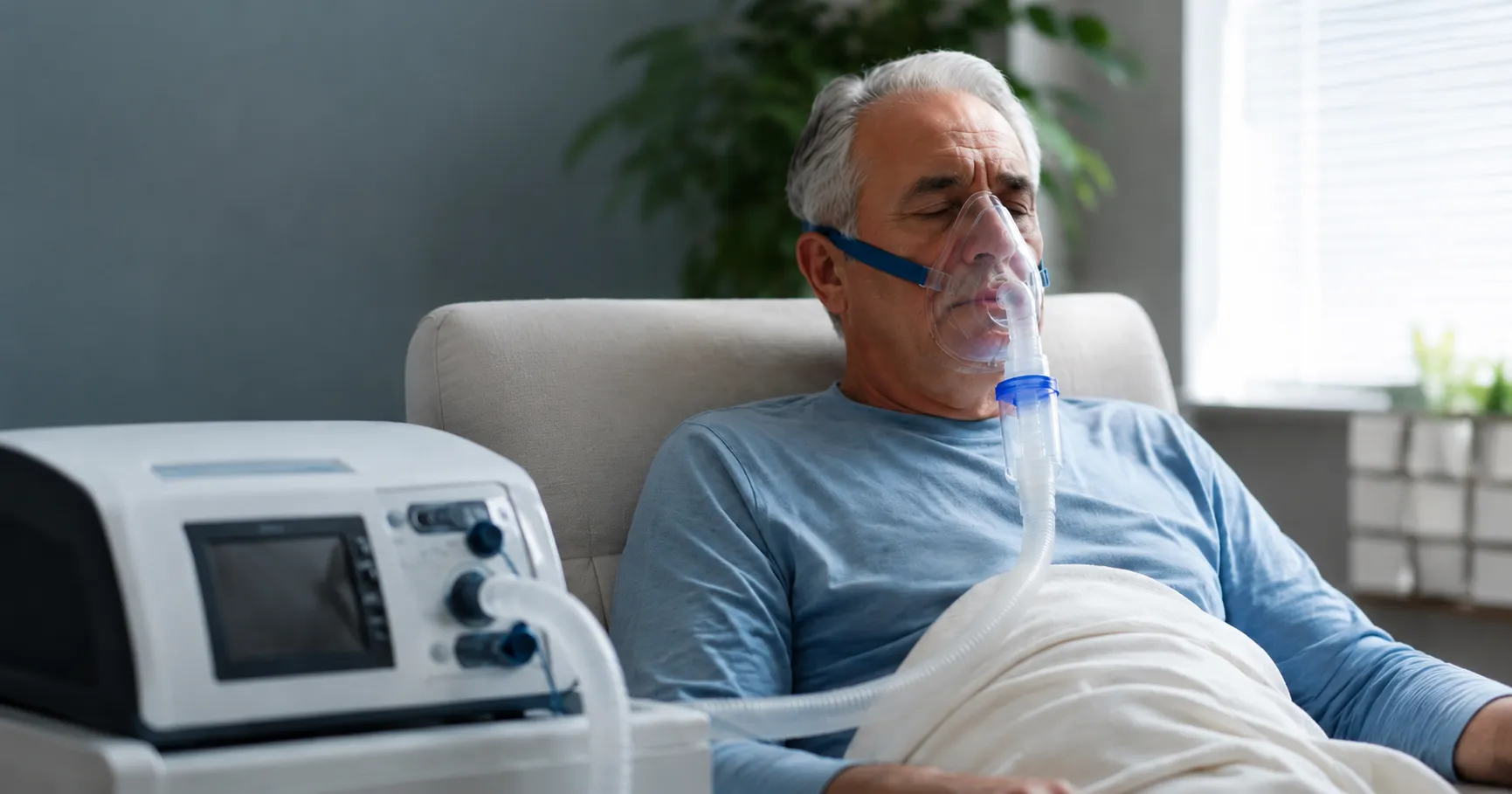
NIV delivers pressurised air through a tight-fitting face or nasal mask. CPAP maintains constant positive pressure throughout the breathing cycle. Recruits collapsed alveoli. Improves oxygen levels in the blood. BiPAP delivers higher pressure on breath in and lower on breath out. Reduces the work of breathing. Used when oxygen alone is not enough. Especially in COPD. Hypercapnia and hypoxia are managed together. NIV avoids the tube for many. Responds within one to two hours — improves. Does not respond — points to the tube.
Chest X-Ray
Chest X-rays confirm and characterise pneumonia. Fluid buildup pattern — lobar, bronchopneumonia, bilateral. Guides clinical assessment. Serial X-rays track response. Find complications. Empyema. Lung abscess. Pleural effusion. Portable X-ray brings imaging to the bedside. Patient too unwell to travel. Chest X-ray at the bedside. Result in minutes. Our guide to diabetes and medical devices covers monitoring device use in managing acute deterioration — the same serial monitoring principle applies when daily or twice-daily chest X-rays track the progress of bilateral pneumonia through the first week of treatment.
Infusion Pumps
Infusion pumps deliver IV antibiotics, fluids, and vasopressors with precision. The drug given every six hours arrives at exactly six hours. Not when the ward is quiet. Not when the drip is checked. Correct rate. Correct plasma level. The drug works. Volumetric pumps. Syringe drivers. Smart pumps with drug library safety checks. Septic patient on vasopressors. Smart pump limits noradrenaline rate. Prevents the accidental bolus. Prevents cardiac arrest. Our guide to myasthenia gravis covers precise infusion management in neuromuscular conditions — the same infusion pump accuracy that protects the myasthenic patient from medication timing errors protects the septic pneumonia patient from antibiotic gaps and vasopressor errors.
Suction Equipment
Suction equipment clears secretions from the airway. Reduced conscious level. On the ventilator. Post-operative. Cannot clear fluid from the lung. All need assisted airway clearance. Portable suction at the bedside. Wall suction in the bay. Left in the airway — worsens oxygen mismatch. Increases infection. Delays recovery. Cleared — gives the drug time to work.
Mechanical Ventilation
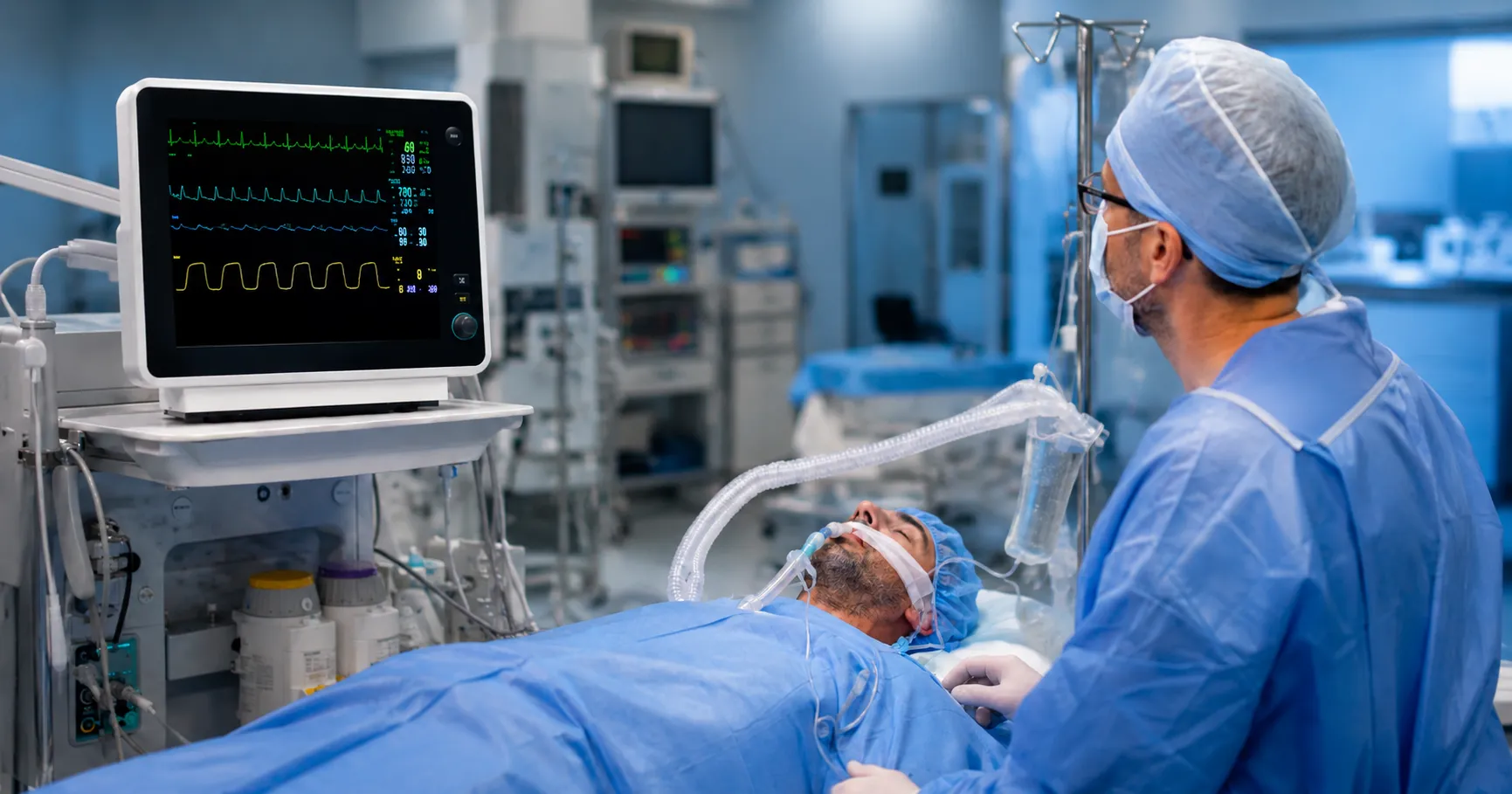
Mechanical ventilators are the most intensive form of breathing support. Used when all other options have failed or are unlikely to succeed. Cannot maintain oxygen levels despite NIV and high-flow — intubated. Connected to the ventilator. The ventilator controls every breath. Volume. Pressure. Rate. Oxygen. In severe pneumonia progressing to ARDS, prone positioning. While on the ventilator. Improves oxygen levels. Recruits the lung areas in the back position, which lets them collapse. Prone positioning equipment — beds, turning frames — makes this practice possible at scale. Suppliers of pulse oximeters, HFNC systems, NIV machines, infusion pumps, and portable suction units can register through the Medigear supplier portal to connect with NHS trusts and private hospitals building or upgrading their acute breathing care capability.
HFNC Escalation
Can your acute medical unit mobilise HFNC within thirty minutes of a pneumonia patient meeting the criteria? Breathing rate above thirty. SpO2 below ninety-two on standard oxygen. Rising work of breathing. There is a thirty-minute window between deterioration and escalation. Outcomes diverge. HFNC at the bedside. Team trained. Act in that window. Companies seeking long-term collaboration on breathing equipment supply, maintenance, and acute care programmes can explore the Medigear partnership programme for ongoing opportunities beyond a single order.
CURB-65 Scoring
Can your team score CURB-65 at the point of admission for every patient with pneumonia? Confusion. Urea above seven. Breathing rate above thirty. Low blood pressure. Age sixty-five or over. One point each. Score zero or one — safe to treat at home. Score two — consider the hospital. Score three or above — hospital. Score four or five — consider ICU. CURB-65 done in two minutes. Changes the admission decision. Change the bed. Changes the monitoring from the start.
Pleural Effusion
What does your team do when the chest X-ray shows a pleural effusion? Assess the size. Small — monitor. Large enough to cause breathlessness — drain it. The effusion compresses the lung. Reduces the surface area for gas exchange. Drainage — needle or chest drain. Restores the surface. Large effusion and falling saturation — drain it. Not observe it.
Overnight Monitoring
Does your ward have a structured handover for the pneumonia patient at risk of overnight decline? Handed over — current SpO2, breathing rate, oxygen flow, last blood pressure, trend over the last four hours. Not just a diagnosis. The trend tells the night team. Improving. Stable. Or heading for the HDU. Without the trend — single data point. With it, they have a story.
Overnight Surveillance
How does your team monitor the patient with pneumonia overnight? When ratios are lowest. When decline is most likely missed. Continuous oximetry. Early warning scoring. Clear escalation pathway. The patient who deteriorates between midnight and four in the morning is at highest risk if monitoring is absent.
Suction Placement
Does your ward stock portable suction at every bed bay — or only in the resuscitation trolley? Suction needed now. Not when the trolley is found. Not when the charge nurse finds the key. Portable suction at every bay prevents the delay that turns partial obstruction into complete obstruction.
NIV Readiness
Can your HDU team apply NIV within one hour of the decision? The hour between decision and application determines whether NIV succeeds. Delays happen. Equipment not at the bedside. Mask fitting takes time. Nurse unfamiliar with the settings. Drilled teams apply NIV in minutes. Equipment ready. Mask fitting practiced. Settings prepared before the patient arrives.
IV Route
What does your team do for the patient with pneumonia who cannot take oral medications? IV drugs from the outset. Infusion pump for exact delivery. Reassess every twenty-four hours. Step down to oral when safe. Cannot swallow reliably — antibiotic absorbed unreliably. Unreliable absorption is as dangerous as the wrong drug.
Why Choose Medigear
Medigear supplies certified pulse oximeters, HFNC systems, NIV machines, infusion pumps, portable suction units, and monitoring equipment to NHS trusts, private hospitals, and acute care units across the UK. Whether you are equipping a new acute unit, upgrading NIV capability, or building a sepsis and pneumonia pathway, our team matches the right hospital equipment to the clinical need and the patient it protects. Reach out to our team for guidance built around the lung that cannot breathe alone — and the equipment that breathes with it.
Conclusion
What is the infection that takes a fit adult to intensive care in seventy-two hours? Pneumonia. She was sixty-seven. Saturation eighty-eight on air. IV antibiotics. High-flow oxygen. NIV four days in. Room air on day four. Discharged on day nine. The equipment kept her alive. Long enough for the antibiotics and her immune system to do their job. Pulse oximeter for the first sign. Oxygen for the first treatment. HFNC when standard masks fail. NIV when oxygen alone is not enough. Infusion pump for exact delivery. Suction to clear the airway. Ventilator when all else has failed. CURB-65 on admission. Serial X-rays. Drain the effusion. Thirty-minute escalation window. Overnight monitoring. IV route when oral is not reliable. NIV within the hour of the decision. Portable suction at every bay. Medigear stands alongside acute teams with certified equipment for every stage of pneumonia treatment. Speak to our team today — because the lung that cannot breathe alone deserves the equipment that breathes with it.
⚠️ This post is for general information only. We do not sell medications or provide prescriptions — Medigear.uk is a medical equipment supplier only.