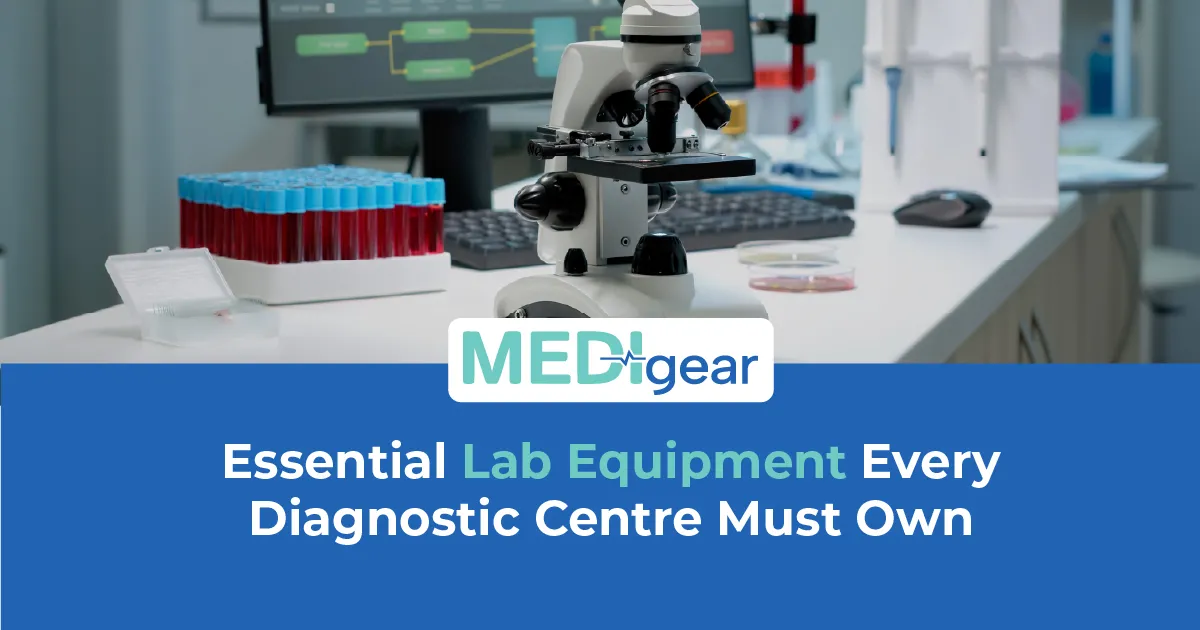
Essential Lab Equipment Every Diagnostic Centre Must Own
What does a diagnostic centre need before it sees its first patient? Not the sign. Not the chairs. The lab equipment behind the wall. Machines that turn blood into a diagnosis. Urine into a plan. Tissue into an answer. Without the right lab equipment, a diagnostic centre is a building with a desk. With it, clinical questions get answered.
She opened a centre in a town, sending samples to a hospital forty miles away. Three-day results. Patients waiting. GPs guessing. She bought a haematology analyser, a biochemistry analyser, a centrifuge, a microscope, and a collection station. Smart lab equipment for a town that needed answers. Day one. Full blood count in ninety seconds. Liver function in four minutes. Urine microscopy while the patient waited. The GP down the road sent twelve patients that week. By month three, the centre was processing two hundred samples a day. Not because the town got sicker. Because the lab equipment turned a three-day wait into a same-day answer.
This guide covers the essential lab equipment every diagnostic centre must own with the honest detail that lab managers, pathology leads, and centre owners need. Medigear supplies certified lab equipment to diagnostic centres across the UK, and every point here comes from real diagnostic demand, not showroom demos.
Haematology Analyser
A haematology analyser is the first machine most diagnostic centres buy. Full blood count in under two minutes from one tube. White cells. Red cells. Haemoglobin. Platelets. Differentials. Each one guides calls on infection, anaemia, bleeding, and malignancy. Three-part suits a basic centre. Five parts give the details that haematology referrals need. Fifty samples a day needs a different machine from five hundred. Match the machine to the volume. Not the brochure. Diagnostic centres ready to source can explore the Medigear buyers portal. Pricing. Availability. Procurement support built for clinical buying.
Biochemistry Analyser
A biochemistry analyser processes the chemistry panel. Liver. Kidney. Glucose. Electrolytes. Lipids. Thyroid. Cardiac markers. Serum or plasma into numbers. Numbers that drive treatment. Every speciality. Random access runs different tests on different samples. No batching. That matters when every patient needs a different panel. Reagent shelf life. Calibration frequency. Cost per test. Three running costs the sticker hides.
Centrifuge
A centrifuge separates blood into its components before the analysers can process it. Serum for biochemistry. Plasma for coagulation. Spin quality sets result quality. Speed. Rotor. Tubes. Get them right. The result follows. A good centrifuge produces a clean blood specimen. A bad one makes a pink reject. The analyser flags it. The patient repeats. For centres building clinical capability, our guide to the best nebulisers covers the respiratory devices diagnostic centres stock alongside lab equipment in emergency and respiratory kits.
Microscope
A microscope is the diagnostic tool that no analyser can fully replace. Blood film morphology. Urine sediment. Malaria parasites. TB smears. Cytology. A pathologist under a quality microscope sees what no machine can match. Judgement at cell level. Plan achromatic lenses. LED light. Smooth stage. Koehler alignment. The minimum for diagnostic work. Lab equipment makers wanting to list products where centres are searching can reach clinics through the Medigear advertising platform. Direct access to the buyers looking for these machines.
Coagulation Analyser
A coagulation analyser measures how quickly blood clots. PT. INR. APTT. Fibrinogen. D-dimer. These guide clotting therapy. Surgical readiness. Bleeding risk. For centres serving warfarin patients or pre-op clinics, a coagulation analyser is lab equipment that earns from day one.
Immunoassay
Immunoassay analysers run the tests that basic biochemistry cannot. Hormones. Tumour markers. Troponin. Drug levels. Serology. Fertility. All need an immunoassay. Only basic chemistry? The centre loses the referrals that hormone and marker testing would bring. Adding an immunoassay expands both the menu and the patient base. One spends. Two returns.
Sample Collection
Sample collection stations are the front end of every diagnostic lab. Chairs. Tourniquets. Needles. Tubes. Labels. Sharps. These set the standard for experience and quality. A poorly drawn sample yields a poor result. No matter how good the machines behind the wall. Invest in the collection station. The diagnostic chain starts here. Questions on sourcing or matching equipment to your centre? Reach out to our team. Guidance starts with what your clinic actually needs.
Monitoring Alongside Lab Work
For centres managing lab equipment alongside broader clinical capability, our guide to setting up patient monitoring on a budget covers the pulse oximeters and vital signs tools that some diagnostic centres offer as add-on services. A centre pairing lab results with bedside monitoring becomes the one-stop referral GPs prefer.
Refrigeration
Refrigerators and freezers store reagents, calibrators, controls, and patient samples at temperatures the manufacturer specifies. A fridge above eight degrees. Reagents degrade. The analyser uses them. Results go wrong. Temp logging. Alarmed fridges. Backup power. These protect the chemicals that protect the results. Suppliers of analysers, centrifuges, and consumables can register through the Medigear supplier portal. Get matched with centres requesting the lab equipment you make or ship.
Water Purification
Water systems supply the deionised water that the deionised water analysers need. Reagent prep. Rinsing. Calibration. Tap water carries minerals that interfere with assays. A lab-grade system matched to the demand stops the errors, bad water slips into every test.
Waste Management
Waste systems handle sharps, chemical waste, and biohazard material from daily lab work. Sharps bins. Chemical containers. Autoclave bags. Waste contracts. These keep the centre compliant. Machines that process samples produce waste. Managing both is not optional.
Laboratory Information System
A laboratory information system captures every result. Links it to the patient. Sends it to the clinician. Stores it for audit. Manual entry is slow. Error-prone. Impossible to scale. A LIS connected to the analysers automates sample to report. For hundreds of tests daily, a LIS is not a luxury. It turns lab equipment from machines into a service.
Quality Control
Quality control runs alongside every batch of patient results. Internal QC with known values confirms every machine is performing within spec. External QA compares results against other labs running the same tests. A centre without QC is a centre whose results cannot be trusted. The machines produce numbers. QC proves they are right.
Certification
Certification matters. CE marking. IVD compliance. UKAS readiness. CQC registration. These shape legal reporting. And whether clinicians trust the results. Machines without IVD cert cannot report clinical results in the UK. Buy certified lab equipment. Report with confidence. Audit without fear.
Urgent vs Routine
Can your diagnostic centre run urgent samples and routine samples on the same analyser without one blocking the other? A centre that batches all work and reports once a day loses the urgent referrals that same-hour results would capture. Random access on every analyser and a workflow that flags urgent tubes for immediate processing turn lab equipment into a service that GPs trust with the cases that cannot wait.
Backup
Does your centre have backup lab equipment for the day the primary analyser fails? A haematology analyser that goes down at 9am halts all blood counts until the engineer arrives. One backup unit or a service-level agreement that guarantees same-day repair keeps the centre running when the machine that runs it does not. The cost of a spare is nothing against a day without results. Companies seeking long-term ties on supply and service can explore the Medigear partnership programme. Beyond a single sale. Into shared growth.
Training
Staff training on every piece of lab equipment must cover operation, maintenance, troubleshooting, and quality control before the first patient sample is processed. Wrong calibration. Wrong reagent. Results that look right but are not. Training is the cheapest lab investment. Bad results from untrained hands are the most expensive.
Cost Per Result
How do you compare lab equipment costs across suppliers? Not by sticker price. By cost per reportable result. Add the purchase, reagents, controls, calibrators, maintenance, water, waste, and power. Divide by results over the expected lifespan. The cheapest lab equipment on the invoice may be the most expensive on the bench.
Turnaround Time
Turnaround time is what referrers judge a diagnostic centre by. Not the analyser brand. Not the lab layout. How fast the result reaches the clinician. Lab equipment that processes samples quickly but reports slowly loses the advantage the machine created. Sample in. Report out. Every step timed, tracked, and trimmed. Two-hour report wins the referral. Two-day report loses it.
Point-of-Care Testing
Point-of-care testing adds lab equipment capability to settings outside the main lab. A glucose meter in reception. A CRP analyser in the consulting room. An HbA1c device on the desk. Instant results for the patient in the chair. Not every test fits. But the ones that do cut waiting, reduce follow-ups, and give the clinician a number before the patient leaves.
Space Planning
Space planning decides where every piece of lab equipment sits and how efficiently staff move between them. A sample arrives at the door. It moves to the centrifuge. Then the analyser. Then the microscope. Then the report. Path crosses? Doubles back? Every sample takes longer. Design around the workflow. Not the other way round.
Why Choose Medigear
Medigear supplies certified lab equipment to diagnostic centres, hospitals, and pathology labs across the UK. Analysers. Centrifuges. Microscopes. Clinical accessories. Opening a new centre. Upgrading old machines. Expanding the test menu. Our team matches the right lab equipment to the need and the budget. Speak to our team today for guidance built around the samples your centre processes and the results your clinicians trust.
Conclusion
What does a diagnostic centre need before it sees its first patient? The lab equipment behind the wall. The haematology analyser that counts in ninety seconds. The biochemistry analyser that reads in four minutes. The centrifuge that spins clean. The microscope that shows what no machine can match. She opened a centre in a town that waited three days for results. Within three months, two hundred samples a day — because the lab equipment turned waiting into answering. Whether you are a centre buying, a supplier registering, a manufacturer listing, or a company partnering, Medigear connects every side of the diagnostic chain. Speak to our team today — because the samples your centre processes deserve equipment that turns every tube into a result clinicians can trust.
⚠️ This post is for general information only. We do not sell medications or provide prescriptions — Medigear.uk is a medical equipment supplier only.