What is the difference between a number that is right and a number that is wrong by ten? That difference decides whether a patient gets treated for high blood pressure or sent home reassured. Every blood pressure monitor produces a number. Systolic over diastolic. Two figures that drive decisions about medication, risk, and follow-up. But not every blood pressure monitor gives an accurate reading. Cuff too small? Reading too high. Device not validated? Consistently wrong. Rushed technique? Misses the true value. Choosing the right blood pressure monitor protects the patient. Using it correctly matters just as much.
He was forty-four. Routine health check at work. Blood pressure: 162 over 98 on a wrist monitor at the office. Alarmed. Booked a GP appointment. GP used a checked upper-arm monitor. Correct cuff size. Five minutes of rest. Arm supported at heart level. One thirty-eight over eighty-six. Repeated — one thirty-four over eighty-four. Still raised. Nowhere near the wrist reading. Ambulatory monitoring over twenty-four hours — true average one thirty-six over eighty-five. Borderline. Not severe. The wrist monitor at work nearly sent him into a panic and unnecessary medication. The validated upper-arm monitor gave the number that actually mattered.
This guide covers the types of blood pressure monitors and how to choose one. Honest detail. The kind patients, clinics, and procurement teams need. Medigear supplies certified blood pressure monitors to hospitals, GP surgeries, and clinics across the UK. Every point here comes from real clinical demand. Clinics sourcing certified blood pressure monitors can explore the Medigear buyers portal for pricing, availability, and procurement built for monitoring purchasing.
Manual Devices
Manual cuff-and-stethoscope devices remain the gold standard. Mercury or aneroid. Used correctly by a trained operator. On a blood pressure monitor, a cuff inflates. The clinician deflates it slowly. Listens for the Korotkoff sounds that mark systolic and diastolic pressure. Mercury devices are largely phased out for safety reasons. Aneroid devices remain common. They drift out of calibration over time. They need regular checks against a reference standard. A manual device is only as accurate as the person using it. Skilled hands on a blood pressure monitor produce excellent readings. Rushed technique on the same device produces unreliable readings instead. Blood pressure monitor manufacturers wanting to list automated, manual, and ambulatory devices where clinics and patients are searching can reach buyers through the Medigear advertising platform.
Automated Upper-Arm
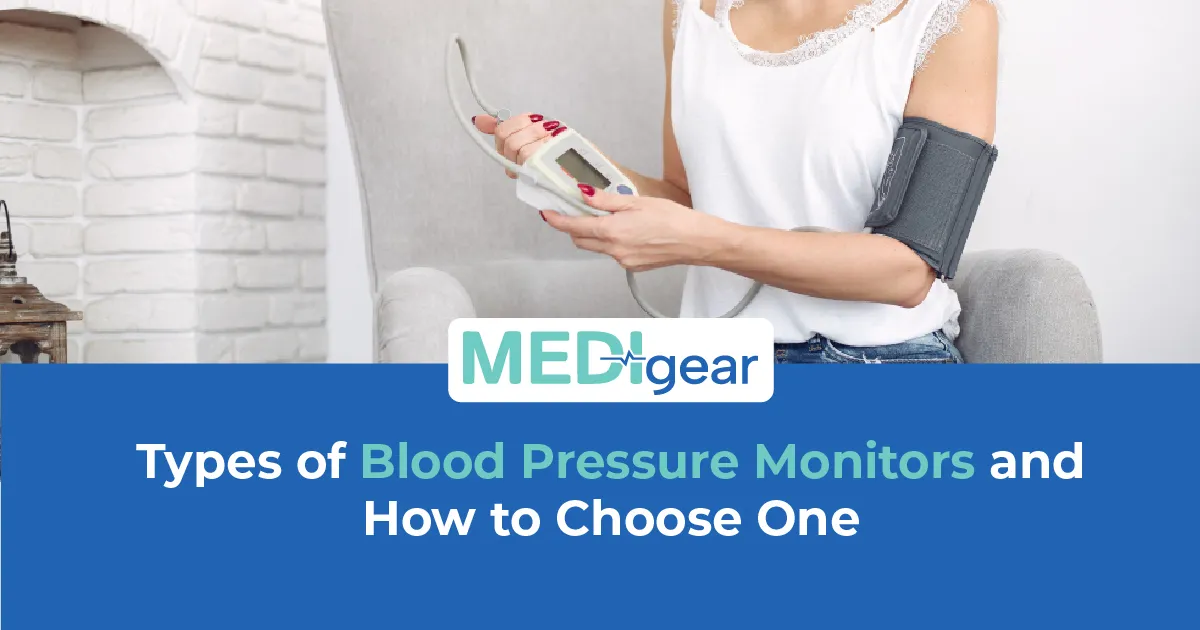
The automated upper-arm blood pressure monitor is the most widely used type in clinics and at home. Cuff inflates automatically. The device measures pressure changes as the cuff deflates. Calculates systolic, diastolic, and pulse. No stethoscope needed for this blood pressure monitor type. No listening skill required. A checked blood pressure monitor is accurate and reliable when the cuff size is correct and the monitor is properly positioned. Recommended for most home monitoring and many clinical settings — provided the model has been independently checked.
Wrist Monitors
A wrist blood pressure monitor measures pressure at the wrist rather than the upper arm. Smaller. More portable. Easier to apply. Useful for patients with very large arms where the standard cuff does not fit. But wrist monitors are highly sensitive to positioning. Held exactly at heart level. A few centimetres off — significantly inaccurate. Most guidelines do not recommend the wrist blood pressure monitor for routine diagnosis. The positioning error is too easy to make and too easy to miss. Reach out to our team for guidance on matching blood pressure monitor type to your clinical setting and patient population.
Finger Monitors
A finger blood pressure monitor measures pressure at the fingertip. The least accurate type available. Not recommended for clinical or diagnostic use under any circumstances. The fingertip artery is small and superficial. Highly susceptible to error from positioning, temperature, and movement. Marketed as convenient. Not clinically reliable. Never recommend for treatment decisions.
ABPM
Ambulatory tracking — ABPM — records pressure every fifteen to thirty minutes over twenty-four hours. The patient goes about their normal daily life throughout. A small box worn on a belt. Connected to an upper-arm cuff. ABPM is the reference standard. It captures the true average across waking and sleeping hours. It avoids the white coat effect — pressure rising in the clinic from anxiety alone. It avoids masked cases too — clinic reading normal, pressure raised everywhere else. Our guide to Creutzfeldt-Jakob disease covers continuous monitoring over a single snapshot. The same principle drives ABPM over one clinic reading.
HBPM
Home checks — HBPM — ask the patient to measure their own pressure twice daily over a week. Using a checked automated upper-arm device. Readings averaged. First day discarded. Recommended alongside or instead of ABPM for diagnosis and monitoring. A week of home readings gives the clinician more data than a single clinic reading ever could. Our guide to essential eye screening devices covers catching disease before symptoms appear. The same principle applies when home checks catch what a single annual visit misses.
Validation
Validation matters more than any other feature. A blood pressure monitor must be checked against an established protocol. The British and Irish Hypertension Society maintains a list. An unchecked monitor may be consistently wrong by a significant margin. No way to know without independent testing. Always check the status before buying or recommending any blood pressure monitor.
Cuff Size
Cuff size is the most common source of error with any blood pressure monitor, no matter the type chosen. A cuff too small gives a falsely high reading. A cuff too large gives a falsely low reading. Most checked devices come with a standard cuff. Larger sizes are available. Smaller sizes, too. Measure arm circumference. Select the correct cuff. Never assume the standard size fits everyone. Suppliers of approved automated, ambulatory, and manual blood pressure monitors can register through the Medigear supplier portal to connect with hospitals, GP surgeries, and clinics building their diagnostic pathways.
Cuff Confirmation
Can your clinic provide every patient with the correct cuff size based on a measured arm? Not a visual guess. Standard cuff fits most adults. Not everyone. A large arm in a standard cuff may produce a false high blood pressure diagnosis. Companies seeking long-term collaboration on blood pressure monitor supply, servicing, and patient programmes can explore the Medigear partnership programme for ongoing opportunities.
Technique
Does your team know the correct technique for blood pressure measurement? Five minutes of seated rest. Arm supported at heart level. Feet flat on the floor. No talking. No recent caffeine or exercise. A few millimetres of error change clinical decisions. Validated device, poor technique — still inaccurate. Together, the blood pressure monitor and the technique produce a reliable reading. Neither alone is enough.
Measure Don't Guess
Does your clinic measure arm circumference for every new patient before applying a cuff — or estimate by eye? Estimation by eye is wrong often enough to matter. A tape measure takes thirty seconds. Selecting the right cuff from a measured arm removes one major source of error. Before the first reading is even taken.
Bladder Size
Can your team check that the cuff bladder length and width meet British Hypertension Society guidance for the patient's arm size? Bladder too small? Reading runs high. Bladder too large? Reading runs low. The number on the package — small, standard, or large — must match the measured arm size. Not the patient's clothing size or visual impression.
Why Validation Costs More
Can your team explain why the checked upper-arm monitor for home use costs more than the wrist or finger device on the shelf? Testing costs money. Manufacturers who invest in it make more reliable devices. The patient who buys the cheaper, unchecked device may manage their condition with numbers that are simply wrong. They will never know unless they check against a tested one.
Confirm Before Treating
Does your practice provide ABPM or HBPM as standard before confirming a diagnosis of raised blood pressure? Not from a single clinic reading. NICE guidance recommends checking outside the clinic before starting lifelong medication. One high clinic reading may reflect the white coat effect. Not the true condition. A patient started on medication from one reading may be treated for a condition they do not have.
Persistent Discrepancy
What does your clinic do when home readings consistently differ from clinic readings by a significant margin? Recalibrate. Review technique. Check validation. Confirm cuff size. A persistent gap is a signal. Something is wrong — the device, the technique, or the patient's real pattern. Investigate it. Do not average it away.
Validation List
Can your team show patients how to use the validation list themselves when shopping for a home device? The British and Irish Hypertension Society website lists checked monitors by name and model. A patient who checks before buying avoids the unchecked device sold on price alone. Five minutes online prevents months of wrong numbers.
Same Device Over Time
Does your clinic keep a record of which blood pressure monitor model is used for each patient over time? Switching between an unchecked home device and a checked clinic one mid-treatment makes the numbers impossible to compare properly. Same model. Same cuff. Same technique. Consistency across visits is what makes the trend meaningful — not just the single number on the day.
Equipment Checks
How does your team store and replace blood pressure monitor batteries and cuffs across a busy clinic? A flat battery mid-clinic delays every patient after it. A perished cuff that leaks air gives a wrong reading nobody notices until the numbers look strange. Battery level. Cuff integrity. Calibration date. Routine checks on the blood pressure monitor prevent the small failures that undermine it.
Why Choose Medigear
Medigear supplies certified manual cuff devices, automated upper-arm monitors, and ambulatory monitors. A full range of cuff sizes too. To hospitals, GP surgeries, and clinics across the UK. Whether equipping a clinic, replacing ageing devices, or building a home monitoring programme — our team matches the right device to the need and the patient. Reach out to our team for guidance built around the number that decides treatment — and the device that gets it right.
Conclusion
What is the difference between a number that is right and one that is wrong by ten? Everything. He was forty-four. Wrist monitor — one sixty-two over ninety-eight. Panic. GP used a checked upper-arm device. One thirty-eight over eighty-six. Validated correctly, the number that actually mattered. Manual devices remain the gold standard with skilled hands. Automated upper-arm is the most widely used. Wrist monitors are too sensitive to positioning. Finger monitors are never reliable enough for treatment decisions. ABPM is the reference standard. HBPM averages a week of home readings. Validation status matters more than any single feature. Cuff size is the most common source of error — measure, never guess. Device and technique together produce the reliable number. Medigear stands alongside clinics with certified manual, automated, and ambulatory blood pressure monitors and a full range of cuff sizes. Speak to our team today — because the number that decides treatment deserves the device that gets it right.
⚠️ This post is for general information only. We do not sell medications or provide prescriptions — Medigear.uk is a medical equipment supplier only.