A surgeon activates the electrosurgical pencil. A thin haze rises from the wound. Within seconds, the air turns cloudy. The nurse reaches for the smoke evacuator. She switches it on. The haze clears within moments. The surgeon regains a clear view. This scene plays out many times a day in theatres across the United Kingdom. Surgical smoke is a routine by-product of electrosurgery and laser tools. A smoke evacuator removes it quickly. Understanding why this device matters helps theatre managers, procurement teams, and distributors make informed choices. Buyers sourcing theatre gear through the Medigear.uk buyer portal can compare smoke evacuator options from a wide range of suppliers.
What Is a Smoke Evacuator
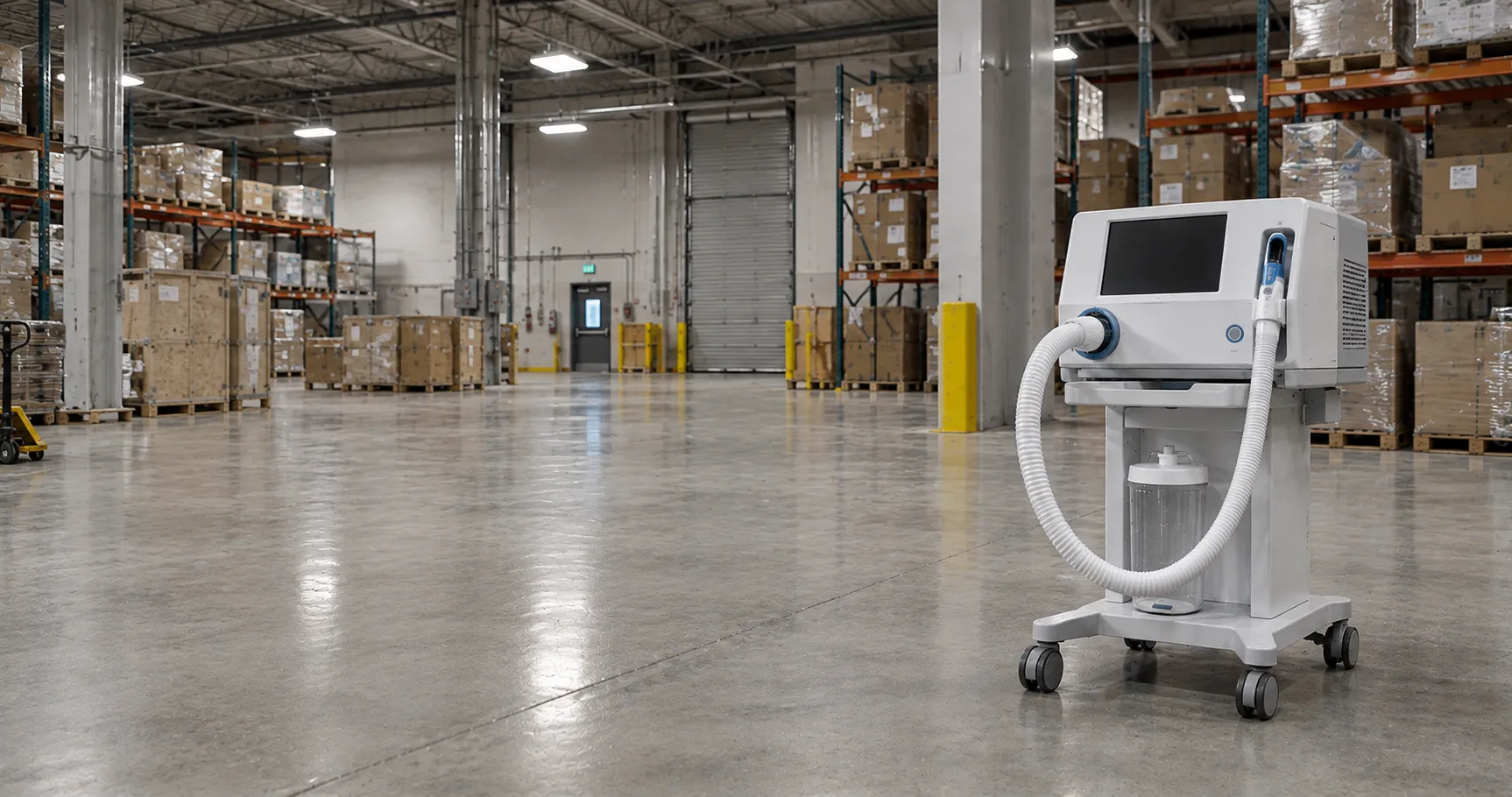
A smoke evacuator captures and filters surgical smoke at the source. It uses suction to draw smoke away from the site. The air passes through filters before release. These filters remove particles, gases, and odours. Most units serve as mobile floor units. Some sit on a cart near the table. A flexible hose connects the unit to a handheld wand. Some use an in-line fitting on the instrument itself. The nurse positions the capture point close to the smoke. The nurse adjusts suction strength to match the smoke volume. A smoke evacuator differs from standard ventilation. General ventilation moves large volumes of air. It does not target the source of smoke. A dedicated evacuator captures the plume before it spreads.
Why Does Surgical Smoke Matter
Surgical smoke is not simply steam. It holds a mix of chemicals, fine particles, and biological material. Studies have identified over 100 chemical compounds in surgical smoke. Some of these are known irritants. Under certain conditions, the plume can also carry cellular material. Breathing this smoke over time raises concern for theatre staff. Short-term exposure can cause headaches and eye irritation. It can also cause throat discomfort. Long-term exposure raises broader health questions that hospitals take seriously, particularly for staff with pre-existing respiratory sensitivities, as discussed in the Medigear.uk guide to asthma and COPD equipment. The plume also blocks the surgical view. Reduced visibility can slow a case. It can also increase the risk of error. A smoke evacuator tackles both issues at once. It protects staff from harmful particles. It also keeps the view clear throughout the case.
How Does the Filtration System Work
Filtration is the smoke evacuator's core job. Most units use a multi-stage filter design. The first stage catches larger particles and debris. A pre-filter extends the life of the finer filters. The main stage often uses a high-efficiency particulate air filter. This is known as a HEPA filter. This stage catches extremely small particles. Some go down to a fraction of a micron. Some systems also add a carbon layer. This layer absorbs odours and certain gases. Together, these stages keep the released air clean. Filter capacity varies between models. Higher-capacity filters handle longer cases without a mid-case change. Many units show a filter status light. This tells staff when a towap is out. Ignoring this alert cuts filtration power. As a result, more particles can pass through untreated
What Suction Strength Does a Smoke Evacuator Need
Suction strength must match the task. Open cases with heavy laser use need stronger suction. Laparoscopic cases need a different approach. Smoke builds up inside a closed cavity. Specialised laparoscopic systems filter gas as it leaves through a port. This avoids collapsing the working space. Many modern units offer adjustable settings. Staff can raise or lower airflow as needed. Noise level is another factor worth checking. Some older units run loudly. This can distract staff in a quiet theatre. Newer designs aim for quieter running. They do this without losing suction power. Buyers should check both suction range and noise rating. This data sits in the manufacturer's spec sheet. Checking it early helps avoid a poor fit later on.
What Accessories Work With a Smoke Evacuator
A range of accessories extends what a smoke evacuator can do. Handheld wands let staff hold the capture point close to the source. In-line fittings clip directly onto electrosurgical pencils. This keeps the capture point fixed at the tip. This way, no extra hands are needed. Tubing length varies to suit different theatre layouts. Some systems add a foot pedal for hands-free use. Sterile, single-use tubing kits reduce infection-control concerns between cases. Filter cartridges are sold as consumable items. They need regular swaps as the manufacturer advises. Mounting brackets let some units attach to existing towers. This saves standing the unit alone on the floor. It also frees up floor space in busy theatres. Teams should confirm accessory fit before any purchase. Suppliers listing smoke evacuator parts on Medigear.uk can reach theatre procurement leads across the NHS and private sector.
Which Procedures Rely Most on Smoke Evacuation
Any case using electrosurgery, laser, or ultrasonic tools makes some surgical smoke. Open general surgery with diathermy makes a steady haze through longer cases. Laparoscopic and robotic cases trap smoke inside a closed space. These need specialised in-line filtering. Dermatology cases using laser ablation make a thick plume in a small area. Gynaecology cases using loop excision also make notable smoke. ENT surgery using laser tools in tight airway spaces raises particular concern. Staff and patients sit close to the plume source. Each speciality has different needs depending on the procedure type and the energy source used. Hospitals running many laser or electrosurgical cases benefit from a dedicated unit in every relevant theatre. Sharing one mobile unit across several rooms slows workflow and increases the risk of coverage gaps.
Does Your Theatre Meet Current Smoke Evacuation Standards
Health guidance increasingly calls for smoke evacuation during any energy-based case with a visible plume. Some hospital trusts now require a smoke evacuator for all electrosurgical and laser cases. This applies regardless of hose length. Staff training matters as much as the equipment itself. Correct positioning of the capture point near the smoke source sharply improves evacuation efficiency. Distant placement performs far worse by comparison. Regular checks confirm filters stay within their rated capacity, much like departments schedule routine checks for other theatre monitoring tools, such as those covered in the Medigear.uk telemetry monitor guide. Facilities audits often find gaps between policy and daily use. Staff may skip setup for shorter cases to save time. Closing that gap protects staff over time. It also supports compliance with rising health expectations. Suppliers offering smoke evacuator systems through Medigear.uk gain direct access to hospital and distributor procurement teams evaluating these standards.
How Should a Smoke Evacuator Be Maintained
Routine care keeps a smoke evacuator working well. Filters need to be swapped on the schedule the maker sets. This is based on hours of use or the number of cases. Running a unit past its rated filter life cuts capture power. As a result, particles can return to the theatre air. Check tubing and hose links for cracks or loose fittings before each list. The suction motor also needs periodic servicing. This keeps airflow strength steady over the unit's working life. Cleaning outer surfaces between cases follows standard infection control steps. Staff should learn to spot weaker suction as an early warning sign. It often means a filter change or motor check is due. A service log for each unit tracks filter changes and motor work. It also tracks any faults staff report. This record supports audits and helps justify future equipment planning. Hospitals that contact the Medigear.uk team can discuss maintenance planning for their smoke evacuator fleet.
Choosing the Right Smoke Evacuator for Your Department
Choosing a smoke evacuator starts with the case mix. A department running mostly minor cases may need a compact, lower-capacity unit. A high-volume general surgery or laparoscopic centre needs a bigger system built for daily use. Portability matters for teams moving kits between multiple theatres. Fixed setups suit theatres with steady high case volumes and space to spare. Filter type and how often filters need swapping should also factor into the choice. This matters alongside the unit's upfront spec. Noise rating matters where clear talk supports patient safety during longer cases. Comparing several makers side by side helps teams avoid paying for features they rarely use. Medigear.uk distribution partners can help theatre teams assess their case mix. They can match it to a fitting smoke evacuator setup.
Why Choose Medigear.uk for Smoke Evacuator Equipment
Medigear.uk connects hospitals, clinics, and distributors with a broad supplier network for theatre safety kits. The platform covers smoke evacuator units, filtration parts, and the full range of consumables that support ongoing use. Procurement teams can compare specs from multiple makers without locking into one source. Distributors gain access to a curated supplier directory spanning the United Kingdom, Europe, and beyond. Every listing on Medigear.uk meets quality and compliance standards for the UK market. The platform serves NHS trusts, private hospital groups, and international buyers working across surgical specialities. Whether a department needs a full smoke evacuator system or a single replacement filter, the Medigear.uk marketplace simplifies the search. Contact the Medigear.uk team to discuss your theatre safety equipment needs and find the right supplier for your department.
Conclusion
A smoke evacuator is a small but essential part of modern theatre safety, capturing and filtering surgical smoke before it reaches staff or clouds the surgical field. From filtration design and suction strength to accessories and routine maintenance, understanding how a smoke evacuator works helps theatre managers and procurement teams choose equipment that fits their case mix and protects their staff over the long term. As occupational health expectations continue to develop, departments that invest in the right smoke evacuator setup are better placed to meet emerging standards. Contact Medigear.uk to explore smoke evacuator options suited to your theatre.
⚠️ This article is published by Medigear.uk for general informational purposes only. It does not constitute medical advice, occupational health guidance, or a product endorsement. Always consult qualified infection control specialists, clinical engineers, and manufacturer documentation when selecting, configuring, or maintaining smoke evacuator equipment. Medigear.uk is a medical equipment distributor and does not sell medicines or pharmaceuticals.