A Flutter That Would Not Settle
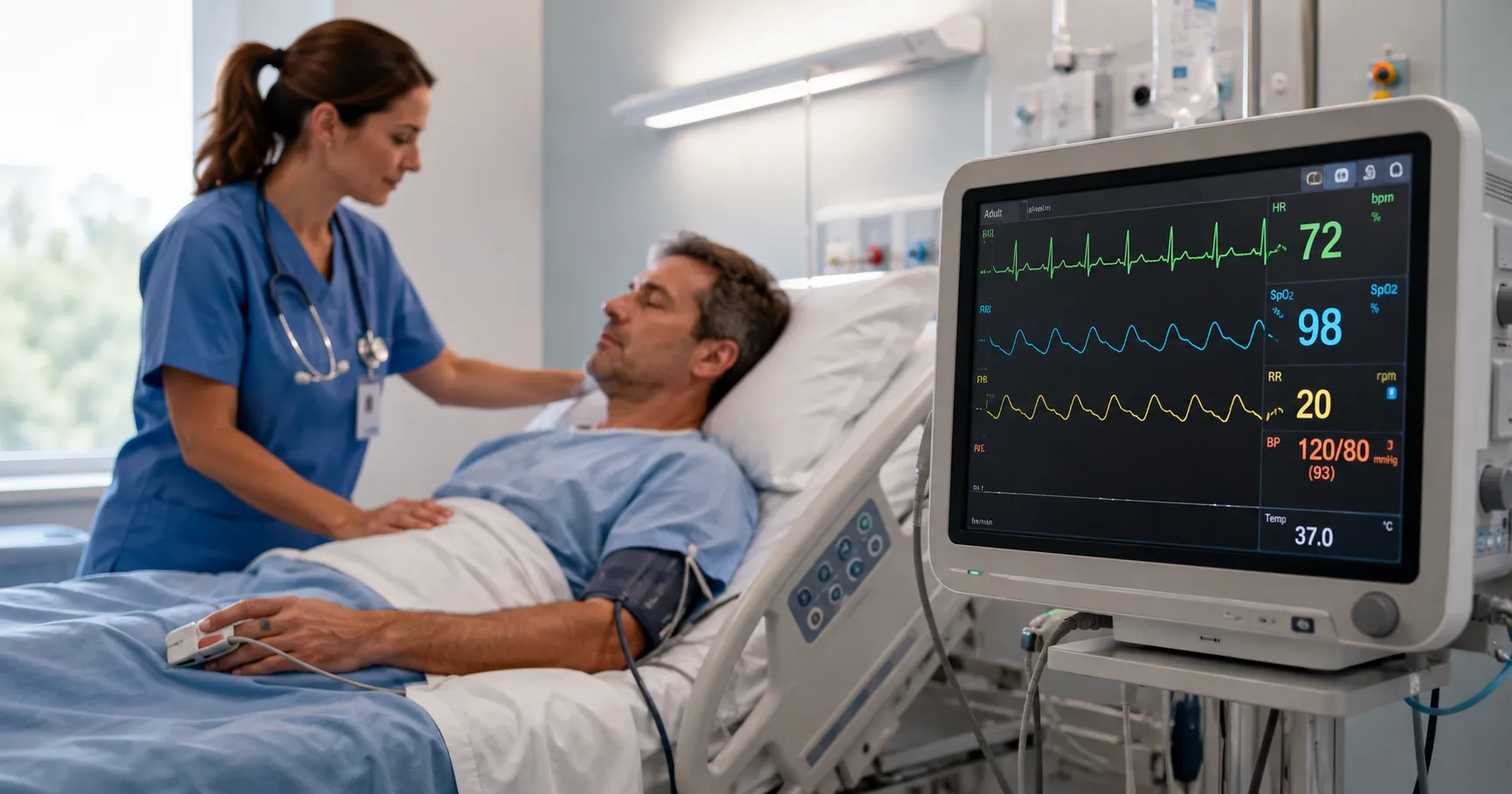
A fifty-two-year-old man feels a flutter in his chest. It lasts a few seconds. It happens again the next day. He mentions it to his doctor. The doctor listens with a stethoscope. The heartbeat sounds steady at that moment. But the flutter was real. To find out what caused it, the team turns to a heart monitor. This device tracks the heart's electrical rhythm over time. It plays a key role in confirming the presence of an arrhythmia. It also helps guide treatment. Hospitals, clinics, and specialist buyers rely on accurate heart monitor equipment every day. Teams sourcing this gear through the Medigear.uk buyer portal can compare heart monitor systems from a wide range of suppliers.
What Is an Arrhythmia
An arrhythmia is an irregular heartbeat. The heart may beat too fast. It may be too slow. It may beat with an uneven rhythm. Normal heartbeats follow a steady electrical pattern. This pattern starts in a small area of the heart called the sinus node. Signals then spread through the heart chambers in order. An arrhythmia happens when this pattern breaks down. Some types are harmless. Others raise a real health risk. Common types include atrial fibrillation, bradycardia, and tachycardia. Atrial fibrillation causes a fast, chaotic rhythm in the upper chambers. Bradycardia means the heart beats too slowly. Tachycardia means it beats too fast. Causes vary widely. Some link to heart disease. Others follow stress, caffeine, or certain medications. Some cases have no clear cause at all. A single odd beat does not always signal a problem. Doctors typically investigate further after repeated or lasting symptoms. Getting the diagnosis right shapes treatment choices. It also shapes long-term monitoring plans for the patient. Family history can play a role in some cases, and doctors often ask about relatives with similar symptoms. Age and lifestyle factors also contribute to the broader clinical picture that the team builds over time. Sleep quality and general fitness can also influence how often symptoms appear.
What Does a Heart Monitor Actually Do
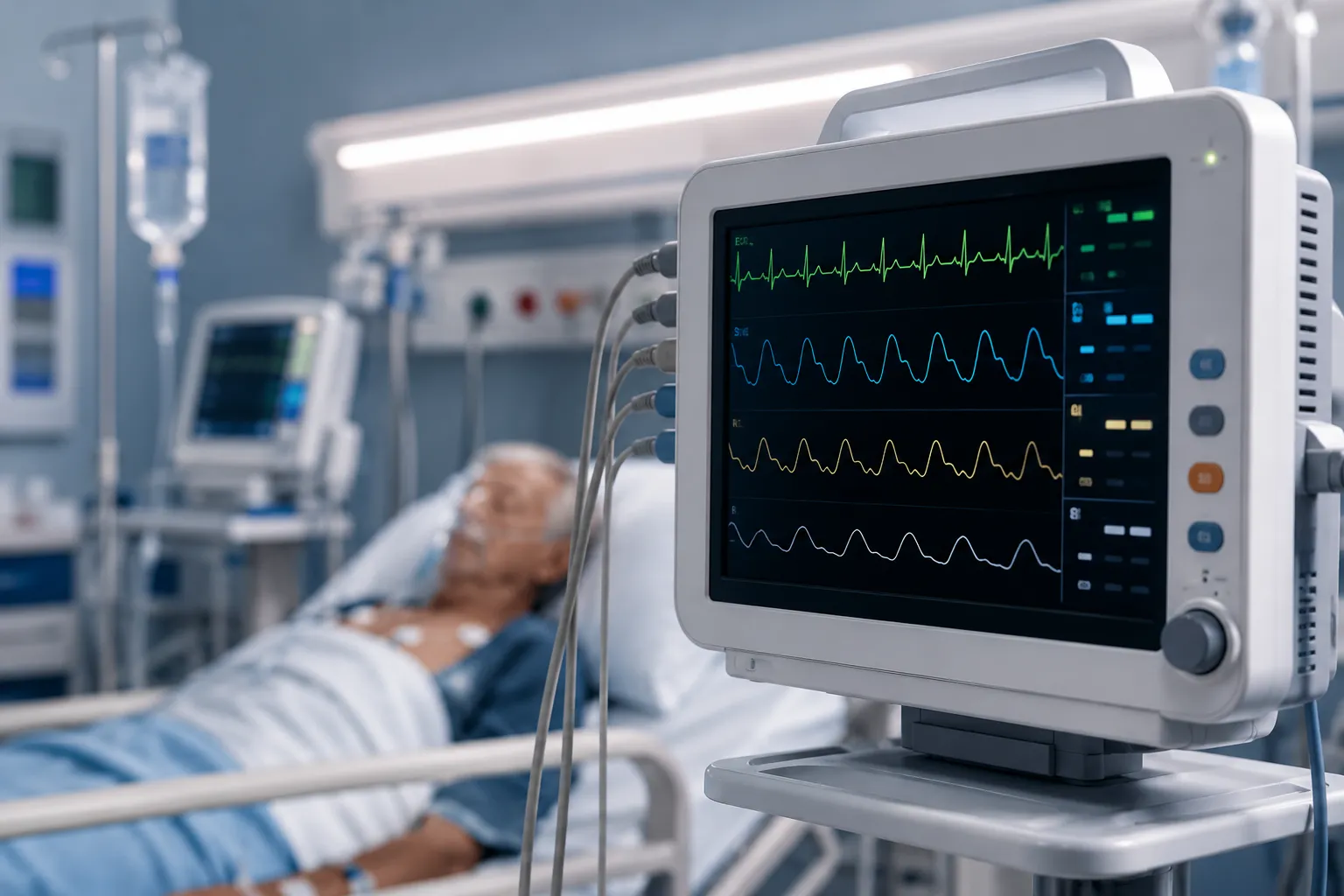
A heart monitor tracks the electrical activity of the heart. It uses small sticky pads called electrodes. These attach to the skin on the chest. Each electrode picks up tiny voltage changes as the heart beats. The monitor records these changes over time. It then displays them as a trace called an electrocardiogram, or ECG. A trained specialist reads the trace for patterns. A normal rhythm shows a steady, repeating pattern. An arrhythmia often shows a break in that pattern. Spikes may appear too close together. Gaps may appear too far apart. Spotting these changes helps confirm the type of arrhythmia present. A standard resting ECG uses between three and twelve electrodes. It captures a short snapshot of heart activity. Some heart monitor types record for much longer. Suppliers listing heart monitor systems on Medigear.uk can reach cardiology procurement leads across the NHS and the private sector.
How Is a Heart Monitor Test Carried Out
A resting ECG takes just a few minutes. The patient lies still on a bed. A technician attaches electrodes to the chest, arms, and legs. The machine prints or displays the trace right away. This test is painless. It causes no shock and carries no risk of harm. Patients can return to normal activity straight after a resting ECG, with no recovery time needed. Some patients need to move during the test. This is called a stress ECG. It records heart activity while the patient walks on a treadmill. This can reveal problems that only appear under exertion. Other patients need to wear a heart monitor for longer. A Holter monitor records continuously for one to two days. The patient carries a small recorder clipped to their clothing. Electrodes stay attached the whole time. This method catches events that a short test might miss.
Why Might a Patient Need a Longer Recording
Some arrhythmias happen rarely. A patient might feel symptoms only once a month. A short test at the clinic could easily miss the event. An event monitor solves this problem. The patient wears it for weeks. They press a button when symptoms occur. The device then saves a recording around that moment. Some models record continuously and save data automatically. Implantable loop recorders offer an even longer option. A small device sits just under the skin. It can record heart activity for up to three years. This suits patients with very infrequent but serious symptoms. The device is inserted under local anaesthetic during a short outpatient procedure, and most patients return home the same day. Clinical teams comparing monitoring needs against other neurological tools, such as those covered in the Medigear.uk telemetry monitor guide, will notice a shared idea. Continuous data capture often reveals what a single snapshot cannot. Longer monitoring periods raise the odds of catching a true arrhythmia on record.
What Do Different Arrhythmia Types Look Like on the Trace
Patterns vary by type. Atrial fibrillation shows an irregular, chaotic rhythm with no clear pattern between beats. Bradycardia shows long gaps between each heartbeat. Tachycardia shows beats packed closely together. Ventricular arrhythmias start in the heart's lower chambers. These can appear as wide, unusual-shaped spikes on the trace. Understanding these shapes helps doctors choose the right treatment. Some arrhythmias need medication only. Others may need a procedure or a fitted device. An accurate reading avoids guesswork. It also helps rule out other causes of chest symptoms, such as anxiety or muscle strain. Some non-cardiac events can feel like an arrhythmia to the patient. But they show no matching electrical change on the trace. Telling these apart from a true arrhythmia prevents unnecessary treatment. This protects patients from side effects tied to medication they may not need. It also reduces unnecessary follow-up appointments and repeat testing for the patient and the wider clinical team.
What Equipment Supports a Cardiology Department
A working cardiology department needs more than the main recording unit. ECG electrodes and leads come in reusable and disposable forms. Conductive gel keeps signal quality high during each test. Software platforms store, display, and analyse the resulting data. Many departments now use cloud-based storage. This helps them share recordings between hospital sites. Comfortable beds or reclining chairs help patients stay still during tests. Treadmills and exercise bikes are used for stress testing. Battery packs and recorders support Holter and event monitoring. Calibration tools keep readings accurate over time. Departments handling children often need smaller electrodes sized for young patients. Consistent equipment quality across sites also supports fair and timely access to testing. Departments that standardise their equipment across sites often find that staff training and troubleshooting become simpler. Departments managing chronic conditions, such as those outlined in the Medigear.uk guide to asthma and COPD equipment, often face similar equipment planning questions when balancing routine and specialist testing needs. Suppliers offering cardiology accessories through Medigear.uk gain direct access to hospital and distributor procurement teams across multiple regions.
Does Your Cardiology Team Have the Right Setup
Departments differ in scale and focus. A general hospital may only need routine ECG testing. A specialist cardiology centre may require full Holter and event monitoring services. Paediatric units need equipment and electrode sizes suited to children. Departments assessing patients for implantable devices need advanced recording software. Matching equipment to patient volume and case mix avoids both underinvestment and wasted capacity. A department without enough monitoring capacity faces long waiting lists. A department with unused advanced features ties up funds better spent elsewhere. The starting point is always a clinical needs review. This should weigh referral numbers, case mix, and staff training. Reviewing this regularly helps departments stay ahead of rising demand rather than reacting to it after waiting lists grow. Medigear.uk distribution partners can help cardiology teams assess their needs and source a fitting combination of devices.
How Should Heart Monitor Equipment Be Maintained
Regular upkeep keeps readings reliable. Electrodes wear down with repeated use. They need periodic replacement. Cables should be checked for fraying or loose links. Recording units require calibration checks at set intervals. Software needs updates to patch bugs and stay compatible with hospital systems. Cleaning steps must follow infection control rules, especially for shared equipment. Staff training should be refreshed often, since correct electrode placement affects reading accuracy directly. Poorly maintained equipment can produce artefacts. These are false signals caused by muscle movement, loose electrodes, or electrical interference rather than true heart activity. Skilled staff learn to tell artefacts apart from genuine arrhythmia patterns. Service deals with the maker or an accredited third party to cut the risk of unplanned downtime. A well-kept diagnostic service supports faster, more confident answers for every patient referred. Hospitals that contact the Medigear.uk team can discuss servicing options for their cardiology equipment.
Why Choose Medigear.uk for Heart Monitor and Cardiology Equipment
Medigear.uk connects hospitals, clinics, and distributors with a broad supplier network across cardiology and diagnostic devices. The platform covers heart monitor systems, electrodes, recorders, and the full range of accessories that support arrhythmia diagnostic work. Procurement teams can compare specs from multiple manufacturers without locking into a single source. Distributors gain access to a curated supplier directory spanning the United Kingdom, Europe, and beyond. Every listing on Medigear.uk meets quality and compliance standards relevant to the UK market. The platform serves NHS trusts, private hospital groups, and international buyers working in cardiology and arrhythmia care. Whether a department needs a full monitoring suite or a single replacement part, the Medigear.uk marketplace simplifies the search. Contact the Medigear.uk team to discuss your cardiology equipment needs and find the right supplier for your department.
Conclusion
An arrhythmia is an irregular heartbeat that can range from harmless to serious, and the heart monitor remains the central tool for confirming a diagnosis. From a quick resting ECG to extended Holter, event, or implantable loop recording, heart monitor technology helps clinical teams identify the type of arrhythmia present and guide the right treatment path. Reliable diagnosis depends on well-maintained equipment, correctly fitted electrodes, trained staff, and departments configured to match their patient caseload. Procurement teams and distributors who understand what a cardiology service needs are better placed to support timely, accurate arrhythmia care. Contact Medigear.uk to explore heart monitor and cardiology equipment options suited to your department.
⚠️ This article is published by Medigear.uk for general informational purposes only. It does not constitute medical advice, clinical guidance, or a product endorsement. Always consult qualified cardiologists, cardiac physiologists, and manufacturer documentation when selecting, configuring, or maintaining heart monitor equipment. Medigear.uk is a medical equipment distributor and does not sell medicines or pharmaceuticals.