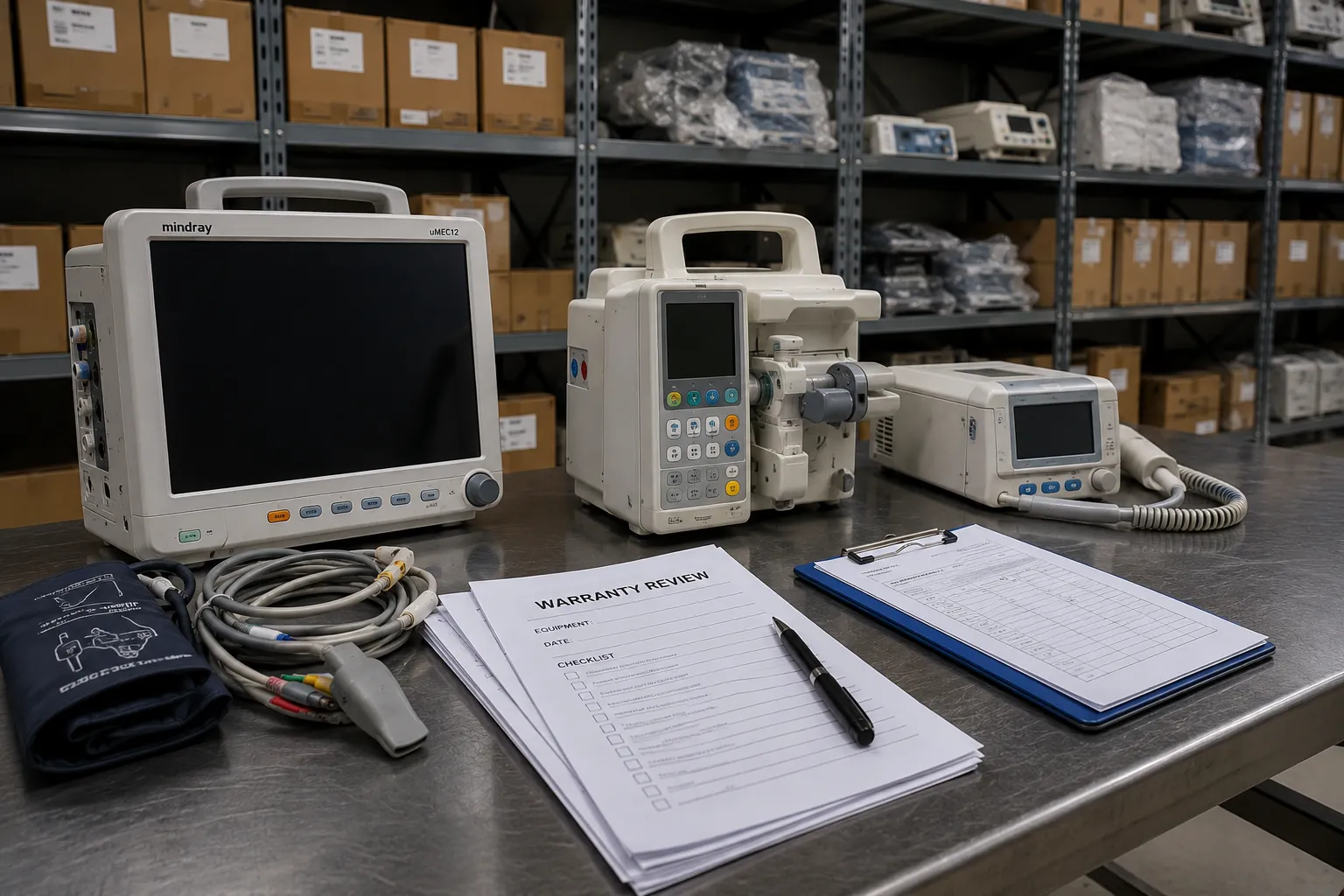
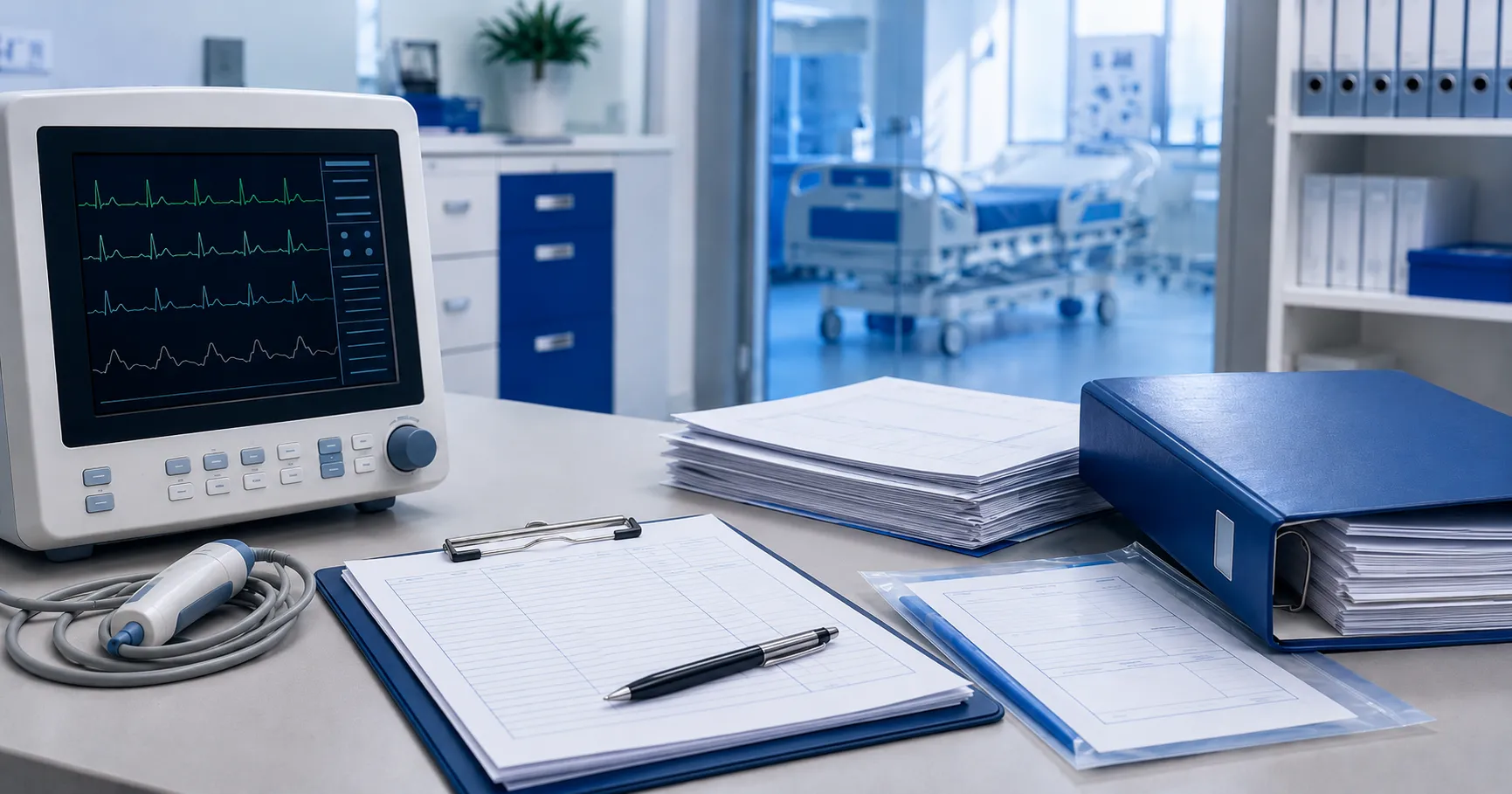
Medical equipment can only be managed properly when the information supporting it is complete, accurate, and accessible. Product specifications, user manuals, service records, test reports, warranty documents, installation instructions, and regulatory files all help healthcare organisations understand what an item is, how it should be used, and how it must be maintained.
Documentation is sometimes treated as an administrative task completed after the equipment has been selected. In practice, it should influence procurement from the beginning. Missing or inconsistent records can delay customs clearance, complicate installation, weaken maintenance planning, and make future servicing more difficult.
For hospitals, laboratories, clinics, distributors, and procurement teams, strong documentation supports safer purchasing decisions and more reliable equipment management throughout the complete product lifecycle.
Documentation Begins Before Purchase
The first documents reviewed during procurement usually describe what the equipment is expected to do.
These may include:
-
Product data sheets
-
Technical specifications
-
Equipment dimensions
-
Utility requirements
-
Intended-use information
-
Accessory lists
-
Installation requirements
-
Warranty terms
-
Maintenance recommendations
-
Relevant regulatory records
These files allow buyers to compare equipment using consistent information rather than relying only on promotional claims or sales discussions.
Confirming operational suitability – Technical documents help determine whether the equipment can support the required workload and healthcare environment.
Checking infrastructure compatibility – Dimensions, power needs, ventilation requirements, network connections, and other site conditions can be reviewed before the order is confirmed.
Preventing incomplete quotations – Accessory and configuration lists reduce the risk of receiving equipment without the components required for operation.
Healthcare organisations evaluating purchasing options can explore buyer services.
Product Specifications Support Accurate Comparison
Equipment with similar names can differ significantly in capacity, performance, connectivity, accessories, and installation needs. Technical specifications provide a structured basis for comparison.
Buyers should review areas such as:
-
Model identification
-
Operating range
-
Capacity
-
Display and control functions
-
Power requirements
-
Physical dimensions
-
Weight
-
Included accessories
-
Optional components
-
Environmental operating limits
-
Compatible consumables
A quotation that does not identify the exact model and configuration may be difficult to evaluate accurately.
Procurement teams should also confirm that the specifications on the quotation match the information shown in technical brochures, order confirmations, and delivery records.
Regulatory Files Support Market Access
Medical equipment may need specific regulatory or conformity documentation before it can be imported, supplied, installed, or placed into service.
Requirements vary by country, equipment type, risk classification, and intended use. Relevant records may include:
-
Declarations of conformity
-
Product registration records
-
Quality management certificates
-
Test reports
-
Manufacturer information
-
Authorised representative details where applicable
-
Labelling records
-
Import permits were required
A logo or certification claim on a brochure is not a substitute for supporting documentation.
Buyers should verify which records apply in the destination market before arranging shipment. Resolving documentation issues after equipment reaches customs can result in storage charges, delays, or shipment rejection.
Documentation Improves International Shipping
Cross-border medical equipment deliveries depend heavily on consistent paperwork.
Shipping documents commonly include:
-
Commercial invoices
-
Packing lists
-
Bills of lading or airway bills
-
Certificates of origin were required
-
Insurance documents
-
Serial-number lists
-
Product descriptions
-
Customs classifications
-
Import permits
-
Delivery instructions
The product name, value, quantity, consignee information, and equipment identity should remain consistent across all records.
Reducing customs queries – Clear descriptions and accurate classifications help customs authorities understand the shipment.
Supporting traceability – Serial numbers and model details connect each item to its commercial and technical records.
Improving claims handling – Insurance and condition records provide evidence if equipment is lost or damaged during transit.
Suppliers planning to reach international buyers can learn more through business suppliers.
Installation Depends on Reliable Technical Information
Many medical devices cannot simply be unpacked and switched on. They may require site preparation, specialist assembly, system configuration, calibration, testing, or professional commissioning.
Installation documents may explain:
-
Minimum room dimensions
-
Electrical supply
-
Ventilation requirements
-
Water or gas connections
-
Network configuration
-
Floor-loading limits
-
Environmental conditions
-
Assembly steps
-
Safety checks
-
Acceptance tests
Without this information, facilities may discover that rooms, utilities, lifts, doorways, or loading areas are unsuitable only after delivery.
Site-planning documents should therefore be reviewed during procurement and shared with architects, facility teams, biomedical engineers, and installation personnel.
User Manuals Support Consistent Operation
A user manual provides structured information on equipment controls, operating steps, warnings, cleaning, accessories, and routine checks.
Clear manuals help users understand:
-
How to start and stop the device
-
Which controls perform specific functions
-
How accessories should be connected
-
What do the " aldo arms or error messages mean
-
Which routine checks are required
-
How the equipment should be cleaned
-
When technical assistance is needed
Manuals should be available in a format and language suitable for the intended users.
Training remains essential, particularly for complex equipment. However, training without accessible documentation can leave staff dependent on memory or informal instructions.
Maintenance Records Protect Equipment Value
Service documentation provides a history of how equipment has been maintained throughout its working life.
Useful maintenance records may include:
-
Preventive maintenance dates
-
Inspection results
-
Calibration records
-
Repairs completed
-
Parts replaced
-
Software updates
-
Fault reports
-
Engineer notes
-
Service-provider details
-
Next scheduled maintenance
These records help biomedical and facility teams identify recurring problems and make informed repair or replacement decisions.
Supporting preventive maintenance – Accurate schedules reduce the risk of missed servicing.
Improving fault diagnosis – Previous repair history may reveal patterns that help engineers investigate new issues.
Protecting resale or refurbishment value – A documented service history provides future buyers with more information about the equipment's condition.
Calibration and Test Reports Provide Evidence
Some equipment requires periodic testing or calibration to confirm that it continues to perform within defined limits.
Relevant records may include:
-
Electrical safety tests
-
Performance verification reports
-
Calibration certificates
-
Acceptance-test results
-
Quality-control records
-
Environmental monitoring records
The required testing depends on the equipment type, intended use, manufacturer guidance, and applicable local procedures.
These records provide evidence that technical checks have been completed. They also support audits, maintenance planning, and investigations if performance concerns arise.
Warranty Documents Clarify Responsibility
Warranty disputes often occur because buyers and suppliers have different expectations about coverage.
Warranty documentation should explain:
-
Coverage period
-
Start date
-
Included parts
-
Labour terms
-
Exclusions
-
Travel or call-out costs
-
Response process
-
Claim requirements
-
Conditions that may invalidate coverage
Buyers should also confirm whether installation, preventive maintenance, software, accessories, and consumables are included or handled separately.
A clear written warranty is more useful than a general statement that the equipment is “fully covered.”
Spare Parts Records Reduce Downtime
Equipment availability depends partly on access to suitable spare parts.
Useful documentation should identify:
-
Part numbers
-
Compatible models
-
Recommended replacement intervals
-
Consumable references
-
Approved alternatives
-
Storage requirements
-
Installation instructions
-
Supplier contact information
Incorrect parts can create delays, additional costs, or equipment damage. Clear part identification helps purchasing teams order the correct item the first time.
Procurement plans should include likely replacement parts for equipment that is difficult or expensive to support internationally.
Documentation Strengthens Asset Management
Healthcare facilities may manage hundreds or thousands of pieces of equipment. Without reliable records, it becomes difficult to know what equipment is owned, where it is located, and when it requires attention.
An asset record may include:
-
Equipment name
-
Model
-
Serial number
-
Purchase date
-
Supplier
-
Department
-
Location
-
Warranty expiry
-
Maintenance schedule
-
Service history
-
Current condition
-
Replacement status
Digital asset systems can connect these records with inventory, servicing, and procurement data.
Reliable documentation makes it easier to identify underused equipment, plan replacements, forecast maintenance budgets, and avoid unnecessary duplicate purchases.
Refurbished Equipment Requires Additional Records
Professionally refurbished equipment should be supported by documentation that explains what work has been completed.
Buyers may request:
-
Equipment identity
-
Serial number
-
Age where available
-
Refurbishment report
-
Components replaced
-
Functional test results
-
Electrical safety records
-
Cosmetic condition
-
Accessories included
-
Warranty terms
-
Service recommendations
Refurbished equipment should not be evaluated only by appearance. The supporting records help buyers understand the condition, testing, and support arrangements.
Documentation Supports Supplier Evaluation
A reliable supplier should be able to provide accurate product and transaction records without repeated uncertainty or inconsistency.
Procurement teams can assess:
-
Speed of document delivery
-
Accuracy of model information
-
Consistency across files
-
Availability of user manuals
-
Clarity of warranty terms
-
Quality of shipping paperwork
-
Responsiveness to technical questions
-
Ability to provide service and spare parts records
Poor documentation before purchase may indicate future difficulties with customs, installation, training, or maintenance.
Organisations interested in long-term collaboration can explore business partners.
Document Control Prevents Outdated Information
Possessing documentation is not enough. Organisations must also know whether the information is current.
Document-control practices may include:
-
Version numbers
-
Revision dates
-
Approval records
-
Controlled access
-
Archived versions
-
Change histories
-
Assigned document owners
-
Regular review schedules
An outdated manual or service instruction can make it unclear whether the equipment, software, components, or procedures have changed.
Healthcare facilities should specify where official files are stored and who is responsible for keeping them up to date.
Digital Documentation Improves Accessibility
Paper records can be lost, damaged, duplicated, or stored in different departments. Digital systems make information easier to retrieve and share.
Potential benefits include:
Faster access – Staff can find manuals, certificates, and maintenance records without having to search physical archives.
Improved coordination – Procurement, engineering, finance, and clinical departments can use the same approved information.
Stronger backup – Secure digital storage protects records from accidental loss.
Simpler audits – Organised files reduce the time required to gather supporting evidence.
Digital systems should include suitable access controls, backups, and cybersecurity protection.
Documentation Helps During Equipment Replacement
Replacement decisions should be based on more than equipment age.
Historical records can show:
-
Repair frequency
-
Maintenance costs
-
Downtime
-
Utilisation
-
Parts availability
-
Software support
-
Performance issues
-
Warranty claims
-
User feedback
These records help organisations decide whether to repair, upgrade, refurbish, replace, or retire equipment.
Without reliable documentation, replacement planning becomes reactive and may result in emergency purchasing.
Common Documentation Mistakes
Several recurring mistakes can weaken equipment management.
Accepting incomplete model information – Similar models may have different capabilities or accessories.
Failing to record serial numbers – This makes traceability, servicing, and warranty claims more difficult.
Keeping documents in personal email accounts – Important records may become inaccessible when staff roles change.
Using outdated manuals – Instructions may no longer match the installed equipment configuration.
Not recording repairs – Future engineers lose valuable information about previous faults and components.
Separating equipment from its documents – Technical, commercial, and service records should remain linked to the same asset.
A Practical Documentation Checklist
Before confirming a medical equipment purchase, buyers should check for:
-
Exact equipment name and model
-
Technical specifications
-
Included accessory list
-
Intended-use information
-
User manual
-
Installation guide
-
Maintenance recommendations
-
Warranty terms
-
Regulatory documents where applicable
-
Shipping records
-
Serial-number information
-
Spare parts references
-
Training information
-
Service contact details
After installation, the organisation should add commissioning records, asset information, maintenance history, and performance reports.
Businesses providing healthcare products or technical services can explore business advertise.
Final Thoughts
Medical equipment documentation connects procurement, compliance, logistics, installation, training, servicing, and lifecycle management. It provides the evidence and instructions needed to understand an item from the day it is evaluated until the day it is replaced.
Strong documentation does not eliminate every procurement or maintenance problem, but it makes those problems easier to prevent, investigate, and resolve. Healthcare organisations that treat documentation as part of the equipment itself are better positioned to protect their investment and maintain reliable operations.
For product enquiries, sourcing support, or procurement assistance, organisations can contact Team.
Disclaimer
Medigear.uk is a medical equipment supplier and distributor. We do not provide legal, regulatory, certification, or medical advice. This article is intended for general educational and product-awareness purposes only. Documentation and compliance requirements vary according to the equipment, manufacturer, intended use, and destination market. Healthcare organisations should consult manufacturers, qualified technical professionals, and relevant regulatory authorities for product-specific requirements.