Sepsis is one of the most searched medical questions because sepsis is a life threatening condition that can develop from a simple infection. Sepsis happens when the body reacts in an extreme way to an infection and starts damaging its own tissues and organs. If not treated early, sepsis can lead to organ failure and death.
What is Sepsis
Sepsis is a serious medical condition caused by the body response to infection.
Normally the immune system fights infection, but in sepsis the immune response becomes uncontrolled and damages healthy tissues.
Sepsis can start from
-
Lung infection
-
Urinary infection
-
Skin infection
-
Abdominal infection
-
Blood infection
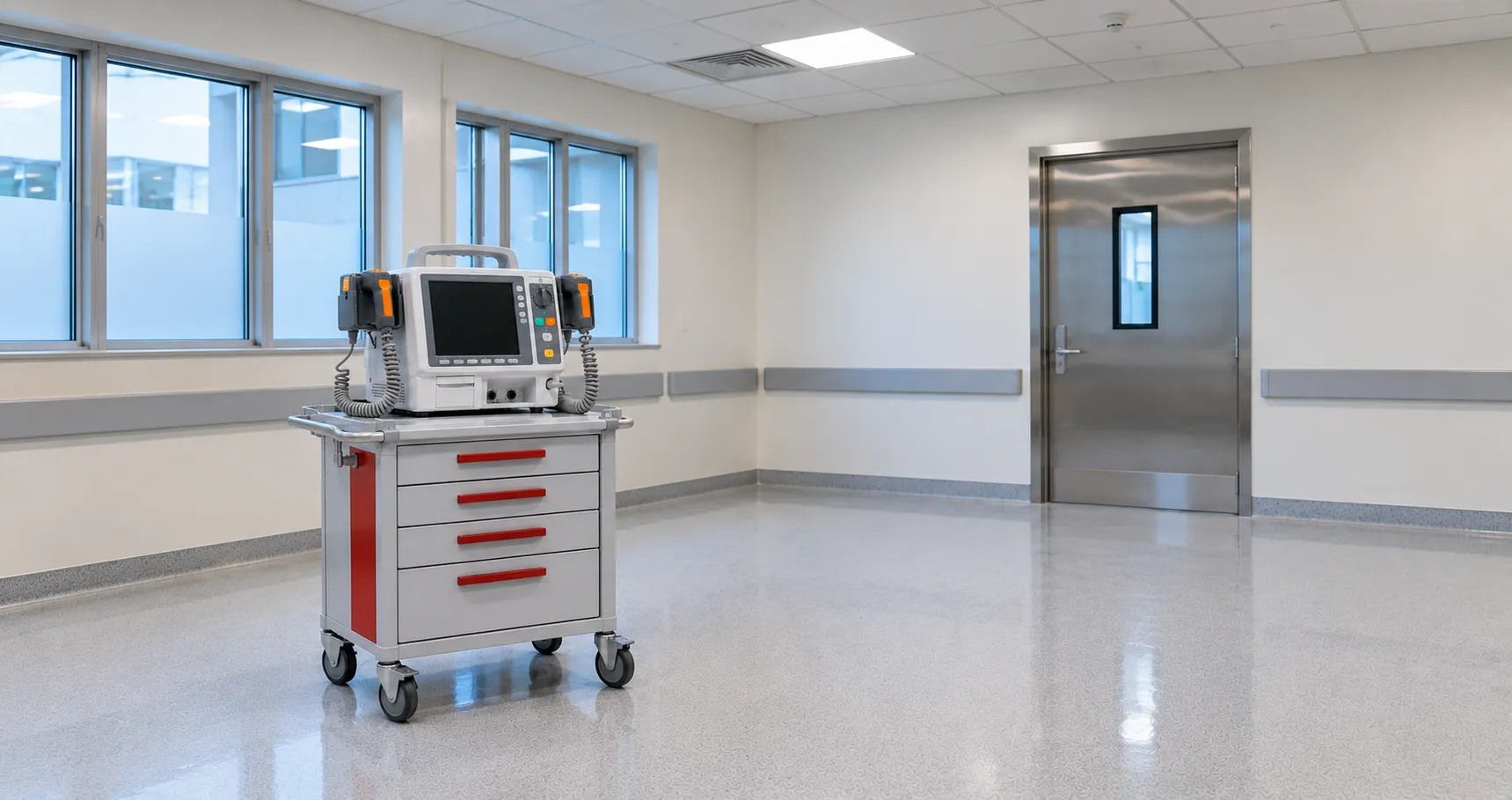
Severe cases require hospital care, oxygen support, monitoring devices, and emergency medical equipment supplied by medigear.uk for critical care support.
Why Sepsis is Dangerous
Sepsis spreads quickly in the body and can cause
-
Low blood pressure
-
Organ failure
-
Breathing problems
-
Brain confusion
-
Death if untreated
Early detection and proper medical equipment support from medigear.uk helps doctors manage patients safely in hospitals and home care settings.
Common Symptoms of Sepsis
Symptoms of sepsis may start mild but become serious very fast.
-
Fever or very low temperature
-
Fast heartbeat
-
Fast breathing
-
Extreme weakness
-
Confusion or difficulty speaking
-
Low blood pressure
-
Cold or pale skin
-
Less urine output
If these symptoms appear after infection, immediate medical help is required.
Causes of Sepsis
Sepsis develops from infection caused by bacteria, viruses, or fungi.
Most common cause of sepsis.
- Lung Infection- Pneumonia is a major cause.
- Urinary Tract Infection- Common in elderly patients.
- Skin Infection- Cuts, burns, or wounds can lead to sepsis.
- Abdominal Infection- Appendix, intestine, or liver infection can spread to blood.
Critical patients often need monitoring systems, oxygen therapy, and ICU equipment supplied by medigear.uk for safe treatment.
Who is at Risk of Sepsis
People at higher risk include
-
Elderly people
-
Babies and young children
-
People with weak immune system
-
Diabetes patients
-
Cancer patients
-
ICU patients
-
People after surgery
Hospitals and care centers use medical support equipment from medigear.uk to monitor high risk patients.
How Sepsis is Diagnosed
Doctors use several tests to confirm sepsis.
-
Blood test
-
Urine test
-
X ray
-
CT scan
-
Oxygen level test
-
Blood pressure monitoring
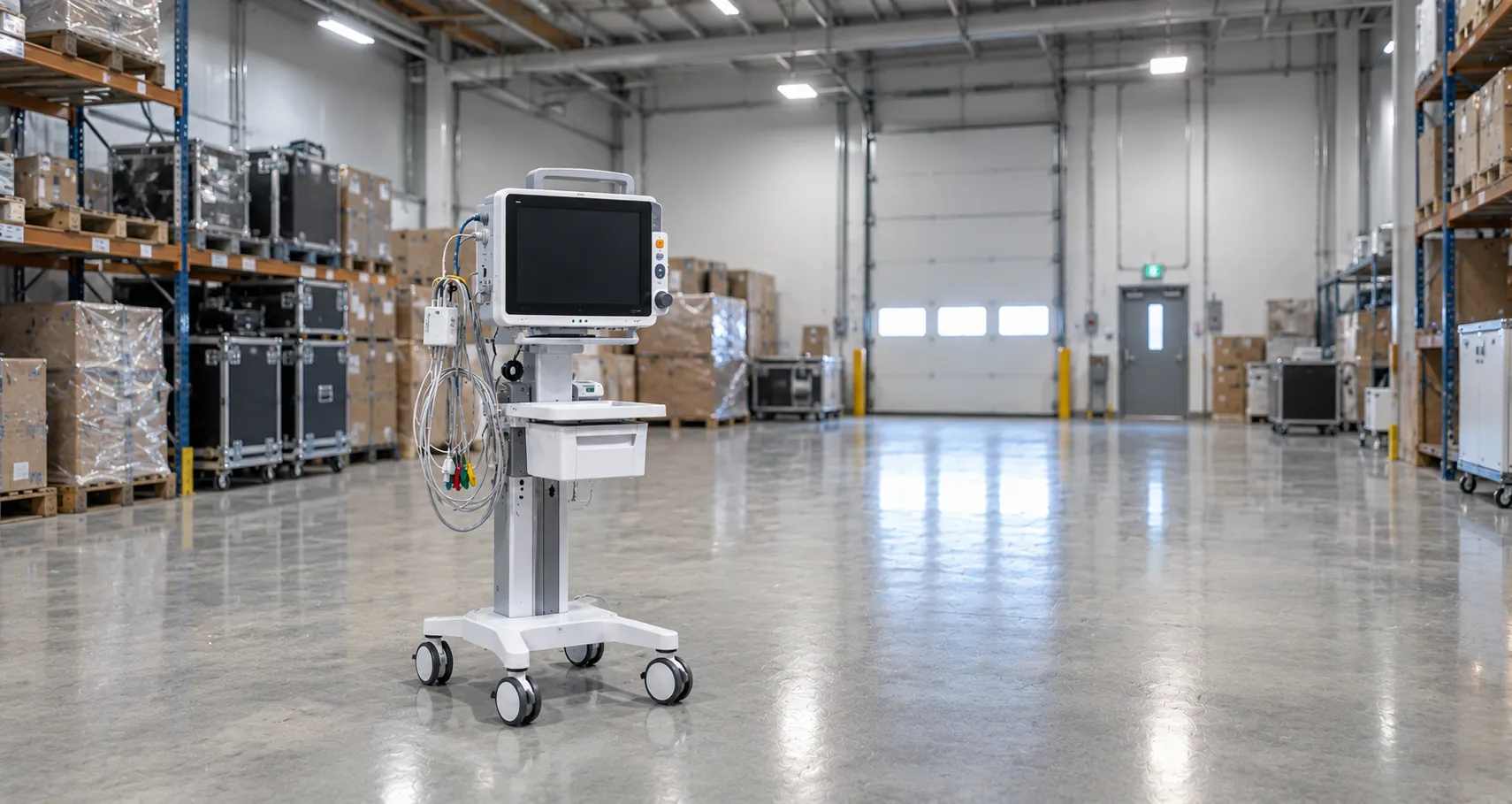
Advanced monitoring devices from medigear.uk help doctors track vital signs in emergency conditions.
Treatment for Sepsis
Sepsis needs urgent treatment in hospital.
- Antibiotics- Given immediately to control infection.
- IV Fluids- Maintain blood pressure.
- Oxygen Therapy- Helps breathing in severe cases.
- ICU Care- Needed for serious patients.
- Monitoring Equipment- Heart rate, oxygen level, and blood pressure must be checked continuously.
Medical devices provided by medigear.uk support hospitals, care homes, and EU healthcare services.
How medigear.uk Supports Critical Care Patients
medigear.uk provides medical equipment used in infection care, emergency treatment, and ICU support.
Services include
-
Oxygen therapy devices
-
Patient monitoring equipment
-
Hospital support gear
-
Respiratory care equipment
Prevention of Sepsis
You can reduce risk by
-
Treat infections early
-
Keep wounds clean
-
Take vaccines
-
Maintain hygiene
-
Control diabetes
-
Visit doctor if fever stays long
Using proper medical support equipment from trusted providers like medigear.uk helps reduce complications.
When to Seek Emergency Help
Get medical help immediately if you notice
-
High fever with confusion
-
Fast breathing
-
Very low blood pressure
-
Severe weakness
-
Cold or pale skin
Early treatment saves life.
Conclusion
Sepsis is an important health topic because sepsis can become life threatening very quickly. Early diagnosis, proper treatment, and continuous monitoring with medical equipment from medigear.uk help doctors save lives and manage critical patients safely.
Awareness about sepsis, infection control, and access to hospital support devices is very important for patients, caregivers, and healthcare workers, especially in Europe where demand for medical care equipment is increasing.
FAQs About Sepsis
1 What is sepsis in simple words
Sepsis is a dangerous condition where the body reacts strongly to infection and damages its own organs.
2 What causes sepsis infection
Sepsis is caused by bacteria, virus, or fungus entering the body and spreading through blood.
3 What are early signs of sepsis
Early signs include fever, fast heartbeat, confusion, weakness, and breathing difficulty.
4 Can sepsis be cured
Yes sepsis can be treated if diagnosed early and treated with antibiotics and medical care.
5 How fast does sepsis spread
Sepsis can spread very quickly and may become serious within hours.
6 Is sepsis contagious
Sepsis itself is not contagious but infections that cause sepsis can spread.
7 Who is most at risk of sepsis
Elderly people, babies, surgery patients, and weak immune system patients have higher risk.
8 Can pneumonia cause sepsis
Yes severe pneumonia can lead to sepsis if infection spreads in blood.
9 What is septic shock
Septic shock is a severe stage of sepsis where blood pressure becomes very low.
10 How is sepsis treated in hospital
Doctors use antibiotics, oxygen therapy, IV fluids, and monitoring equipment.
11 Can sepsis happen after surgery
Yes infection after surgery can lead to sepsis if not treated early.
12 How to prevent sepsis infection
Keep wounds clean, treat infections early, and maintain hygiene.
13 How long does sepsis recovery take
Recovery depends on severity and may take weeks or months.
14 Why oxygen support is needed in sepsis
Sepsis affects lungs and oxygen level, so oxygen therapy helps breathing.
15 What equipment is used in sepsis treatment
Doctors use oxygen devices, monitors, IV pumps, and ICU equipment often supplied by medigear.uk.