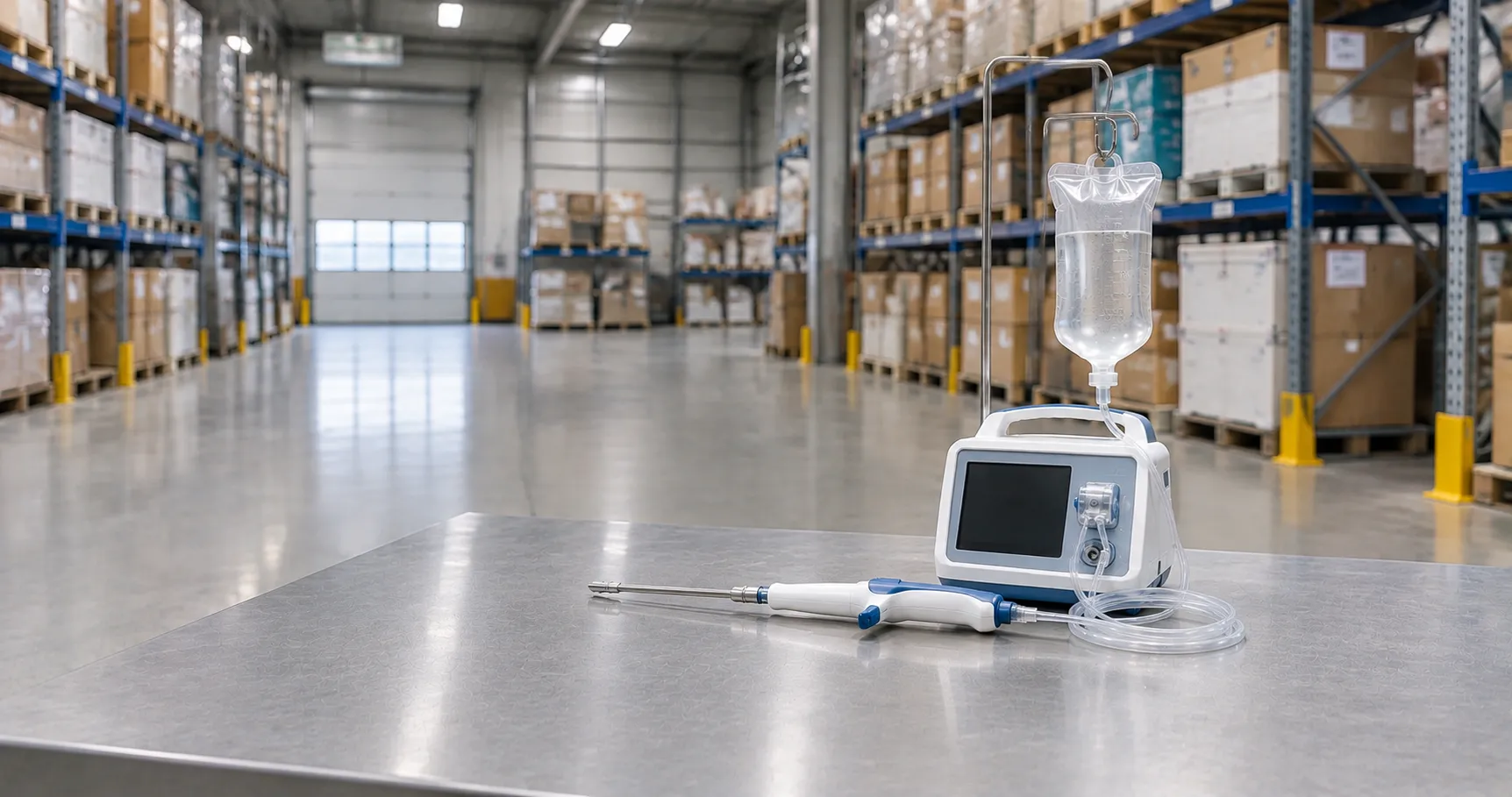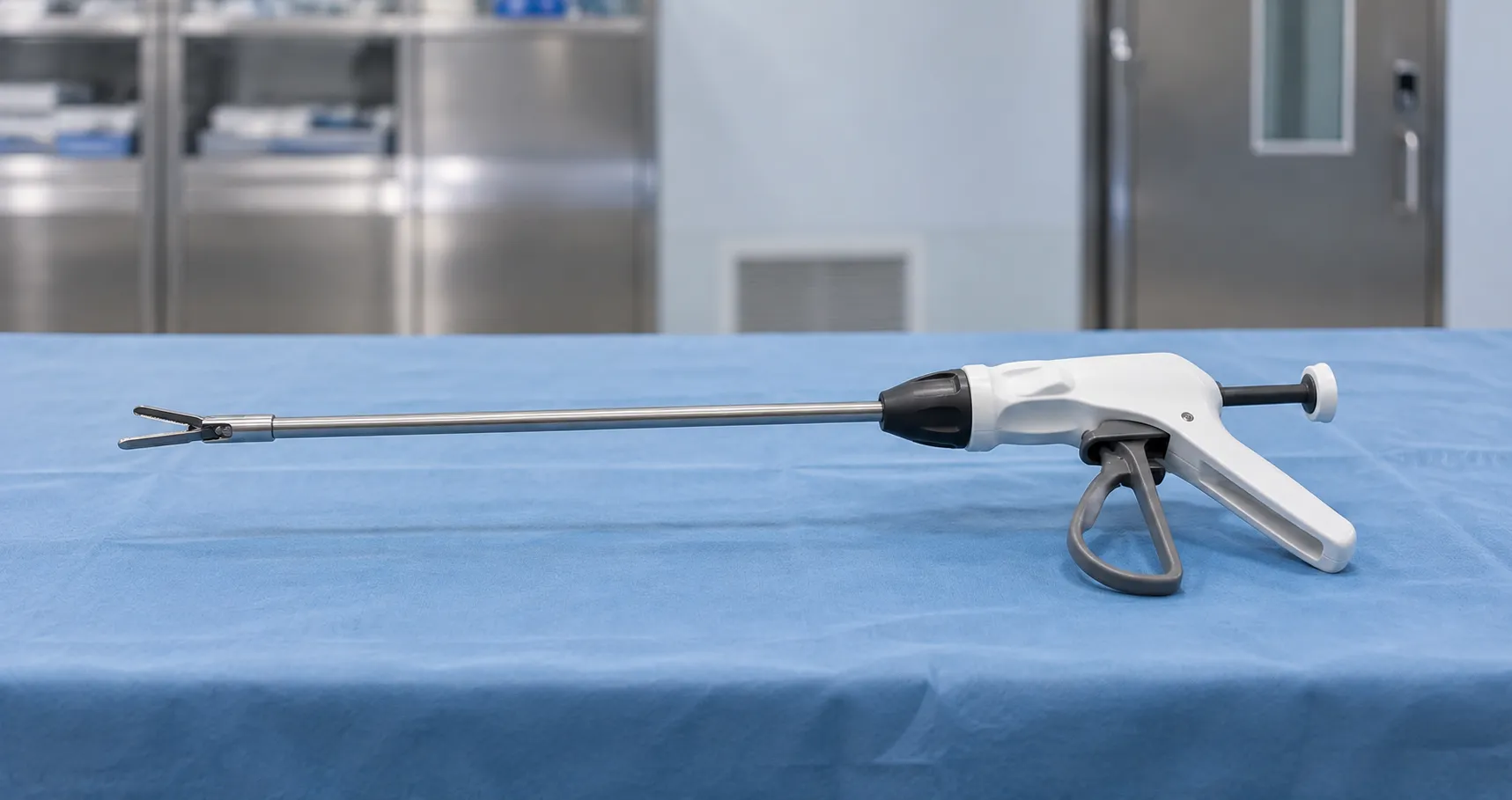
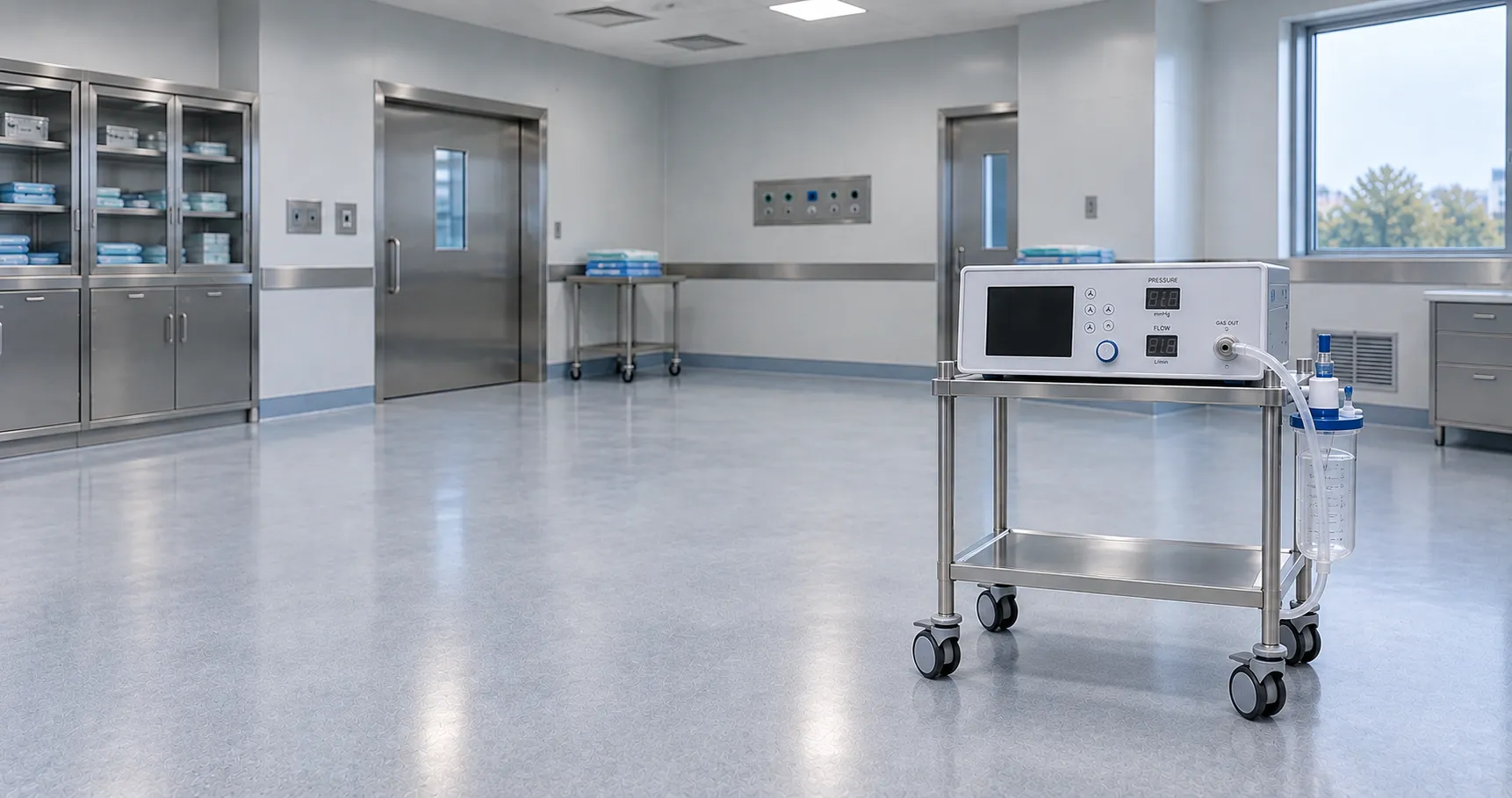
Insufflation is the controlled delivery of gas into a body cavity to create working space. In laparoscopic surgery, it means filling the abdomen with carbon dioxide. This lifts the abdominal wall off the organs, creating a pneumoperitoneum that lets a surgeon see and operate through small ports. A dedicated device called an insufflator delivers the gas, measures the pressure inside the cavity and holds it steady while the procedure runs.
For a buyer, the insufflator is one of the defining parts of a laparoscopic stack. Get the flow rate, pressure regulation, and safety behaviour right, and every minimally invasive procedure runs smoothly; specify it poorly, and cases slow down, the view collapses on suction, and the patient loses heat. This guide explains how abdominal gas is managed and what to weigh before purchase.
How insufflation creates working space
The abdomen is a closed space with little natural room to work. To open it up without a large incision, gas is introduced under gentle, tightly controlled pressure, typically through a Veress needle placed before the first port or directly through an open (Hasson) entry. As gas fills the cavity, the wall domes upward and the viscera fall back, creating a lit dome the laparoscope and instruments can move within. The insufflator continuously reads the pressure at the tip and adds or vents gas to keep it at the target. It adds a target, usually a low working pressure in the region of 12 mmHg for adults and about for paediatric and frail patients. Because instruments are exchanged, suction is applied, and small leaks occur, the machine must replace lost volume quickly without ever overshooting the pressure limit; therefore, carbon dioxide is the gas of choice.
Carbon dioxide is used almost universally for abdominal insufflation. It is non-combustible, so it is safe alongside electrosurgery and laser; it is highly soluble in blood, so any small amount that enters the circulation is buffered and cleared through the lungs rather than forming a dangerous embolus. It is inexpensive and readily available in medical-grade cylinders. The trade-off is that CO2 is absorbed across the peritoneum and must be exhaled, which the anaesthetic team manages through ventilation, and that cold, dry gas can cool and desiccate the peritoneal surface over a long case. Those two facts drive several of the features buyers now look for.
What the insufflator actually does
Beyond simply pushing gas in, a modern insufflator performs several jobs at once. It regulates cylinder or pipeline pressure down to a safe delivery pressure; measures intra-abdominal pressure many times a second and compares it with the set point; controls flow rate so the cavity fills at a chosen speed; and protects the patient through over-pressure venting and alarms. Displays show set pressure, actual pressure, flow rate and total gas volume used. Higher-specification units add gas heating, and some warm and humidify the CO2 to reduce cooling and peritoneal drying during prolonged surgery.
Variants and how they compare
Standard versus high-flow insufflators
Entry-level units deliver perhaps up to 20 litres per minute, which suits routine gynaecology and general cases. High-flow units, capable of 30 to 40 litres per minute or more, recover pressure faster after suction or smoke evacuation, keeping the view stable during bariatric, colorectal and other demanding work. Matching flow capacity to your case mix matters more than headline numbers.
Heated and humidified systems
Because insufflated CO2 is cold and dry, some systems warm the gas, and a subset humidify it as well. This can help maintain patient temperature and reduce peritoneal desiccation on long lists, at the cost of a heater circuit and, for humidified designs, a dedicated consumable.
Valveless and pressure-stabilising platforms
Newer valveless platforms maintain a stable pneumoperitoneum while continuously clearing surgical smoke and recirculating gas, which can steady the pressure and improve visibility during energy-intensive dissection. They typically require a proprietary tubing set and filter, so factor the consumable model into any comparison.
Key specifications a buyer must check
Confirm the maximum flow rate and compare it to your heaviest caseload, not the average. Look at the pressure range and the smallest increments the unit allows, since paediatric and bariatric work sit at opposite ends. Ask how fast the over-pressure protection vents and whether audible and visible alarms trigger on high pressure, occlusion and low gas supply. Check whether the unit runs from cylinder, pipeline or both, and how it fails over when a cylinder empties mid-case. Confirm gas-heating capability if your lists are long, and whether it needs a special heated tube. Assess accessibility from the surgeon's position and how the machine integrates with your tower, capture system, and any theatre data link. Finally, confirm the filter and tubing standard, because that decides your recurring cost.
Standards, regulation and documentation
An insufflator is an active medical device and must carry valid UKCA or CE marking, supported by a declaration of conformity and instructions for use that state intended purpose and limits. As mains-powered electromedical equipment, it falls under the IEC 60601-1 general safety framework, with particular attention to gas-supply and pressure-limiting behaviour. Confirm Great Britain market registration and keep the manufacturer's servicing schedule on file, as pressure sensors and venting valves are safety-critical and are checked at planned maintenance. The MHRA is the UK medical-device regulator and the channel for reporting any device fault or adverse incident, and broader procurement guidance is published on GOV.UK. Ask the supplier to confirm medical-gas compatibility and to supply calibration and electrical-safety test records at handover.
Consumables, servicing and total cost of ownership
The purchase price is only the start. Every case consumes a hydrophobic bacterial-viral filter and a length of insufflation tubing, and heated or humidified systems add a warming circuit or water consumable on top. The CO2 itself, whether piped or in cylinders, is a running cost, as is cylinder handling if you are not on a pipeline. Insufflators need periodic sensor calibration and electrical-safety testing, so budget for a service contract and confirm the availability of spares and loaner units to avoid cancellations due to a machine being down. When comparing platforms, cost the annual filter and tubing spend against case volume, because a cheaper unit tied to expensive proprietary consumables can be dearer over five years than a higher-priced one on open consumables. Our team can model this across your theatre schedule — register as a buyer or contact us to compare insufflators and consumables.
Use across care settings.
Insufflators appear anywhere laparoscopy is performed: general-surgery and gynaecology theatres, colorectal and bariatric units, urology, and day-surgery centres running high volumes of short cases. A district general hospital may standardise on mid-range high-flow units for flexibility, while a specialist bariatric unit may opt for a higher-end model. At the same time, a specialist centre may justify a valveless, heated platform for better visibility during long dissections. Day-surgery units value quick set-up and low per-case consumable cost. Veterinary theatres use the same principle for laparoscopic procedures in animals.uniMatch units your actual list pat pattern to avoid overbuying or underbuying procurement checklist
-
Match maximum flow rate to your heaviest cases, not the average list.
-
Confirm the pressure range and fine increments cover paediatric through bariatric use.
-
Check over-pressure venting speed plus high-pressure, occlusion and low-gas alarms.
-
Confirm cylinder, pipeline or dual supply and safe fail-over when gas runs low.
-
Decide whether your list length justifies gas heating or humidification
-
Verify UKCA or CE documentation, IEC 60601-1 compliance and GB registration.
-
Cost annual filter, tubing and CO2. Before choosing, compare against case volume, before costing.
-
Confirm service spares and loan-unit cover in the contract.
Conclusion
Insufflation is the managed delivery of carbon dioxide to create a working space in the abdomen; doing it safely depends on an insufflator that regulates pressure precisely, recovers flow quickly, and protects the patient at every step. The right choice turns on flow capacity, pressure control, gas conditioning and the true cost of consumables across your case mix. Confirm the specifications, the safety behaviour, and the documentation, then cost the platform honestly over its life. MediGear can supply insufflators and matched consumables so your minimally invasive lists run reliably and your budget holds.
Disclaimer
This article is for informational purposes only. MediGear publishes it for informational purposes only (medical information and procurement guidance). It is not clinical, diagnostic, technical, engineering, legal, or regulatory advice, nor a product endorsement, guarantee, or substitute for professional assessment. MediGear does not provide medical consultations. Buyers should consult their clinical needs, the manufacturer's documentation, and independently verify all specifications, compatibility, and suitability before purchase. Specifications, certifications, and availability are correct at the time of publication and may change without notice. MediGear is a medical-equipment distributor and does not sell medicines or pharmaceutical products.