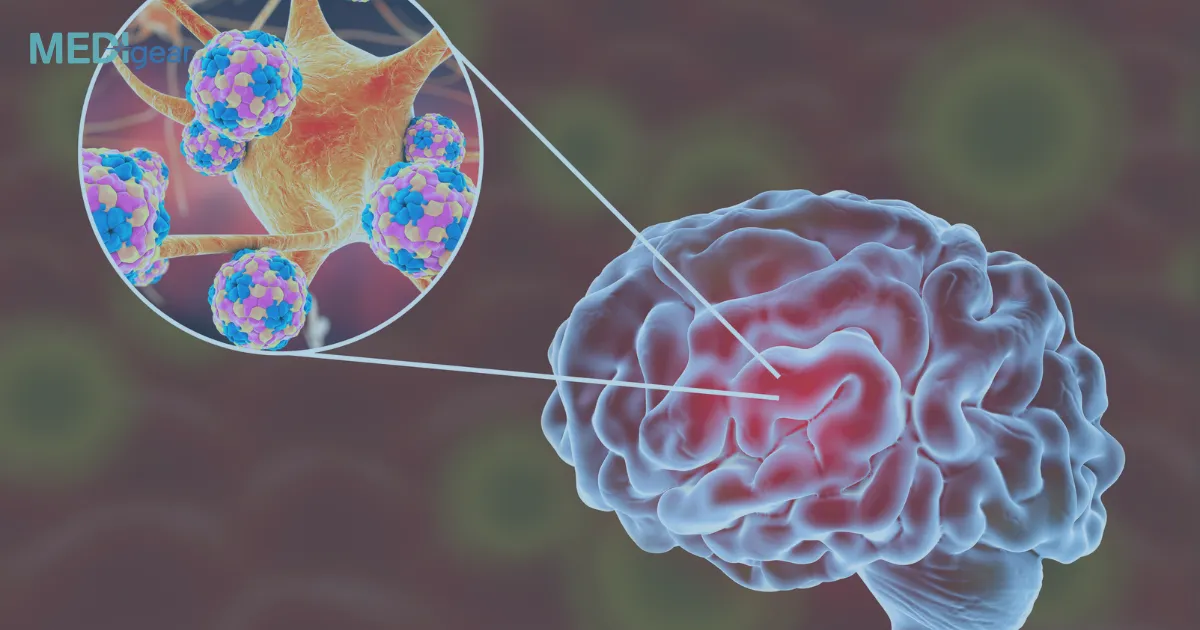
The brain is the control center of the human body, regulating thoughts, movements, memory, and vital functions. When the brain becomes inflamed due to infection or immune reactions, it can lead to a serious condition known as encephalitis.
Encephalitis is a potentially life-threatening disease that requires immediate medical attention. Early diagnosis and treatment are crucial to prevent permanent neurological damage.
What Is Encephalitis?
Encephalitis is inflammation of the brain tissue, most commonly caused by viral infections. The inflammation disrupts normal brain function and can lead to neurological symptoms such as confusion, seizures, and difficulty speaking or moving.
The condition may develop suddenly and can range from mild illness to severe brain damage.
Common Causes of Encephalitis
Viral Infections
Viruses are the leading cause of encephalitis.
Common viruses include:
- Herpes simplex virus (HSV)
- Japanese encephalitis virus
- West Nile virus
- Enteroviruses
- Rabies virus
- Measles virus
Many of these viruses spread through mosquito bites, respiratory droplets, or infected animals.
Autoimmune Encephalitis
Sometimes the immune system mistakenly attacks brain tissue.
This type is known as autoimmune encephalitis and may occur after infections or due to immune system disorders.
Post-Infectious Encephalitis
In some cases, encephalitis develops after the body has already fought an infection. The immune response continues and damages brain cells.
Symptoms of Encephalitis
Early Symptoms
Early signs may resemble flu or viral illness:
- Fever
- Headache
- Fatigue
- Muscle aches
- Nausea or vomiting
Neurological Symptoms
As brain inflammation progresses, symptoms become more serious:
- Confusion
- Difficulty concentrating
- Personality changes
- Sensitivity to light
- Speech problems
- Weakness in limbs
- Loss of coordination
Severe Symptoms
In severe cases, patients may develop:
- Seizures
- Loss of consciousness
- Severe confusion
- Paralysis
- Coma
These symptoms require emergency medical care.
Who Is at Higher Risk?
Certain groups are more vulnerable to encephalitis:
- Infants and young children
- Elderly individuals
- People with weakened immune systems
- Individuals living in mosquito-prone areas
- Unvaccinated populations
Complications of Encephalitis
Untreated or severe encephalitis can lead to long-term complications:
- Memory loss
- Speech difficulties
- Personality changes
- Seizure disorders
- Paralysis
- Brain damage
- Learning difficulties in children
Some patients may require long-term rehabilitation.
Diagnosis
Doctors use several tests to confirm encephalitis:
- Brain MRI or CT scan
- Lumbar puncture (spinal fluid test)
- Blood tests
- EEG (brain electrical activity test)
- Viral PCR testing
These tests help determine the cause and severity of brain inflammation.
Treatment
Treatment depends on the cause but often includes:
- Antiviral medications (for viral encephalitis)
- Anti-inflammatory drugs
- Anti-seizure medications
- Intravenous fluids
- Intensive care monitoring
Severe cases may require treatment in an ICU.
Prevention
Preventive measures can significantly reduce risk:
- Vaccination (for certain viral infections)
- Mosquito control
- Protective clothing in mosquito-prone areas
- Proper hygiene
- Avoid contact with infected animals
When to Seek Medical Care
Immediate medical attention is required if a person develops:
- Sudden confusion
- Seizures
- Severe headache
- High fever with altered consciousness
- Difficulty speaking or moving
These symptoms may indicate brain inflammation.
Conclusion
Encephalitis is a serious neurological condition caused by inflammation of the brain, often due to viral infections. Although it may begin with mild symptoms, it can rapidly progress to severe neurological complications.
Early recognition, prompt medical care, and preventive measures such as vaccination and mosquito control are essential in reducing the impact of this potentially life-threatening disease.
Disclaimer
This article is provided for general educational and informational purposes only and should not be considered medical advice, diagnosis, or treatment. Encephalitis is a serious neurological condition that requires prompt medical evaluation and care. Symptoms such as severe headache, confusion, seizures, or loss of consciousness should be assessed by a qualified healthcare professional immediately. MediGear does not provide medical diagnosis or treatment recommendations.