A nurse call system is the quiet backbone of a ward. When it works, a patient's request reaches the right person quickly, and the response is recorded; when it does not, calls are missed, staff walk farther than necessary, and confidence in the system drops. Choosing well means thinking about how calls are raised, routed and escalated across a real ward, not just the panel on the wall.
The ten system types below cover ward, specialist and site-wide provision. Each entry explains its role and what to confirm before ordering.
Call points, routing and escalation
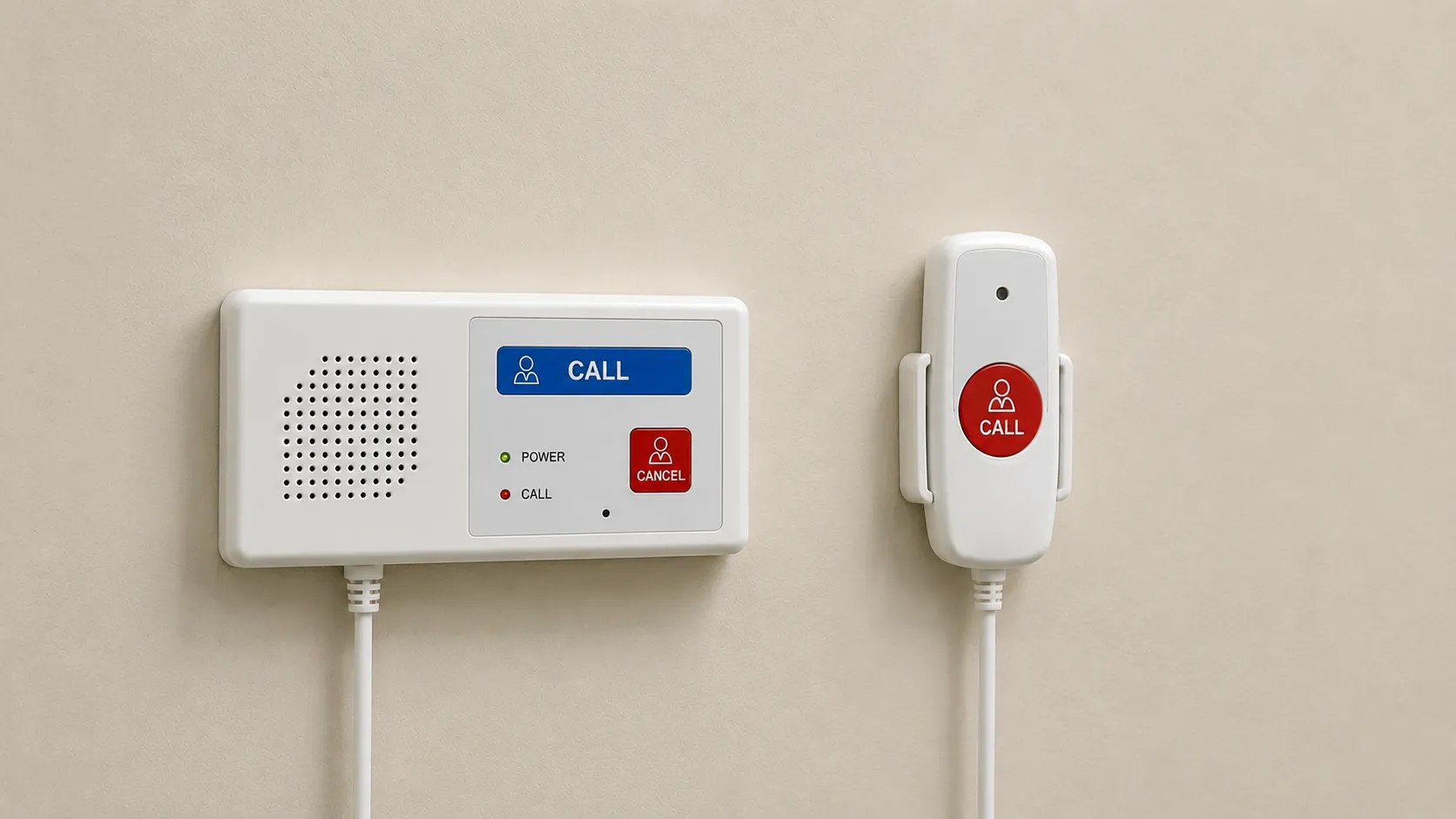
The way a call is raised shapes the whole system. Bedside handsets, bathroom pull cords, and pressure or accessibility switches all serve different needs, and a ward should confirm the mix suits its patients, including those who cannot reach a standard button.
Routing and escalation decide what happens next. A call that simply l corridor lamp behaves very differently from one that reaches a specific member of staff and escalates if unanswered. The routing logic, and how it handles an unanswered call, is where a system succeeds or frustrates.
The ten system types
1. Standard wired ward call systems
Fixed call points wired to corridor lamps and a central panel, the established ward configuration. Reliable and independent of wireless coverage.
2. Systems with bedside handsets
Combine the call button with patient controls in a handset, keeping the call point within easy reach at the bedside.
3. Systems with staff presence registration
Let staff register their presence in a room, so calls route to where staff are and are recorded as attended.
4. Systems with mobile device integration
Send calls to staff-held devices, reducing reliance on corridor lamps and shortening the path from call to response. Confirm coverage and device management.
5. Systems with escalation logic
Escalate an unanswered call to another member of staff or location after a set interval, reducing the chance of a call being missed.
6. Bathroom and accessible call points
Pull cords and accessible switches for bathrooms and for patients who cannot use a standard button, an important part of any ward mix.
7. Systems with call categorisation
Distinguish routine calls from urgent or emergency calls, so that the team can prioritise. Confirm how categories are raised and displayed.
8. Systems with reporting and audit
Record call and response data for review of response times and workload. Confirm what is recorded and how it is retrieved.
9. Wireless and retrofit systems
Use wireless call points where wiring is impractical, and suit them for refurbishment. Coverage, battery management and resilience are the practical points.
10. Integrated site-wide communication platforms
Link nurse call with wider communication across a site. These are larger projects with integration and support requirements to plan.
Resilience, integration and the real ward
A nurse call system has to keep working when other things fail, so resilience matters. Confirm how the system behaves during a power interruption or a network fault, and whether core calling continues independently of any integration layered on top. A system that loses basic calling when the network drops has a weakness worth understanding before purchase. Integration with mobile devices and other systems can genuinely shorten response times. Still, it adds dependencies, so weigh the benefit against the added complexity and the support it requires. The system should reduce walking and confusion rather than add alerts that staff learn to ignore, so how alerts are presented and prioritised is part of the decision.
What to confirm before ordering
-
Call points. Confirm the mix of handsets, pull cords and accessible switches suits your patients.
-
Routing and escalation. Establish how calls route and what happens when one is unanswered.
-
Categorisation. Confirm how urgent and emergency calls are distinguished.
-
Resilience. Check behaviour during power and network faults.
-
Integration. Establish device integration, coverage and management if used.
-
Reporting. Confirm what call data is recorded and how it is retrieved.
Installation, training and servicing
Installation and configuration shape how well a system serves a ward, so the routing logic, escalation intervals, and categorisation should be set up around how the ward works rather than left at their defaults. Their defaults set the nursing team in that configuration.
Training should cover raising, placing, and cancelling calls; staff presence registration; responding to escalations; and using any reporting. Include tools for the agency and rotating staff, since an unfamiliar system slows response.
For servicing, agree planned maintenance covering call point function, escalation testing, battery replacement for wireless points, and integration support where used. Ensure the organisation receives published device safety alerts so any field safety notices reach the relevant teams.
Routing, escalation and resilience are best configured with the nursing team before rollout. Services planning a system can raise those points with the Medigear.uk team.
Final thoughts
Specify the nurse call system around h, including how it is escalated and how it is configured, and confirm its resilience during faults before adding integration. Most wards benefit from a reliable core system with an accessible mix of call points, sensible escalation, and configuration set up with the nursing team rather than left at default.
This article provides general procurement guidance for healthcare organisations. It is not clinical advice, and it does not replace manufacturer instructions or local policy.