Cough assist devices help clear secretions for people whose respiratory muscles cannot generate an effective cough by applying positive pressure, followed by a rapid shift to negative pressure, to mimic the cough action. For neuromuscular patients, this can be part of daily care, so the device that suits them is the one that is comfortable, adjustable to their needs, and practical to use at home or on the ward.
The ten device types below cover hospital, community and home use. Each entry explains its role and what to confirm before purchase.
Pressure control, comfort and the interface
The way pressures are set and delivered shapes both effectiveness and comfort. Adjustable pressures, timing, and the transition between phases allow therapy to be tailored to the individual, which matters because a setting that suits one patient may be uncomfortable for another.
The interface is where therapy meets the patient. Masks, mouthpieces, and tracheostomy connections each suit different people, and comfort and fit affect whether therapy is tolerated and effective. The interface range should suit the patients a service supports.
The ten device types
1. Hospital-based cough assist units
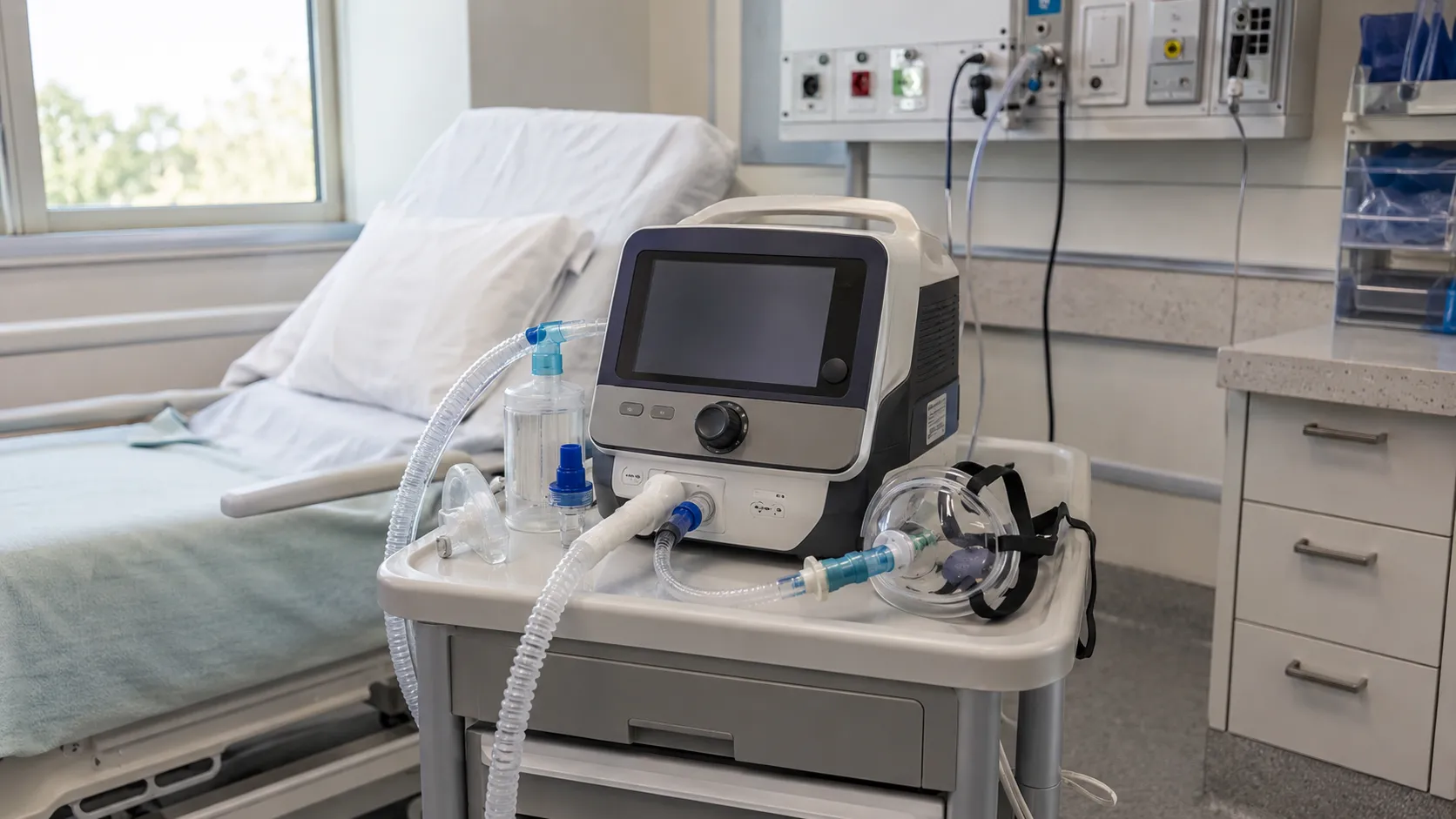
Mains-powered devices for ward and unit use, with adjustable settings and a display. The general hospital configuration.
2. Portable battery-powered units
Battery operation for community, home and travel use, freeing the patient from a fixed power point. Battery endurance is the practical measure.
3. Units with adjustable pressure and timing
Provide fine control over pressures and phase timing, allowing therapy to be closely tailored to the individual under clinical direction.
4. Units with oscillation features
Add an oscillation during the cough cycle intended to help mobilise secretions, available on some devices for particular needs.
5. Units with mask interfaces
Supplied with mask options for non-invasive use, where mask fit and comfort determine tolerance.
6. Units with mouthpiece interfaces
Use a mouthpiece for patients who prefer or require it, suitable for those able to seal around it.
7. Units for tracheostomy use
Connect to a tracheostomy with appropriate fittings, used under clinical guidance for patients with a tracheostomy.
8. Units with therapy monitoring
Record use and therapy data supporting review and adjustment. Confirm what is recorded and how it is retrieved.
9. Units with simplified home controls
Present straightforward controls for home use by patients and carers, with clinical settings held securely. Support arrangements are central.
10. Units combining therapies
Combine cough assist with related respiratory support in one device, used under clinical direction where appropriate.
Home use, carers and the support around the device
For many neuromuscular patients the device is used at home, often several times a day, so the arrangements around it matter as much as its features. Carers and family members frequently deliver therapy, which means training, clear controls and a reliable support route are essential rather than optional. A device with clinical settings held securely, so day-to-day operation is simple while the therapeutic parameters stay as set, suits home use well. Consumables and interfaces require a dependable supply, since a missing mask or filter disrupts daily care, and the service should plan how replacements will reach the patient before the device is issued.
What to confirm before ordering
-
Pressure control. Confirm adjustable pressures and timing to tailor therapy.
-
Interfaces. Establish mask, mouthpiece and tracheostomy options as needed.
-
Portability. For home and travel use, confirm battery endurance and weight.
-
Home controls. Check simplified operation with clinical settings held securely.
-
Monitoring. Establish therapy recording and retrieval where required.
-
Consumables. Confirm filter and interface supply and hygiene arrangements.
Hygiene, training and servicing
Hygiene arrangements should be clear, since the device connects to the patient's airway. Confirm which parts are single-use, which are cleaned and how, and ensure the routine is understood by whoever uses the device, including carers at home.
Training should cover interface fitting, running therapy, cleaning and recognising problems, pitched at the actual users. Where carers deliver therapy, training and a support route to reach clinical staff are essential.
For servicing, agree planned maintenance, pressure verification, filter replacement, battery replacement and electrical safety testing. Ensure the service receives published alerts and recalls so field safety notices reach the respiratory and community teams.
Interface range and consumable supply should be planned for home use before a device is issued. Services provisioning devices can review options with listed equipment suppliers.
Final thoughts
Choose the device around the patient, the interface and the setting in which it is used, giving home use and carer support the weight they deserve. An adjustable device best serves most neuromuscular patients with a suitable interface, simple day-to-day operation, secure clinical settings and a reliable consumable supply and support route.
This article provides general procurement guidance for healthcare organisations. It is not clinical or respiratory care advice, and it does not replace manufacturer instructions or professional judgement.