
Opening a new private clinic means fitting out every room before the first patient arrives, and the clinic equipment you choose shapes how smoothly the whole place runs. From the reception desk to the autoclave in the back room, a working clinic is really a set of equipment that has to be complete on day one.
It helps to think of the fit-out as a set rather than a scattered shopping list, because a single gap, whether a missing examination light or nowhere to sterilise instruments, stops a clinic from working the way it should. Planning the whole set together keeps the opening on track.
The fifty clinic equipment items below cover a general private clinic, grouped into five areas of ten by where in the clinic they sit. Grouping them this way follows a patient from the front door to the treatment room, which is a natural way to check nothat thing has been missed. It also makes it obvious which services a clinic is ready to offer on day one and which need another item or two first.
How the fifty items are grouped
The equipment falls into five areas: reception and waiting, consultation and examination, diagnostics and monitoring, treatment and procedures, and sterilisation, storage and support. Each area maps onto a part of the clinic and a stage of the visit.
Reception and waiting
First impressions and smooth admin start at the front of the clinic. This area includes reception and the waiting room. A calm, well-run front desk sets the tone for the whole visit, so this area is worth getting right early.
-
Reception desk — the staffed front point for arrivals and queries.
-
Waiting room seating — comfortable, wipeable chairs for patients.
-
Check-in system — a screen or desk for registering arrivals.
-
Records storage — secure filing for notes and documents.
-
Computers and printers — running booking, notes, and letters.
-
Telephone system — handling calls and appointment lines.
-
Signage — guiding patients around the clinic clearly.
-
Water dispenser — a small comfort for waiting patients.
-
Coat and bag storage — somewhere to keep belongings.
-
Literature racks — holding leaflets and health information.
Consultation and examination
The consultation room is where most clinical contact happens. This area is equipped for assessment. This is where patients spend most of their time with a clinician, so comfort and good light matter.
-
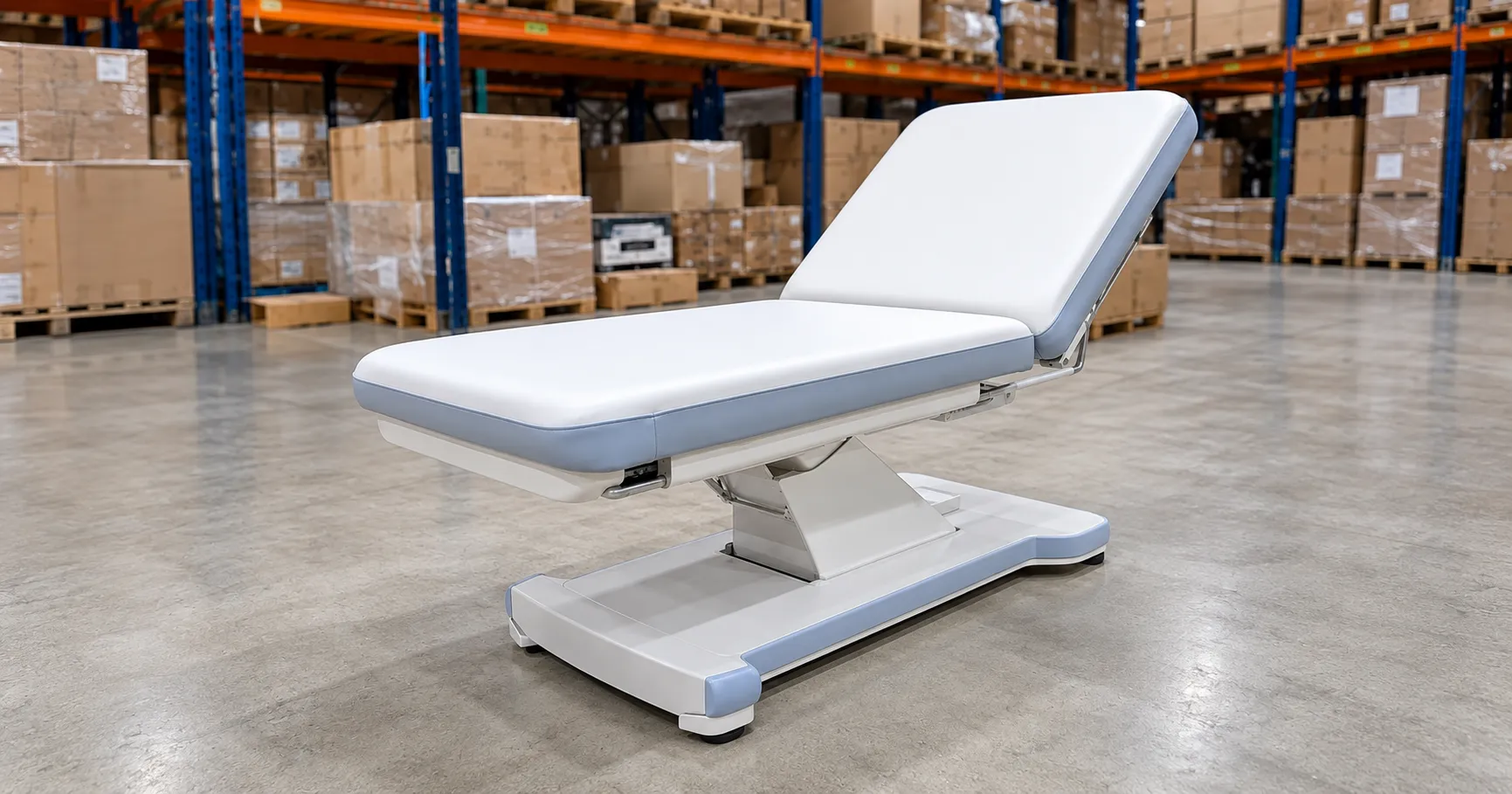
Examination couch — an adjustable couch for examining patients.
-
Consultation desk and chairs — a space to talk and record notes.
-
Examination light — bright, focused light for close inspection.
-
Stethoscope — listening to heart, lungs, and bowel sounds.
-
Blood pressure monitor — measuring pressure at each visit.
-
Digital thermometer — a quick, hygienic temperature check.
-
Weighing scales — recording weight accurately.
-
Stadiometer — measuring height for growth and BMI.
-
Auriscope and ophthalmoscope — examining ears and eyes.
-
Privacy screens — curtains or screens for dignity.
Diagnostics and monitoring
Even a small clinic needs to measure and test on the spot. This area covers everyday diagnostics. Being able to test on the spot saves referrals and speeds decisions, so a clinic equips this thoughtfully.
-
Pulse oximeter — a fingertip check of oxygen levels.
-
ECG machine — recording the heart's rhythm in the room.
-
Spirometer — measuring how well the lungs work.
-
Blood glucose meter — a quick finger-prick sugar reading.
-
Urinalysis strips — screening urine for early signs.
-
Handheld Doppler — listening to blood flow and pulses.
-
Portable ultrasound — bedside imaging for assessment.
-
Vision test chart — checking distance vision simply.
-
Basic audiometer — a simple screen of hearing.
-
Peak flow meter — a fast check of airway narrowing.
Treatment and procedures
Clinics carry out minor treatments as well as consultations. This area supports procedures. The range here depends on the procedures a clinic offers, so it is matched to the services on the list.
-
Dressing trolley — a mobile surface for wound care.
-
Minor surgery kit — instruments for small procedures.
-
Nebuliser — delivering inhaled medicine as a mist.
-
Suction unit — clearing fluids during procedures.
-
Cryotherapy unit — freezing off minor skin lesions.
-
Sharps bins — safe disposal of needles and blades.
-
Instrument trays — holding the sterile instruments for a procedure.
-
Procedure light — focused light for minor operations.
-
Vaccine and medicine fridge — cold storage at set temperatures.
-
Resuscitation kit — emergency drugs and airway equipment.
Sterilisation, storage and support
Behind the clinical rooms sits the equipment that keeps a clinic clean and stocked. This area is easy to forget yet essential. Nothing else runs safely without this behind-the-scenes area, so it is planned in from the start.
-
Benchtop autoclave — sterilising instruments between patients.
-
Instrument washer — pre-cleaning tools before sterilisation.
-
Clinical hand basin — a dedicated sink for hand hygiene.
-
Storage cabinets — organised space for consumables.
-
Lockable medicine cabinet — controlling access to drugs.
-
Clinical waste bins — colour-coded bins for clinical waste.
-
Linen and gown storage — keeping clean stock to hand.
-
PPE dispensers — gloves, aprons and masks at the point of use.
-
Cleaning trolley — supporting a clear cleaning routine.
-
Backup power supply — protecting fridges and records in an outage.
Fitting out in order
A clinic rarely buys everything in one go, so it helps to fit out in the order a patient moves: get reception and consultation working first, then the diagnostics and treatment the clinic's services actually need, then the sterilisation and support that lets it run safely. Working this way means the clinic can open its core services without waiting for every last item. Many new clinics see how clinic buyers stock up through Medigear.uk, adding to the core as services grow.
Building around the patient journey
The clearest way to equip a clinic is to walk the patient journey in your mind, from booking in at reception to being examined, tested, treated and sent home. Each step points to the equipment it needs, and gaps show up quickly when you think in this order rather than by category, which is why a walkthrough is worth doing before any orders are placed.
Points to confirm before opening
-
Services. Match equipment to the treatments offered.
-
Rooms. Check each room is fully equipped.
-
Sterilisation. Confirm a safe reprocessing route.
-
Storage. Plan secure medicine and consumable storage.
-
Support. Arrange servicing before opening day.
Planning a clinic fit-out
A new clinic is best planned as a whole, so reception, consultation, diagnostics, treatment and support all fit the space and the services on offer. Choosing equipment around the treatments the clinic will actually provide keeps the fit-out focused and avoids rooms full of equipment that rarely gets used. When sourcing that core, it helps to source clinic equipment from suppliers on Medigear.uk across the rooms a clinic fits out.
Reliability and servicing matter from day one, since a small clinic feels a breakdown keenly with no spare room to fall back on. Planning maintenance, storage and a sterilisation route before opening means the clinic starts as it means to go on.
Room by room
A helpful final check is to stand in each finished room and ask whether a full appointment could run there without fetching anything. Reception, consulting room, treatment room and the sterilising area each have their own short list, and walking them one by one catches the small gaps that a category-based list can miss.
Servicing and safety
A clinic depends on its equipment working safely from the first patient, so maintenance, safety testing and staff training belong in the opening plan. It also helps the team to understand the MHRA's Yellow Card guidance on reporting device problems, so any concern with a device is raised properly once the clinic is running.
The clinic in short
A private clinic works when its equipment is complete and dependable on opening day. Grouping the fifty items by where they sit, fitting out in the order patients move, and planning servicing turns daunting setup into a manageable, room-by-room plan. Chosen this way, the clinic equipment lets a new practice open confidently and care for its first patients well. A practice planning its opening can also ask the Medigear.uk team about equipping a new clinic.
This overview offers general procurement guidance for anyone setting up a healthcare service; it is not clinical or regulatory advice, and local requirements and manufacturer instructions always take precedence.