Medical equipment planning is a central part of developing a new hospital. Equipment decisions can affect room dimensions, electrical systems, medical gases, ventilation, network infrastructure, workflow and construction schedules. When equipment planning begins too late, the project may face redesign, additional costs and delays before clinical opening.
For new hospital project buyers and equipment managers, the planning process should begin with the proposed clinical services and continue through budgeting, technical specification, supplier evaluation, installation, commissioning and staff training. Each piece of equipment should be connected to a department, room, user group, and operational purpose.
The equipment plan should also distinguish fixed equipment, movable devices, furniture, accessories, software and recurring consumables. Treating these categories as one general list can create gaps in budgets and responsibilities.
This guide explains how new hospital projects can build controlled equipment schedules and coordinate medical technology with design, construction and operational readiness.
Define the Clinical Scope and Project Priorities
Equipment planning should begin with the services the hospital intends to deliver rather than with a manufacturer catalogue or general equipment list.
Clinical service profile — Define the departments, specialities, procedures, diagnostic services and patient capacity planned for the hospital.
In practice, project teams often find that early equipment estimates become unreliable because the clinical scope continues to change without formal approval.
Patient volumes — Estimate inpatient beds, outpatient visits, procedures, tests and emergency demand. Equipment quantities should reflect expected workload and backup needs.
Operational model — Confirm whether services will operate continuously, during scheduled hours or through shared departments. Operating hours can affect equipment capacity and maintenance planning.
Clinical pathways — Map how patients, samples, staff and equipment will move through the facility. This helps identify equipment required at each stage of care.
Opening priorities — Separate equipment needed for initial opening from items that can be introduced during later phases. This supports budget and delivery control.
Critical equipment identification — Identify devices whose absence or failure could prevent a department from opening or delivering essential services.
Standardisation opportunities — Common equipment platforms can simplify training, accessories, software, spare parts and maintenance across departments.
A documented clinical scope provides the foundation for quantities, specifications and project budgets.
Build a Controlled Equipment Schedule
The equipment schedule should function as the central record for planning, purchasing and implementation.
Department and room allocation — Each piece of equipment should be assigned to a department and room. This connects clinical needs with architectural and engineering plans.
Equipment classification — Separate fixed equipment, movable medical devices, hospital furniture, information technology and building-service items.
Clear classification prevents duplication and helps assign purchasing responsibility.
Quantity calculation — Quantities should reflect room numbers, patient capacity, workload, backup requirements and equipment-sharing arrangements.
Configuration details — List essential accessories, software, probes, batteries, trolleys, mounts and starter consumables. Base-unit descriptions are not sufficient for project planning.
Planning status — Each item should show whether it is proposed, approved, specified, quoted, ordered, delivered, installed or commissioned.
Budget allocation — Add estimated and approved budget values so the project can monitor changes and funding requirements.
Infrastructure data — Record power, water, drainage, gases, ventilation, network and structural requirements for each relevant item.
When engaging specialist medical equipment supply networks, hospital projects should issue a controlled equipment schedule and request model-specific responses. General product catalogues should not replace room-based planning.
Experienced hospital project managers typically maintain a single master schedule rather than allowing departments to manage separate local lists.
Coordinate Equipment With Design and Infrastructure
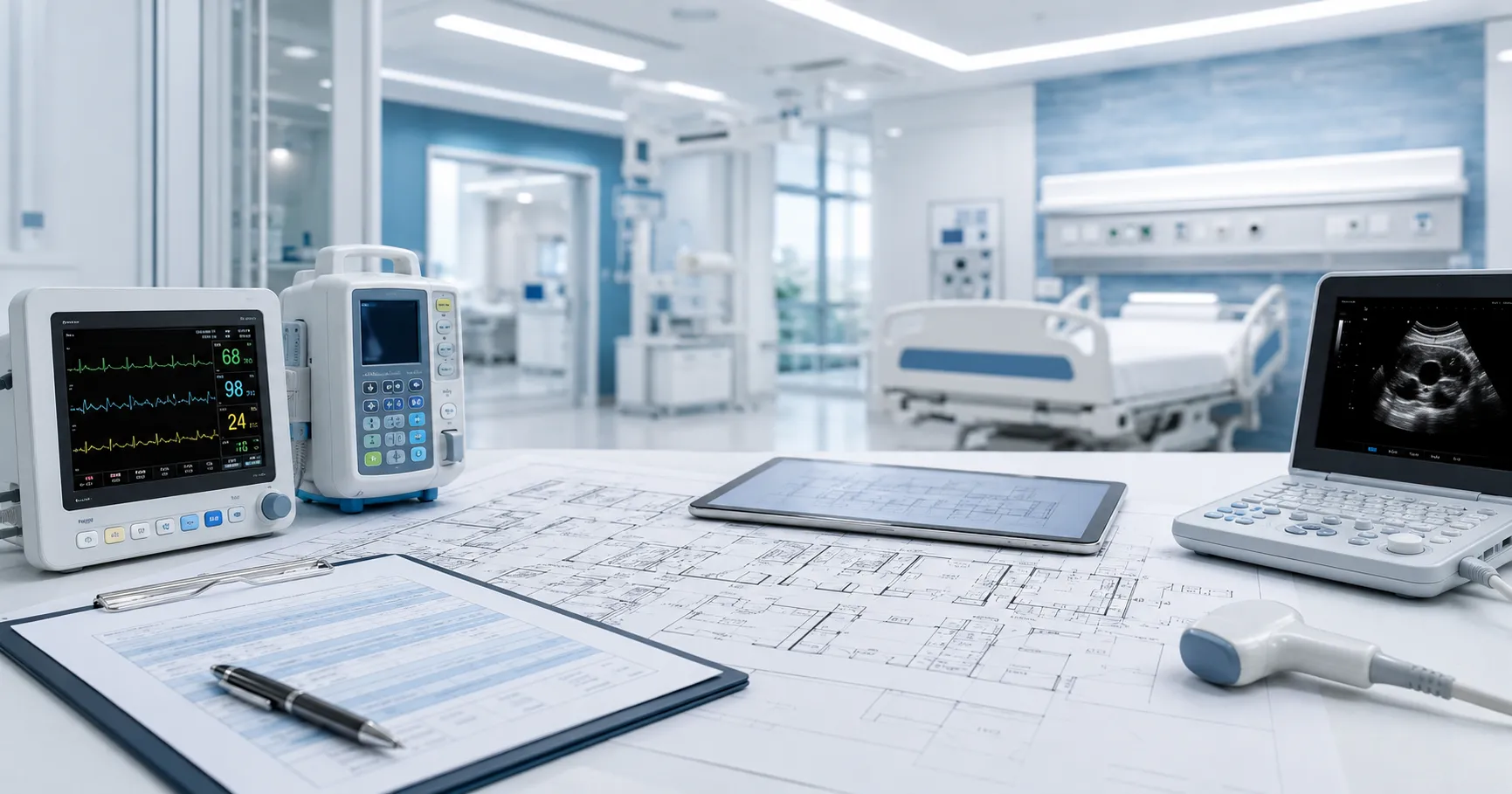
Medical equipment should be coordinated with architectural, mechanical, electrical and digital plans before construction work is finalised.
Room dimensions and clearances — Equipment should fit the room while allowing safe movement, cleaning, maintenance and patient access.
Access routes — Confirm that large devices can pass through loading areas, corridors, doors and lifts. Delivery routes may differ from normal patient routes.
Electrical requirements — Review voltage, frequency, socket type, power load, isolation, earthing and backup supply requirements.
Medical gases and utilities — Equipment may require oxygen, compressed air, vacuum, water, drainage or specialist connections. Connection points should match the planned equipment position.
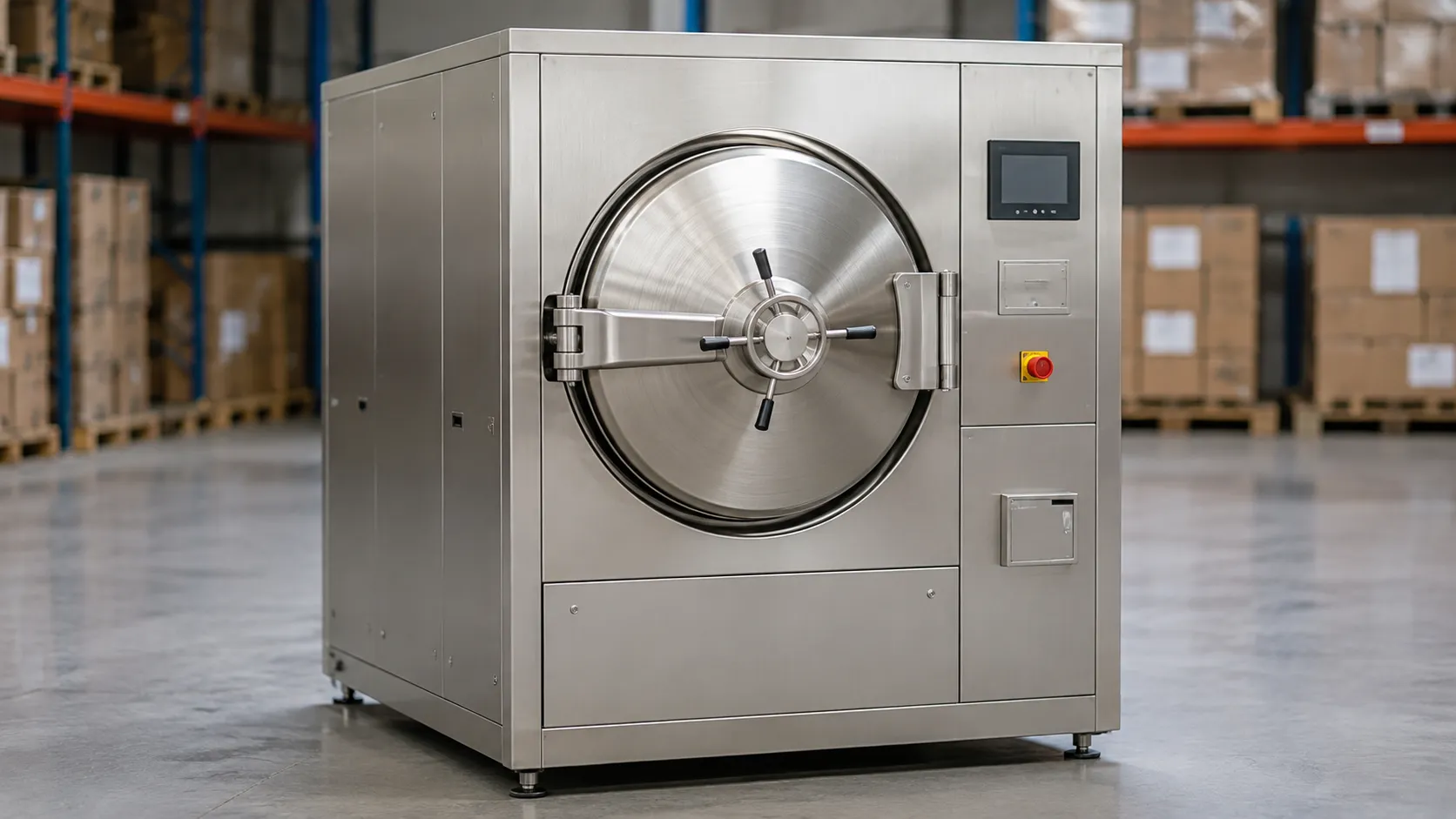
Ventilation and cooling — Imaging, laboratory and sterilisation equipment may generate heat or require controlled environmental conditions.
Structural requirements — Heavy or suspended equipment may need floor reinforcement, wall support or ceiling structures.
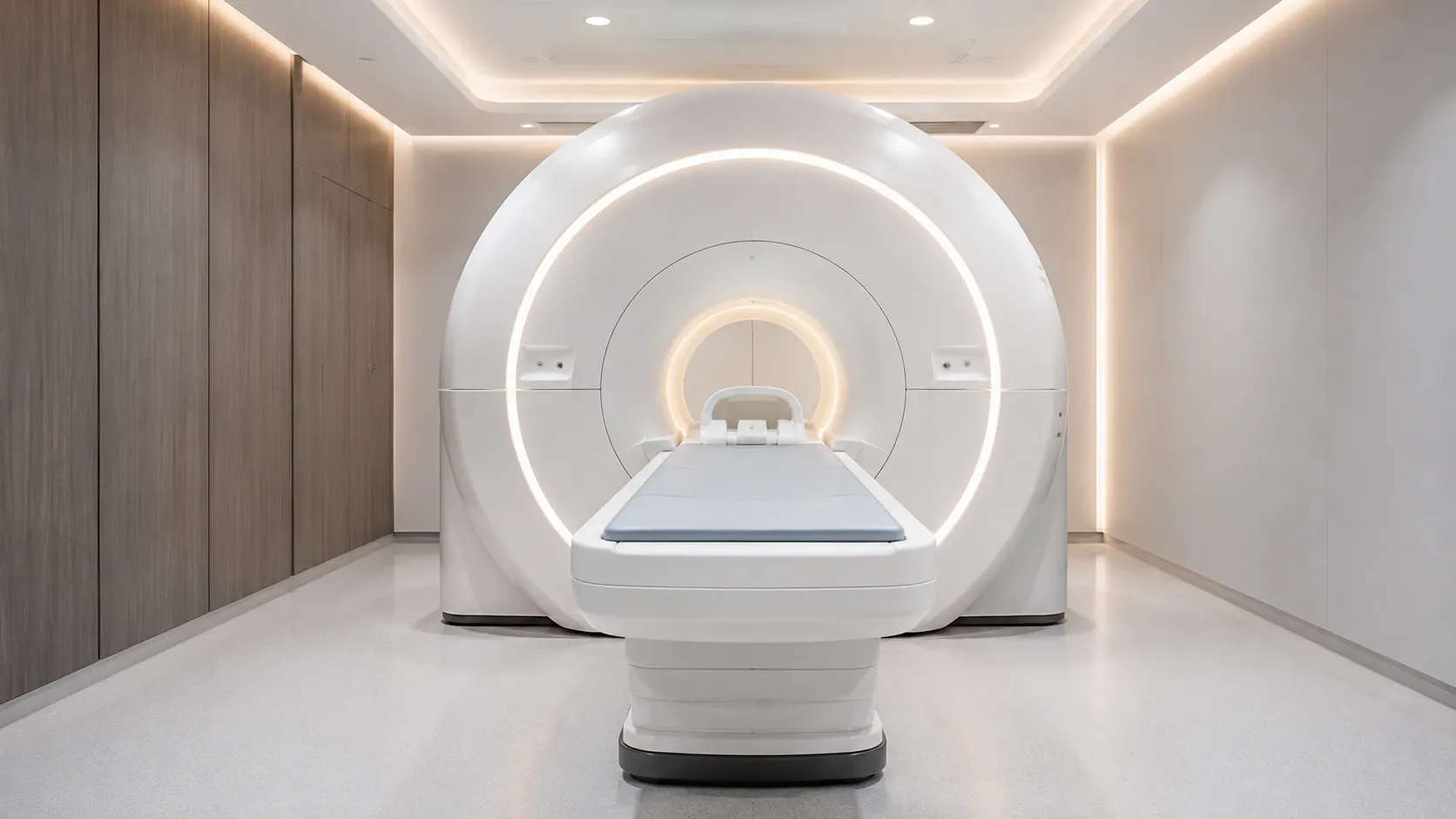
Radiation and safety controls — Imaging projects may require shielding, controlled access and safety systems based on the proposed equipment.
Digital integration — Connected equipment may require network points, server capacity, interfaces, user authentication and cybersecurity controls.
Storage and charging areas — Mobile equipment may require secure storage, charging stations and space for accessories.
Room data sheets and equipment drawings should remain aligned with the latest approved equipment schedule.
Control Specifications, Suppliers and Purchasing
New hospital projects may involve hundreds or thousands of equipment items. A controlled purchasing process helps ensure that products remain technically suitable and commercially comparable.
Prepare performance-based specifications — Specifications should describe required clinical and technical outcomes rather than copy one manufacturer’s catalogue.
Separate mandatory and desirable criteria — Mandatory requirements determine technical eligibility. Desirable functions can be assessed according to operational value.
Request itemised proposals — Healthcare equipment vendors advertising across global markets should provide clear information about equipment, accessories, software, installation and support. Project teams should compare advertised claims with formal technical documents.
Verify regulatory evidence — Equipment should meet applicable local regulatory standards, including CE, FDA, or their regional equivalents, where relevant. Documents should match the exact manufacturer and model.
Assess supplier capability — Review experience, delivery capacity, technical staff, manufacturer relationships and comparable hospital projects.
Compare total costs — the purchase price should be assessed alongside freight, installation, training, maintenance, software, consumables, and spare parts.
Control substitutions — Suppliers should not replace approved models or accessories without documented technical review and project approval.
Coordinate purchasing phases — Orders should reflect construction progress, installation dependencies, storage capacity and hospital opening priorities.
Healthcare developers seeking repeated supply arrangements may benefit from collaborative global distribution and procurement partnerships. Each package should still follow controlled specifications, transparent evaluation and documented approval.
Plan Delivery, Installation and Commissioning
Ordering equipment does not complete the planning process. Delivery and installation must be coordinated with the completion of construction and operational readiness.
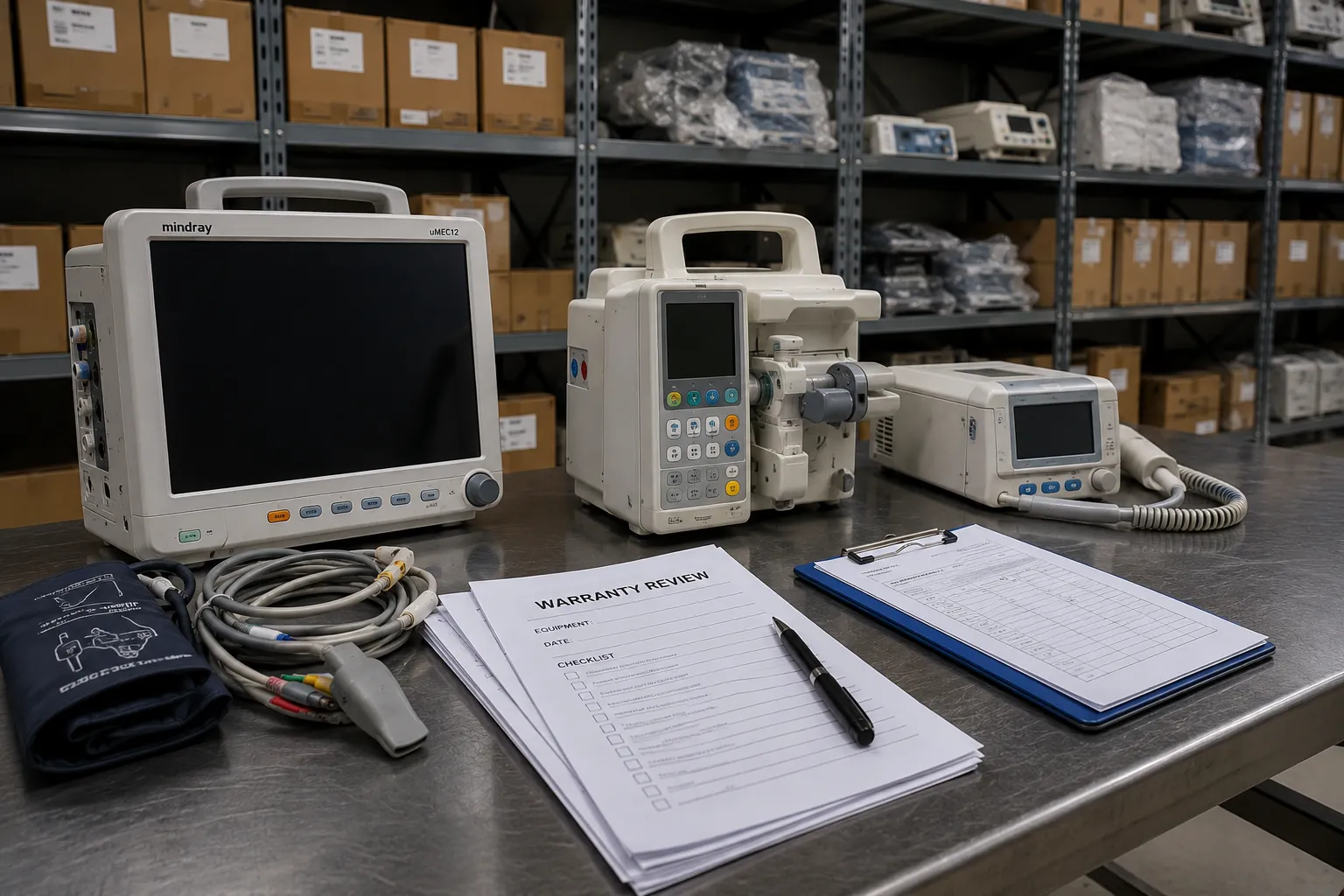
Delivery sequencing — Equipment should arrive when rooms, access routes and utilities are ready. Early delivery can create storage, damage and warranty risks.
Storage requirements — Temporary storage should be secure, dry and suitable for sensitive equipment. Environmental limits and battery conditions should be monitored.
Delivery inspection — Project teams should check quantities, model numbers, packaging condition, accessories and shipping documents before acceptance.
Installation responsibilities — The contract should identify who handles unloading, positioning, assembly, connection, calibration and safety testing.
Site acceptance testing — Equipment should be tested against the approved specification and manufacturer requirements.
Documentation review — User manuals, technical manuals, conformity documents, warranty terms and service contacts should be available before handover.
Asset identification — Equipment should receive an asset number and be entered into the hospital’s maintenance system before clinical use.
Defect control — Missing accessories, damage and non-compliance should be recorded through a formal corrective process.
Commissioning approval — Clinical, technical and project representatives should confirm that the equipment is ready for training and operational use.
Commissioning should demonstrate that the equipment is complete, functional and suitable for the intended room.
Prepare Training, Support and Lifecycle Readiness
A new hospital cannot become operational only because equipment has been delivered. Staff, maintenance systems and support arrangements must also be ready.
Clinical user training — Training should cover operation, alarms, cleaning, routine checks and basic fault reporting.
Biomedical engineering training — Technical teams may require preventive maintenance guidance, diagnostic tools and approved service documentation.
Training schedules — Training should occur close enough to opening for staff to retain practical knowledge. Sessions should be coordinated with shift patterns and staffing plans.
Warranty activation — Confirm when warranty starts and whether early delivery reduces effective coverage before the hospital opens.
Preventive maintenance setup — Service intervals should be entered into the asset-management system from the commissioning date.
Spare-parts planning — Critical batteries, sensors, cables and common replacement parts may need to be available before opening.
Software support — Connected devices require licences, update procedures, user access and cybersecurity responsibilities.
Consumable readiness — Equipment should not be commissioned without the consumables required for initial clinical operation.
Replacement and expansion planning — The equipment strategy should consider future capacity, service expansion and expected support life.
International sourcing assistance — New hospital projects seeking equipment schedules, quotations or global supply coordination can reach the Medigear.uk sourcing and export team. A useful enquiry should include the project scope, equipment categories, quantities, destination and planned opening period.
Lifecycle support should be established before clinical opening so equipment remains available after the project team has completed its work.
Final thoughts
Medical equipment planning for a new hospital should begin during the early clinical and design stages. Equipment requirements can affect rooms, utilities, digital systems, budgets and construction programmes.
The project should maintain a single controlled equipment schedule that links each item to its department, room, specification, budget, and implementation status. Clinical, technical, architectural and commercial teams should work from the same approved information.
Purchasing decisions should consider complete configurations and lifecycle costs rather than base-unit prices. Delivery, installation, commissioning, training, and maintenance must also be planned before the hospital opens.
A coordinated equipment-planning process helps new hospitals reduce project changes, control budgets and begin operations with suitable and supportable medical technology.
Disclaimer
Medigear.uk is a global medical equipment supplier, exporter, and distributor. The content published on this site is intended for educational and product awareness purposes only. Nothing on this page constitutes medical advice, clinical guidance, or treatment recommendations. All healthcare procurement and clinical decisions should be made by qualified medical professionals and compliant procurement teams operating within the regulatory frameworks of their respective countries.