Hospitals cannot plan trauma equipment as a collection of isolated devices. A trauma service depends on rapid patient movement, immediate access to resuscitation tools, reliable imaging, operative readiness, critical care capacity, blood support, infection control, and trained staff who can use every system under pressure. For hospital and clinic buyer teams, the main challenge is matching equipment capacity to expected injury patterns, referral responsibilities, staffing, infrastructure, and surge demand rather than purchasing from a generic list.
A strong plan follows the patient pathway from ambulance arrival through triage, resuscitation, diagnosis, surgery, intensive care, recovery, and transfer. WHO guidance treats trauma capability as part of an integrated emergency care system and stresses that facilities should adapt resources to their local setting and level of care. The sections below explain how to translate that system view into practical equipment decisions.
How Equipment Supports the Trauma Patient Pathway
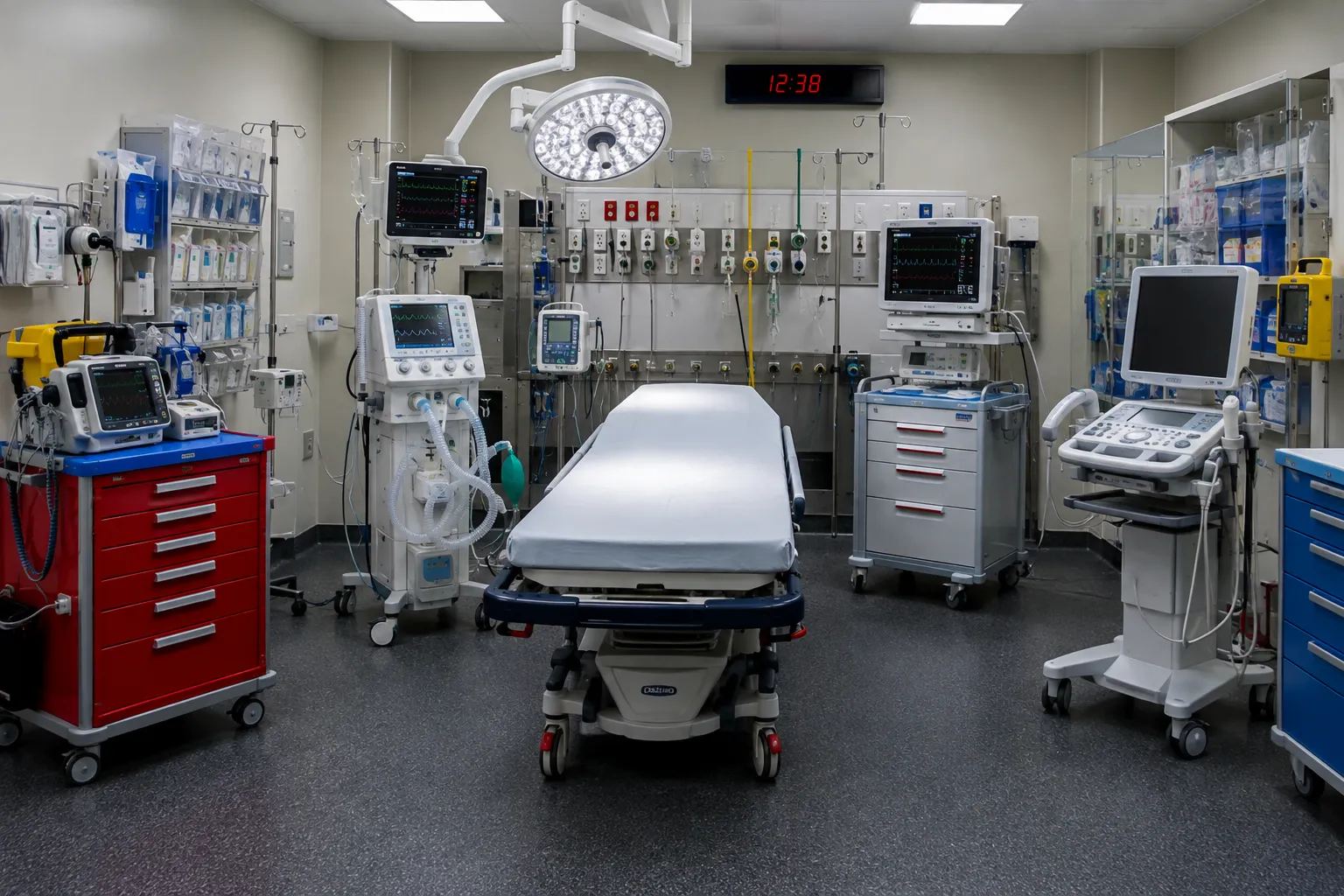
Immediate resuscitation readiness — Trauma bays need equipment for airway management, ventilation, oxygen delivery, suction, defibrillation, physiological monitoring, vascular access, fluid warming, haemorrhage control, and rapid medication administration. In practice, procurement teams often find that the location and standardisation of equipment matter as much as the device specification because staff must reach essential items within seconds.
Rapid diagnosis at the point of care — Portable ultrasound, mobile radiography, blood gas testing, laboratory analysers, and access to computed tomography help clinicians assess internal bleeding, chest injuries, fractures, neurological trauma, and metabolic deterioration. Equipment planning should consider patient transfer time, image availability, radiation safety, and the ability of diagnostic systems to remain operational during peak demand.
Definitive surgical intervention — Trauma operating capacity may require anaesthesia workstations, ventilators, electrosurgical units, orthopaedic power tools, fracture fixation instruments, surgical tables, operating lights, suction systems, blood warming devices, and sterile instrument sets. The operational question is not simply whether a theatre exists, but whether it can be prepared quickly while another emergency procedure is underway.
Ongoing critical care and recovery — Severe trauma patients may require invasive monitoring, mechanical ventilation, infusion therapy, renal support, pressure-relieving surfaces, rehabilitation aids, and safe transport equipment. WHO’s essential trauma care guidance connects physical resources with trained staff and organised processes across facility levels ranging from smaller hospitals to tertiary centres.
Where Trauma Equipment Must Be Deployed Across the Hospital
Ambulance reception and triage — The receiving area should support rapid transfer from an ambulance stretcher to a trauma trolley, immediate oxygen and suction, basic monitoring, warming, and early haemorrhage control. Facilities with high ambulance traffic also need sufficient transport monitors, transfer boards, wheelchairs, and mobile equipment to prevent avoidable delays.
Resuscitation bays — Each bay should have a defined equipment layout, reliable power and medical gas supply, accessible emergency carts, and sufficient space for multidisciplinary teams. WHO describes designated resuscitation areas as hubs where staff, equipment, medicines, and processes are organised to enable efficient life-saving interventions. Hospitals sourcing from verified global medical equipment suppliers should request configuration details, conformity documents, service requirements, and destination-specific import records before shipment.
Imaging, theatre, and interventional areas — Trauma pathways frequently depend on rapid access to CT, mobile X-ray, ultrasound, operating theatres, and, in some hospitals, interventional radiology. Experienced clinical supply managers typically map transfer distances, lift access, door dimensions, radiation-controlled zones, and trolley movements before deciding between mobile and fixed systems.
Critical care, wards, and transfer points — Monitoring, ventilation, infusion, patient warming, mobility aids, and safe transport devices must remain available after initial resuscitation. Trauma capability varies by hospital role: major referral centres may provide comprehensive definitive care, while smaller or remote centres may focus on stabilisation and transfer. ACS standards similarly distinguish trauma centre capability based on available resources, personnel, and the expected scope of care.
Technical Decisions That Affect Trauma Readiness
Monitoring capability and data integration — Patient monitors should support the parameters required by the clinical team, including ECG, oxygen saturation, non-invasive blood pressure, temperature, and capnography where indicated. Buyers should evaluate alarm management, battery life, compatibility with central monitoring, network security, and data export. A monitor that cannot integrate with existing systems may create duplicate documentation and slower handovers.
Ventilation and airway support — Ventilators must be suitable for adult, paediatric, or mixed caseloads and support the modes used by emergency, anaesthesia, and critical care teams. Procurement teams should review oxygen consumption, compressed-air requirements, turbine operation, battery backup, humidification, circuit availability, and transport suitability. One aspect that surprises first-time buyers is how quickly consumable incompatibility can make an otherwise capable ventilator difficult to sustain.
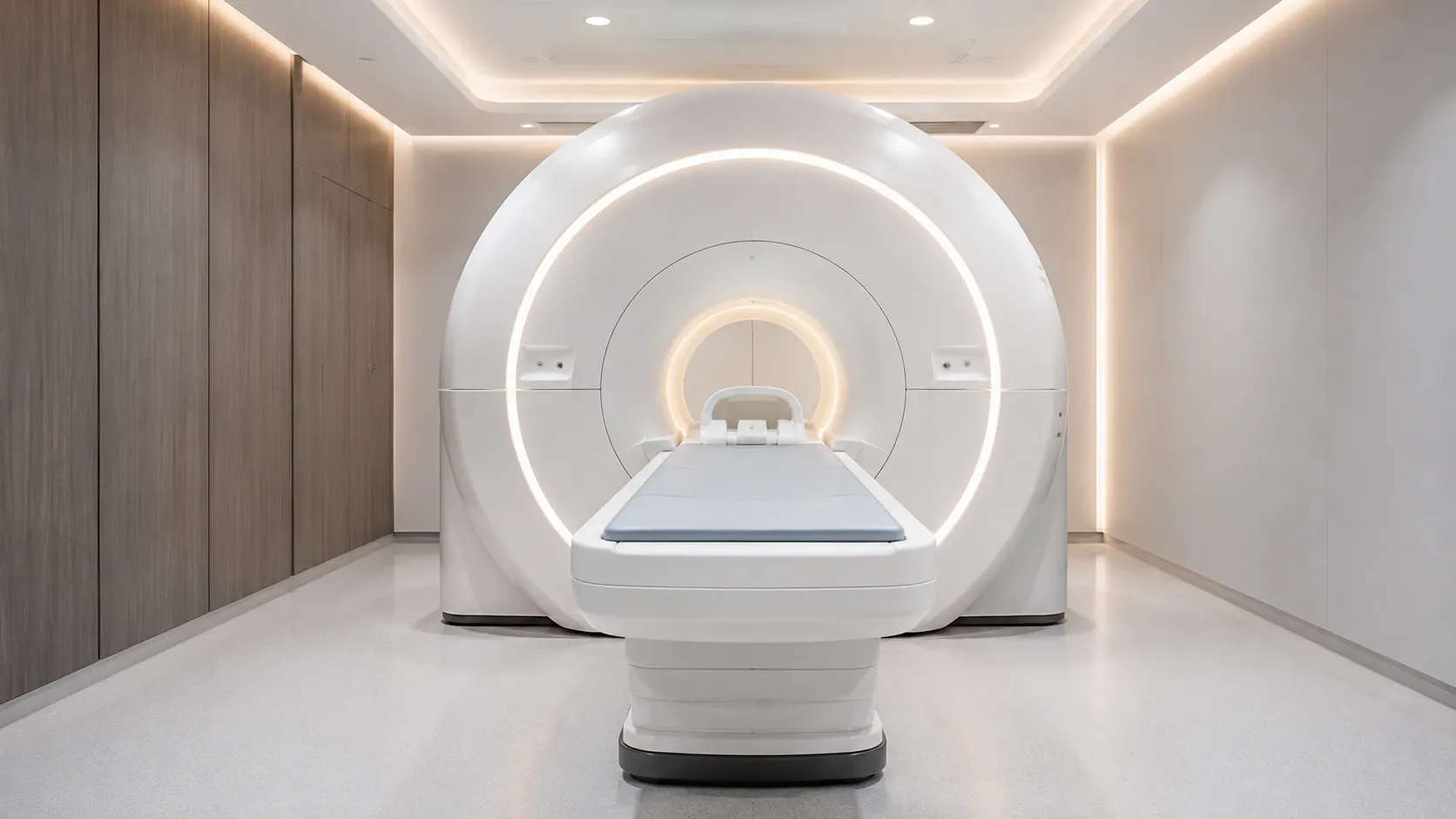
Imaging speed and physical infrastructure — CT throughput, detector configuration, reconstruction capability, table load, gantry opening, contrast injection, radiation management, and service uptime can influence trauma operations. Faster image acquisition creates limited value when patient preparation, radiographer availability, reporting, image transfer, and emergency power are unreliable. Mobile imaging also requires manoeuvring space, battery management, and suitable infection-control procedures.
Power resilience and equipment mobility — Trauma equipment should be assessed for voltage compatibility, plug type, earthing, uninterruptible power supply needs, generator coverage, and battery replacement planning. Mobile devices require effective brakes, handles, cable management, and lift compatibility. Hospitals operating with unstable power may gain greater practical resilience from dependable, battery-backed equipment than from premium features that cannot be consistently supported.
Consumables and accessory standardisation — Connectors, sensors, cuffs, probes, circuits, filters, electrodes, catheters, and sterile accessories should be standardised wherever clinically appropriate. This can reduce inventory complexity, training variation, and emergency substitution. Procurement teams should verify whether compatible accessories are available locally or require repeated international importation.
How Procurement Teams Should Evaluate Trauma Equipment
Plan around clinical demand and surge scenarios — Start with annual trauma volume, injury severity, peak-hour arrivals, mass-casualty planning, operating theatre access, intensive care capacity, referral patterns, and downtime contingencies. Equipment quantities should cover normal workload and realistic overlap rather than assuming that each device will always be available and functioning.
Compare the total cost of ownership — the purchase price represents only one component. Service contracts, preventive maintenance, calibration, software licences, batteries, probes, accessories, consumables, staff training, spare parts, import costs, and expected service life can materially alter the economic decision. A lower-cost device may become expensive when essential components are not locally available.
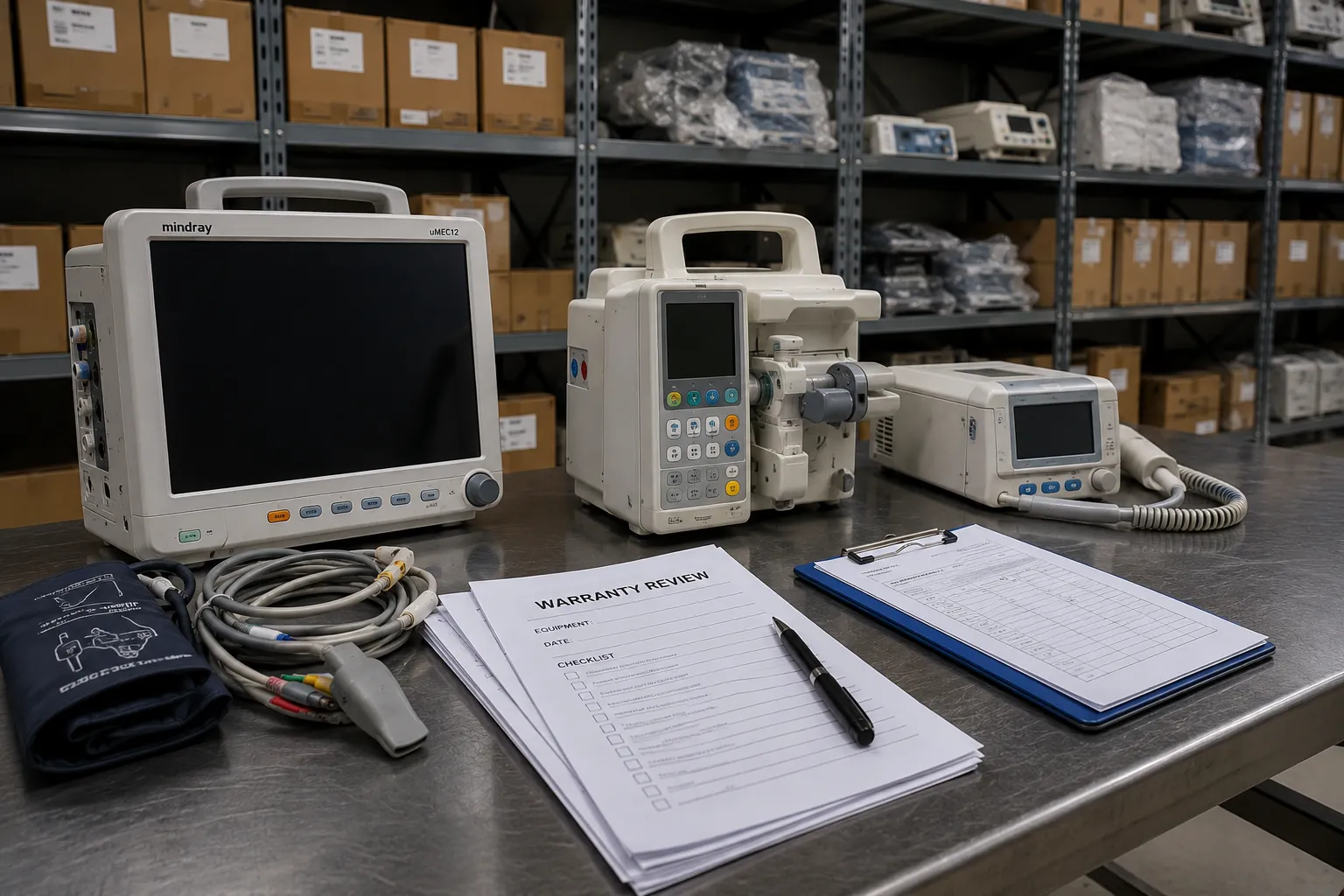
Verify vendors and supporting evidence — Request product registration or conformity documentation applicable to the destination market, manufacturer authorisation where relevant, calibration records, warranty conditions, installation requirements, training plans, and service response commitments. Medical equipment advertising aimed at international procurement teams should present verifiable technical and regulatory information rather than relying entirely on promotional claims.
Test compatibility before contracting — Confirm compatibility with medical gases, electrical infrastructure, hospital networks, sterilisation processes, existing accessories, imaging archives, laboratory systems, and patient transfer workflows. Product demonstrations, sample evaluations, and user acceptance testing can expose practical concerns that are not visible in a specification sheet.
Build accountability into the supply route — Multi-facility hospital groups often benefit from defined escalation contacts, agreed documentation, standard configurations, consolidated training, and measurable service expectations. Structured long-term medical equipment supply partnerships can improve consistency, but contracts should preserve performance checks, transparent pricing, and suitable replacement options.
Maintenance Planning for Reliable Trauma Equipment
Preventive maintenance based on clinical risk — High-dependency equipment such as ventilators, defibrillators, monitors, infusion devices, suction units, imaging systems, and anaesthesia machines should have planned inspection and service schedules. These schedules should reflect manufacturer instructions, applicable local requirements, utilisation, environmental conditions, and clinical risk.
Calibration and functional checks — Devices that measure, deliver, or control clinical parameters need documented performance checks at suitable intervals. Daily or shift-based checks may also be required for emergency carts, batteries, oxygen supplies, suction equipment, airway devices, and warming systems. Records should show the device, result, technician, date, fault, corrective action, and return-to-service approval.
Spare parts and consumable continuity — Facilities should define minimum stock levels for high-use and long-lead items, including batteries, sensors, cables, probes, filters, circuits, lamps, seals, and printer supplies. In markets with limited local service coverage, travel charges, customs delays, remote support limitations, and extended downtime can make maintenance a substantial part of the total cost of ownership.
Cleaning, storage, and ownership — Every device requires an assigned department, storage location, cleaning method, charging routine, and fault-reporting route. Mobile equipment often becomes unavailable because it is missing, left uncharged, stored without complete accessories, or moved without documentation rather than because the central technology has failed.
Global Sourcing and Demand Considerations
Match equipment level to facility capability — Demand differs between major urban trauma centres, district hospitals, remote stabilisation units, field hospitals, and facilities upgrading emergency services. WHO notes that equipment selection cannot be universally fixed because it depends on facility type, workforce, health needs, and infrastructure. The appropriate plan prioritises usable and supportable capacity over the longest possible equipment list.
Prepare for international lead times — Imaging systems, operating tables, ventilators, specialised surgical sets, and customised installations may require manufacturing, factory testing, export packing, freight, customs clearance, site preparation, installation, and commissioning. Buyers should sequence orders according to construction readiness and clinical priority, with contingencies for items that could delay service opening.
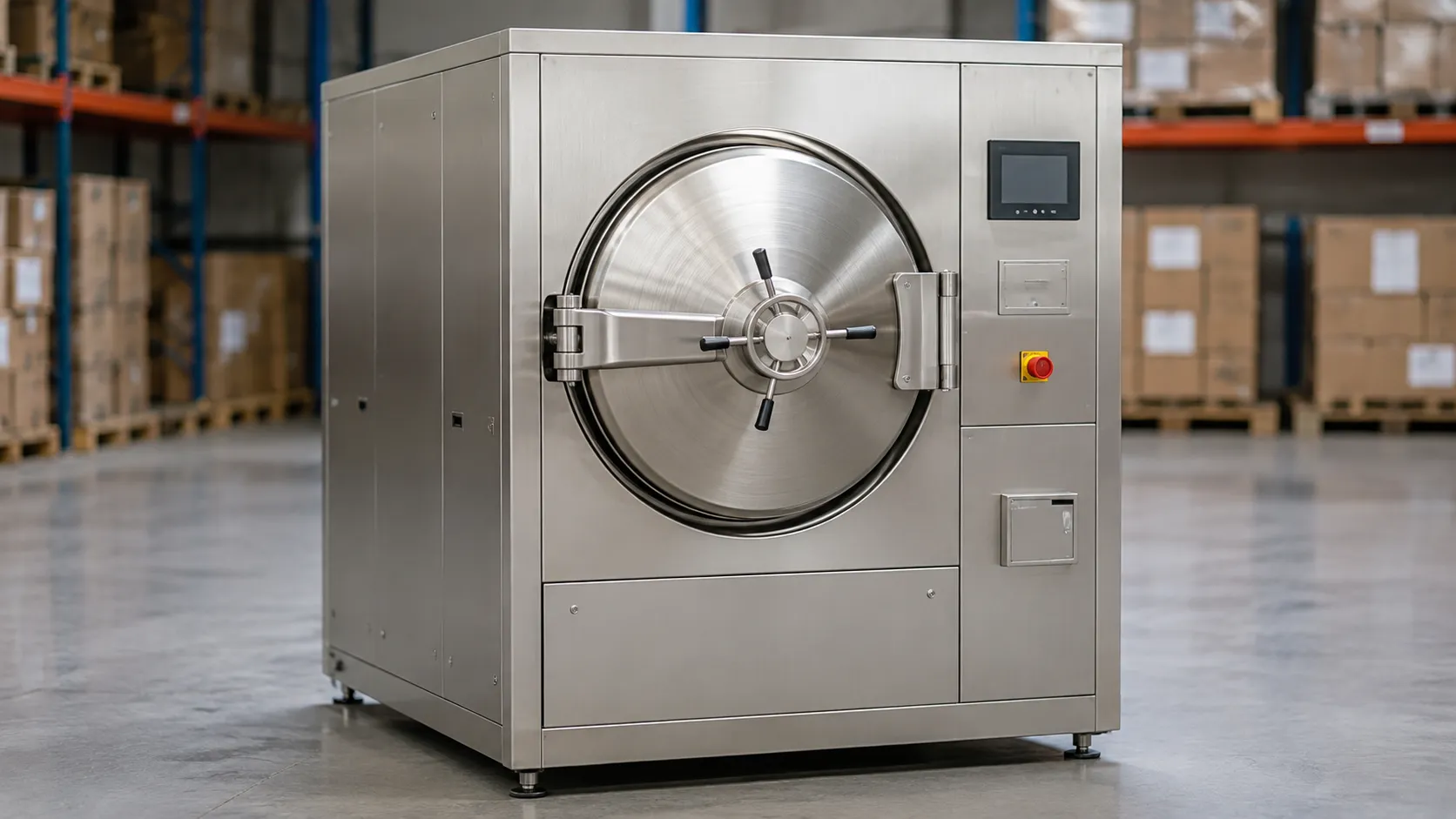
Assess new and refurbished options transparently — New equipment may provide longer warranty coverage, current software, and predictable parts support. Professionally refurbished equipment may reduce capital expenditure, but buyers should verify the scope of refurbishment, component replacements, software status, service history, remaining manufacturer support, warranty coverage, and regulatory acceptability in the receiving country.
Coordinate sourcing with clinical commissioning — Equipment should arrive with manuals, accessory lists, installation records, calibration certificates, training documentation, acceptance tests, and a defined defect-resolution process. Buyers planning multi-category or cross-border procurement can contact the Medigear.uk team for supply support to discuss availability, documentation, logistics, and implementation requirements. WHO emergency resource tools also emphasise organised kits, defined modules, and readiness rather than unstructured accumulation of supplies.
Final thoughts
Effective trauma centre equipment planning integrates resuscitation, diagnosis, surgery, critical care, maintenance, and patient transfer into a single coordinated system. Hospitals should select equipment based on clinical demand, infrastructure, workforce capabilities, service support, and applicable local regulatory standards.
Planning for training, consumables, backup capacity, spare parts, and future replacement from the beginning can reduce downtime and improve long-term equipment reliability. A structured procurement and commissioning process helps ensure that every device is safe, supportable, and ready when urgently required.
Disclaimer
Medigear.uk is a global medical equipment supplier, exporter, and distributor. The content published on this site is intended for educational and product awareness purposes only. Nothing on this page constitutes medical advice, clinical guidance, or treatment recommendations. All healthcare procurement and clinical decisions should be made by qualified medical professionals and compliant procurement teams operating within the regulatory frameworks of their respective countries.