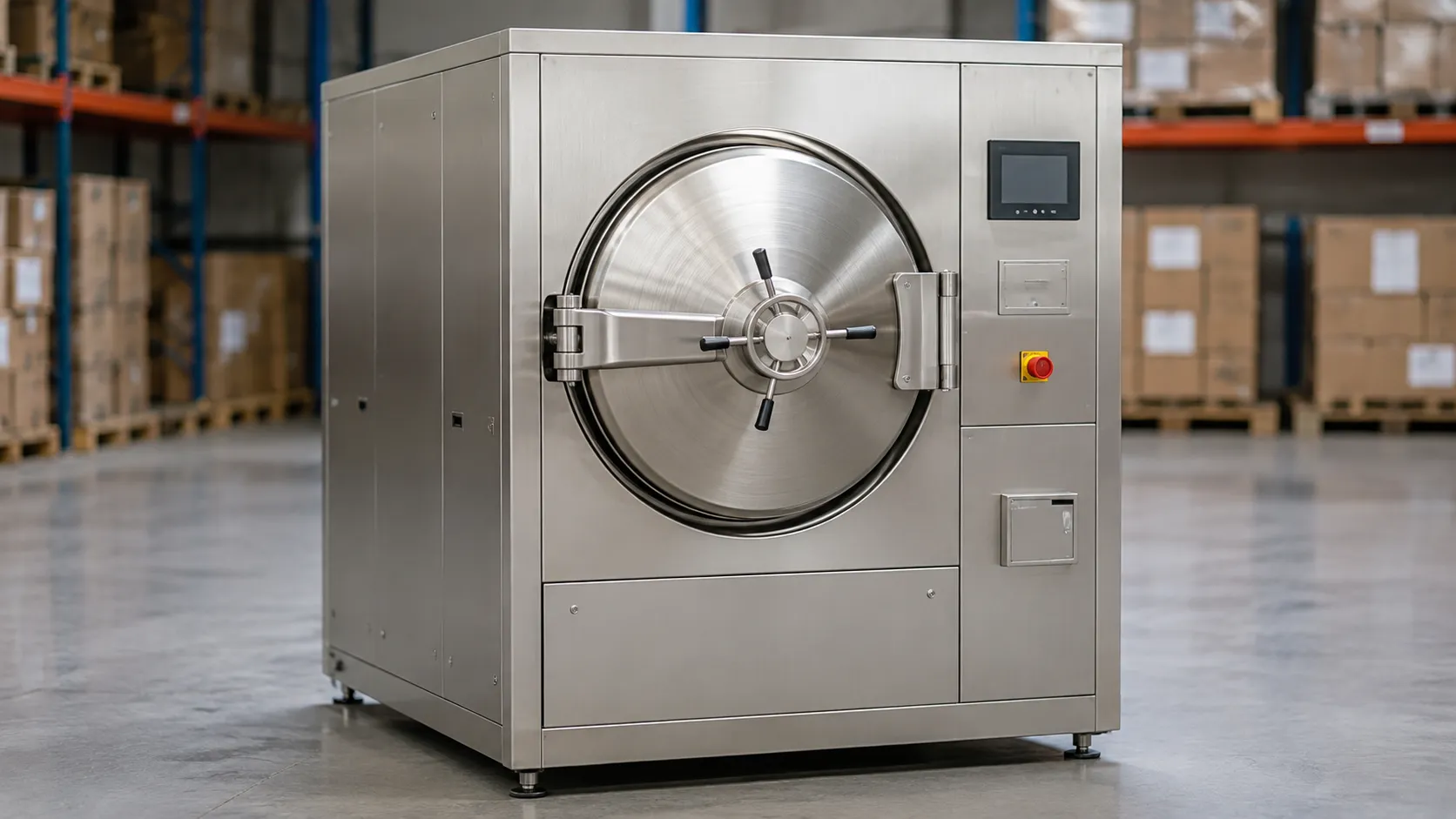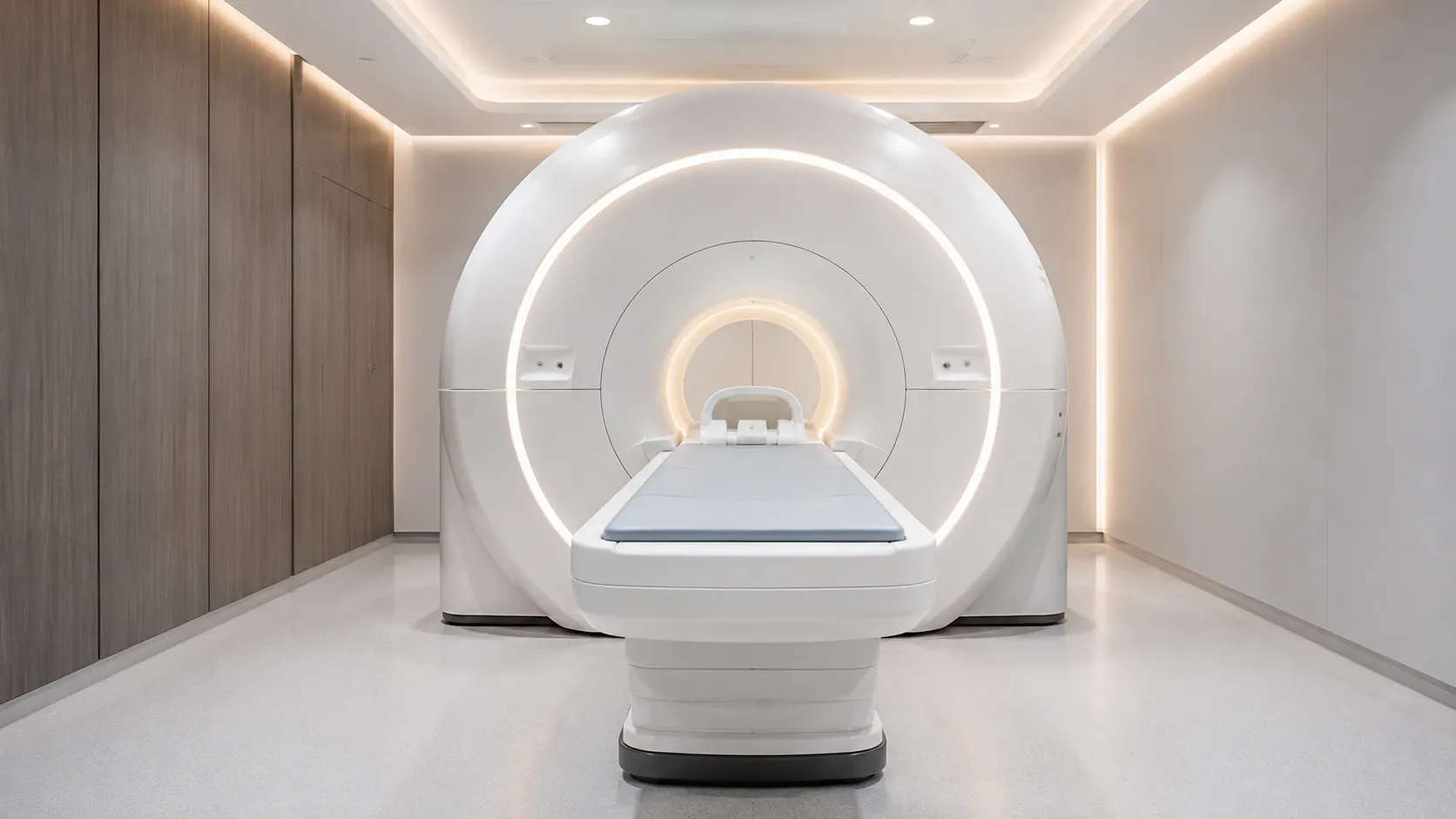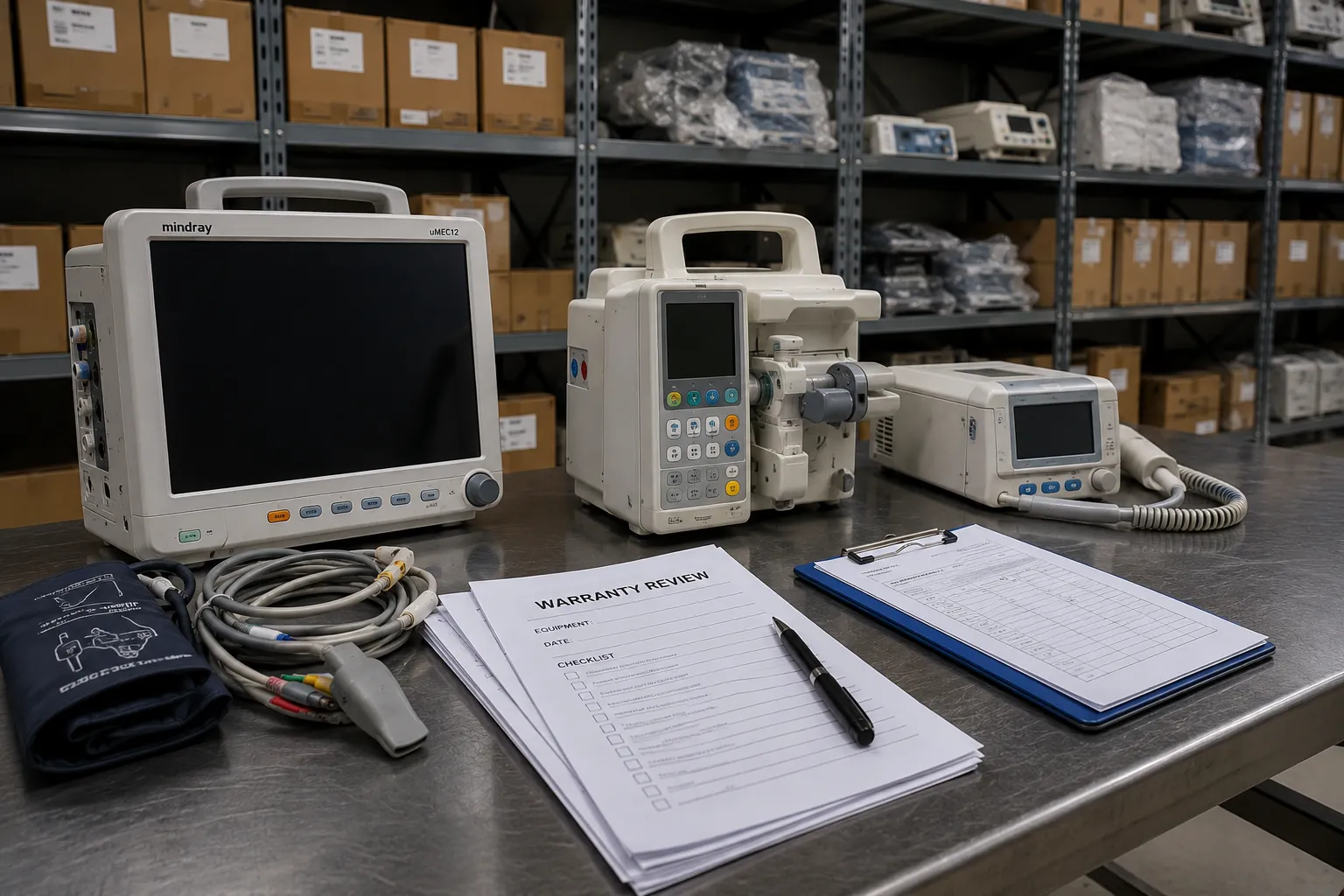
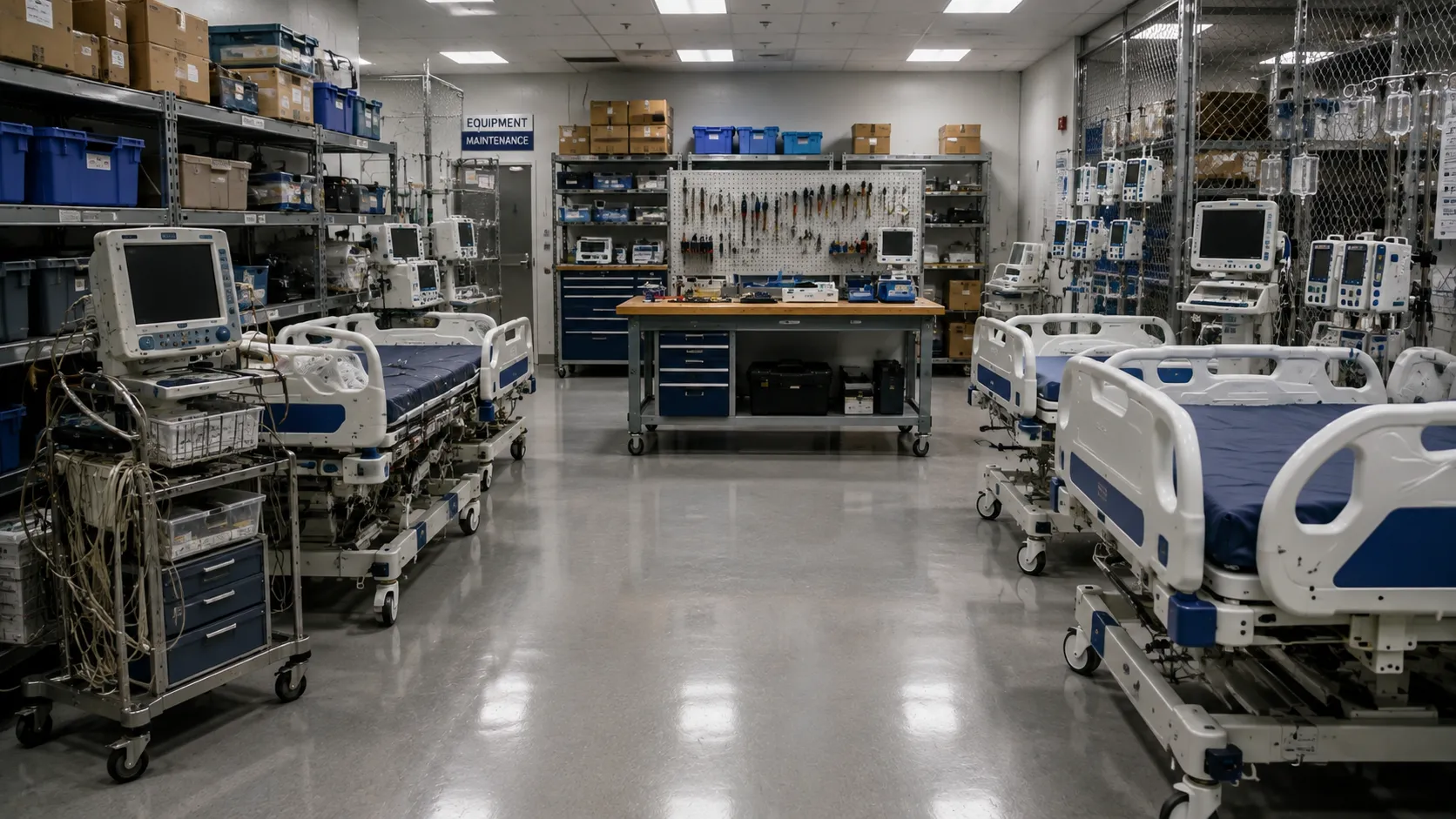
Medical equipment lifecycle planning helps healthcare organisations manage assets from the first clinical requirement through procurement, installation, operation, maintenance, replacement and final decommissioning. Without coordinated planning, facilities may face unexpected service costs, unsupported software, unavailable spare parts and unplanned equipment failures.
For healthcare buyers and medical equipment managers, lifecycle considerations should form part of the original purchasing decision. The initial quotation should be reviewed alongside installation requirements, staff training, consumables, service contracts, software support and expected replacement timing.
Clinical departments, biomedical engineers, procurement teams, facilities managers, finance representatives and suppliers may all contribute to the equipment lifecycle. Their responsibilities should be documented so that important actions do not depend on a single department.
A structured lifecycle plan helps healthcare managers control costs, monitor equipment performance and prepare replacement programmes before ageing assets interrupt clinical services.
Define the Complete Lifecycle Before Procurement
Lifecycle planning should begin when the healthcare organisation identifies a clinical or operational need.
Clinical requirement — Define the procedure, examination, monitoring activity or operational function the equipment must support.
Expected workload — Estimate patient numbers, procedures, tests and operating hours. Equipment capacity should reflect both current and expected future demand.
Technical specification — Establish measurable requirements for performance, accuracy, capacity, connectivity and infrastructure compatibility.
Complete configuration — Identify required probes, cables, batteries, trolleys, software licences, interfaces and starter consumables.
Installation requirements — Review room dimensions, electrical supply, ventilation, water, drainage, medical gases and network connections.
Training requirements — Define the clinical, technical and support staff who require training before operational handover.
Maintenance expectations — Review preventive servicing, calibration, remote support, engineer availability and repair responsibilities.
Expected support period — Ask how long the manufacturer expects to provide parts, software and technical assistance.
In practice, healthcare buyers often discover that the initial equipment price represents only a limited part of the final lifecycle expenditure.
Lifecycle requirements should be included in the specification and request for quotation so that suppliers respond on a comparable basis.
Adapt Lifecycle Planning to the Healthcare Environment
Equipment lifecycle priorities can vary according to facility size, location, clinical workload and technical resources.
Large and teaching hospitals — These facilities may operate complex equipment fleets across many departments. Standardisation, integration and central asset management can support more consistent maintenance and replacement planning.
District and regional hospitals — Longer service travel and spare-parts lead times may require stronger local support arrangements.
When evaluating verified international medical equipment suppliers, healthcare managers should confirm that installation, warranty, parts and service coverage apply to the exact destination.
Community clinics — Smaller facilities may prioritise straightforward operation, low infrastructure demand and predictable ownership costs.
Laboratories and diagnostic centres — Lifecycle planning may include reagents, calibration materials, quality controls, software interfaces and waste-management requirements.
Critical care and surgical departments — Equipment supporting essential services may require backup capacity, faster technical response and stronger spare-parts availability.
Mobile and remote healthcare services — Portable equipment may require additional batteries, protective cases, charging facilities and remote technical support.
New hospital projects — Equipment planning should align with construction, installation, staff recruitment, commissioning and operational opening schedules.
Multi-facility healthcare groups — Standardised models can simplify training, spare-parts stock, service contracts and replacement forecasting.
Experienced healthcare asset managers typically adapt lifecycle controls to the actual operating environment rather than applying one schedule to every equipment category.
Build an Accurate Asset and Performance Record
Reliable lifecycle decisions depend on complete equipment data.
Asset identification — Record the manufacturer, model, serial number, asset number, department and current location.
Procurement information — Retain purchase dates, supplier details, original costs and approved equipment configurations.
Installation and commissioning dates — These dates help establish operational age and warranty activation.
Equipment condition — Record whether the asset is operational, restricted, stored, awaiting repair or approaching replacement.
Warranty status — Include coverage periods, exclusions, supplier contacts and claim procedures.
Maintenance schedule — Link preventive servicing, inspection and calibration requirements to each asset.
Service history — Record faults, repairs, parts used, engineer details, costs and equipment downtime.
Software status — Track software versions, licences, interfaces, updates and cybersecurity support.
Training records — Identify which clinical and technical users have completed relevant equipment training.
Consumable requirements — Record recurring components, approved alternatives, storage conditions and supplier lead times.
Support status — Monitor manufacturer notices about discontinued parts, software or technical support.
Replacement horizon — Assign an estimated replacement period that can be updated as condition and support status change.
An accurate record allows healthcare managers to identify trends rather than making replacement decisions only after equipment fails.
Evaluate Suppliers and Total Lifecycle Costs
Supplier evaluation should include the complete support structure associated with the equipment.
Supplier identity and experience — Confirm the legal business details, manufacturer relationship and relevant healthcare-equipment experience.
Accuracy of commercial claims — Medical equipment companies advertising products to healthcare buyers should ensure that claims about warranty, service life and technical support match formal quotations.
Initial purchase cost — Compare the complete equipment package rather than only the base unit.
Delivery and installation costs — Include packaging, freight, customs, unloading, positioning, configuration and commissioning.
Training expenditure — Review included sessions, participant limits, materials and additional training costs.
Consumable costs — Reagents, filters, electrodes, sensors and other recurring items can significantly affect total ownership expenditure.
Maintenance costs — Compare preventive servicing, calibration, engineer labour, travel and replacement parts.
Software expenditure — Connected devices may require subscriptions, interface licences, storage charges and security updates.
Downtime impact — Consider the operational effect of breakdowns, parts delays and extended repair periods.
End-of-life costs — Data removal, decontamination, transport, resale, recycling, or disposal may incur additional costs.
Healthcare organisations coordinating repeated purchases or multi-site programmes may benefit from structured international medical equipment lifecycle partnerships. Each purchase should still receive model-specific technical, commercial and support evaluation.
The preferred supplier should provide practical lifecycle value rather than only an attractive initial quotation.
Monitor Maintenance, Performance and Obsolescence
Lifecycle management should continue throughout the period that equipment remains operational.
Preventive maintenance completion — Track whether approved dates for inspections, servicing, and calibration are met.
Equipment uptime — Measure operational availability and the duration of technical interruptions.
Fault frequency — Repeated breakdowns may indicate ageing components, unsuitable operating conditions or incomplete repairs.
Repair expenditure — Rising labour and parts costs can show that continued maintenance is becoming uneconomical.
Parts availability — Monitor lead times, discontinued components and changes in supplier availability.
Software support — Review updates, cybersecurity patches, interface compatibility and licence status.
Clinical suitability — Confirm that the equipment still supports current procedures, patient volumes, and departmental workflows.
User feedback — Clinical and technical users may identify reliability, usability or training concerns that are not visible in maintenance data.
Supplier performance — Compare response times, repair completion, parts delivery and documentation with contractual commitments.
Environmental impact — Review energy, water, consumables and waste where these factors materially affect lifecycle decisions.
Obsolescence alerts — Manufacturer support notices should trigger technical and replacement reviews.
Replacement indicators — Increasing downtime, unavailable parts, unsupported software or changing clinical requirements may justify replacement planning.
Lifecycle monitoring should produce practical actions rather than remain only as an administrative reporting exercise.
Plan Replacement, Decommissioning and Lifecycle Renewal
Replacement planning should begin before equipment becomes completely unusable.
Replacement criteria — Establish measurable thresholds involving clinical suitability, reliability, downtime, maintenance cost and support availability.
Capital forecasting — Prepare a prioritised replacement programme covering expected timing and complete implementation costs.
New and refurbished options — Assess both conditions through the same technical, documentation, warranty and support criteria.
Procurement lead time — Allow time for specifications, quotation comparison, manufacturing, international shipping and customs clearance.
Installation coordination — Prepare rooms, utilities, networks and access routes before the replacement equipment arrives.
Temporary service arrangements — Plan loan devices, backup systems or alternative workflows during the transition.
Commissioning and training — Complete safety checks, functional testing and user training before operational release.
Data management — Remove patient, user, and network information from outgoing equipment in accordance with approved processes.
Accessory reconciliation — Identify probes, cables, batteries, trolleys, consumables, and spare parts associated with the old asset.
Asset-register closure — Record the withdrawal date, final condition, and method of disposal: resale, donation, or recycling.
Post-replacement review — Monitor whether the new equipment meets performance, workflow and support expectations.
Healthcare teams seeking equipment comparisons, lifecycle support or replacement quotations can contact the Medigear.uk team for medical equipment sourcing assistance. Enquiries should include the equipment category, current model, required quantity, preferred condition and destination.
Lifecycle renewal should connect maintenance evidence, financial planning,g and clinical requirements into a single controlled replacement decision.
Final thoughts
Medical equipment lifecycle planning provides healthcare managers with a structured way to coordinate procurement, installation, operation, maintenance, and replacement.
The process should begin before purchase and include the full costs of accessories, software, consumables, technical services, and eventual decommissioning.
Accurate asset records, maintenance history, and supplier performance information help managers identify equipment that remains reliable and equipment approaching replacement.
A coordinated lifecycle programme helps healthcare organisations reduce unplanned downtime, use capital more effectively and maintain equipment that remains suitable and supportable.
Disclaimer
Medigear.uk is a global medical equipment supplier, exporter, and distributor. The content published on this site is intended for educational and product awareness purposes only. Nothing on this page constitutes medical advice, clinical guidance, or treatment recommendations. All healthcare procurement and clinical decisions should be made by qualified medical professionals and compliant procurement teams operating within the regulatory frameworks of their respective countries.