Fine ENT instruments are used in clinical work in the confined spaces of the ear, nose, and throat. An ear, nose and throat clinic examines and treats three connected but distinct areas, each with its own instruments for reaching and working in a confined space. Equipping a clinic means covering examinations in all three areas plus the procedures a clinician performs as they move between ear, nose, and throat through a single list.
The twenty-five instruments below are grouped by the area and role they serve. They describe the core of a general otolaryngology clinic, which each site adapts to its subspecialties. Because the work happens in small, awkward spaces, good illumination and fine instruments shape almost every part of an ENT consultation.
How the list is grouped
The instruments fall into five groups: examination, ear instruments, nose instruments, throat instruments, and procedure support. Together they cover assessing and treating the ear, nose and throat, and reading them by area follows how a clinician actually moves through an examination.
Examination
Seeing into confined spaces is central to ENT, and this group is used at the start of most consultations.
-
Headlights — hands-free illumination for examination.
-
Otoscopes — examining the ear.
-
Nasal specula — opening the nasal passage for examination.
-
Tongue depressors and holders — examining the throat.
-
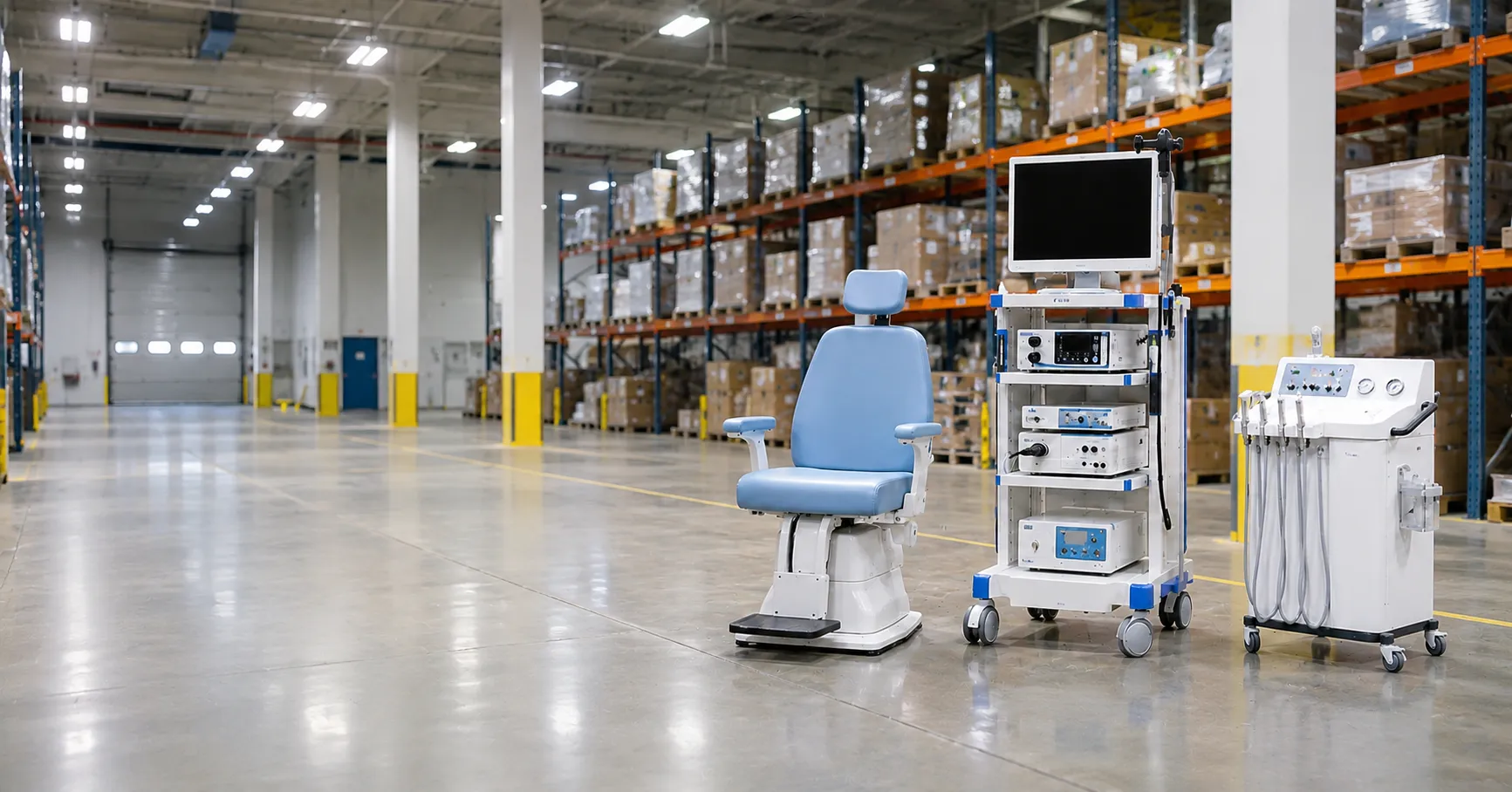
Endoscopes — detailed examination where offered.
Ear instruments
This group is used to examine the ear, often in a very small space.
-
Aural specula — accessing the ear canal.
-
Ear curettes — clearing the ear canal.
-
Crocodile forceps — grasping in the ear.
-
Aural suction — clearing the ear under vision.
-
Wax removal instruments — managing ear wax.
Nose instruments
This group supports examining and treating the nose and is designed for the nasal passages.
-
Nasal forceps — grasping within the nose.
-
Nasal suction — clearing the nasal passage.
-
Nasal packing aids — managing nasal bleeding.
-
Nasal dressing forceps — placing and removing packing.
-
Nasal speculum sizes — matched to the patient.
Throat instruments
Reaching and working in the throat, supporting examination and minor procedures.
-
Laryngeal mirrors — examining the throat.
-
Tonsil instruments — supporting throat procedures.
-
Throat forceps — grasping in the throat.
-
Biopsy forceps — taking samples where needed.
-
Throat suction — clearing the field.
Procedure support
This group supports the minor procedures an ENT clinic performs
-
Surgical— organised instruments for procedures.
-
Minor surgery sets — supporting clinic procedures.
-
Cautery equipment — managing minor bleeding.
-
Suction units — clearing the field during procedures.
-
Instrument sterilisation — reprocessing reusable ENT instruments.
Planning the purchase
An ENT clinic works across three areas in confined spaces, so illumination and fine, well-made instruments matter throughout, and a good headlight or endoscope shapes the whole examination. Endoscopy, where offered, brings its own decontamination and support needs that should be planned. Because instruments are reused and reprocessed between cases, quality, reliable reprocessing keeps the clinic running. Matching instruments to the clinic's subspecialties keeps the list focused on the procedures it actually performs, and consistent instrument sets across consulting rooms also help, since a clinician moving between rooms finds the same familiar tools to hand.
Points to confirm before ordering
-
Illumination. Confirm headlights and lighting suited to confined-space work.
-
Instrument quality. Establish fine, well-made instruments that reprocess well.
-
Endoscopy support. Plan decontamination and support where endoscopy is offered.
-
Subspecialties. Match the range to the clinic's procedures.
-
Reprocessing. Confirm reprocessing for reusable instruments.
Servicing and safety
ENT instruments are fine and reprocessed constantly, and endoscopes in particular need careful decontamination and handling, so inspection, reprocessing and, for endoscopy, defined decontamination all matter. Agreeing servicing and reprocessing keeps the clinic dependable. Ensure the clinic receives published device safety alerts so field safety notices reach the otolaryngology team.
For more on sourcing, you can see how Medigear.uk helps buyers plan a purchase.
Bringing the list together
An ENT clinic works across ear, nose and throat in confined spaces. Grouping the twenty-five instruments this way, prioritising illumination and quality and planning endoscopy turns into a working otolaryngology clinic, and getting the illumination, the instruments and the reprocessing right is what lets it work smoothly across all three areas that it covers. Chosen this way, the ENT instruments keep a clinic working across all three areas.
This article provides general procurement guidance for healthcare organisations. It is not clinical or otolaryngology advice, and it does not replace manufacturer instructions or professional judgement.