Hospital eye care clinic equipment planning connects patient demand with consultation rooms, diagnostic workflows, imaging systems and technical support. A general product list may overlook essential accessories, software, furniture or room conditions required for reliable ophthalmic services.
For healthcare buyers planning hospital eye care equipment, requirements should be developed before supplier quotations are requested. The hospital should first define which examination, imaging, diagnostic, treatment and follow-up services the clinic will provide.
Ophthalmologists, optometrists, nursing representatives, biomedical engineers, facilities personnel and procurement teams may each hold important planning information. Their requirements should be combined into a single controlled equipment schedule.
A structured plan gives hospitals a stronger basis for quantities, room preparation, technical specifications, supplier comparison and long-term asset support.
Define the Eye Care Service and Patient Capacity
Equipment requirements should reflect the hospital’s approved ophthalmology service rather than a generic eye clinic list.
Service scope — Define whether the clinic will provide general consultations, refraction, diagnostic imaging, specialist assessments, minor procedures or surgical follow-up.
Patient demand — Estimate daily appointments, referrals, procedures and peak activity using approved hospital data.
Consultation rooms — Record the number of general, specialist and examination rooms included in the clinic.
Operating schedule — Confirm working days, daily operating hours and any urgent or extended services.
Appointment duration — Include registration, examination, testing, image capture and room-changeover time.
Specialist services — Identify services that require dedicated imaging, diagnostic or procedure equipment.
Staffing model — Record the number of ophthalmologists, optometrists, nurses, technicians and support personnel.
Future growth — Allow for increased referral volumes, new diagnostic services or additional clinic rooms.
In practice, healthcare planners often find that the number of rooms appears sufficient until separate imaging and diagnostic testing steps are included.
Each proposed equipment item should therefore remain connected to an approved service, room or workload requirement.
Organise Equipment by Clinical Area
Room-based planning helps project teams connect equipment with patient flow, staff responsibilities and clinical functions.
Reception and preliminary assessment — Requirements may include workstations, visual acuity systems, weighing equipment and suitable patient seating.
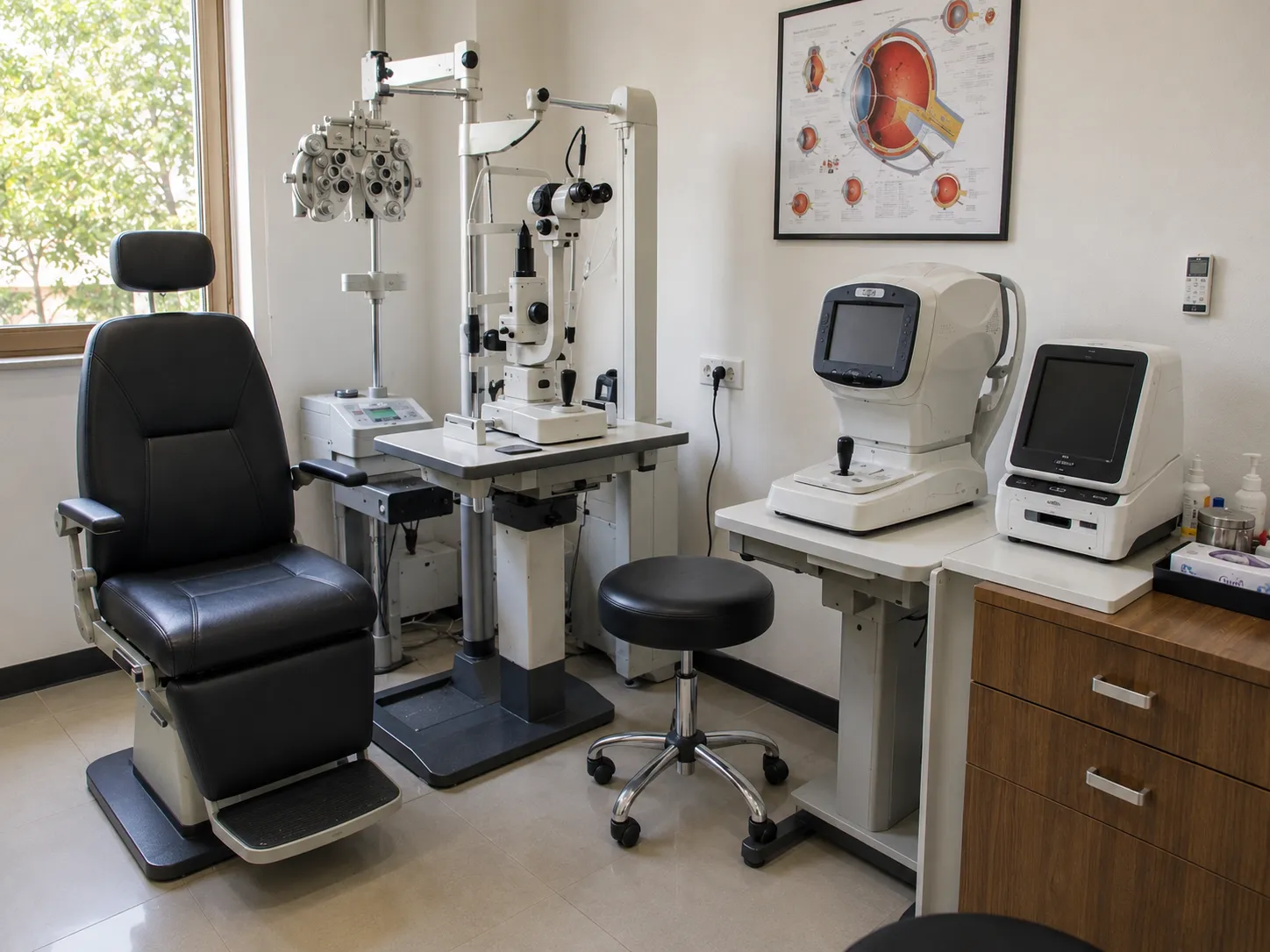
Refraction areas — Equipment may include autorefractors, lensmeters, trial lens sets, visual acuity systems and suitable examination furniture.
When comparing regulated and certified equipment suppliers worldwide, hospitals should confirm that proposed configurations suit the clinic’s services, rooms and digital environment.
Consultation rooms — These may require slit lamps, examination chairs, instrument stands, diagnostic sets and clinical workstations.
Pressure assessment areas — Suitable tonometry equipment and supporting accessories should reflect the clinic’s approved workflow.
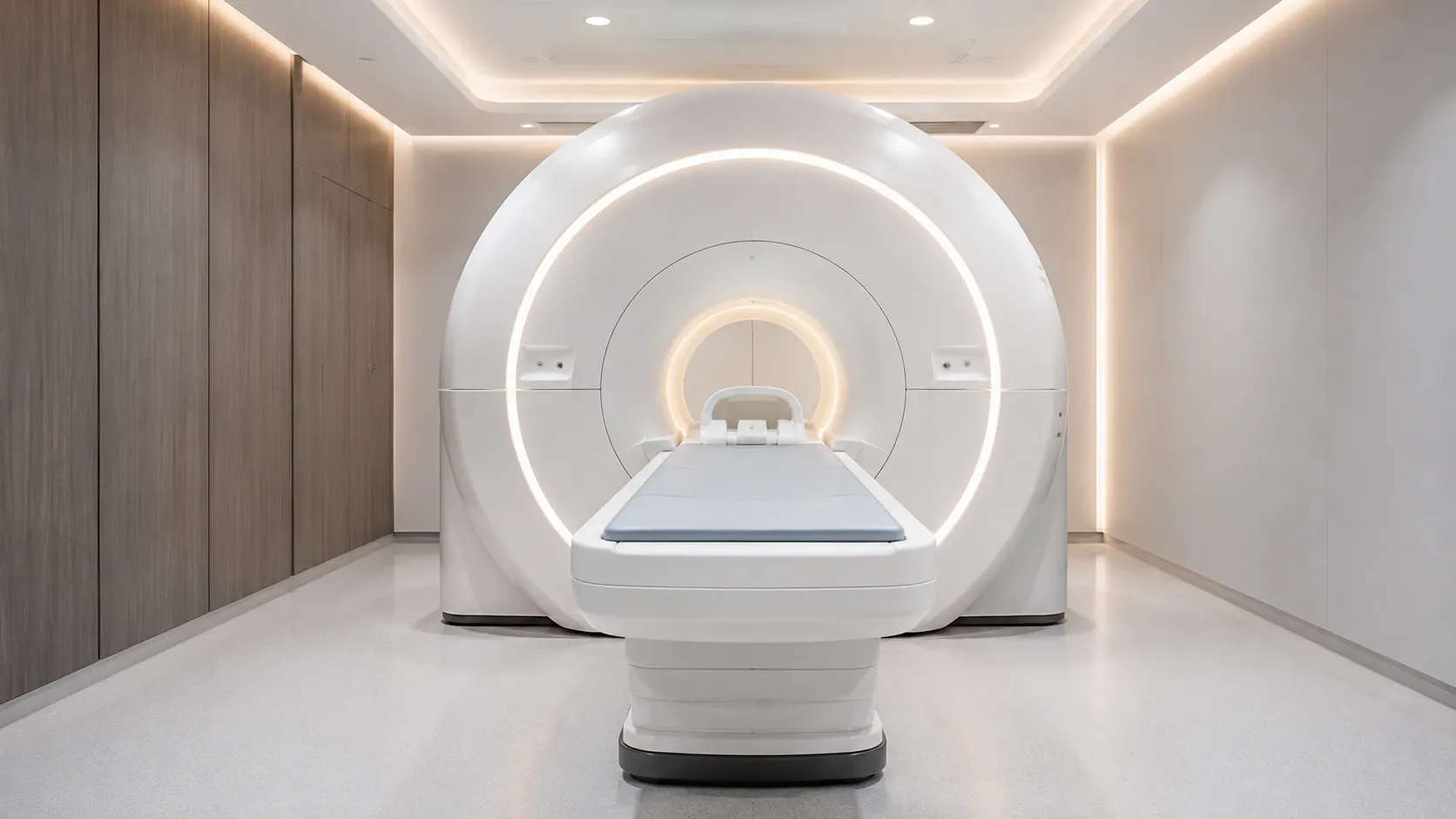
Imaging rooms — Requirements may include fundus cameras, optical coherence tomography systems or other approved ophthalmic imaging equipment.
Visual field testing areas — Equipment should be positioned within a suitable room with controlled lighting and patient access.
Minor procedure rooms — Where included, these areas may require procedure furniture, lighting, microscopes, suction or monitoring equipment.
Recovery or observation spaces — Equipment should reflect the approved procedures and patient-monitoring requirements.
Clinical storage — Provide organised space for lenses, probes, cables, instrument accessories and replacement components.
Experienced ophthalmology managers typically separate consultation equipment, shared diagnostic systems and specialist imaging devices within the schedule.
Set Technical and Workflow Requirements
Ophthalmic equipment should be specified as complete systems that fit the clinic’s workflow and infrastructure.
Clinical performance — Define mandatory measurement ranges, image quality, magnification, illumination and diagnostic functions.
Exact configuration — Include stands, tables, chin rests, lenses, probes, printers, cables and other required accessories.
Patient positioning — Confirm that chairs, tables and equipment adjustments support the intended patients and users.
Room dimensions — Allow suitable space for equipment movement, patient access, staff positioning and maintenance.
Lighting control — Some diagnostic and imaging systems may require controlled ambient lighting or reduced glare.
Electrical supply — Confirm socket quantities, dedicated circuits, grounding, and backup power requirements.
Network connectivity — Digital systems may require interfaces, image storage, user access and cybersecurity controls.
Software requirements — Record licences, analysis tools, updates, integrations and data-export functions.
Data compatibility — Confirm how images and test results will move into approved hospital systems.
Cleaning requirements — Review equipment surfaces, reusable contact points and manufacturer instructions.
Documentation requirements — Request the current manuals, technical records, and applicable compliance documents for the exact models.
Acceptance criteria — Define functional, image-quality, configuration and connectivity checks before operational release.
One aspect that surprises first-time buyers is that an imaging system can produce suitable results but remain difficult to integrate with existing hospital records.
Clinical performance and digital compatibility should therefore be reviewed together.
Compare Suppliers and Commercial Packages
Supplier quotations should describe complete operational configuration, not just the main ophthalmic devices.
Supplier capability — Assess experience with ophthalmic diagnostics, imaging systems, installation and technical support.
Quotation structure — Require separate details for equipment, accessories, software, licences, furniture and services.
Accuracy of product information — Medical equipment companies advertising ophthalmic solutions to healthcare buyers should ensure that performance, configuration and support claims match formal quotations.
Exact models — Record the manufacturer, model, software version and included accessory package.
Equipment condition — Identify whether each product is new, refurbished, demonstration or another approved condition.
Complete acquisition cost — Include equipment, software, delivery, installation, configuration, training and initial support.
Software charges — Clarify licence, subscription, update, storage and integration costs.
Infrastructure exclusions — Define responsibility for room preparation, network work, electrical supply and fixed mounting.
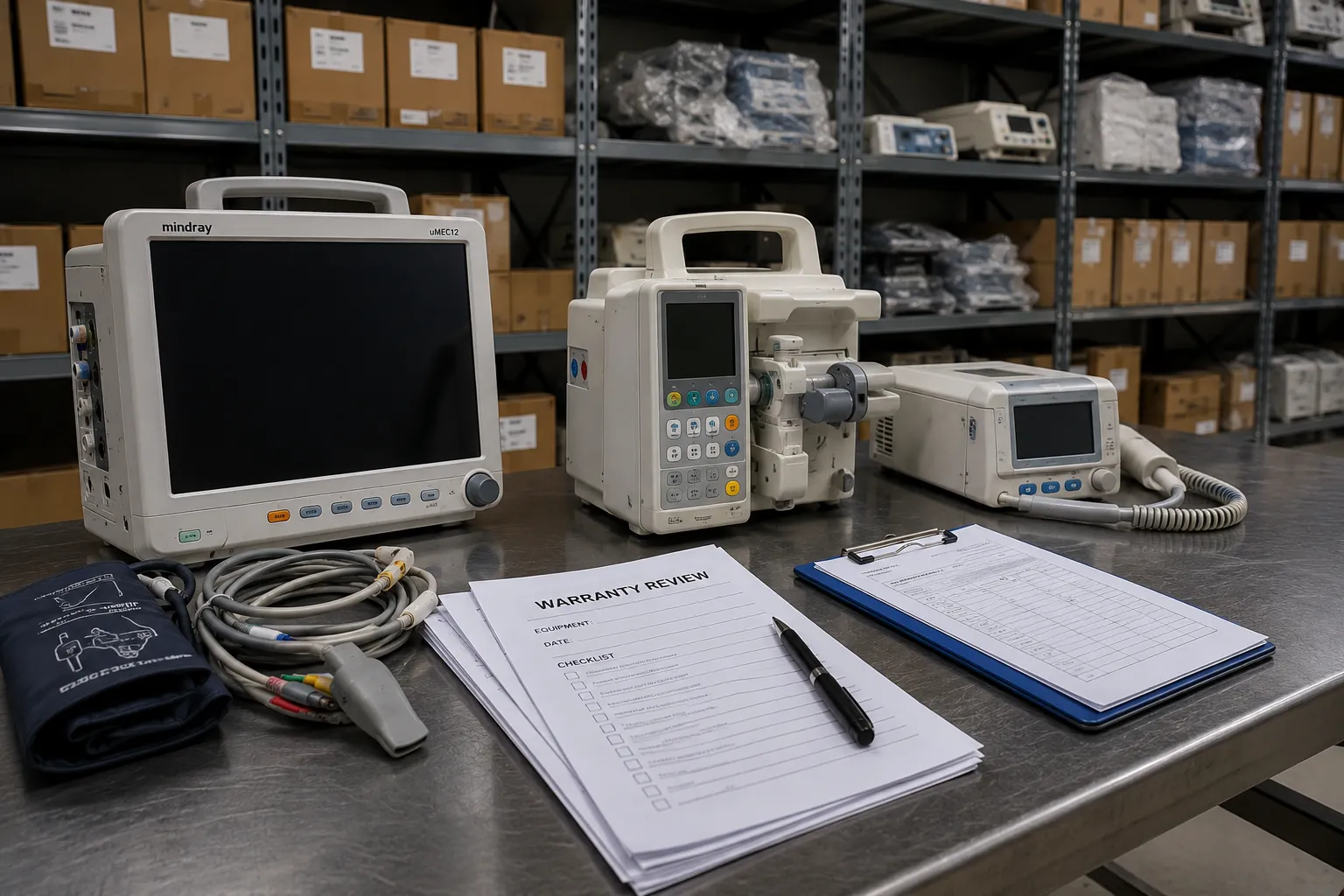
Warranty coverage — Review the start date, duration, parts, labour, travel, freight and exclusions.
Installation scope — Confirm who will position, connect, configure, calibrate and test the equipment.
Training commitment — Record the staff groups, session numbers, trainers and included materials.
Service support — Review engineer access, response targets, spare parts, software assistance and escalation routes.
Healthcare organisations developing new or expanded eye care services may benefit from structured international partnerships for sourcing healthcare equipment.
Each ophthalmology package should still identify its exact models, quantities, software, accessories and implementation responsibilities.
Coordinate Installation and Lifecycle Support
Eye care equipment should arrive only when rooms, utilities, software and responsible teams are ready.
Delivery sequence — Align consultation devices, examination furniture, imaging systems and digital equipment with room completion.
Receiving inspection — Check packaging, manufacturer, model, quantity, serial numbers, accessories and visible condition.
Access planning — Review doors, corridors, lifts and movement routes before large imaging systems arrive.
Room preparation — Confirm power, network, lighting, furniture, privacy and equipment positioning.
Installation programme — Coordinate suppliers, ophthalmology staff, biomedical engineers, facilities teams and digital support.
System configuration — Set up software, users, interfaces, printers, image storage and approved network connections.
Functional testing — Verify measurements, movement, controls, displays and supplied accessories.
Image-quality checks — Confirm that diagnostic imaging systems meet approved acceptance requirements.
Asset registration — Record the manufacturer, model, serial number, location, warranty and maintenance schedule.
Staff training — Provide role-based instruction covering operation, positioning, cleaning and fault reporting.
Preventive maintenance — Plan servicing, calibration and technical inspection without unnecessary clinic disruption.
Continuity arrangements — Identify alternative equipment or referral processes when essential systems are unavailable.
Physical installation should not be treated as confirmation that ophthalmic equipment is ready for operational use.
Monitor Performance and Approve Future Changes
Operational evidence should guide equipment replacement, expansion and service improvements.
Equipment utilisation — Compare planned quantities with actual consultation, imaging and testing activity.
Image quality — Review repeated scans, failed captures, artefacts and user feedback where relevant.
Equipment reliability — Track faults, downtime, repeat repairs and unavailable accessories.
Software performance — Monitor licence status, compatibility, updates, storage and integration problems.
Maintenance compliance — Review servicing, calibration, inspections and outstanding technical actions.
Supplier performance — Assess delivery accuracy, installation, training, engineer response and spare-parts availability.
Staff feedback — Collect structured comments on usability, workflow, positioning and equipment access.
Room performance — Review whether the layout, lighting, and furniture support efficient equipment use.
Replacement planning — Use condition, utilisation, reliability and software support to prioritise future purchases.
Change control — Require formal approval for substitutions, software changes or equipment relocation.
Healthcare organisations seeking ophthalmic equipment packages, quotations, or international sourcing support can contact the Medigear.uk team for assistance with medical equipment. Enquiries should include the planned services, room numbers, equipment categories, quantities and destination.
The eye care equipment plan should remain active as clinical services, patient demand, technology and supplier support arrangements change.
Final thoughts
Hospital eye care clinic equipment planning should begin with the approved service model, patient demand and room-level workflow.
Healthcare teams should coordinate examination devices, refraction equipment, imaging systems, procedural equipment, furniture, and digital infrastructure through a single controlled plan. Technical specifications should cover accessories, software, room requirements and maintenance.
Supplier quotations should clearly identify complete configurations, implementation services and commercial exclusions.
A structured planning process helps hospitals improve diagnostic workflows, equipment reliability and long-term ophthalmology service capacity.
Disclaimer
Medigear.uk is a global medical equipment supplier, exporter, and distributor. The content published on this site is intended for educational and product awareness purposes only. Nothing on this page constitutes medical advice, clinical guidance, or treatment recommendations. All healthcare procurement and clinical decisions should be made by qualified medical professionals and compliant procurement teams operating within the regulatory frameworks of their respective countries.