Home healthcare has evolved from a supplementary service into an essential part of modern healthcare delivery. Advances in medical technology, changing patient expectations, and the growing need for accessible care have accelerated the demand for home healthcare equipment worldwide. Today, a wide range of products helps individuals manage daily healthcare needs while supporting caregivers and healthcare professionals.
Understanding market trends can help healthcare buyers, distributors, and suppliers make informed decisions about future investments and equipment selection.
The Shift Toward Home-Based Care
Healthcare systems are increasingly supporting care beyond traditional clinical environments. Home healthcare equipment enables individuals to receive assistance while remaining in familiar surroundings.
Supporting Independent Living – Many people prefer solutions that allow them to maintain their daily routines.
Improving Accessibility – Portable and user-friendly equipment makes healthcare more convenient.
Assisting Caregivers – Practical equipment can simplify everyday support activities.
This shift continues to influence product development and healthcare procurement strategies.
Growing Demand for Portable Equipment
Portability has become a key trend across many healthcare product categories.
Popular portable solutions include:
-
Blood pressure monitors.
-
Pulse oximeters.
-
Oxygen concentrators.
-
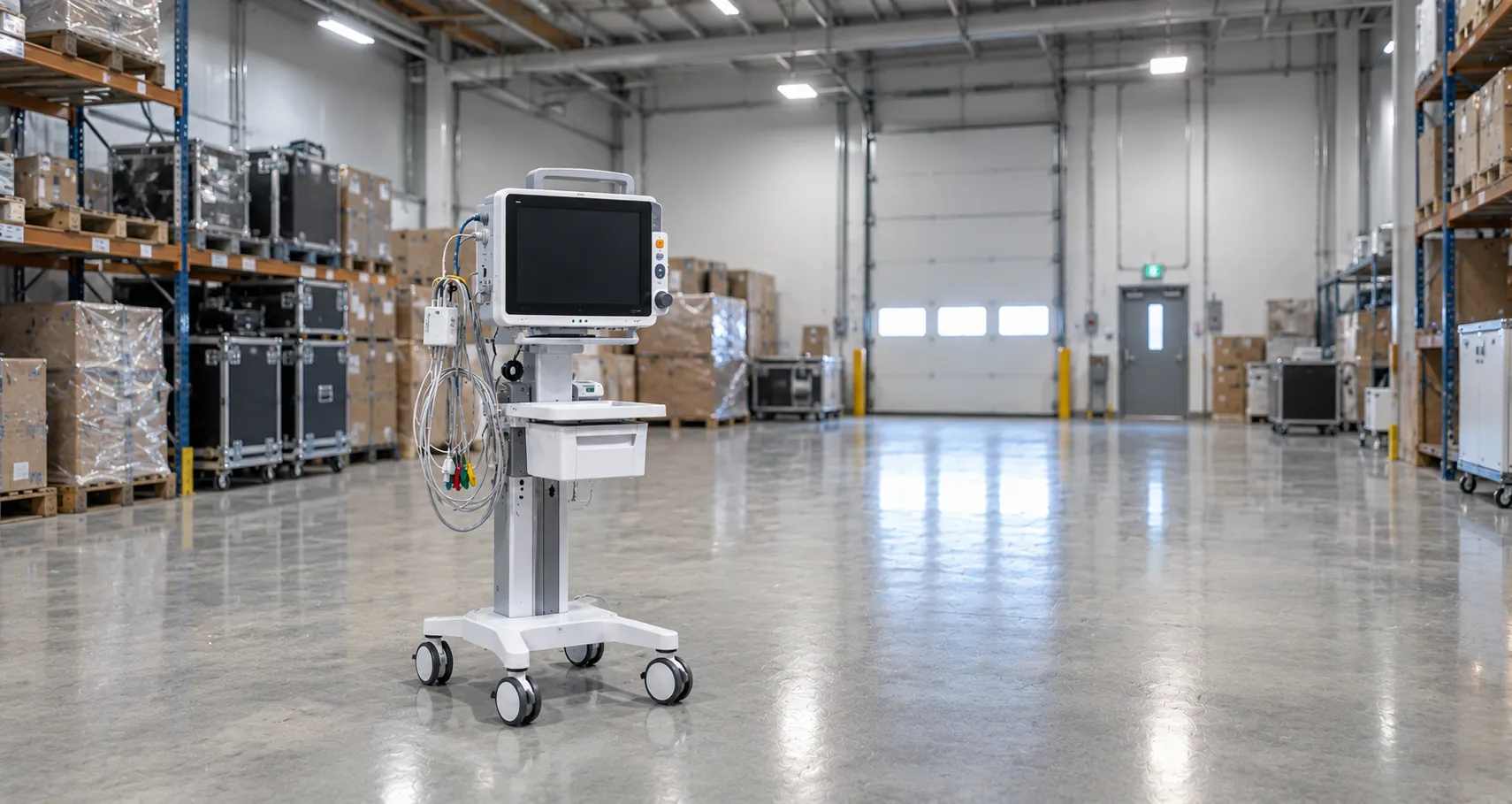
Portable patient monitors.
-
Mobility aids.
-
Nebuliser systems.
Compact designs allow equipment to be used in different areas of the home and during travel.
Healthcare organisations and procurement teams exploring sourcing opportunities can discover more through buyer services.
Smart Technology Is Expanding
Digital innovation continues to shape home healthcare equipment.
Wireless Connectivity – Simplifies information sharing.
Mobile Application Integration – Supports equipment management.
Cloud-Based Data Storage – Improves record organisation.
Digital Display Systems – Enhance usability.
Automated Alerts – Assist with equipment monitoring.
Technology improvements are helping create more connected healthcare environments.
Mobility Equipment Continues to Evolve
Mobility products remain an important segment of the home healthcare market.
Current developments include:
Lightweight Materials – Improve transportation and handling.
Foldable Designs – Simplify storage.
Enhanced Comfort Features – Support everyday use.
Modular Accessories – Increase customisation options.
Mobility solutions continue adapting to changing user requirements.
Home Monitoring Devices Are Becoming More Common
Routine health monitoring equipment has become increasingly accessible.
Common products include:
-
Digital blood pressure monitors.
-
Pulse oximeters.
-
Thermometers.
-
Weight monitoring devices.
-
Portable vital signs monitors.
Simple operation and portable designs have contributed to broader adoption.
Healthcare suppliers interested in expanding their market reach can learn more through business suppliers.
Respiratory Equipment Innovation
Respiratory support equipment continues to develop alongside broader healthcare trends.
Recent improvements include:
Compact Oxygen Concentrators – Easier transportation.
Quiet Operation – Improved user comfort.
Rechargeable Battery Systems – Greater flexibility.
Energy-Efficient Designs – Lower operating requirements.
Manufacturers continue focusing on convenience and practicality.
Buyer Expectations Are Changing
Healthcare buyers increasingly evaluate equipment based on long-term value.
Important considerations include:
Ease of Use – User-friendly products improve accessibility.
Maintenance Requirements – Routine servicing should remain manageable.
Product Durability – Reliable construction supports longevity.
Future Compatibility – Flexible equipment can adapt to changing needs.
Operational Costs – Long-term ownership expenses influence purchasing decisions.
Careful evaluation helps improve procurement outcomes.
Sustainability Is Influencing Product Design
Environmental considerations are becoming more important in healthcare equipment development.
Emerging trends include:
Energy-Efficient Operation – Reduces resource consumption.
Durable Construction – Supports longer equipment life.
Reusable Components – Minimise waste where appropriate.
Compact Packaging – Simplifies transportation and storage.
Sustainability initiatives often complement operational efficiency.
Maintenance Remains a Priority
Reliable performance depends on regular equipment care.
Routine Cleaning – Supports equipment longevity.
Battery Maintenance – Keeps portable devices operational.
Component Inspections – Identify wear before problems develop.
Preventive Servicing – Helps reduce unexpected downtime.
Well-maintained equipment provides better long-term value.
Healthcare organisations interested in collaboration opportunities can explore: business partners.
Businesses looking to strengthen their presence within the healthcare sector can discover: business advertise.
For procurement guidance and product enquiries, assistance is available through the Contact Team
Looking to the Future
Several developments are expected to influence the home healthcare equipment market over the coming years.
Artificial Intelligence Integration – Supporting equipment management.
Remote Monitoring Technologies – Expanding healthcare accessibility.
Compact Multi-Function Devices – Combining several capabilities into a single product.
Improved Battery Technology – Extending portable equipment operation.
Enhanced Digital Connectivity – Supporting information sharing across healthcare environments.
The home healthcare equipment market continues to evolve as technology and healthcare delivery models adapt to changing needs.
Conclusion
Home healthcare equipment market trends reflect a broader movement toward accessible, flexible, and technology-driven healthcare solutions. Portable monitoring devices, mobility aids, respiratory equipment, and connected healthcare technologies are helping reshape how care is delivered outside traditional healthcare facilities.
For buyers and healthcare organisations, understanding these trends can support better procurement planning and long-term equipment strategies, as well as adaptation to future healthcare requirements.
Disclaimer:
Medigear.uk is a medical equipment supplier and distributor. We do not provide medical advice, diagnosis, or treatment recommendations. All information is for educational and product awareness purposes only. Qualified medical professionals should always make healthcare decisions.