A harmonic scalpel is an ultrasonic surgical instrument that cuts and coagulates tissue at the same time using mechanical vibration rather than electrical current or a hot blade. Its blade oscillates roughly 55,500 times a second, and that rapid movement generates frictional heat at the tissue interface, breaking down protein and sealing small vessels as it divides tissue. The result is a clean cut with limited bleeding and, importantly, no electrical current passing through the patient.
For a theatre buyer, the harmonic scalpel sits alongside electrosurgery and lasers as an energy platform, and it is bought as a system: a generator, a reusable handpiece transducer and the disposable blade or shears that do the work. Specifying it well means understanding where ultrasonic energy earns its place and what the consumable stream will cost over a year.
How ultrasonic cutting works
The generator converts mains-frequency electricity into a high-frequency electrical signal. That signal drives a stack of piezoelectric elements in the handpiece, which expand and contract to produce ultrasonic vibration. The vibration travels along the shaft to the active blade, which moves a very small distance many thousands of times per second. Where the blade contacts tissue, the mechanical energy denatures protein to form a coagulum, and the same motion cuts. Because the process works at lower temperatures than electrosurgery or laser, the lateral thermal spread to surrounding tissue is comparatively small, which is the main clinical attraction. Crucially, no current flows to the patient, so there is no return electrode or patient plate to manage and no risk of the capacitive coupling or stray-current burns associated with monopolar diathermy.
The system: generator, handpiece and blade
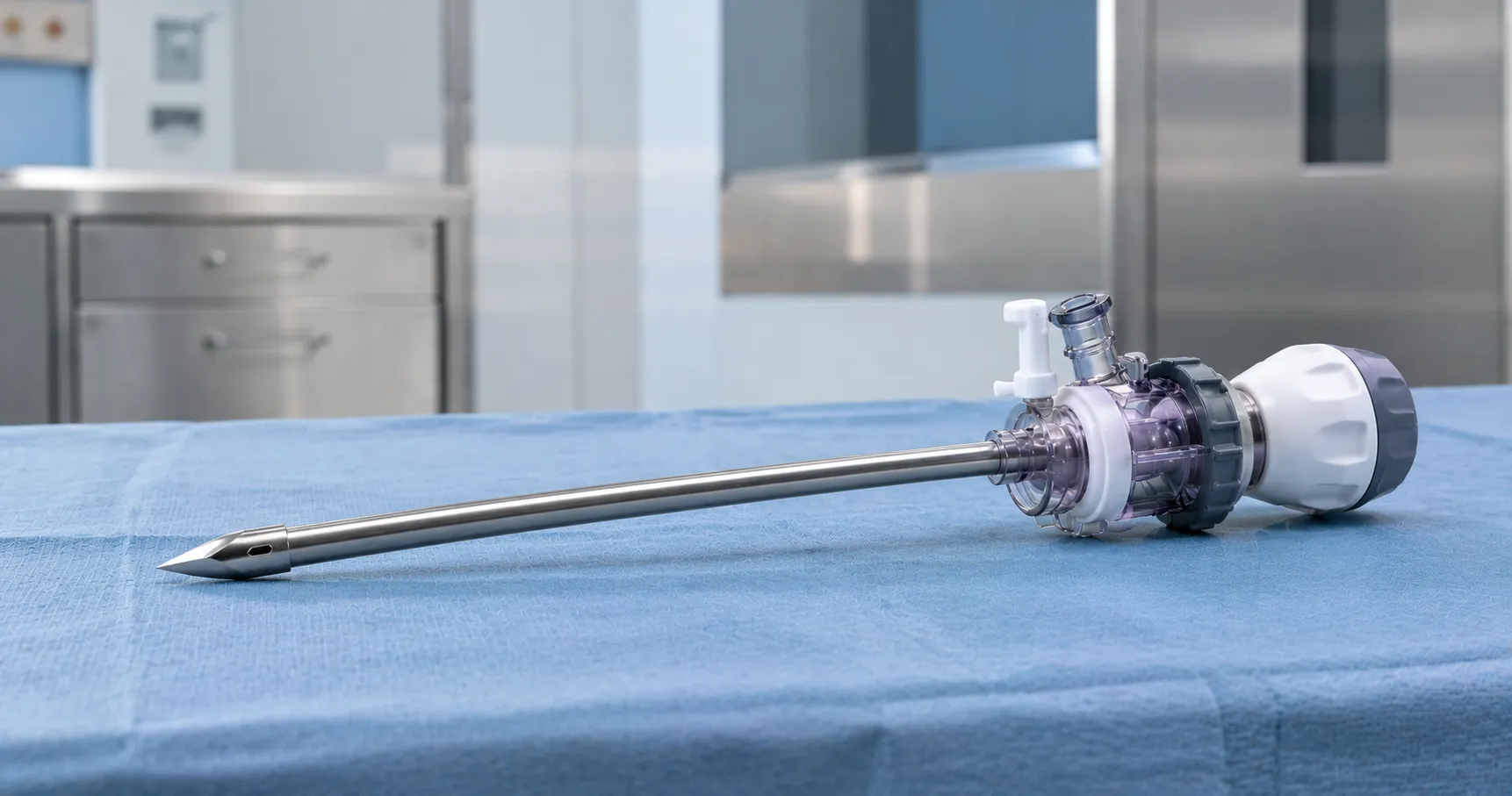
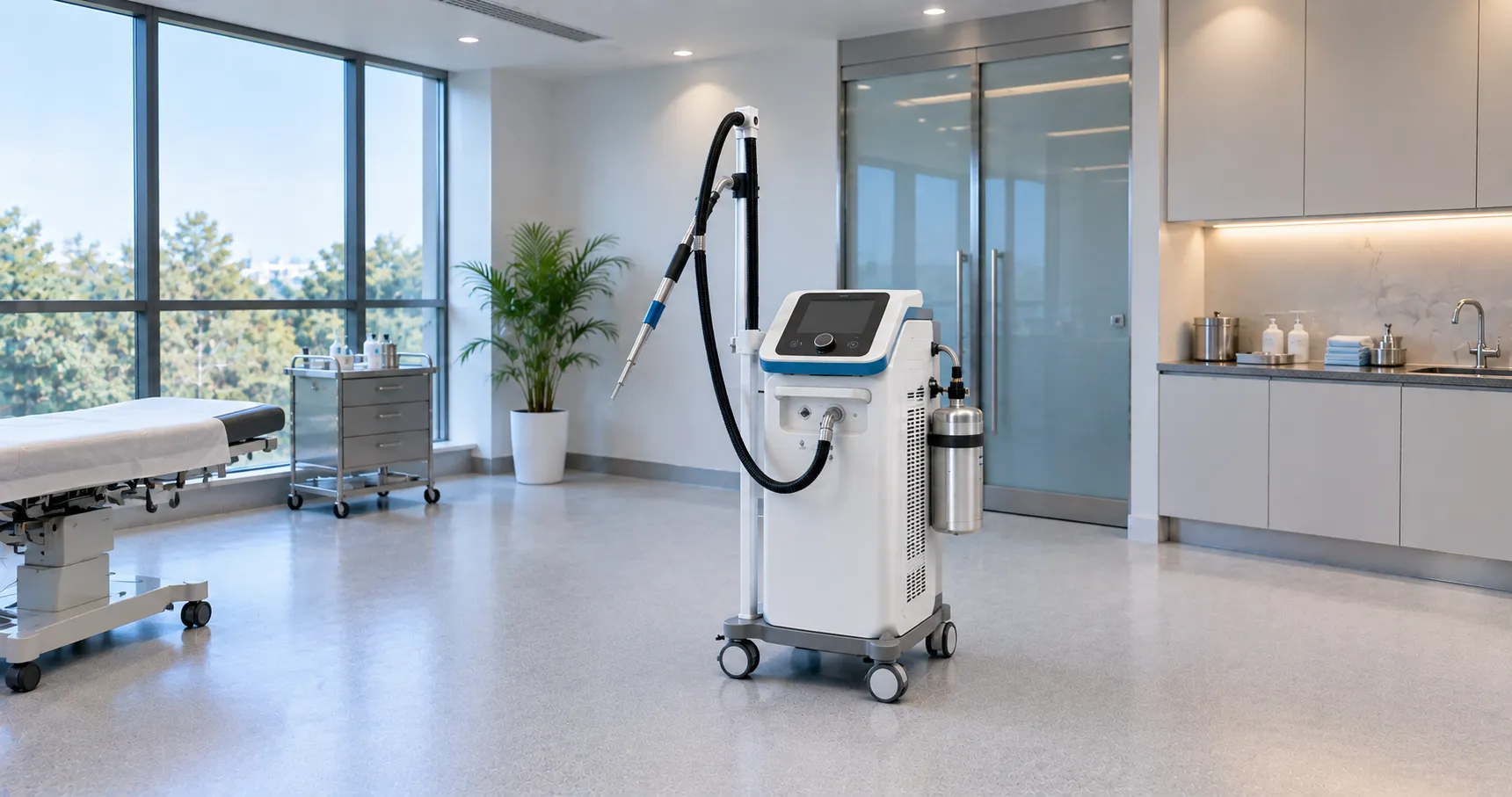
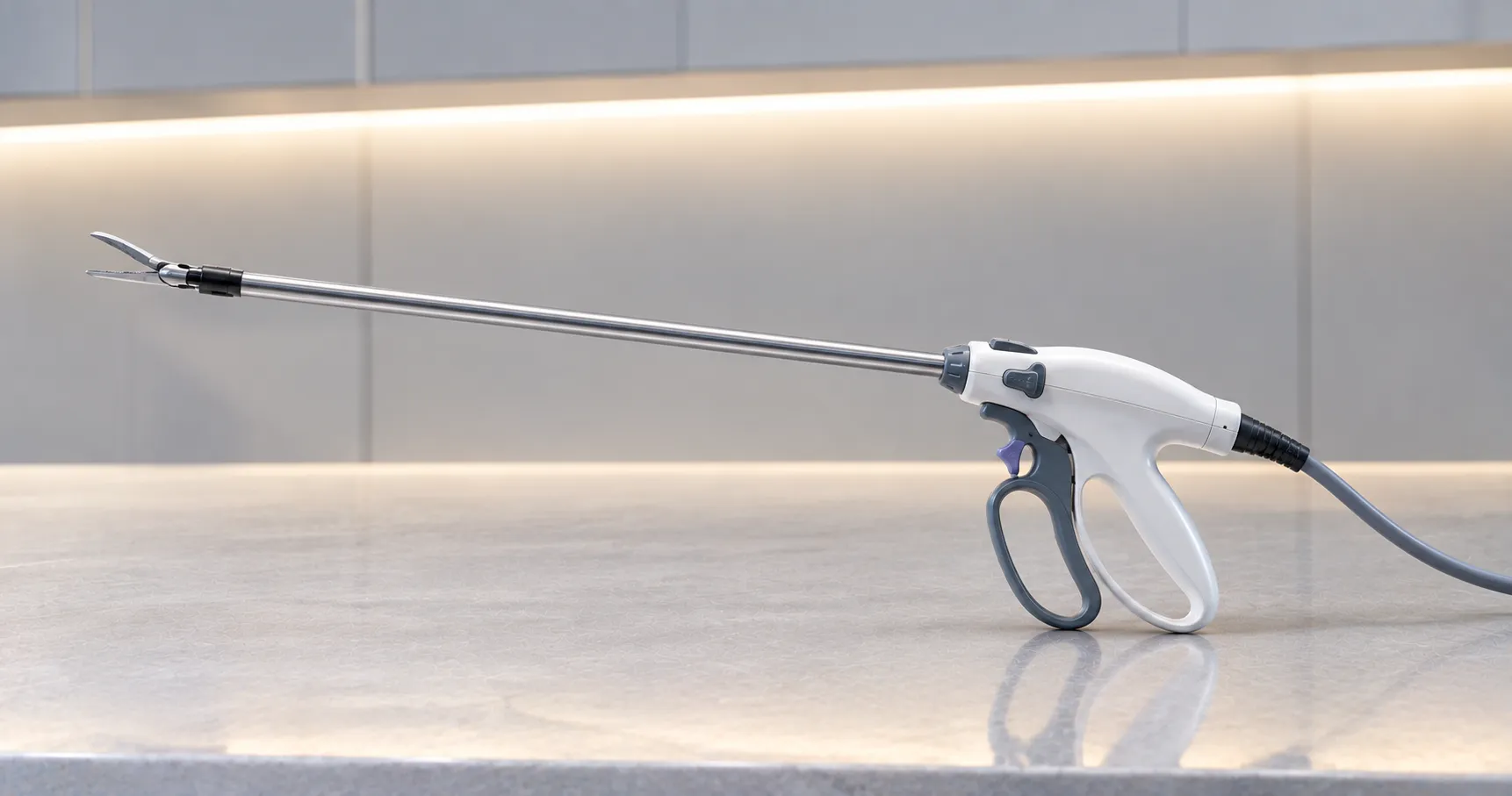
The generator is the durable capital item. It powers the transducer, monitors the handpiece and sets the energy delivered. The handpiece transducer contains the piezoelectric stack; some are reusable and autoclavable for a defined number of uses, others are supplied as part of a single-use assembly. The working end is the blade or curved shears that grasp, coagulate, and divide. Most cutting-and-sealing tips are single-use to guarantee a sharp, correctly tuned blade for every case, because a worn or damaged tip loses cutting speed and seal reliability. Buyers should map exactly which of these three parts is reusable and which is disposable on the platform they are considering, because that split drives the running cost.
Blade types and how they compare
Coagulating shears for laparoscopy
Curved ultrasonic shears grasp, seal and cut vessels up to a stated diameter and are the workhorse for laparoscopic colorectal, bariatric, gynaecological and general surgery. Shaft length and jaw size are chosen to match the procedure and port size.
Blades and hooks for open surgery
Straight or hook blades suit open dissection, thyroid and head-and-neck work where fine, low-thermal-spread division near delicate structures is valued. The trade-off against shears is that a plain blade does not grasp tissue in the same way.
Adaptive versus fixed energy
Newer platforms modulate energy according to the tissue the blade senses, aiming to speed sealing while protecting adjacent structures. Older or entry systems deliver fixed power at each setting. The difference matters for both performance and generator cost.
Key specifications a buyer must check
Confirm the operating frequency and the power levels the generator offers, and how those levels map to the minimum and maximum settings clinicians actually use. Check the stated maximum vessel diameter each shear is validated to seal, because this varies by tip. Match shaft length and diameter to the procedures and trocar sizes in use, and confirm the handpiece is compatible only with the generator you intend to buy, since ultrasonic platforms are proprietary and tips from one maker will not run on another maker's generator. Establish which components are reusable and their validated use count, the footswitch and hand-control options, and whether the generator also drives an advanced bipolar sealing device from the same console, which many combined platforms now offer.
Standards, regulation and electrical safety
An ultrasonic surgical system is a medical device and must carry valid UKCA or CE marking, with instructions for use stating the intended purpose, the validated reprocessing route for any reusable handpiece, and the single-use status of the tips. The generator falls under the general medical electrical safety standard IEC 60601-1, and because it is a mains-powered energy source used in theatre, it must meet the relevant electromagnetic-compatibility requirements too. Unlike monopolar and bipolar diathermy, which are governed by the high-frequency surgical equipment standard IEC 60601-2-2, an ultrasonic device passes no radio-frequency current through the patient, so there is no patient return electrode to test; this is a genuine safety distinction worth confirming in the manufacturer's documentation rather than assuming. Ask the supplier for the declaration of conformity and confirm Great Britain registration. The MHRA is the UK medical-device regulator, and the route for reporting adverse incidents, and general device and procurement guidance is published on GOV.UK.
Reprocessing and single-use considerations
Reusable transducer handpieces are decontaminated and sterilised strictly to the manufacturer's validated method, usually steam autoclave, and are tracked against a defined maximum number of activations, after which performance and safety can no longer be assured. Single-use tips are discarded after one patient and must never be re-sterilised, because an ultrasonic blade is precisely tuned and reprocessing risks cracking, detuning, or contamination. Estates and sterile-services teams should confirm the decontamination pathway and the traceability of handpiece use counts before a platform is adopted, since exceeding the validated count is both a safety and a warranty issue.
Use across care settings and total cost of ownership.
Harmonic technology is concentrated in acute hospital theatres and day-surgery units rather than GP or domiciliary settings, and it appears in advanced veterinary referral practice. The purchase decision is dominated by the consumable stream: the generator is a one-off, but every case consumes a single-use tip, so annual cost is driven by case volume multiplied by tip price. Model that honestly against the clinical benefit and against the cost of the electrosurgical or vessel-sealing alternatives already in the department. Budget also for handpiece replacement at end of life, generator servicing, software updates,s and any footswitch or cart accessories. Where a combined generator drives both ultrasonic and advanced bipolar instruments, standardising on one console can reduce theatre clutter and training. Our team can compare energy platforms against your case mix and consumable budget — register as a buyer or reach us through the contact page.
Procurement checklist
-
Confirm generator power levels and how they map to the settings clinicians use.
-
Check the validated maximum vessel diameter for each shear or tip.
-
Match shaft length and diameter to procedures and trocar sizes.
-
Map which parts are reusable versus single-use and the validated use count.
-
Verify handpiece and generator are the same proprietary platform.
-
Request UKCA or CE documentation, IEC 60601-1 compliancE,e and reprocessing instructions.
-
Model annual consumable cost from case volume and tip price.
-
Confirm servicing, warranty, and handpiece end-of-life replacement terms.
Conclusion
A harmonic scalpel cuts and seals with ultrasonic energy, offering low thermal spread and no current through the patient, which makes it valuable for delicate dissection and laparoscopic sealing. Buying well means treating it as a proprietary system, checking the generator settings, sealing validation and reusable-versus-disposable split, and costing the single-use tip stream against your real case volume. Confirm the UKCA or CE paperwork, IEC 60601-1 compliance,e and the reprocessing route before you commit. MediGear can help facilities compare ultrasonic and other energy platforms so theatres invest in the tools that match their surgery and their budget.
Disclaimer
This article is for informational purposes only. It is published by MediGear (medigear.uk) for general information and procurement guidance, and is not clinical, diagnostic, treatment, technical, engineering, legal or regulatory advice, nor a product endorsement, guarantee or substitute for professional assessment. MediGear does not provide medical consultations. Buyers should consult their clinical, biomedical, estates and regulatory contacts, and the manufacturer's documentation, and independently verify all specifications, certifications, compatibility and suitability before purchase. Specifications, certifications and availability are correct at the time of publication and may change without notice. MediGear is a medical-equipment distributor and does not sell medicines or pharmaceutical products.