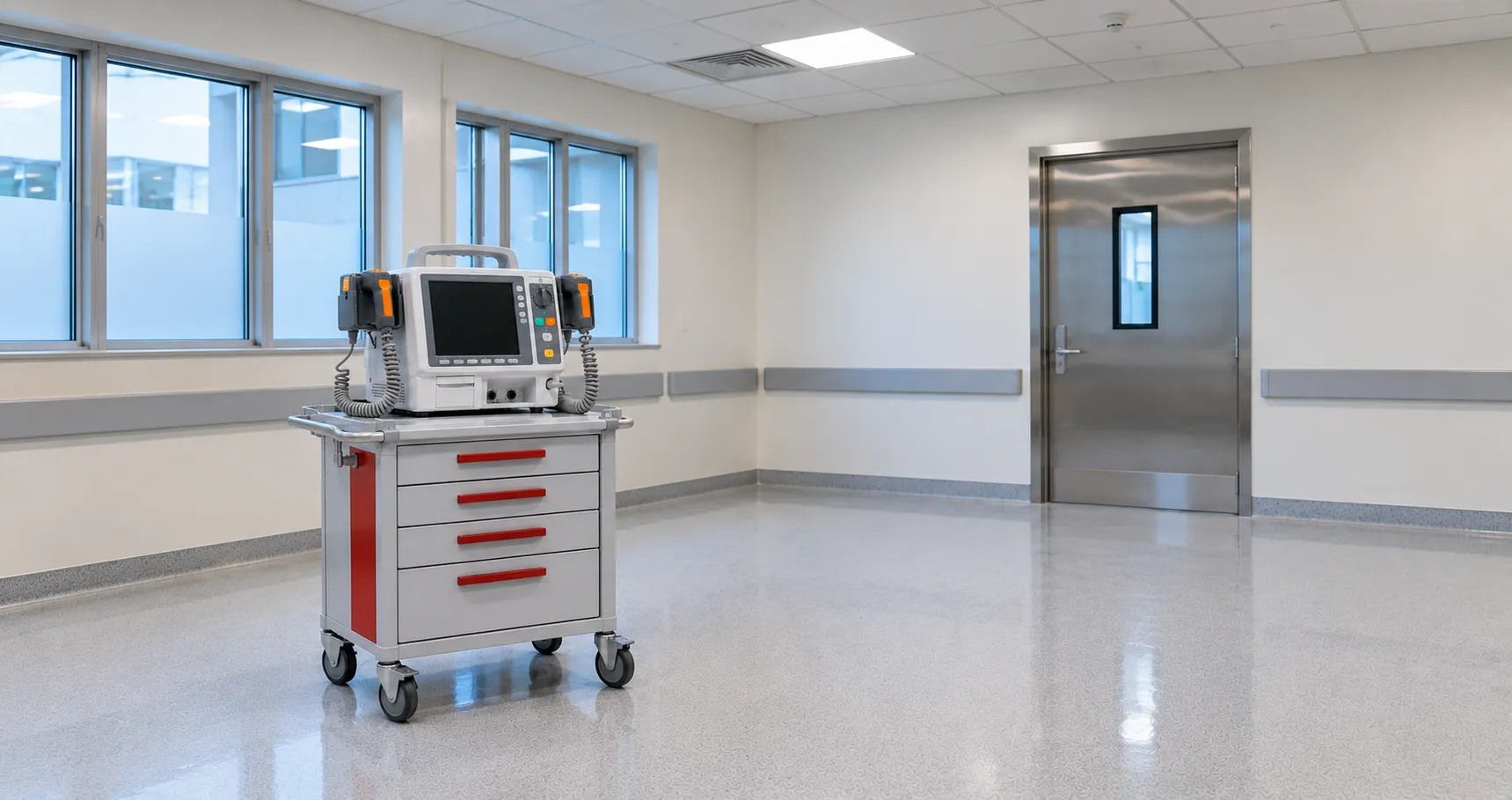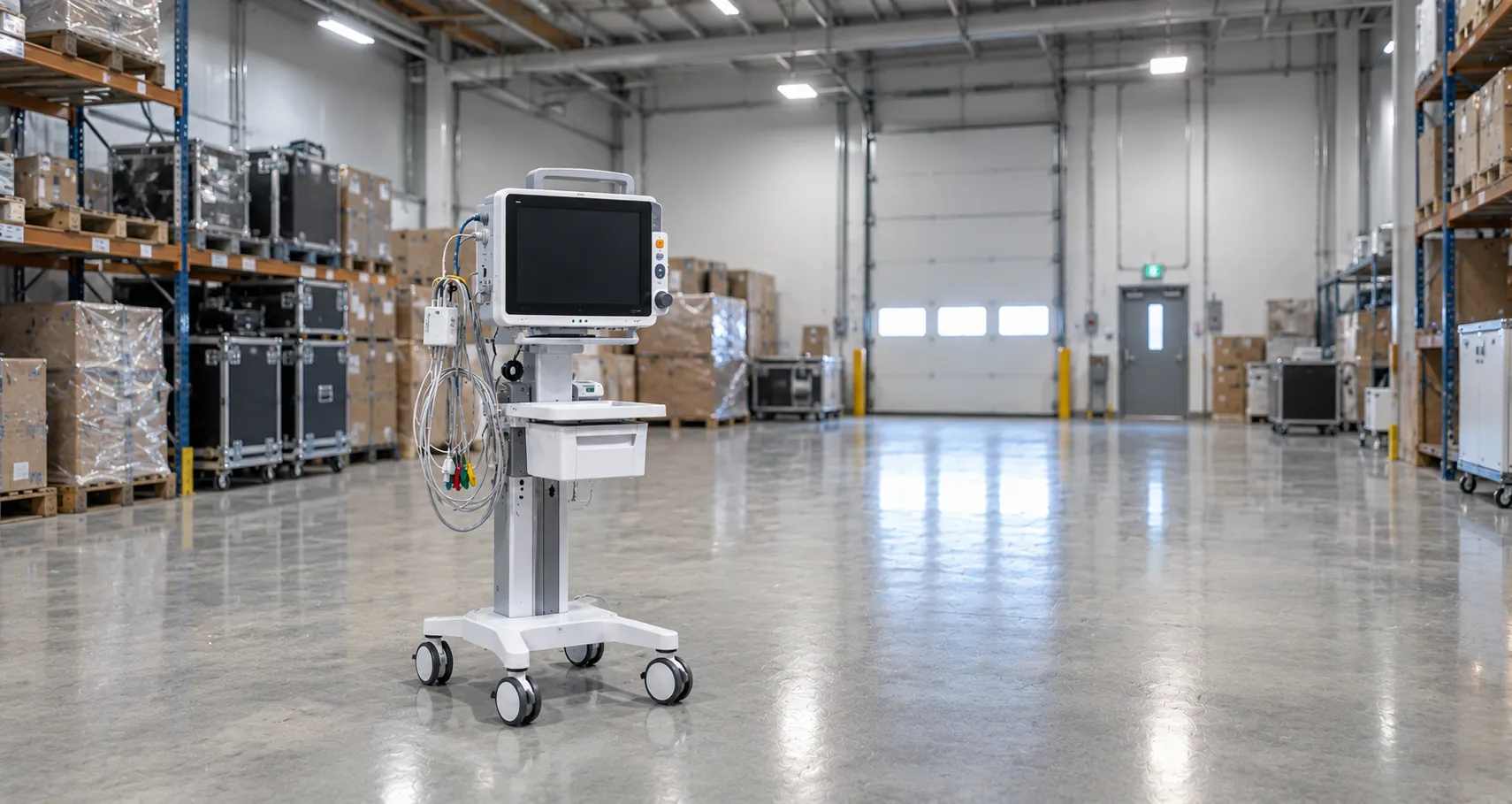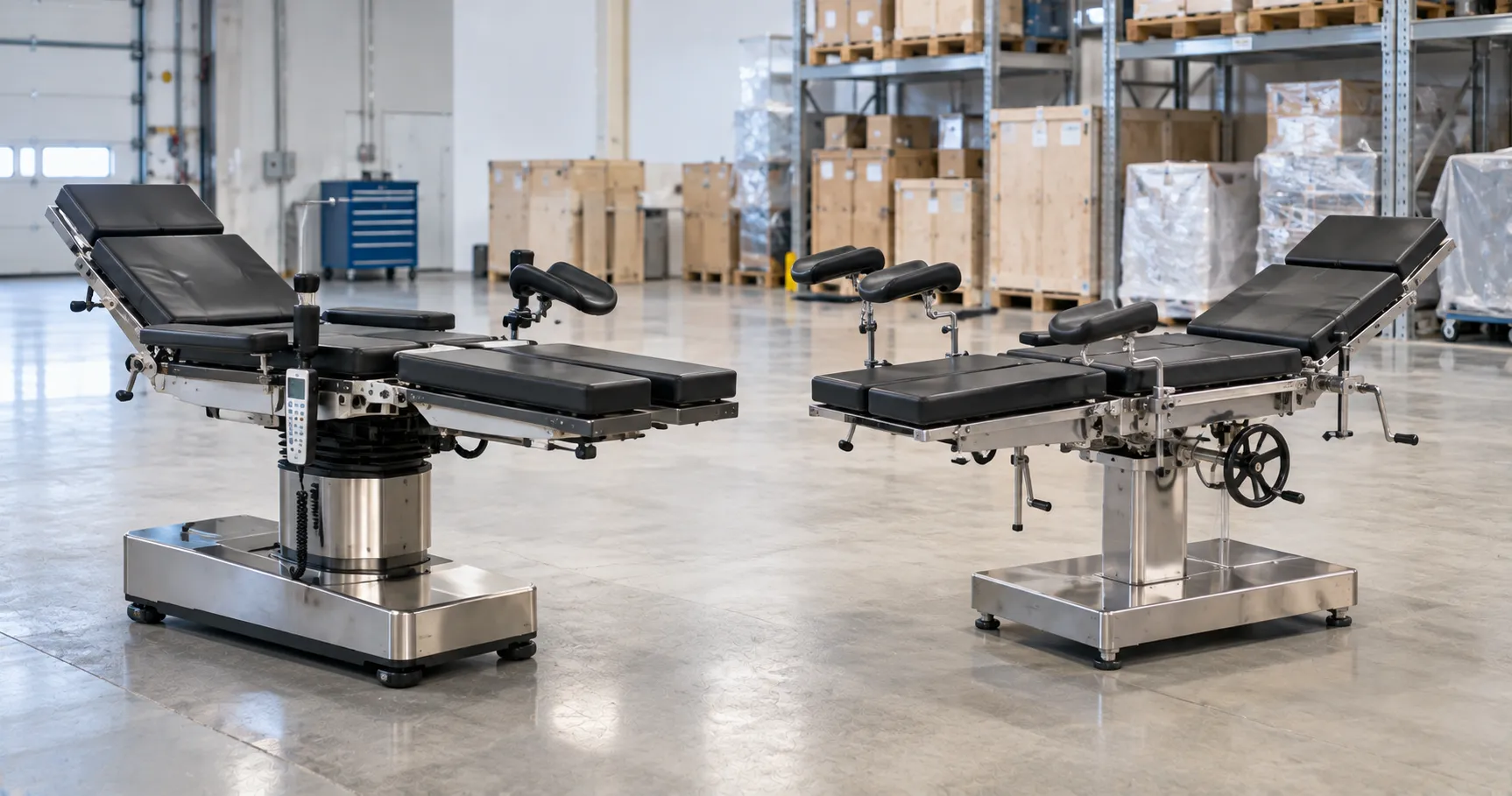
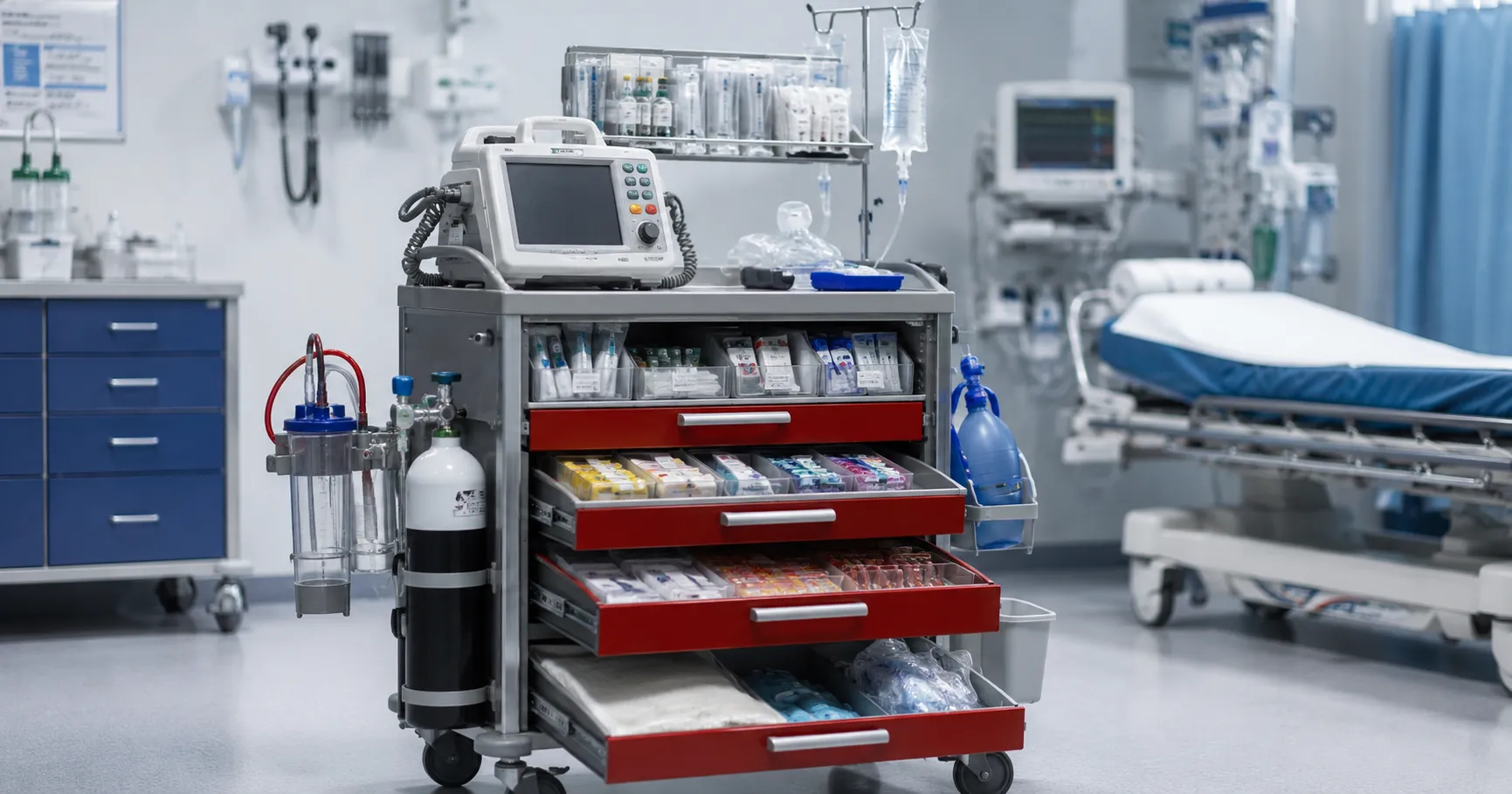
Emergency crash carts are vital in hospitals, providing immediate access to life-saving equipment and medications during critical situations. Strategically located in ICUs, emergency rooms, operating theatres, and high-risk wards, these carts allow healthcare professionals to respond quickly to cardiac arrests, severe trauma, or other sudden medical emergencies.
A well-organised crash cart enhances workflow, reduces response times, and improves patient safety. These carts typically include essential items such as defibrillators, airway management tools, IV supplies, monitoring devices, and emergency medications.
Beyond equipment, crash carts also help hospitals implement standardised emergency protocols, ensuring that staff can operate efficiently under pressure. Selecting carts with ergonomic design, mobility, and modular storage improves accessibility and ensures that critical tools are always within reach during emergencies.
Hospitals can consult Medigear. UK's business buyers' services to select the most suitable crash carts for their facilities, ensuring both patient safety and staff efficiency.
Types of Emergency Crash Carts
Standard ICU Crash Carts — Equipped with defibrillators, airway tools, and emergency medications.
Pediatric Crash Carts — Specifically designed for infants and children with appropriately sized equipment.
Trauma Crash Carts — Include extra surgical instruments and trauma supplies for emergency cases.
Mobile Crash Carts — Compact and easily moved between wards or departments.
Certified carts can be procured from Medigear.uk business suppliers for reliability and compliance with hospital safety standards.
Clinical Applications
Rapid Cardiac Response — Provides immediate access to defibrillators and medications during cardiac arrest.
Emergency Room Readiness — Ensures essential equipment is accessible for trauma or critical patient scenarios.
ICU Workflow Support — Efficiently organises emergency medications, airway devices, and monitoring tools.
Staff Efficiency — Reduces time searching for essential items during emergencies.
Hospitals can advertise their crash-cart solutions through Medigear.UK businesses advertise to reach healthcare buyers.
Long-term procurement agreements can be arranged through Medigear.uk business partners to ensure a continuous supply.
For questions or expert guidance, hospitals can contact Team Medigear.uk.
Technical Features
-
Multiple Compartments — Organise medications, airway tools, and defibrillator accessories.
-
Lockable Wheels — Keep the cart stable during patient care.
-
Portable Design — Easy movement across wards or ICUs.
-
Integrated Power Supply — Supports electronic devices and monitors.
-
Ergonomic Handles — Reduce staff strain during rapid deployment.
Maintenance and Service Life
-
Routine Checks — Inspect defibrillators, oxygen lines, and emergency medications.
-
Cleaning & Disinfection — Prevent contamination and ensure safety.
-
Equipment Replacement — Replace used or expired medications and consumables.
-
Battery & Electrical Maintenance — Ensure powered devices are operational.
Final Thoughts
Emergency crash carts are vital for hospital readiness, patient safety, and workflow efficiency.
Selecting certified, durable, and organised carts ensures a timely response during critical situations.
Hospitals should evaluate features, accessibility, and vendor support. Expert procurement guidance is available via contact Medigear.uk.
Disclaimer
Medigear.uk is a global medical equipment supplier, distributor, and exporter providing information about emergency crash carts, hospital mobility solutions, and clinical equipment for educational and informational purposes only. The content on Medigear.uk is not intended to replace professional medical advice, clinical judgment, or hospital protocols. Healthcare professionals, nurses, ICU staff, and hospital procurement teams are responsible for selecting and using medical equipment in accordance with clinical requirements, regulatory standards, and institutional policies. Medigear.uk does not provide medical treatment, prescriptions, or clinical decision-making services, and any reliance on the information provided is strictly at the user's discretion.