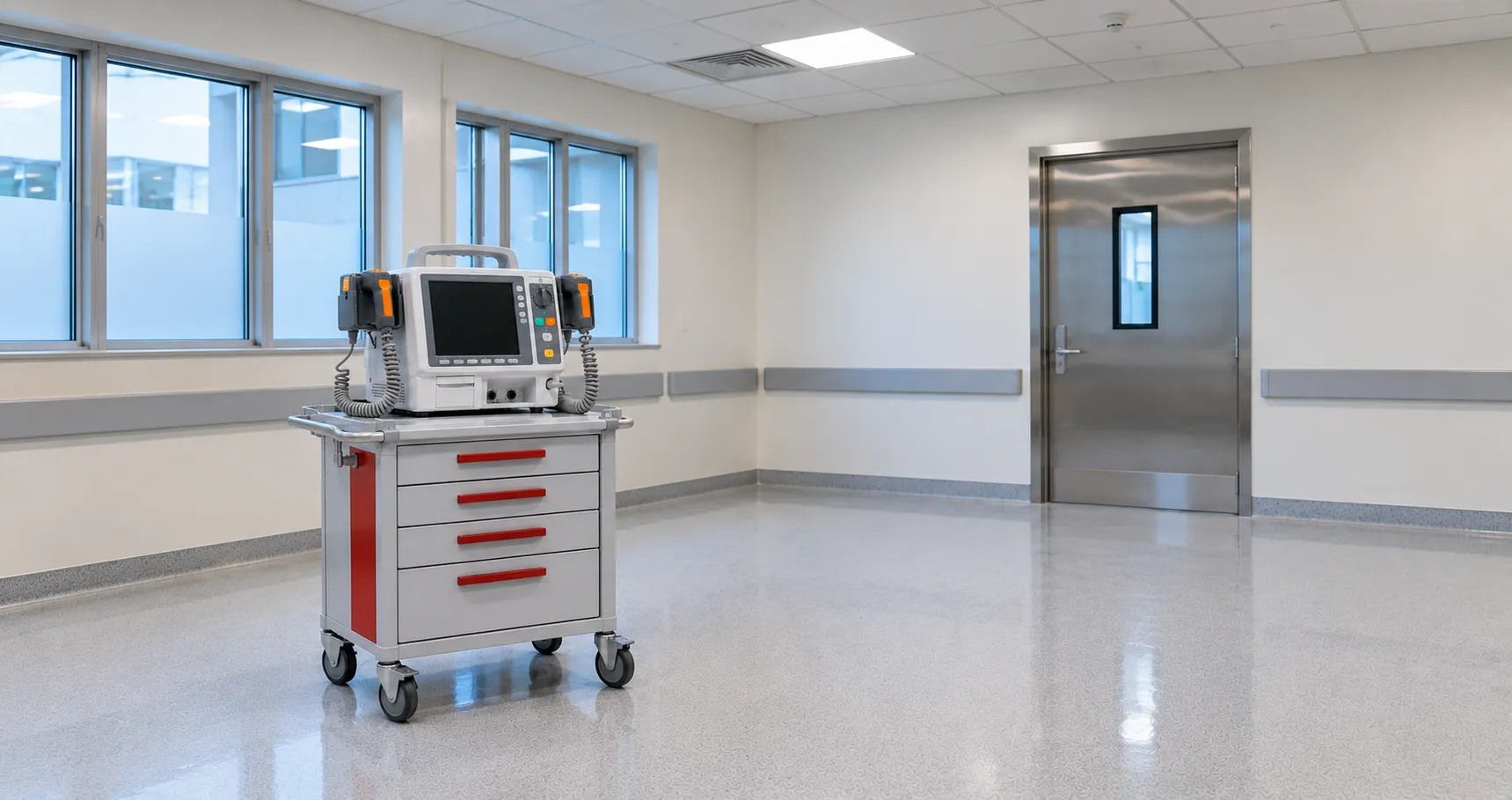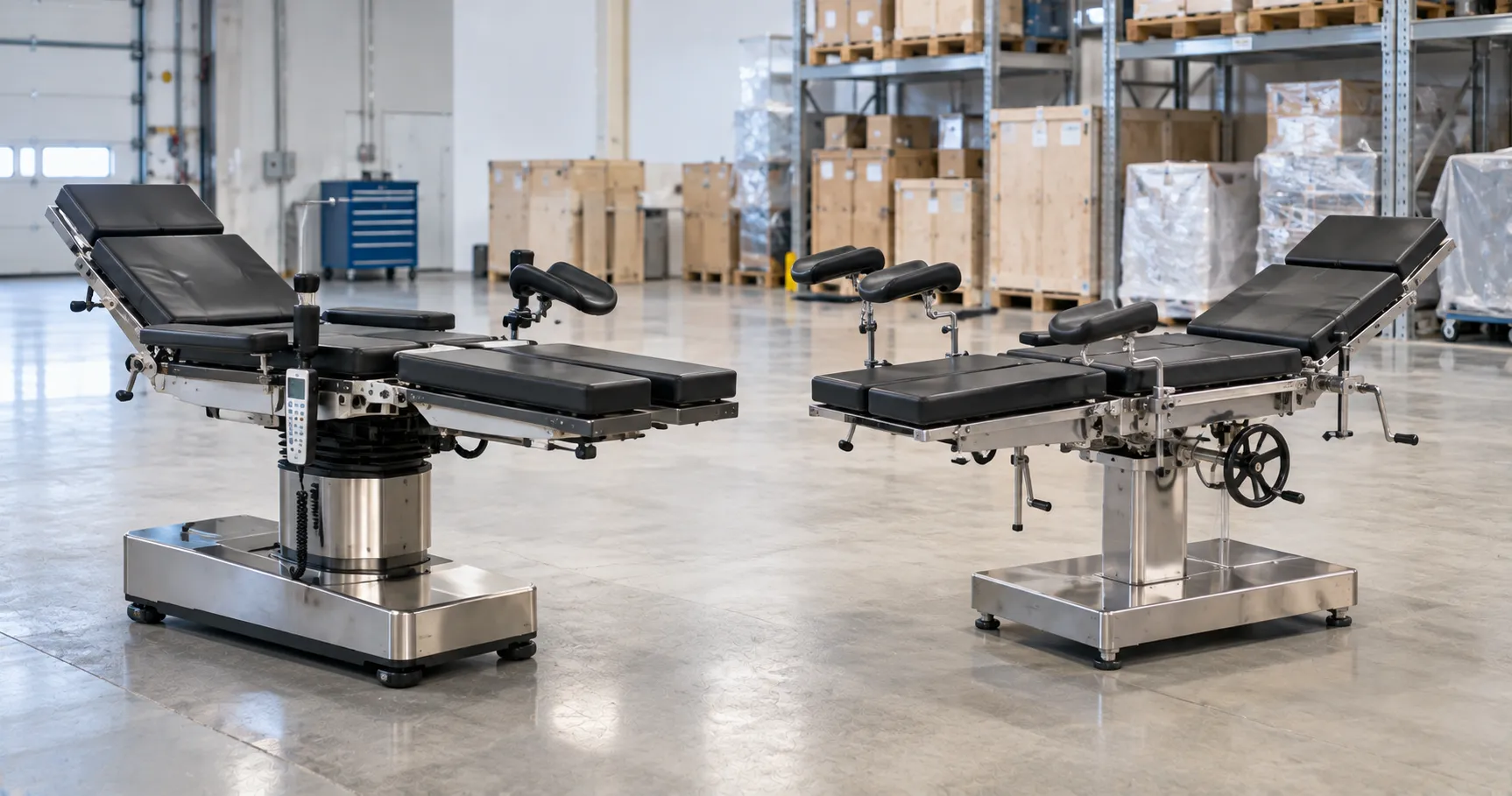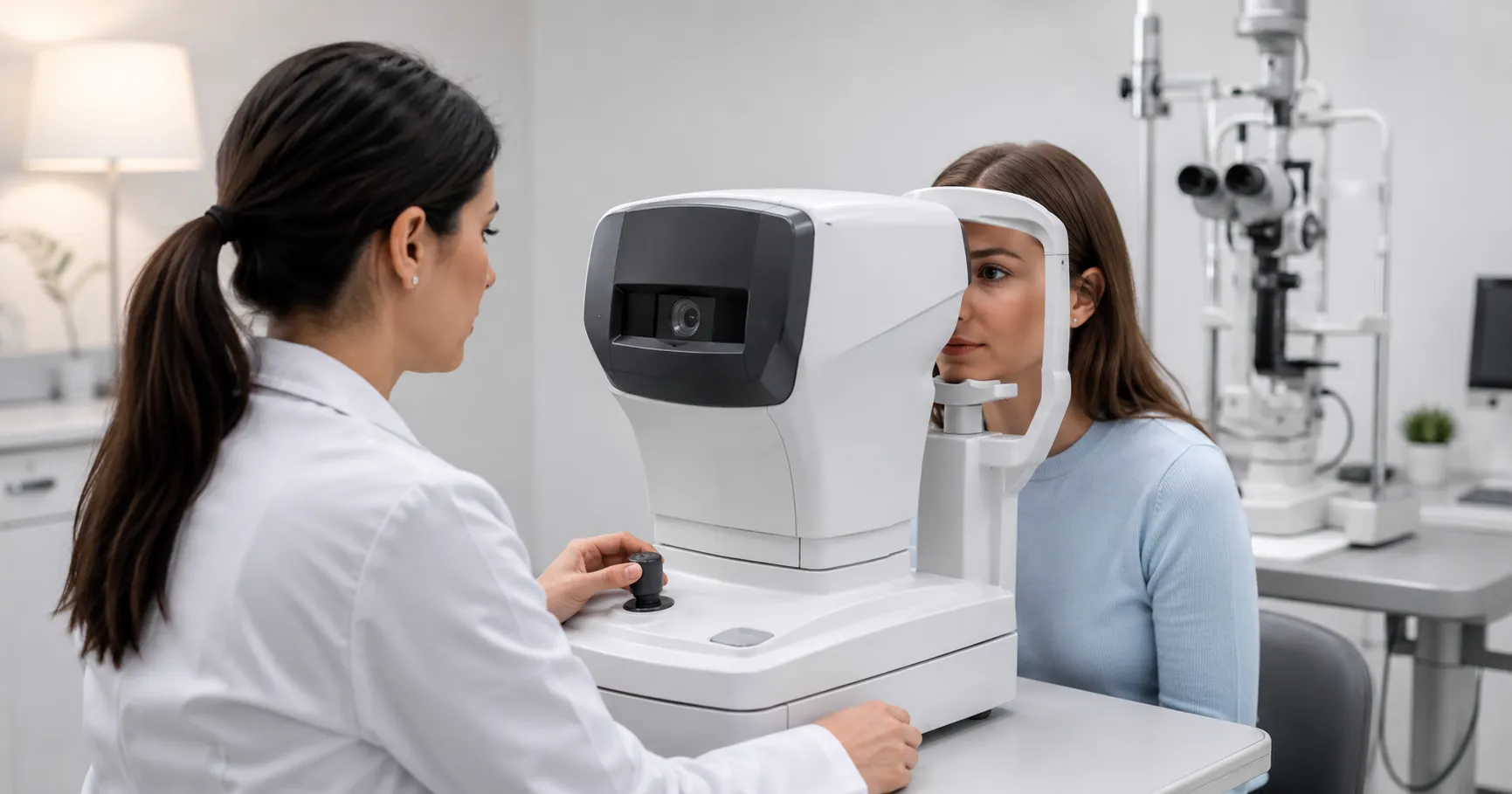
Autorefractors are essential diagnostic devices in modern eye care clinics, used to measure refractive errors quickly and accurately for precise prescriptions.
These devices improve efficiency in optometry and ophthalmology workflows by reducing manual errors and providing reliable measurements.
Hospitals and clinics can source certified autorefractors from Medigear.uk suppliers to ensure quality, accuracy, and technical support.
Clinics can consult the Medigear.uk buyer services for guidance on procurement and clinical selection.
This article explains clinical applications, technical features, and best practices for using autorefractors in eye care facilities.
Clinical Role And Applications
Accurate Refractive Measurements — Autorefractors provide precise measurements to detect myopia, hyperopia, and astigmatism.
Speed and Efficiency — Automated measurements reduce exam time, allowing clinicians to see more patients efficiently.
Patient Comfort and Safety — Modern devices are noninvasive and designed to ensure patient comfort during exams.
Integration with EMR — Data can be stored and analysed within electronic medical record systems to streamline clinical workflows.
Clinics can also advertise autorefractors via Medigear. The UK business advertises to gain global visibility among buyers.
Technical Features And Considerations
Automated Refraction — Autorefractors quickly and precisely measure refractive errors, reducing manual error.
Multiple Modes — Supports distance, near, and dynamic measurements for comprehensive eye exams.
Integration With EMR/Practice Management Software — Stores patient data for longitudinal tracking and efficient clinic workflow.
Ergonomic Design — Devices are compact and patient-friendly, ensuring comfort during testing.
Digital Displays and Imaging — Some models include high-resolution displays and imaging to enhance clinical accuracy.
Procurement Guidance
When selecting an autorefractor, hospitals and clinics must consider:
Accuracy and Reliability — Devices must provide consistent refractive measurements to support precise prescriptions.
Supplier Evaluation — Source from certified providers for quality assurance and technical support. Clinics can consult the business suppliers on Medigear.uk for verified autorefractor vendors.
Total Cost of Ownership — Includes device cost, maintenance, calibration, and optional training.
Warranty and After-Sales Support — Ensure the supplier provides service agreements and maintains a supply of replacement parts.
Hospitals and clinics can also explore long-term supply agreements via Medigear.UK business partners.
Maintenance And Service Life
Regular maintenance ensures accurate and reliable performance:
Calibration — Sensors should be calibrated periodically to maintain measurement precision.
Cleaning and Disinfection — Ensure hygiene by following manufacturer guidelines to avoid cross-contamination.
Software Updates — Keep devices up to date for improved performance and compatibility with clinic EMR systems.
Proper maintenance extends device life and ensures safe patient care in eye clinics and hospitals.
Final Thoughts
Autorefractors are essential tools for modern eye care professionals, providing fast, accurate, and reliable measurements of refractive errors.
Clinics should select certified systems with ergonomic designs, software integration, and robust support for optimal patient care and workflow efficiency.
Disclaimer
Medigear.uk is a global medical equipment supplier, exporter, and distributor providing information about autorefractors, eye care devices, and clinical equipment for educational and informational purposes only. The content on Medigear.uk is not intended to replace professional medical advice, diagnosis, or clinical judgment. Healthcare professionals, including optometrists and ophthalmologists, and procurement teams are responsible for selecting and using medical equipment based on clinical requirements, regulatory standards, and institutional policies. Medigear.uk does not provide medical treatment, prescriptions, or clinical decision-making services, and any reliance on the information provided is strictly at the user’s discretion.