
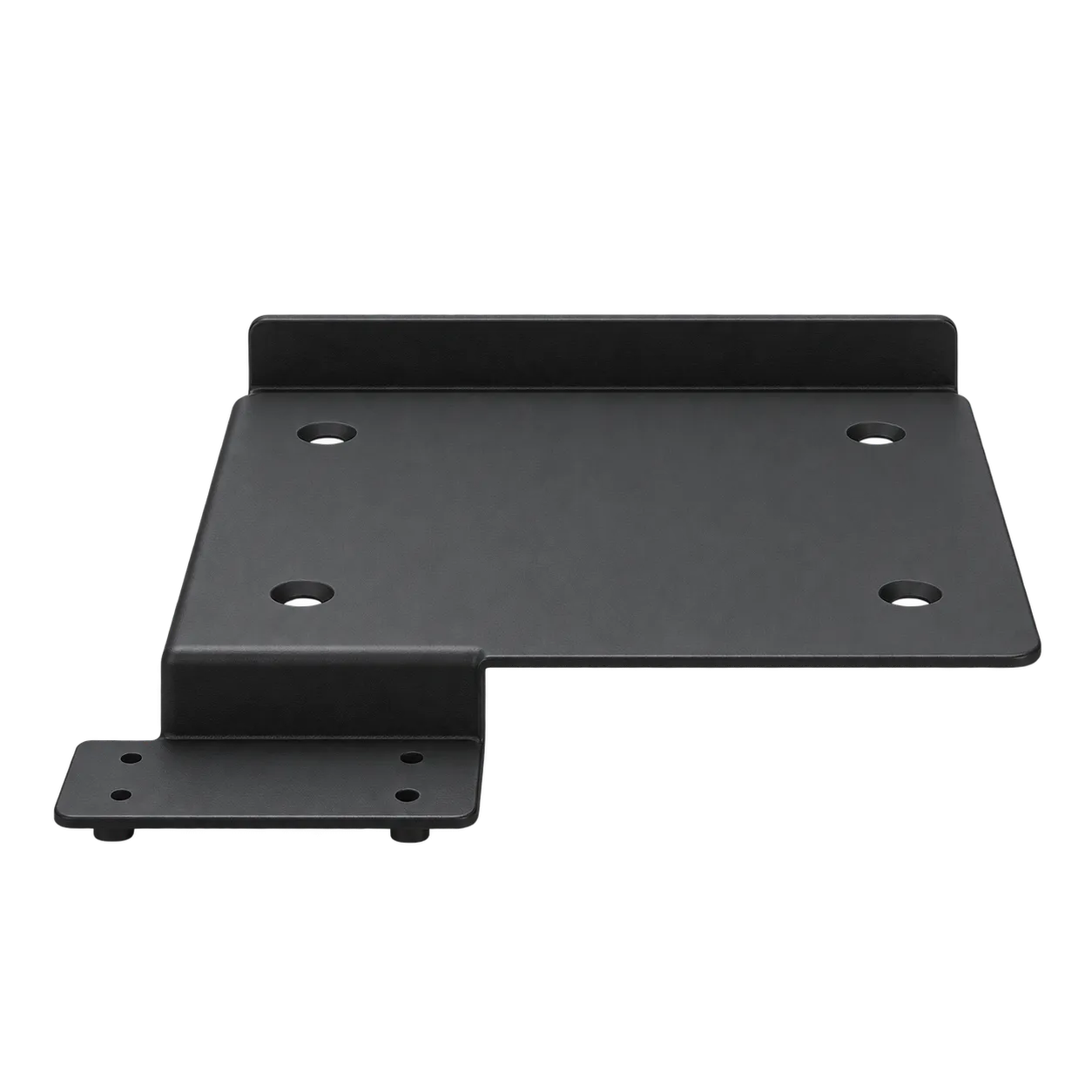
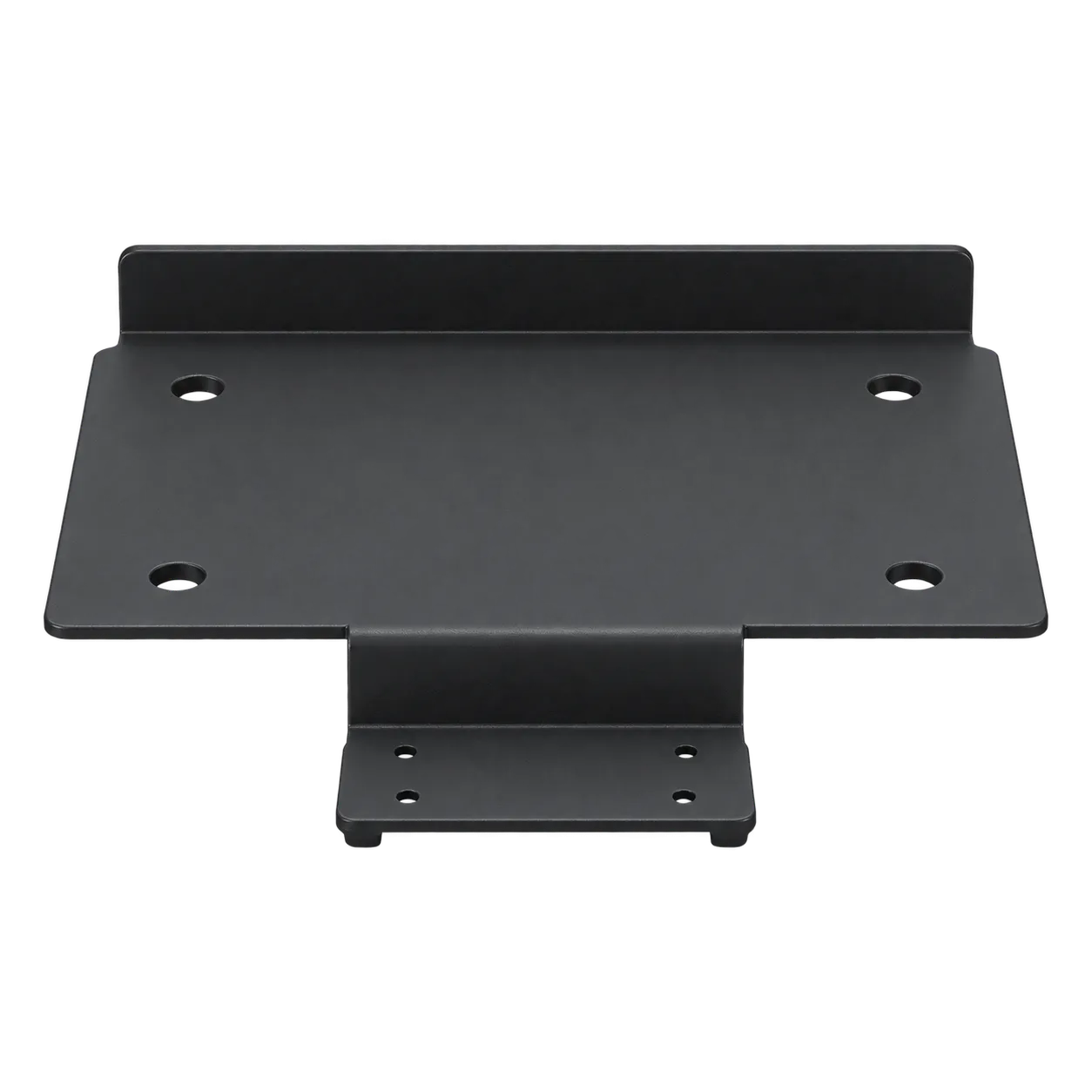
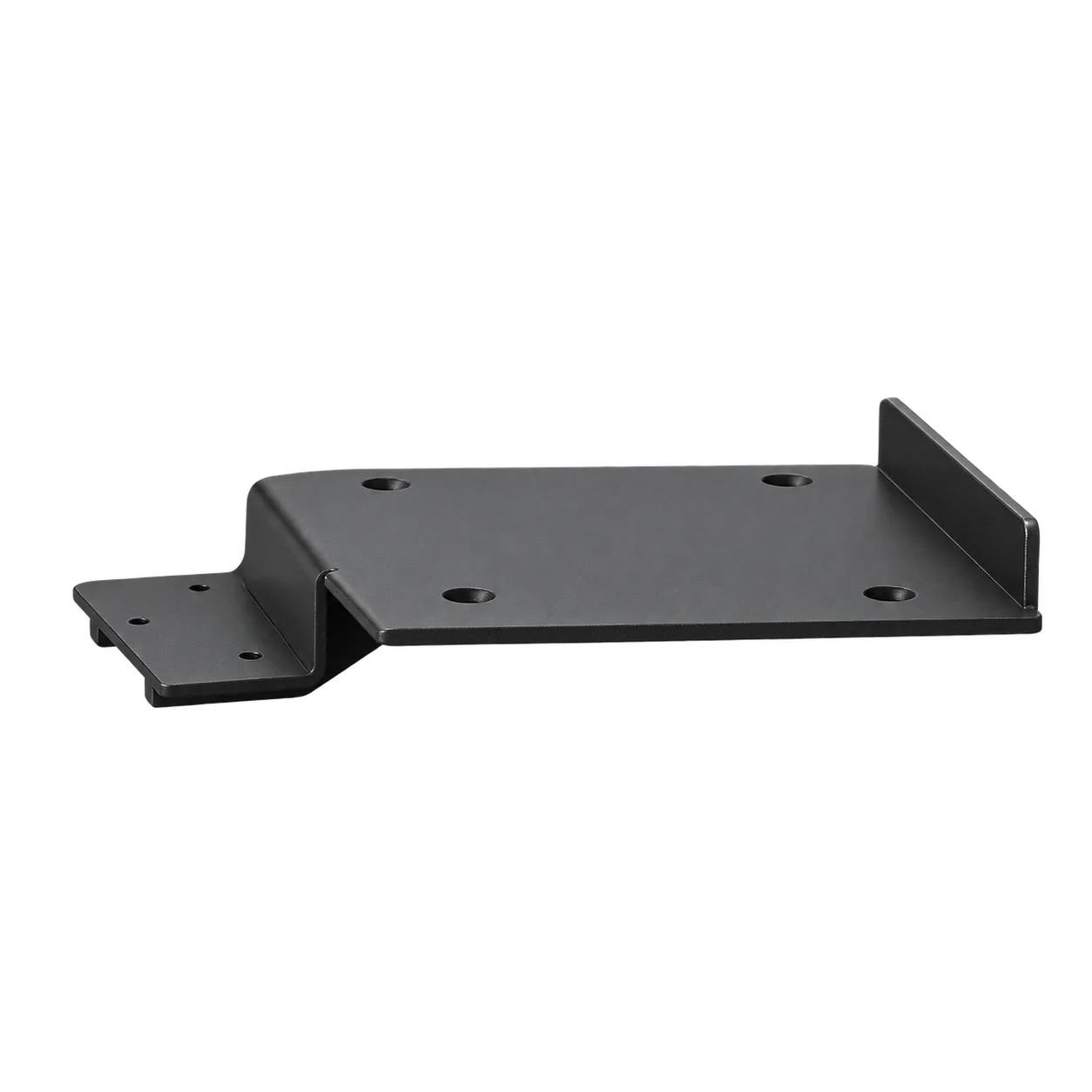
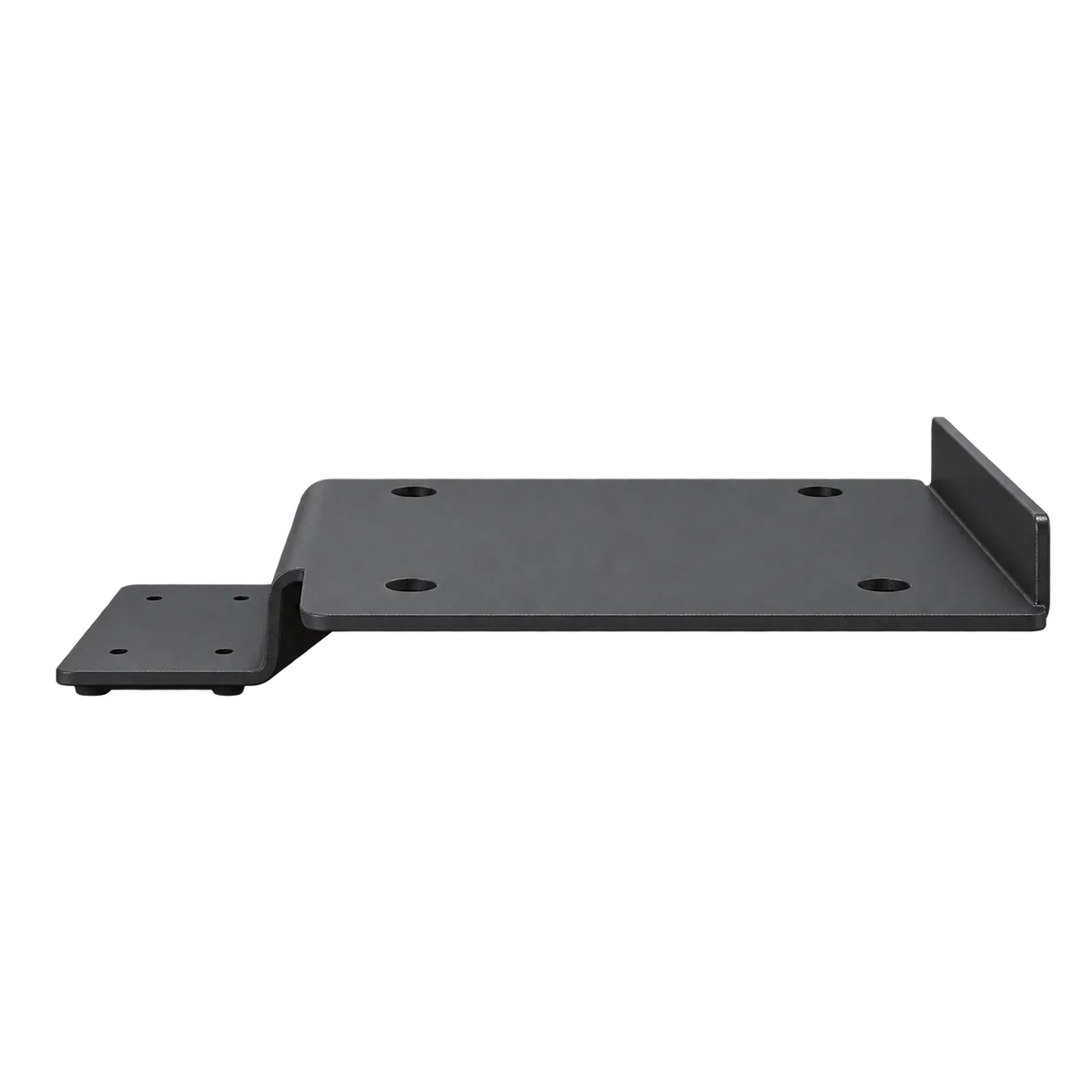
Ventilated anaesthesia is where the R650-VH earns its place in small animal clinics, referral hospitals and research facilities that run the R650. The holder mounts the ventilator on the anaesthesia machine so ventilated cases run from the same station as every other anaesthetic on the list.
Thoracic surgery is a common example. Once the chest is open, the ventilator takes over the animal's breathing, and having it already mounted on the machine keeps the theatre set-up the same as for induction. Long procedures and cases under neuromuscular blockade follow the same pattern: the team moves from spontaneous breathing to mechanical ventilation without bringing extra equipment to the table.
Inside the room, the anaesthetist works from one position. The vaporiser, pressure gauge, and ventilator sit together, the breathing hose follows the same route for every case, and the worktop stays free for drugs, instruments, and monitoring. Because the holder fixes the ventilator to the machine, the arrangement goes wherever the anaesthesia station is set up, so each room the station serves sees the same layout. Prep rooms that hold the station between cases keep the ventilator mounted, leaving the machine ready for a ventilated case without any rebuilding.
Veterinary nurses and anaesthetists set up and run the station, with veterinary surgeons working alongside. In research facilities, animal technicians use the same setup for procedures that require controlled ventilation over a long protocol. For a practice growing into ventilated work, the holder is the step that brings a ventilator onto an R650 already in service.