
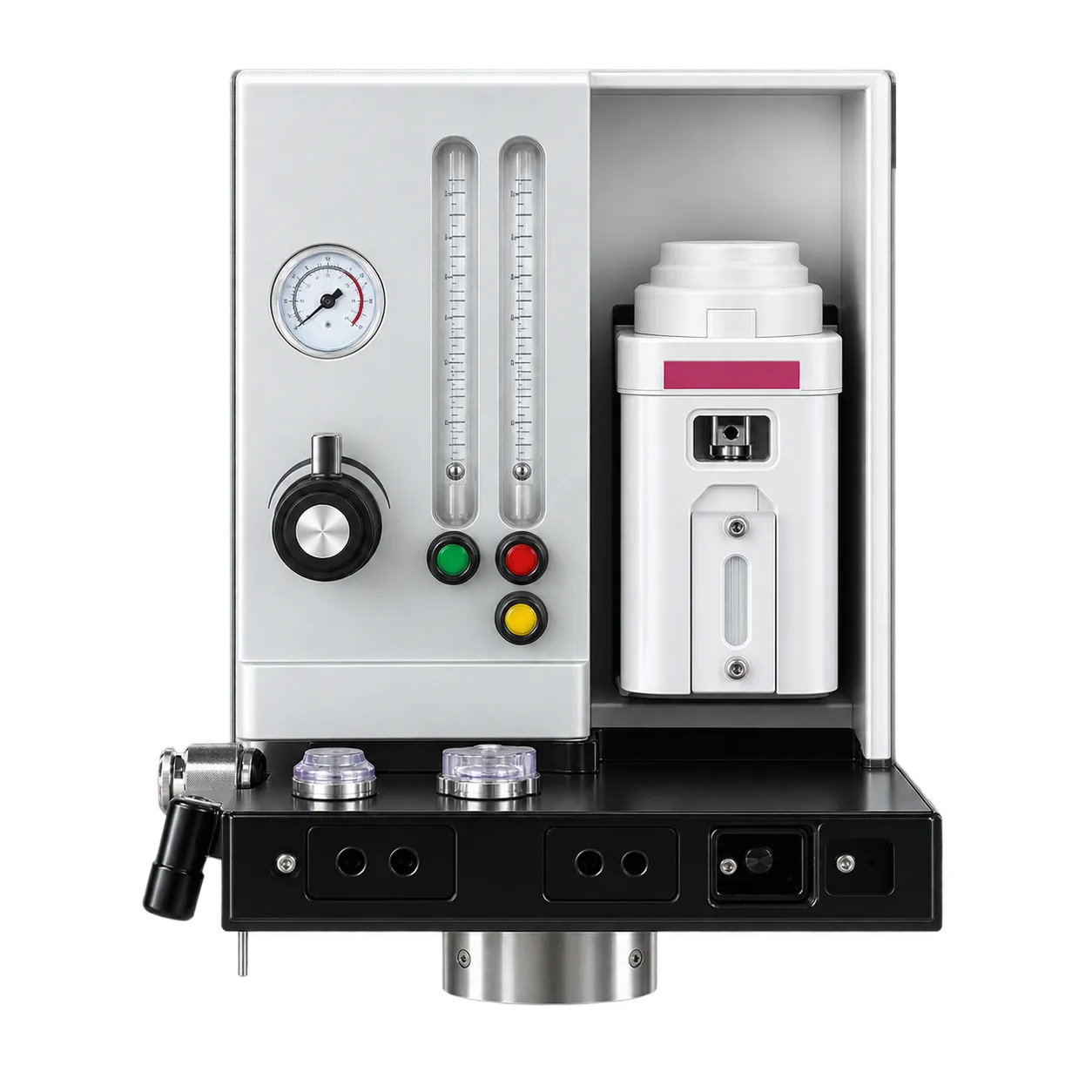
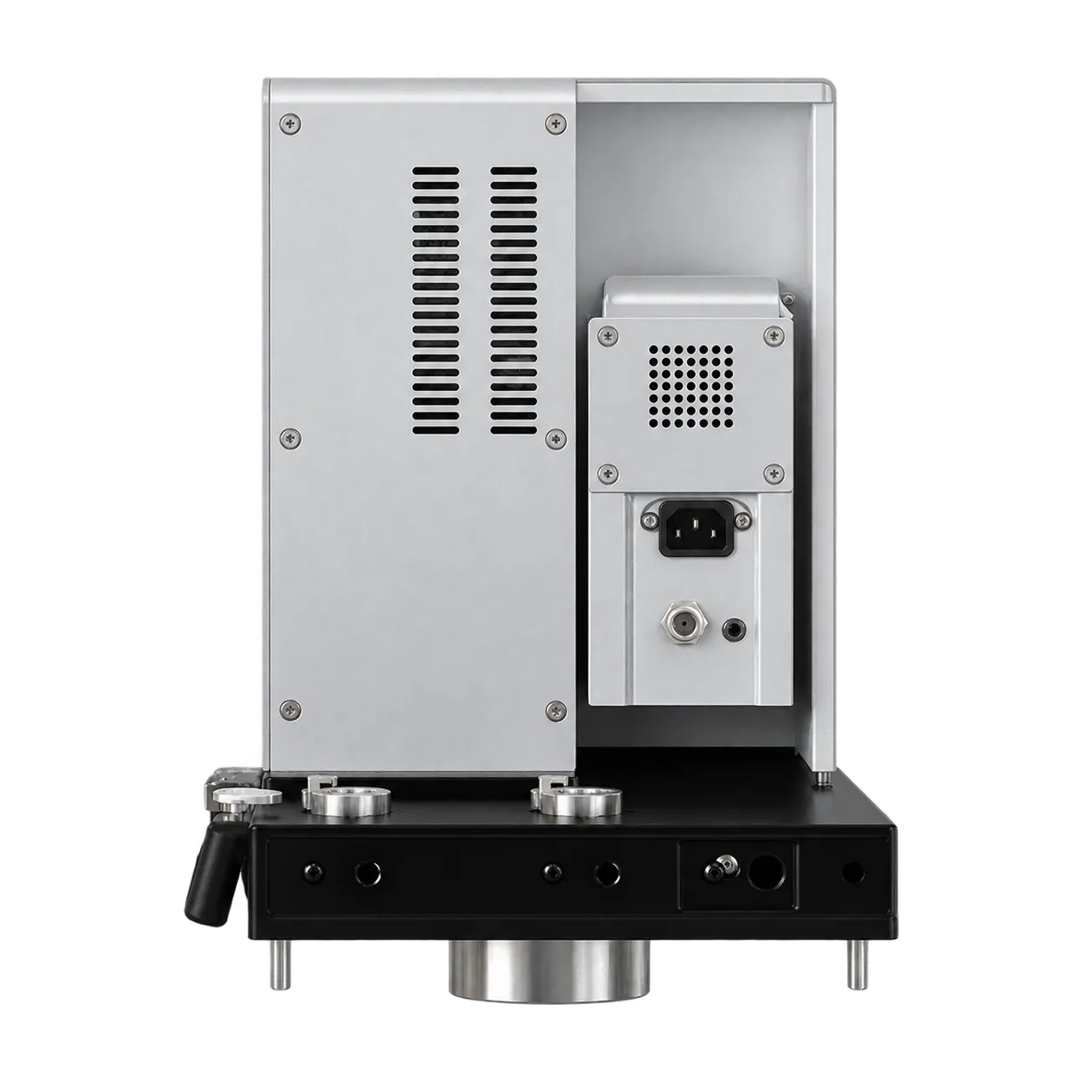
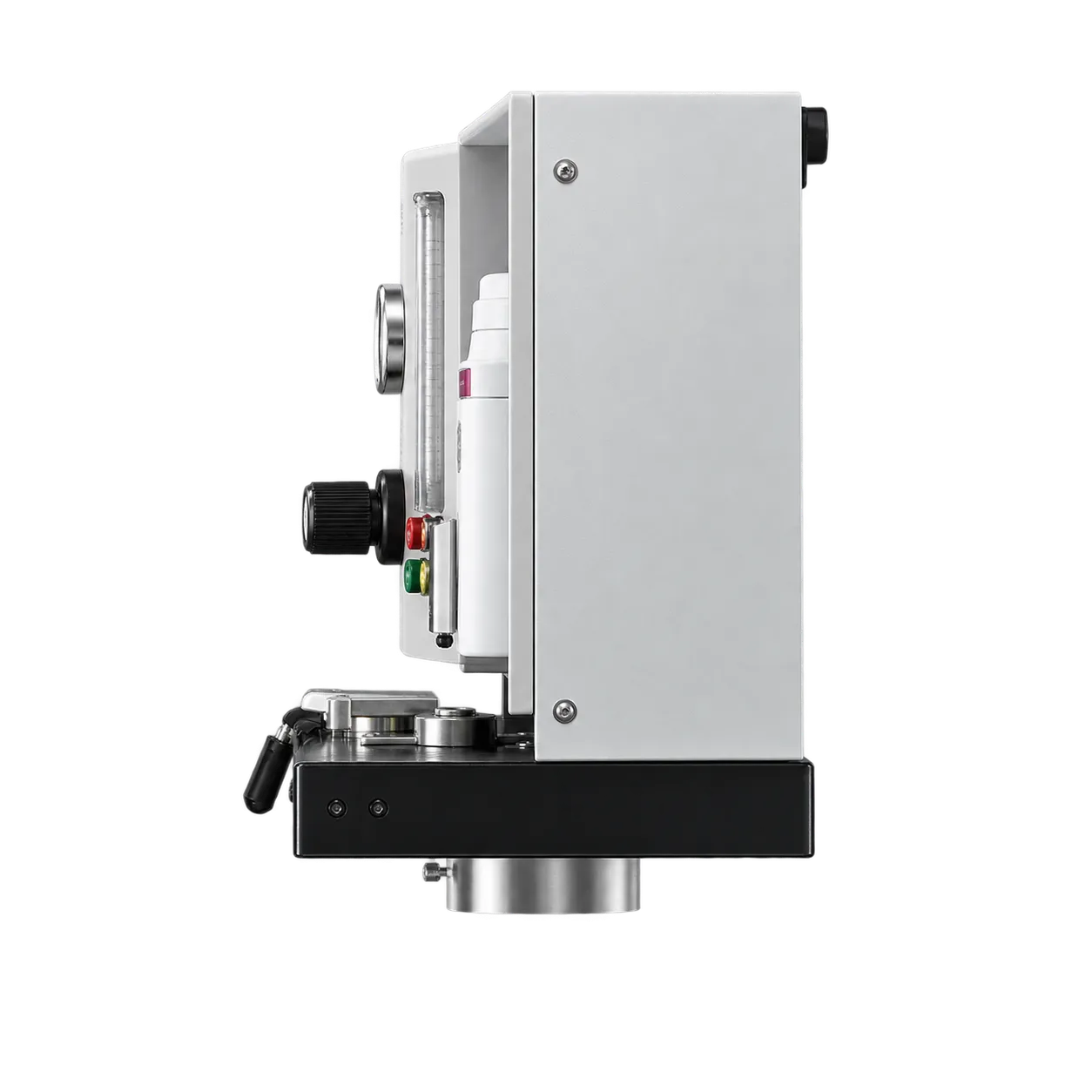
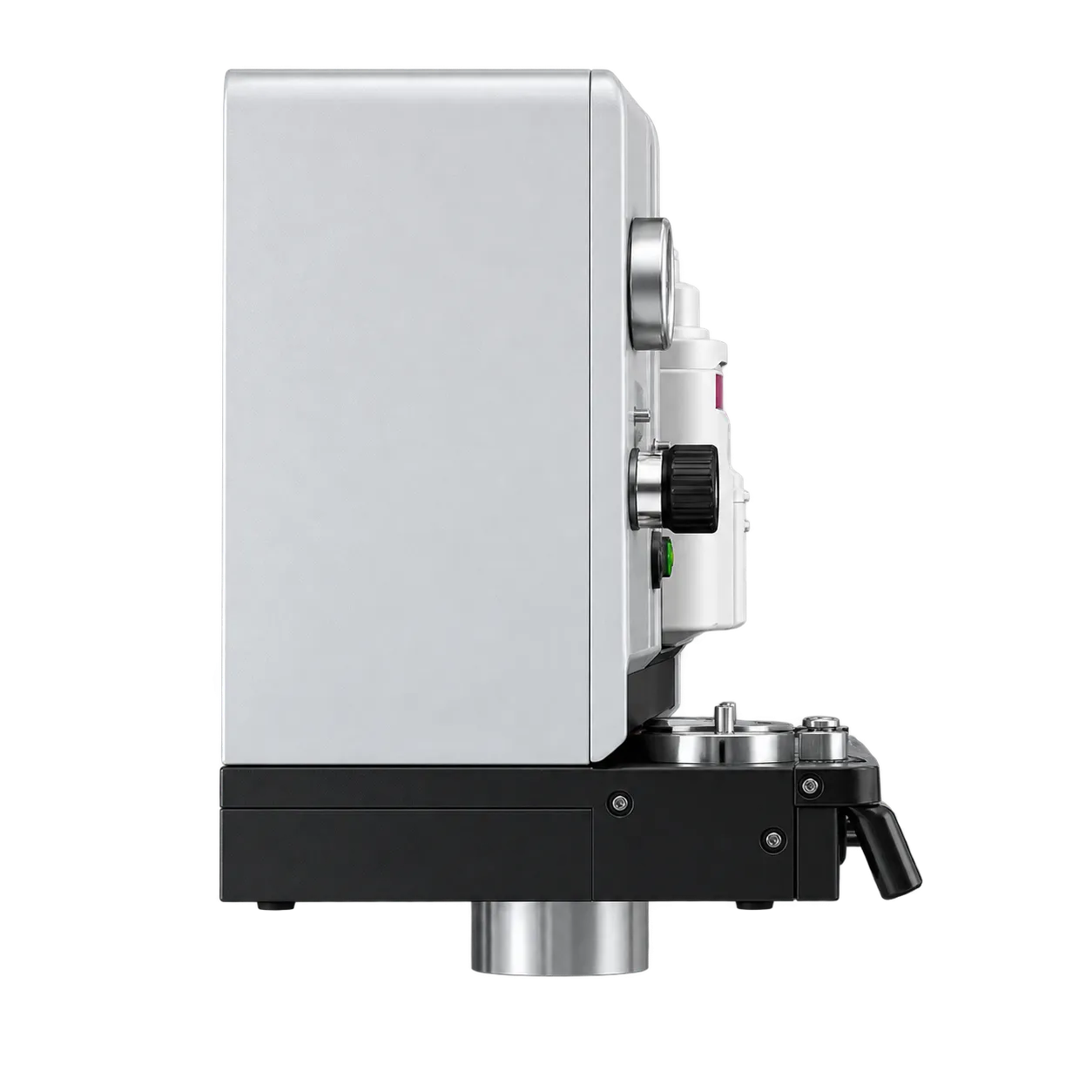
Mixed small animal practices are a natural home for the R650-Plus because a single day's list can move from a cat to a large dog, then to a tortoise or a parrot. Exotic animal clinics, referral and teaching hospitals, and facilities that keep pigs or monkeys draw on the same breadth. Those settings share a range that swings from very small to much larger animals, and the R650-Plus keeps both ends on one machine.
Veterinarians and veterinary nurses or technicians work the machine from the head of the table. After intubation with a tube from the 17-size set, each animal goes onto the circuit that suits its size: the duo-limb rebreathing circuit for larger patients, or the Mapleson F for the smallest. A 0.5, 1 or 2 L bag completes the match. Between patients, the circuit switch makes the change at the panel, so a list that alternates between species keeps moving.
Routine work fills most days: neutering, dental procedures and soft-tissue surgery, with wound care and minor procedures in between. Manual ventilation is where the safeguards matter. When a nurse squeezes the bag after a quick occlusion of the APL valve, circuit pressure tops out at 30 cmH2O. That guards the alveoli of patients at both ends of the size range, while the colour zones on the gauge show each breath as it builds. Staff exposure is part of the picture too. The gas filter canister scavenges waste agent, and pipelines concealed inside the housing minimise anaesthetic vapour reaching people working beside the table.