
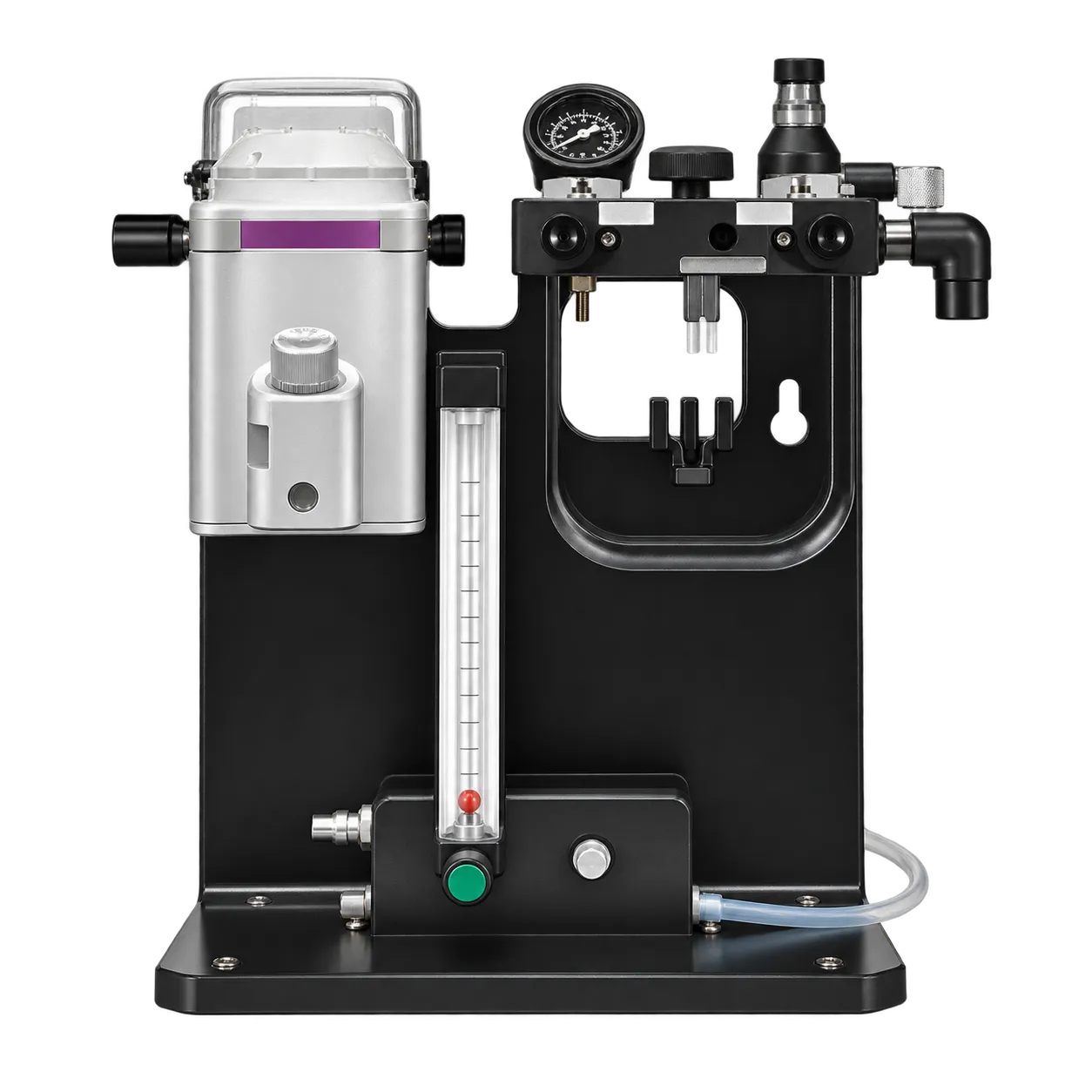
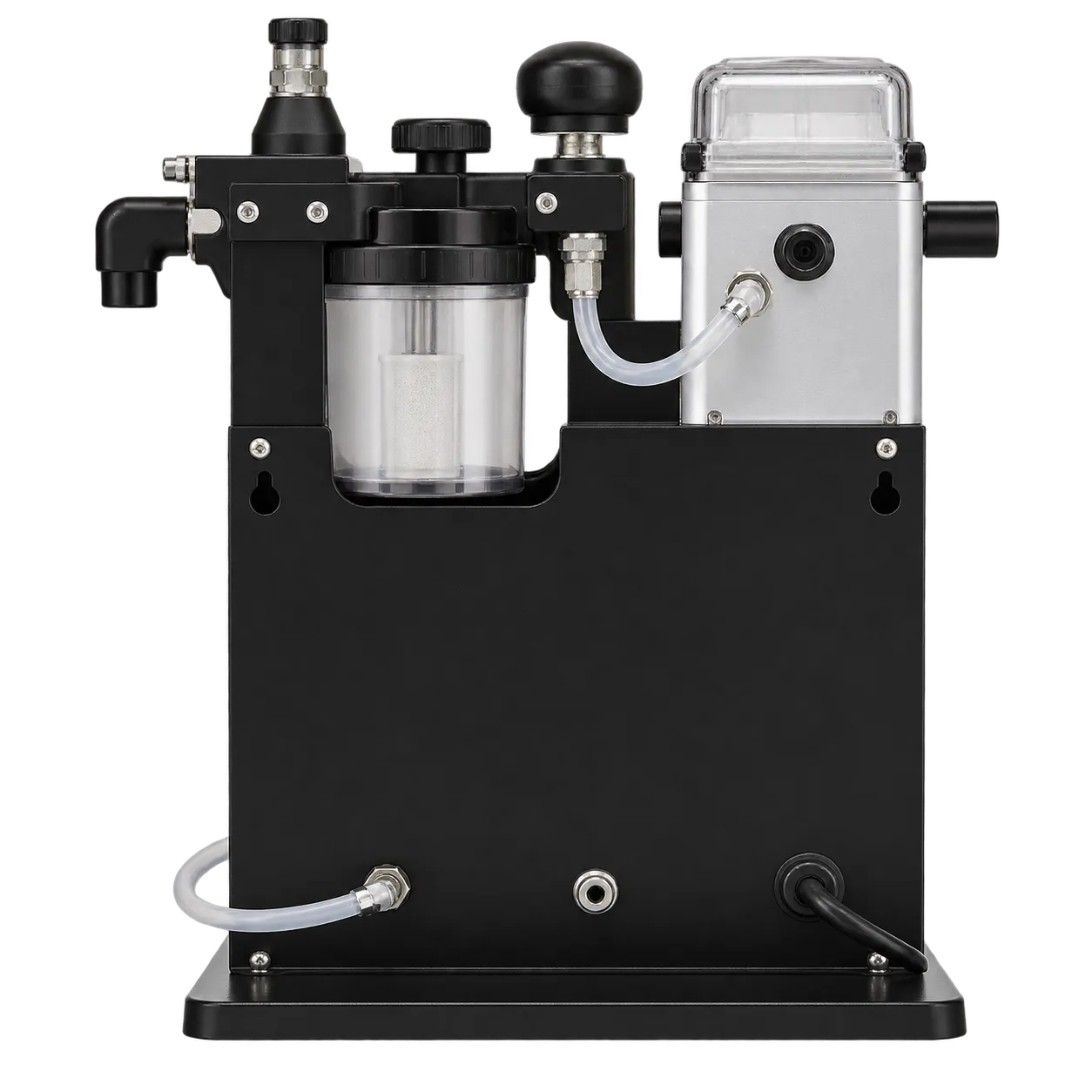


Small animal clinics and mixed practices use the R610 for inhalation anaesthesia across a wide range of patients, from cats and dogs to pigs, with exotic teams anaesthetising reptiles and birds and research facilities anaesthetising monkeys and rodents. Its 100 kg ceiling and two circuit types let the same machine serve a small cat and a large dog.
Where the machine sits shapes how it is used. As a tabletop unit, it goes on a worktop in a prep room, on a trolley in theatre or on a bench in a research procedure room, leaving the floor around the table clear. Clinics that start on the bench can extend it to a mobile anaesthesia machine when the caseload demands it.
Its focused layout suits teams that want a short learning curve, such as practices that often train new nurses. A new nurse learns one flowmeter, one vaporiser, a flush button and a gauge, and the same controls appear on every case. Cuffed endotracheal tubes, bags in three sizes, a corrugated tube and both circuits are already in the standard set, so the airway and circuit side of an anaesthetic is covered from the first list.
Routine neutering, dental and soft-tissue lists make up much of its working day. The gas filter canister captures waste agent, and the 10 L/min flush gives the team a fast route to oxygen when a patient needs first aid. Veterinary surgeons, nurses, and anaesthetists run it, while research technicians use it in laboratory animal work.