
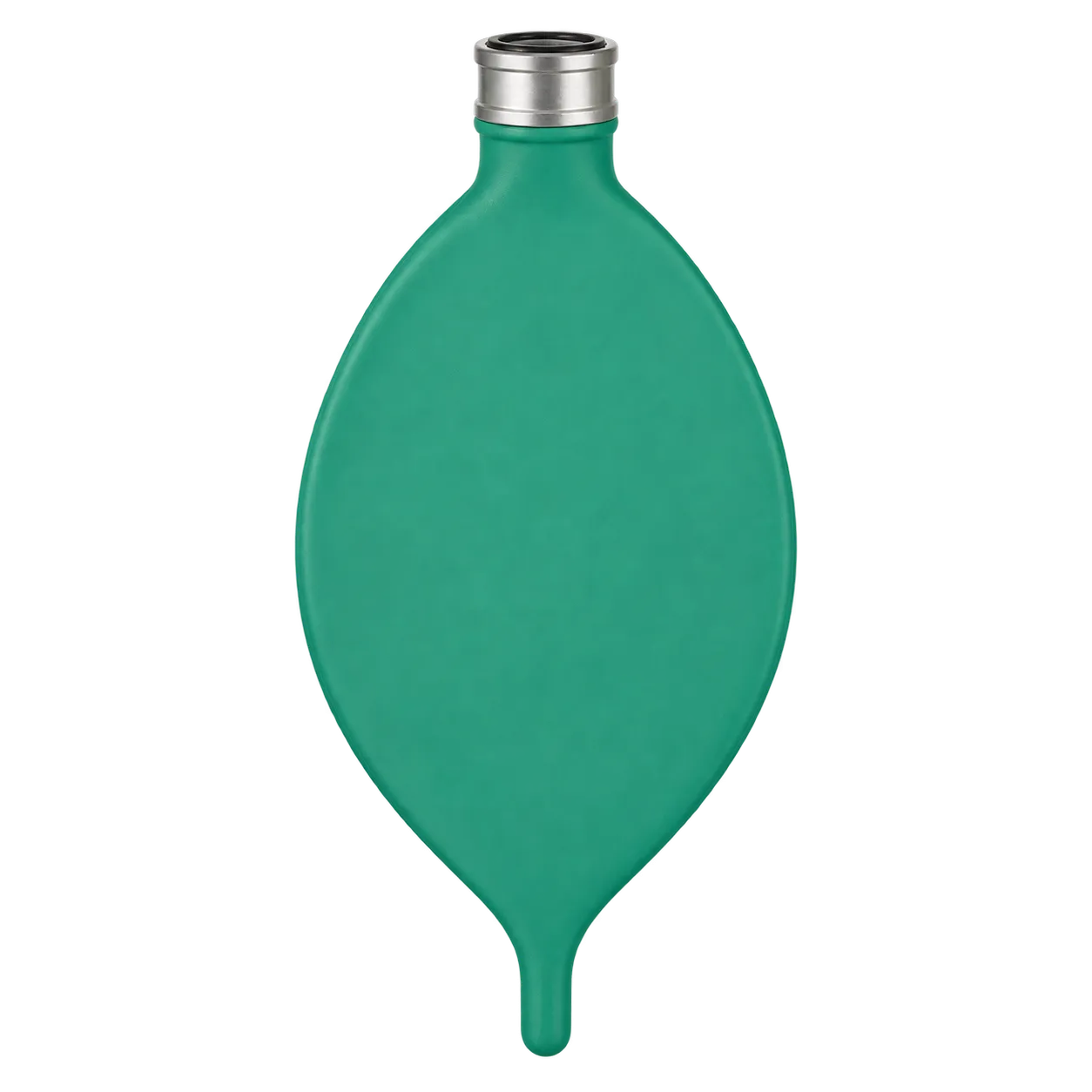

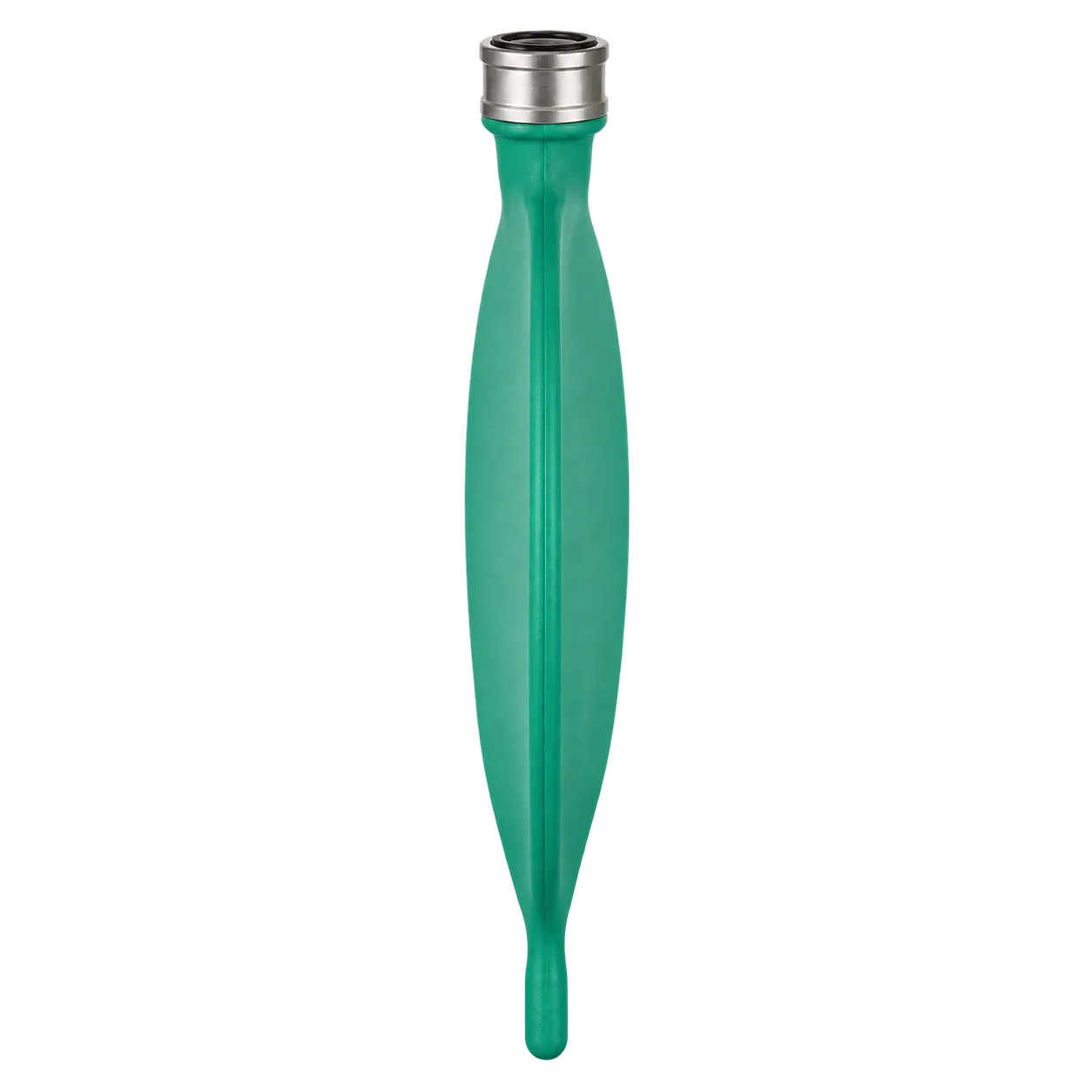
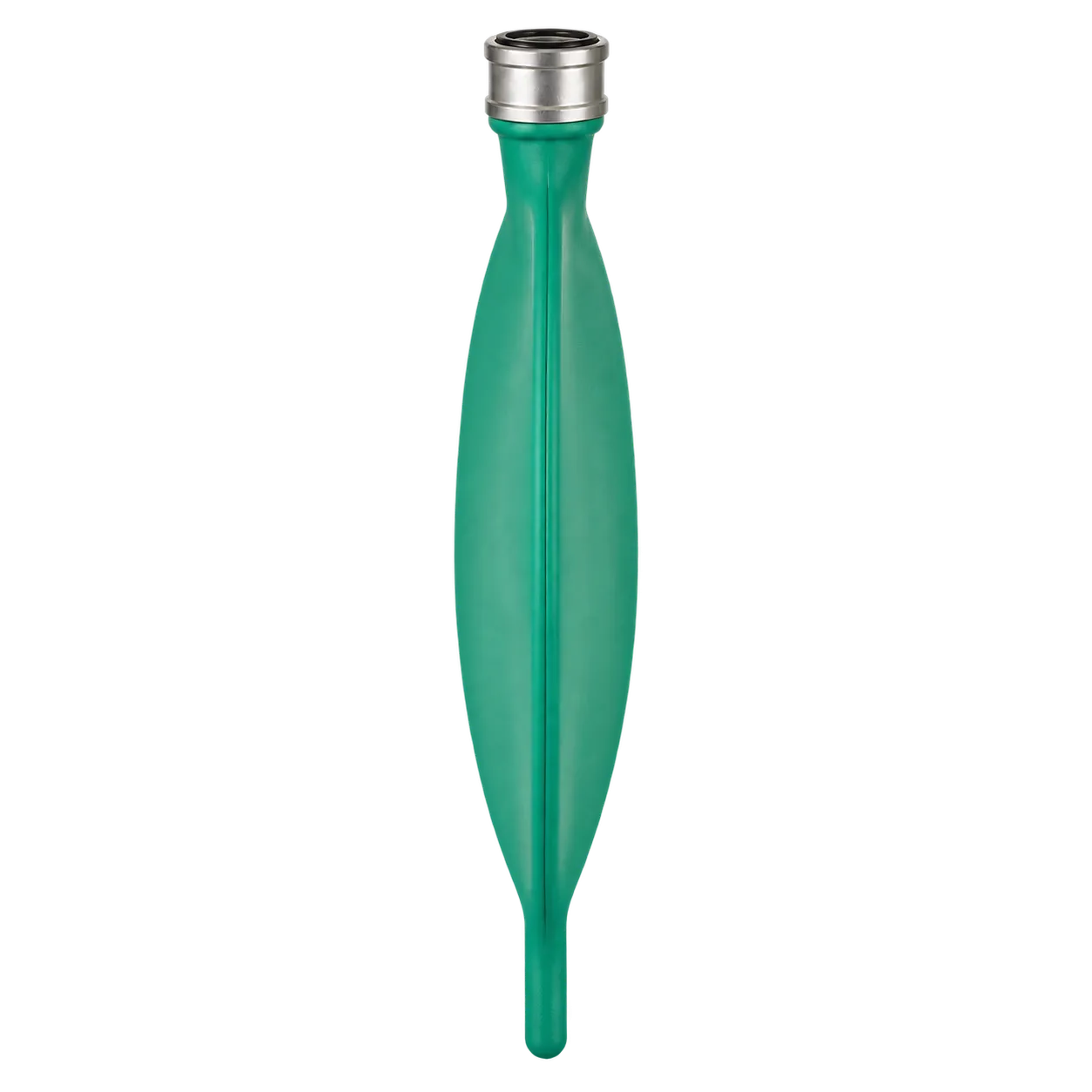
In veterinary anaesthesia, this bag serves as equipment that specifies a one-litre reservoir. The flexible chamber holds breathing gas at the bag port, where the anaesthesia team can see and reach it. Its placement in an operating room depends on the selected breathing system and the animal's assessed requirements. The reusable design keeps the reservoir within the department's ongoing equipment-care routine.
During procedure preparation, veterinary nurses and anaesthesia personnel use the bag as an identifiable component of the assembled gas path. The body and neck are the key points to check for cleanliness, material condition, and attachment. Its model reference distinguishes the required accessory in equipment records. That identification also supports replacing the specified bag with another compatible arrangement.
When hand assistance forms part of the selected anaesthesia technique, the flexible reservoir gives the operator a chamber to compress. This action occurs with the connected system's pressure management and airway-pressure monitoring. Gas-filling changes remain visible at the bag body during use. Staff interpret those changes alongside the animal's condition and the equipment's ventilation information, keeping reservoir observation within the wider anaesthetic assessment.
Treatment and preparation areas can also use the bag where compatible anaesthesia equipment specifies this capacity. The product's contribution remains the same gas-holding chamber and fitted connection, whatever the room's layout. For practices organised around reusable accessories, the bag returns to equipment care between uses. Its suitability for daily work depends on the selected capacity, the correct equipment interface, and the reservoir's maintained condition.