
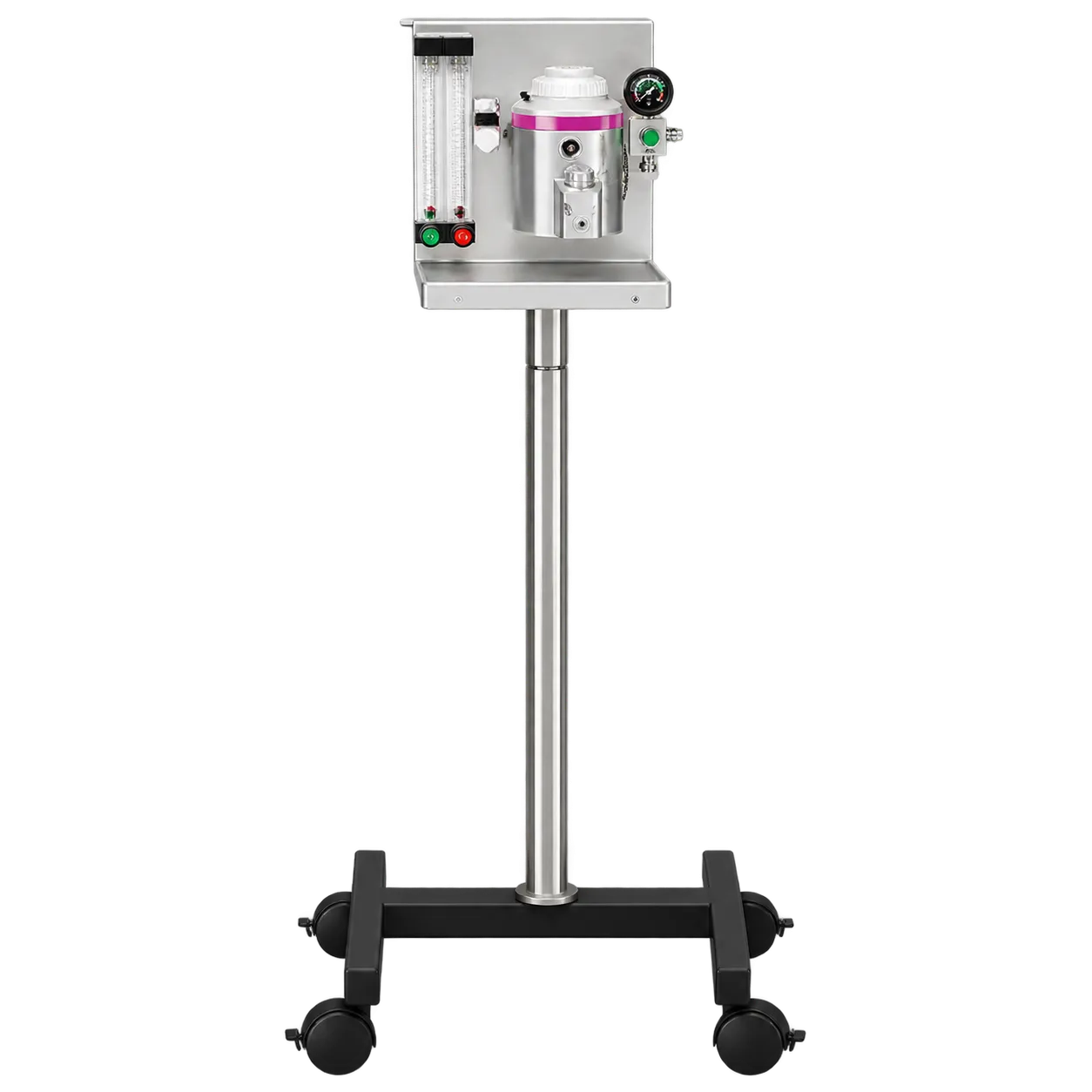
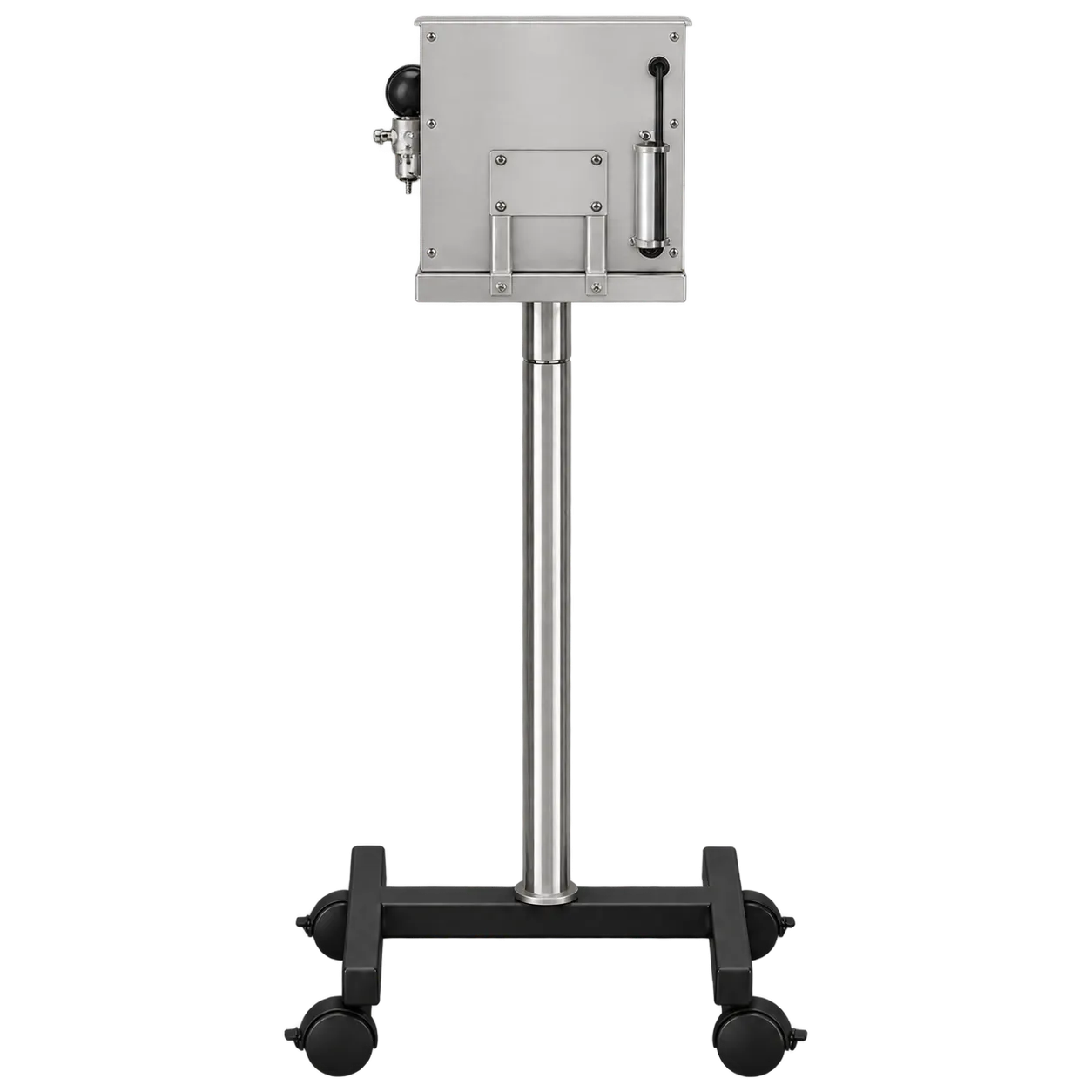
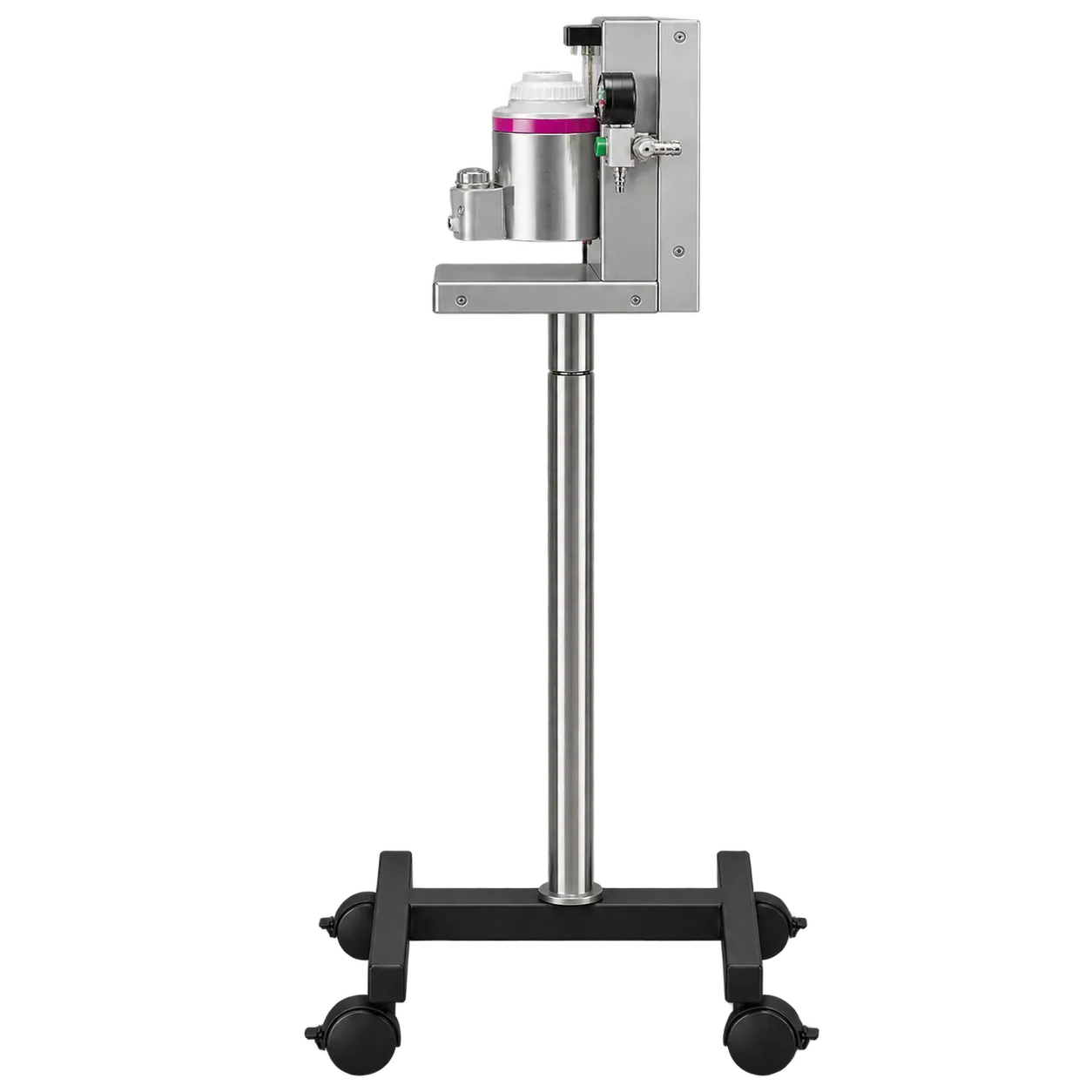
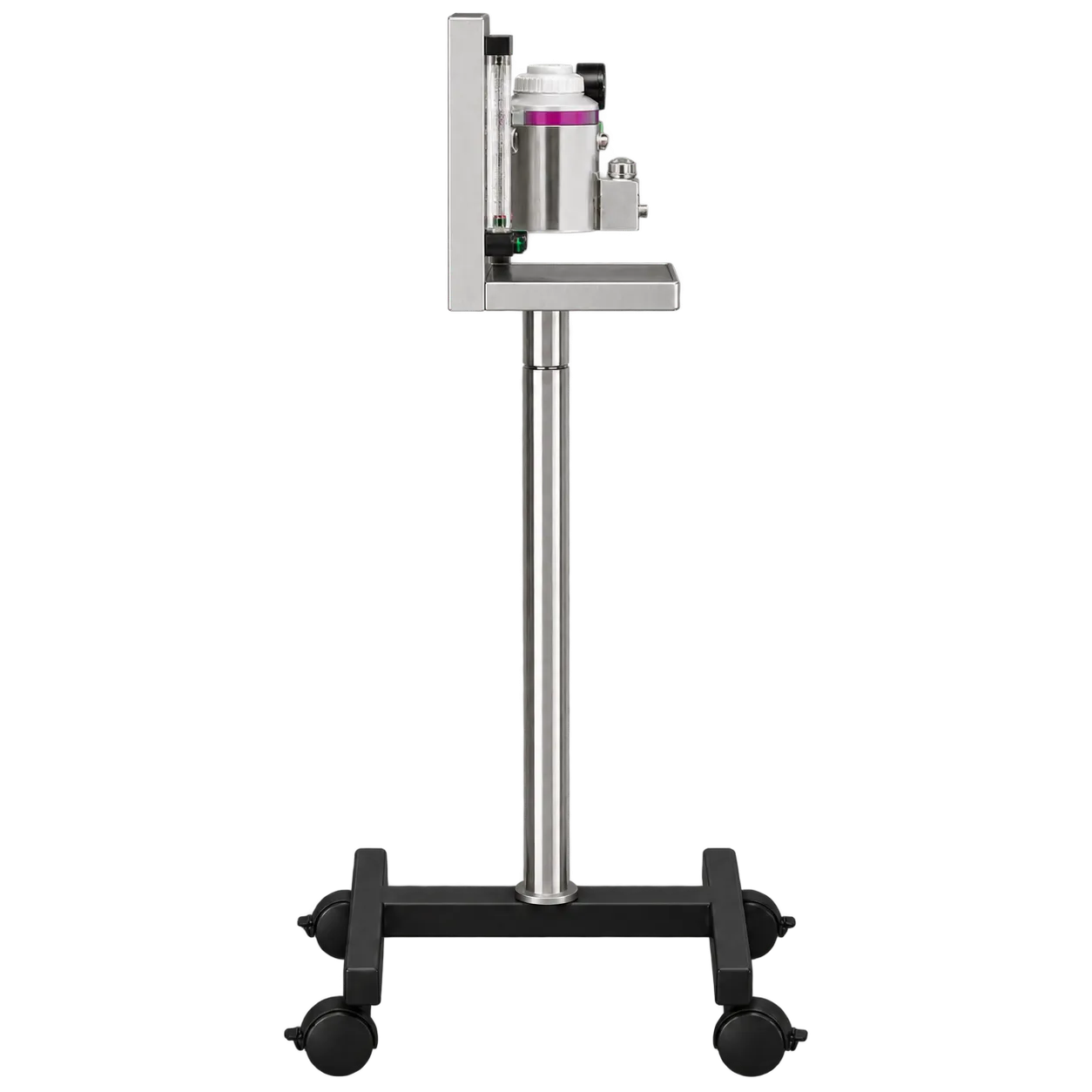
Veterinary practices and hospitals that use inhalation anaesthesia are R510-31's main home: operating theatres, dental suites, and procedure rooms where isoflurane or sevoflurane is delivered throughout the day. Laboratory animal facilities also use it, in the induction box where rodents and other small animals are first anaesthetised and at the mask end during surgery. Small pet and exotic practices anaesthetising rabbits, birds and reptiles on the RSA can add it as an option. Wherever one of RWD's R650, R610 or R620-MRI machines is in service, the canister is already part of its standard set-up.
Veterinary nurses, technicians and animal care staff usually own the change routine. Weighing the canister at the start of a list, or leaving RWD's gas recovery device to do it, shows how much of the 200 g remains, and a fresh canister goes in before the old one is saturated. Teams that log the weight against each list soon learn how many procedures a canister covers in their own workload, which turns the change into a planned task. In research facilities, the same weighing step fits into the routine for each induction box and mask line in use.
Supply planning follows from that routine. Because the same R510-31 ships with each of those RWD machines, a practice running a mix of them keeps one canister line on the shelf, and packs of six under the R510-31-6 keep that shelf stocked. A hospital with several theatres may hold several packs, while a single-room practice may keep one at a time. Between changes, the canister asks for nothing: it draws no power and has no parts to service, so it is used, weighed and replaced.