
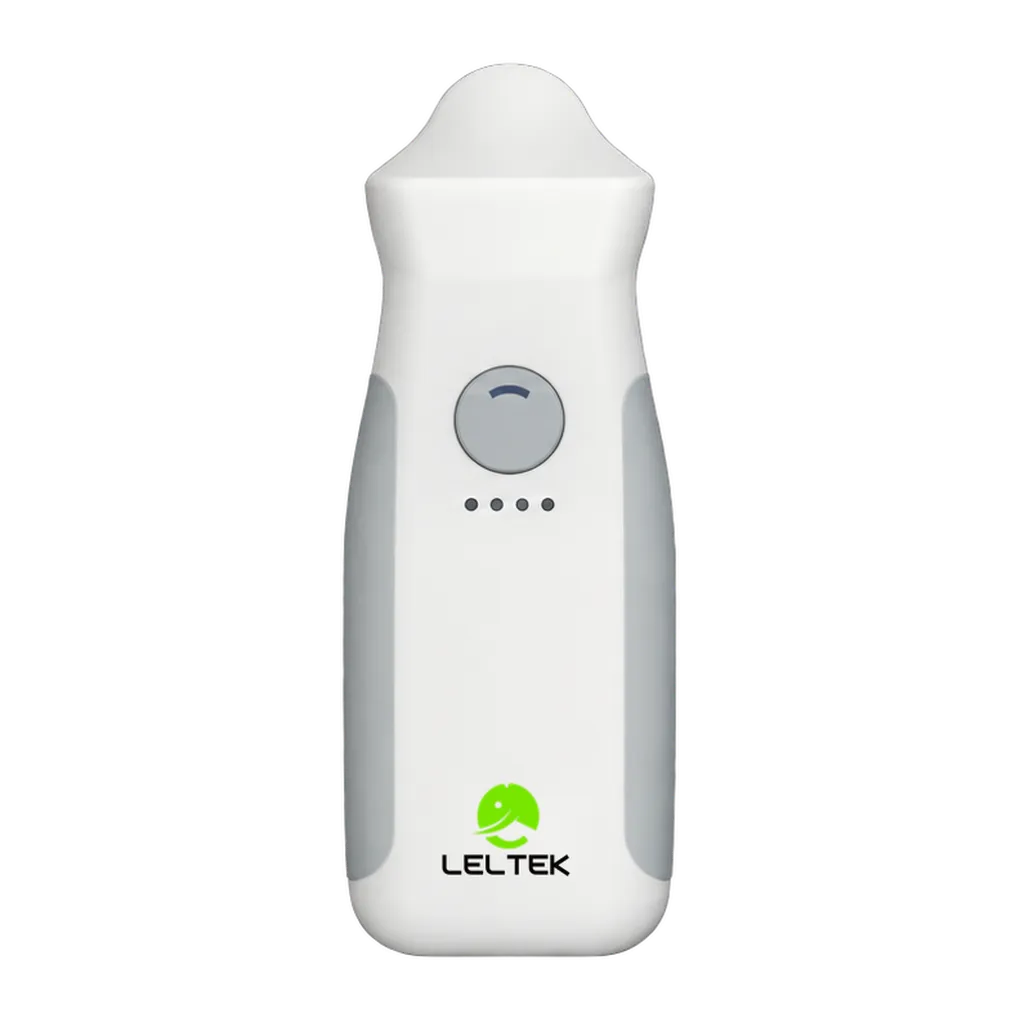
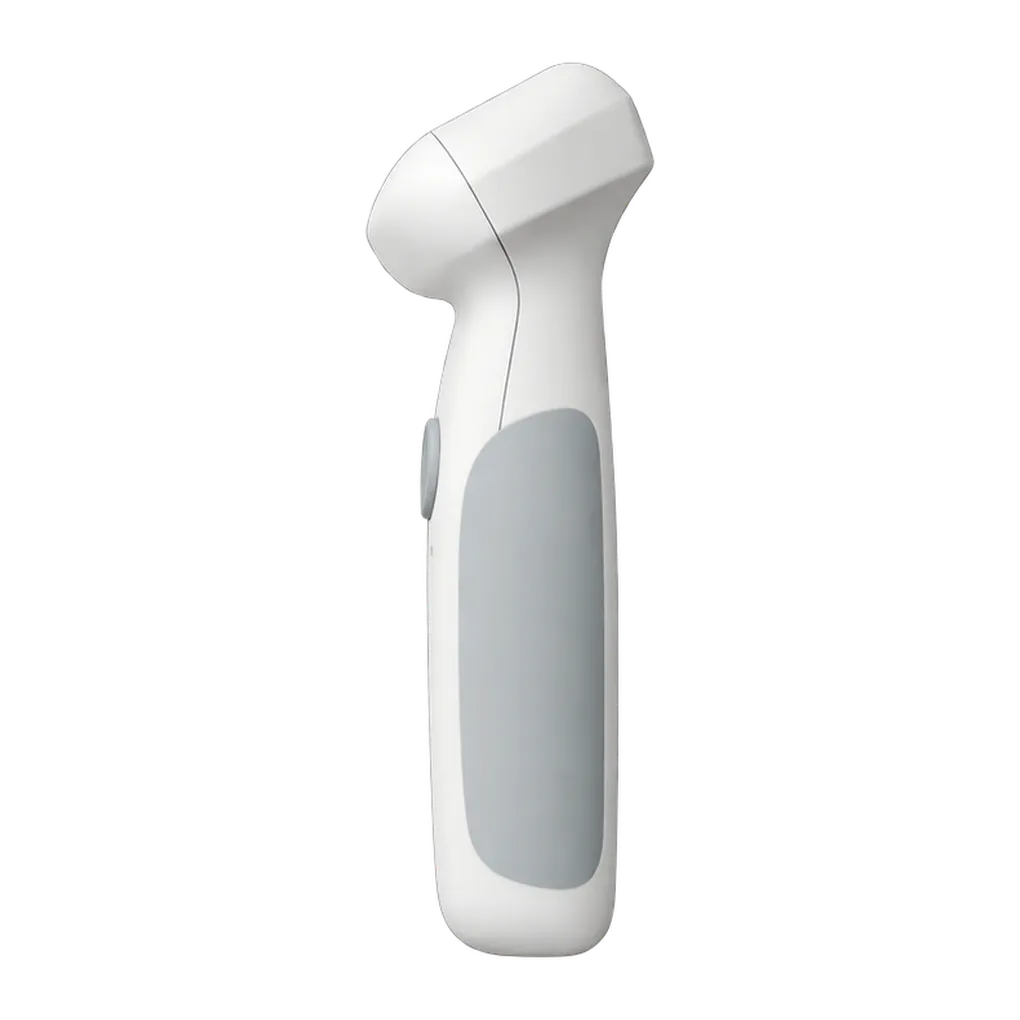
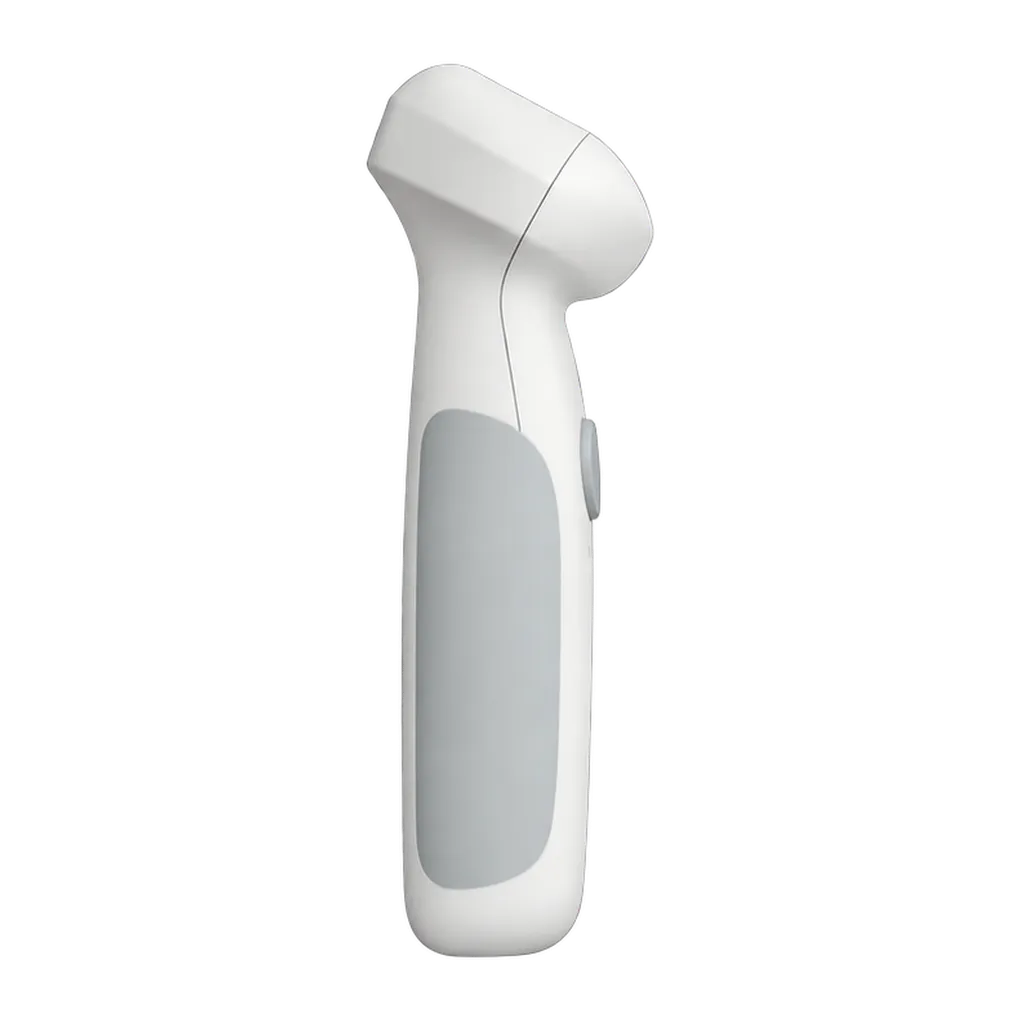
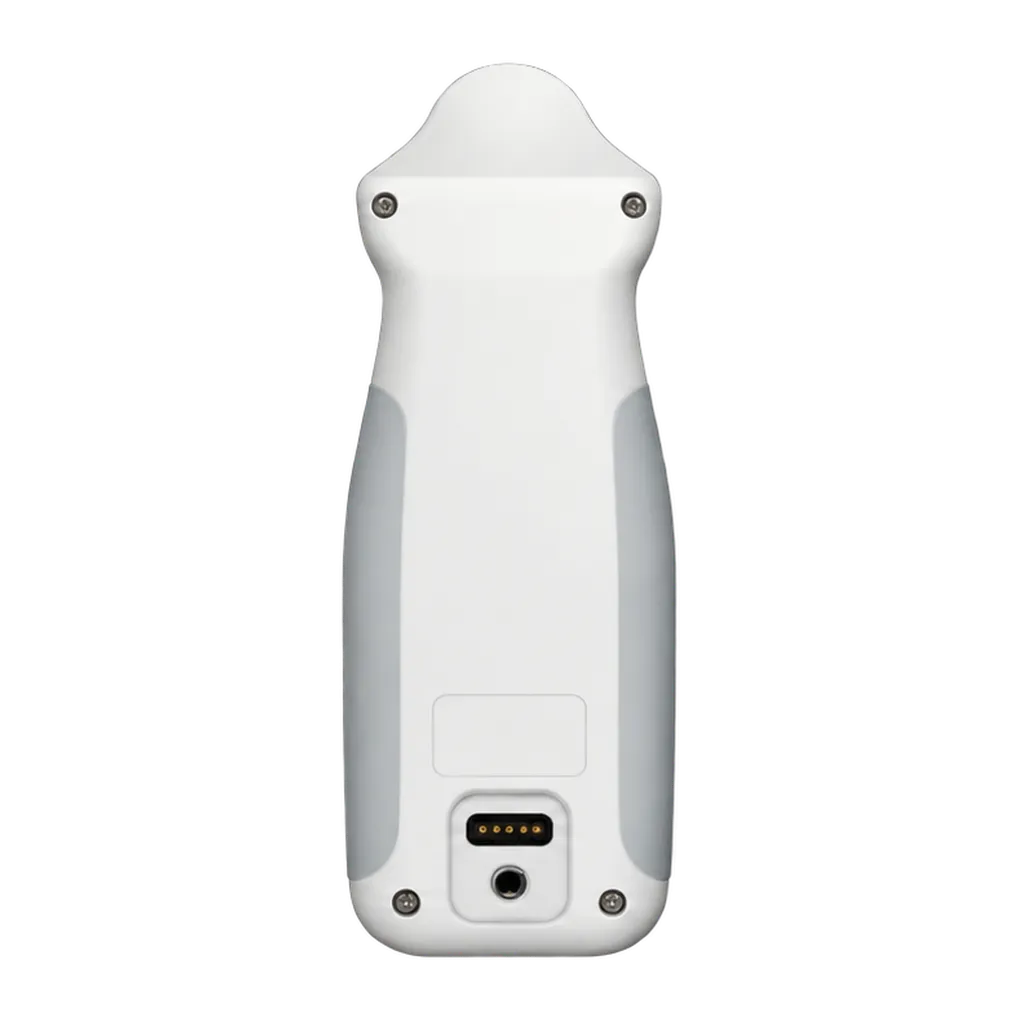
Neonatal and paediatric units use the LK128M where the infant already is. The operator takes the probe to the cot, opens the app on a paired screen and begins with the Neonatal preset. Through the anterior fontanelle, the microconvex face shows the head structures, and the manufacturer lists neonatal head among the clinical applications.
Cardiac and abdominal work follow the same sequence. Paediatric cardiac is a listed application, and the contact face sits between the ribs of a small chest while M-mode, colour Doppler and power Doppler show motion and flow. The Paediatric preset, with the listed abdomen and difficult abdomen applications, covers the abdomen, and the 12.6 cm depth reaches the organs of school-age children. Operators watch flow and motion on the same screen while the probe stays in place.
Small parts services use the Small Parts preset on superficial structures. The FDA clearance also lists fetal, urology, musculoskeletal, obstetric, and gynaecological indications, allowing the probe to be used in general outpatient rooms as well as specialist units. Presets and measurement tools sit inside one app, so a team learns a single routine, and every operator follows it from the first scan to the last in a session.
Qualified physicians, sonographers and trained clinical staff operate the probe from the app. Because the battery, array, and wireless link all sit in the probe, a ward round, clinic list, or transfer between units requires a screen to follow. Optional DICOM 3.0 supports sites that archive their studies.