
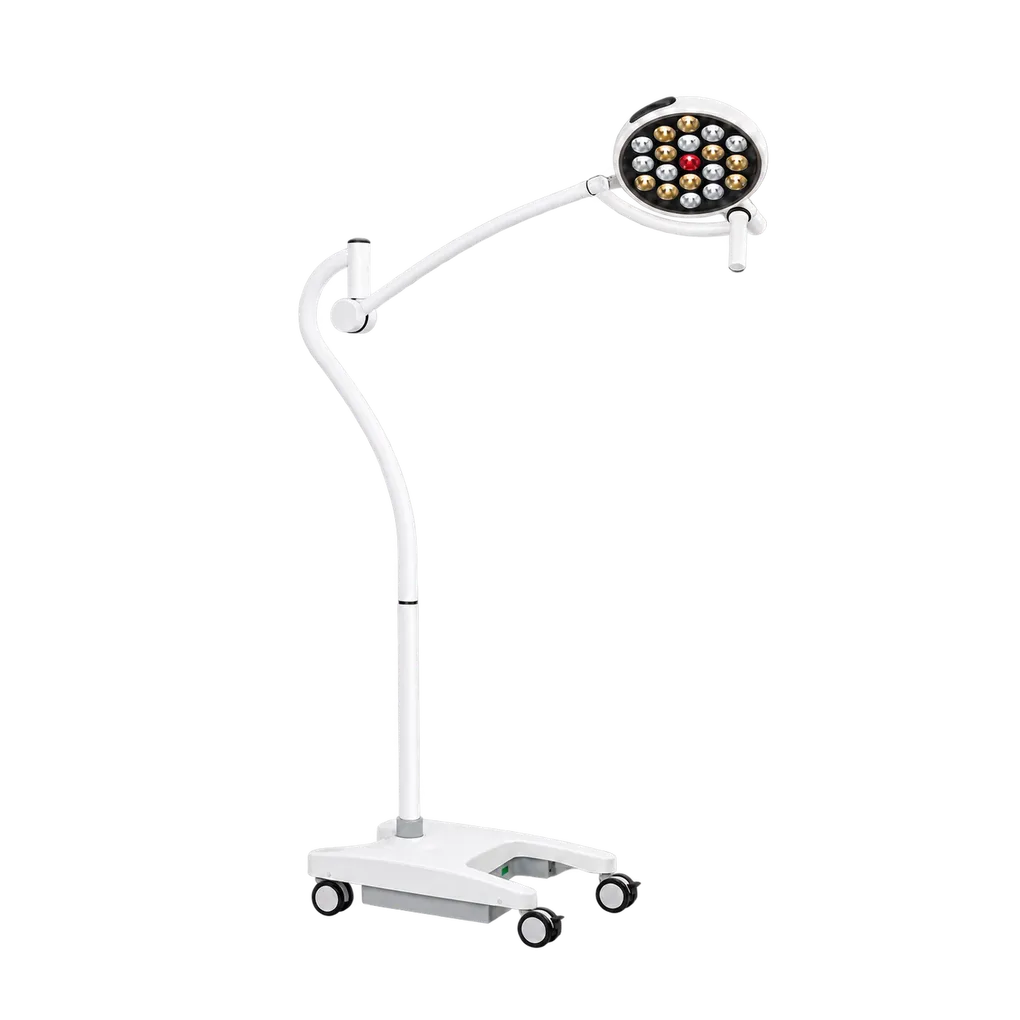
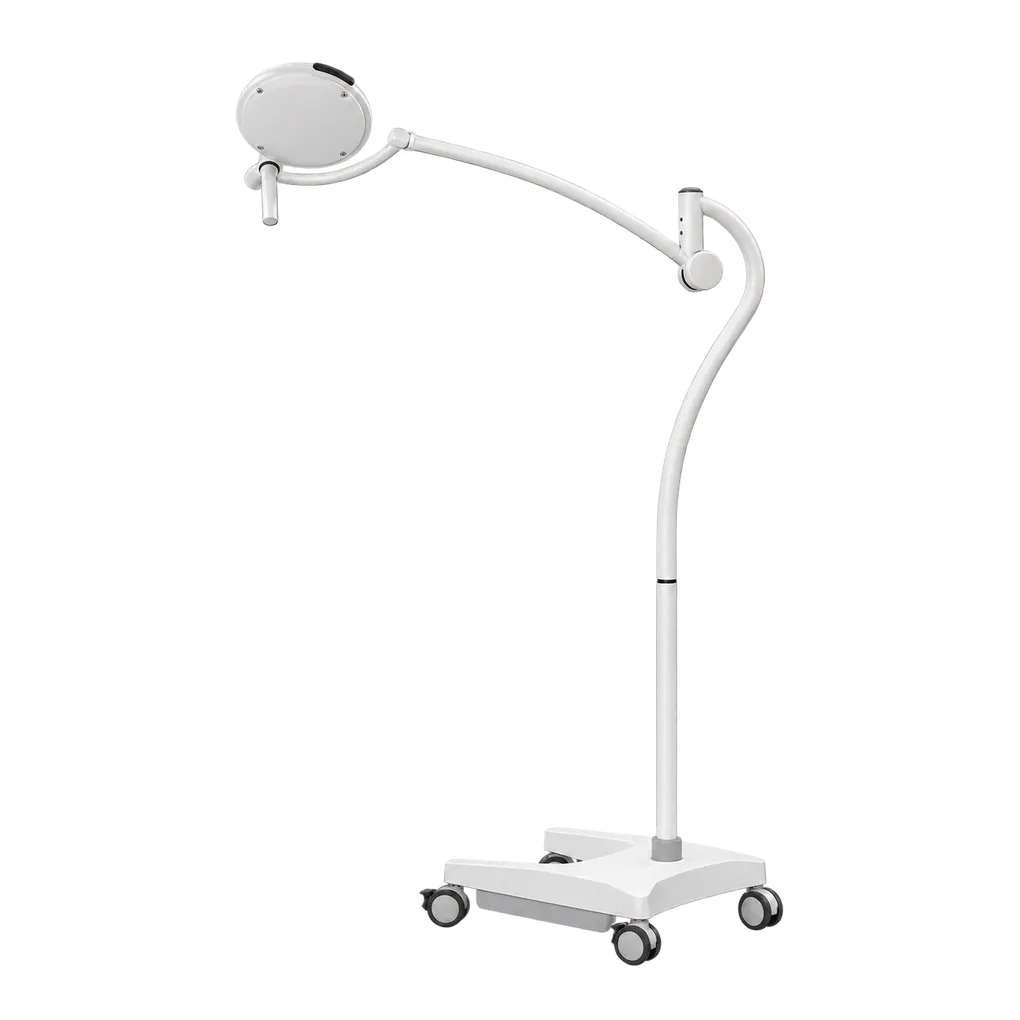
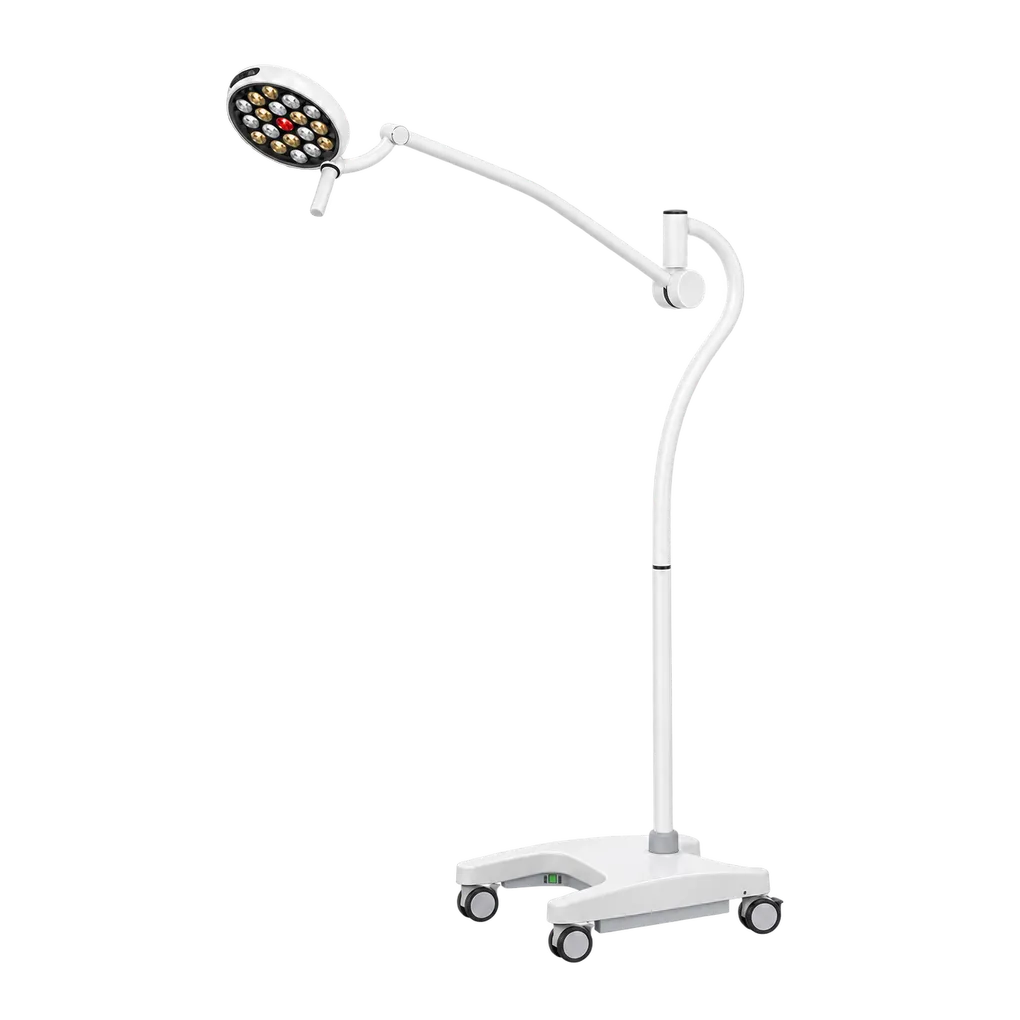
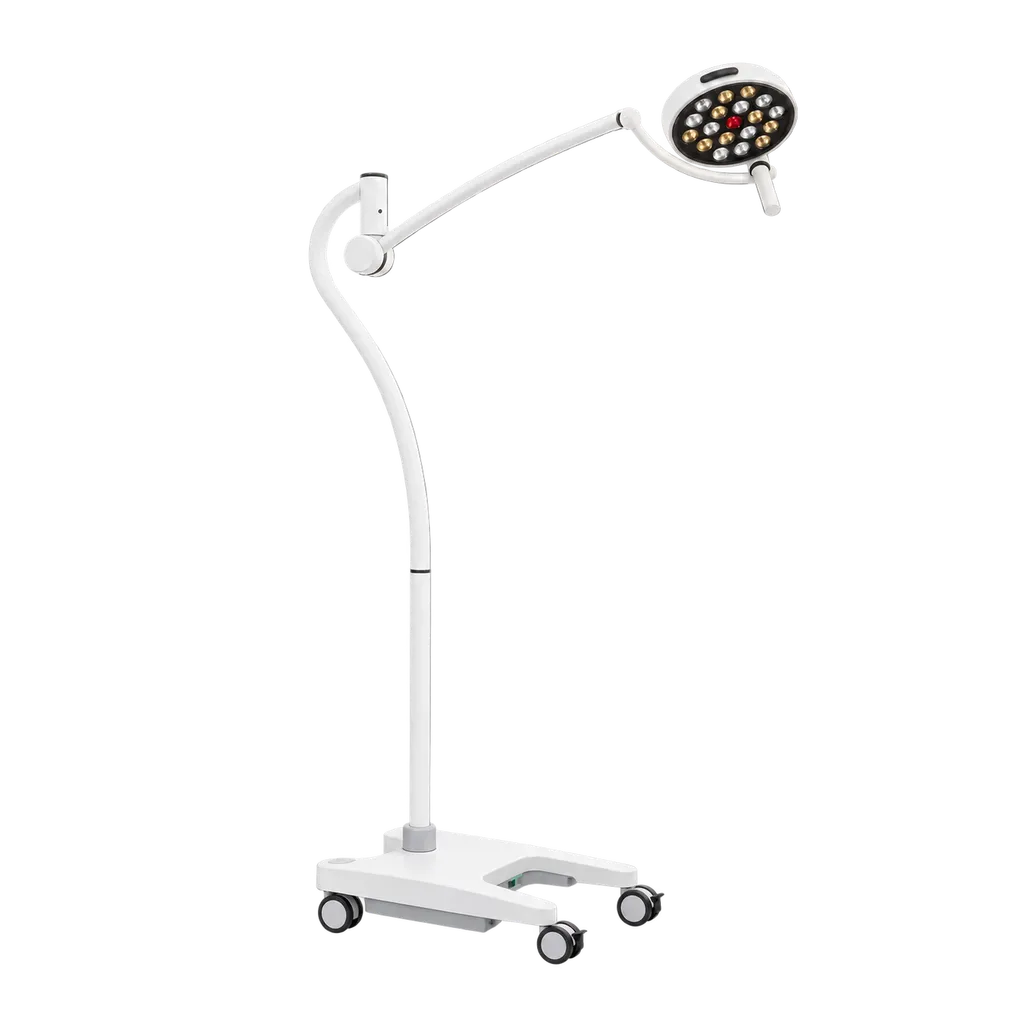
The KL01L·IILEDTR (AC/DC) suits rural and outreach clinics, emergency cubicles, delivery rooms, field and temporary sites, and any examination room where sockets are scarce, or the mains is unreliable. Its case is safety and risk transfer. Running a lamp on direct current shifts the risk of lost light from the building’s supply to the lamp’s battery and the people who look after it.
The benefit is plain in a power cut. An examination or a small procedure in progress continues, and the clinician has time to finish or to make the patient safe.
The same holds for places with no fixed supply. A vaccination and wound clinic in a village hall, a health post in a tent and a ward bay whose only socket is behind the bed are all well served by a lamp that needs no lead. Taking the cable off the floor also removes a trip hazard beside an examination couch.
The risk that comes back is a flat battery. We manage it like any other standby equipment. Someone owns the charging, the lamp has a home at a socket, and staff check the charge state at the start of each session. Batteries age, so capacity falls over the years and a replacement date belongs on the asset record. The room still needs a fallback, such as a torch or a second lamp, for the day the battery is found empty.
Clinically, the lamp is unchanged by its power source, with 80,000 lux or above at 1 m and a head that tilts to reach awkward sites.
Outreach leads, NHS procurement routes, and overseas tender panels will ask for runtime, battery type, and a declaration of conformity. The manufacturer issues the conformity documentation those procurement routes require, and the enquiry team shares it.