
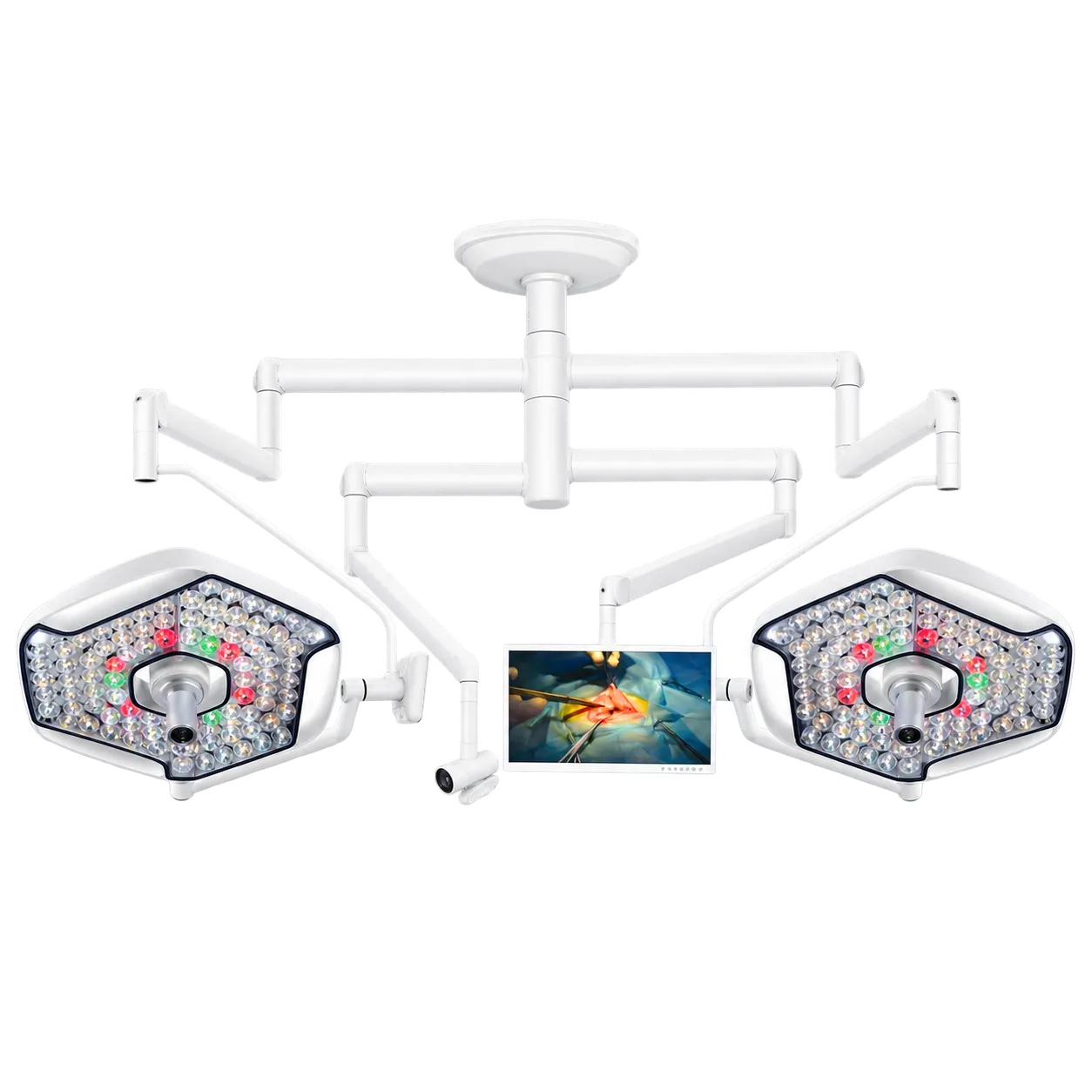
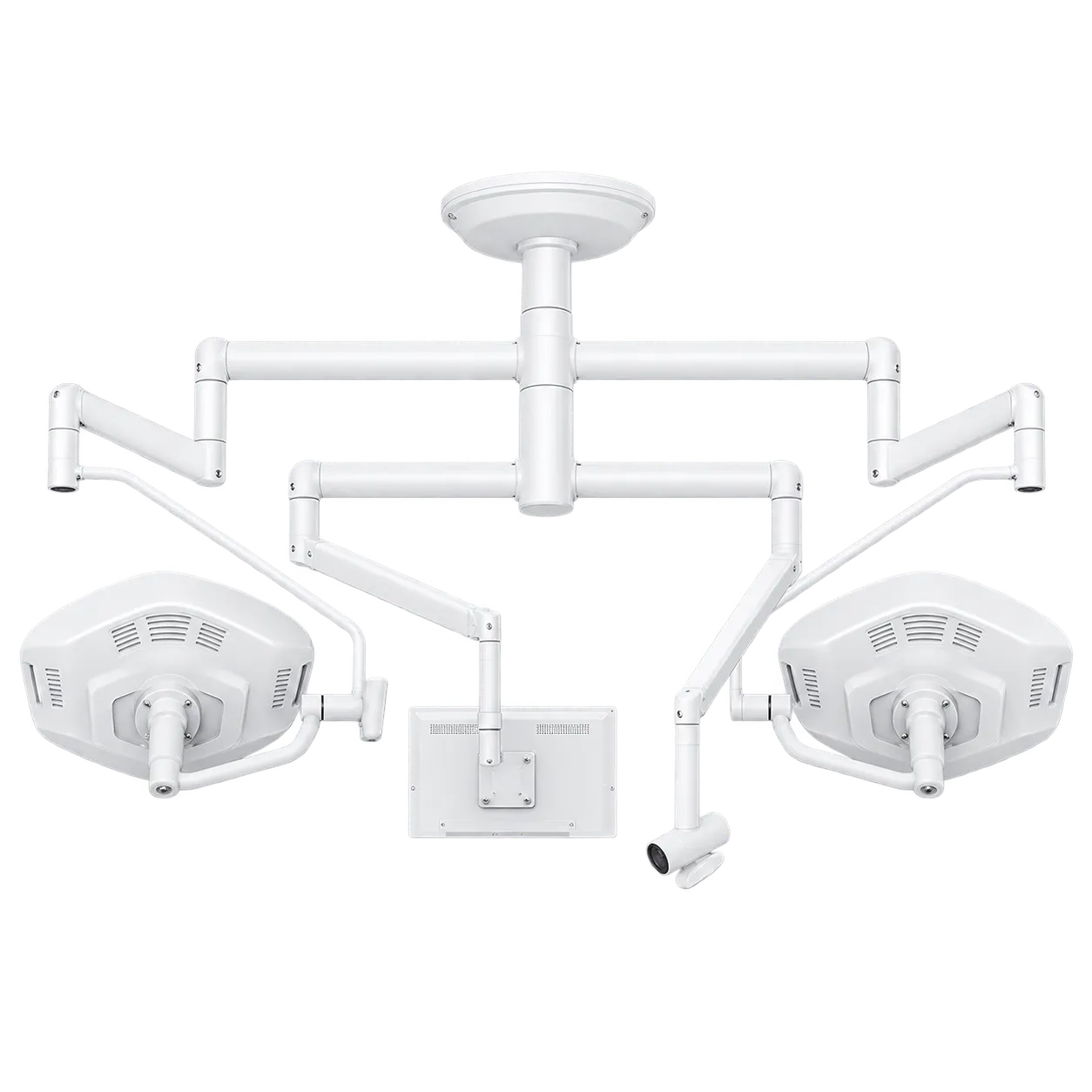
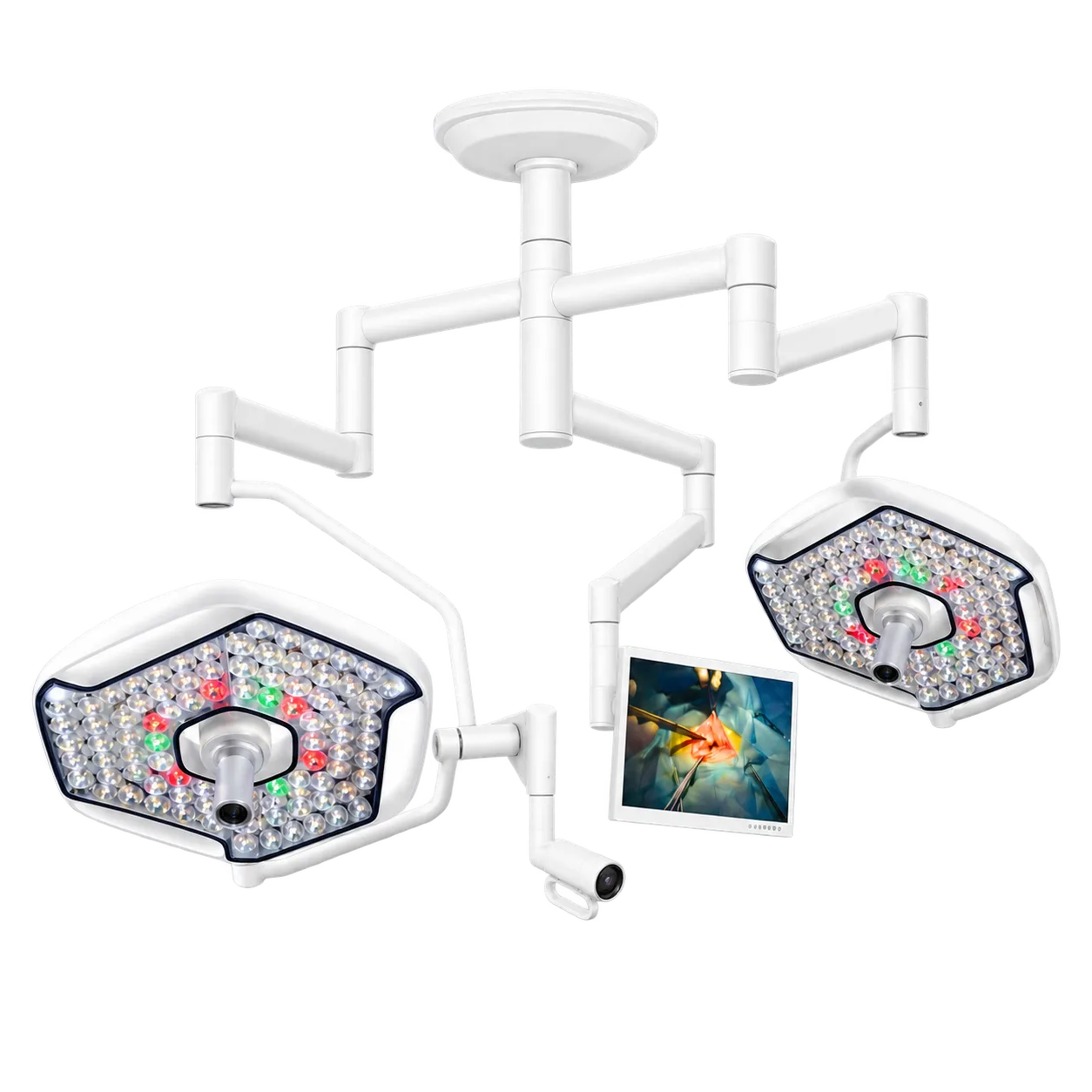
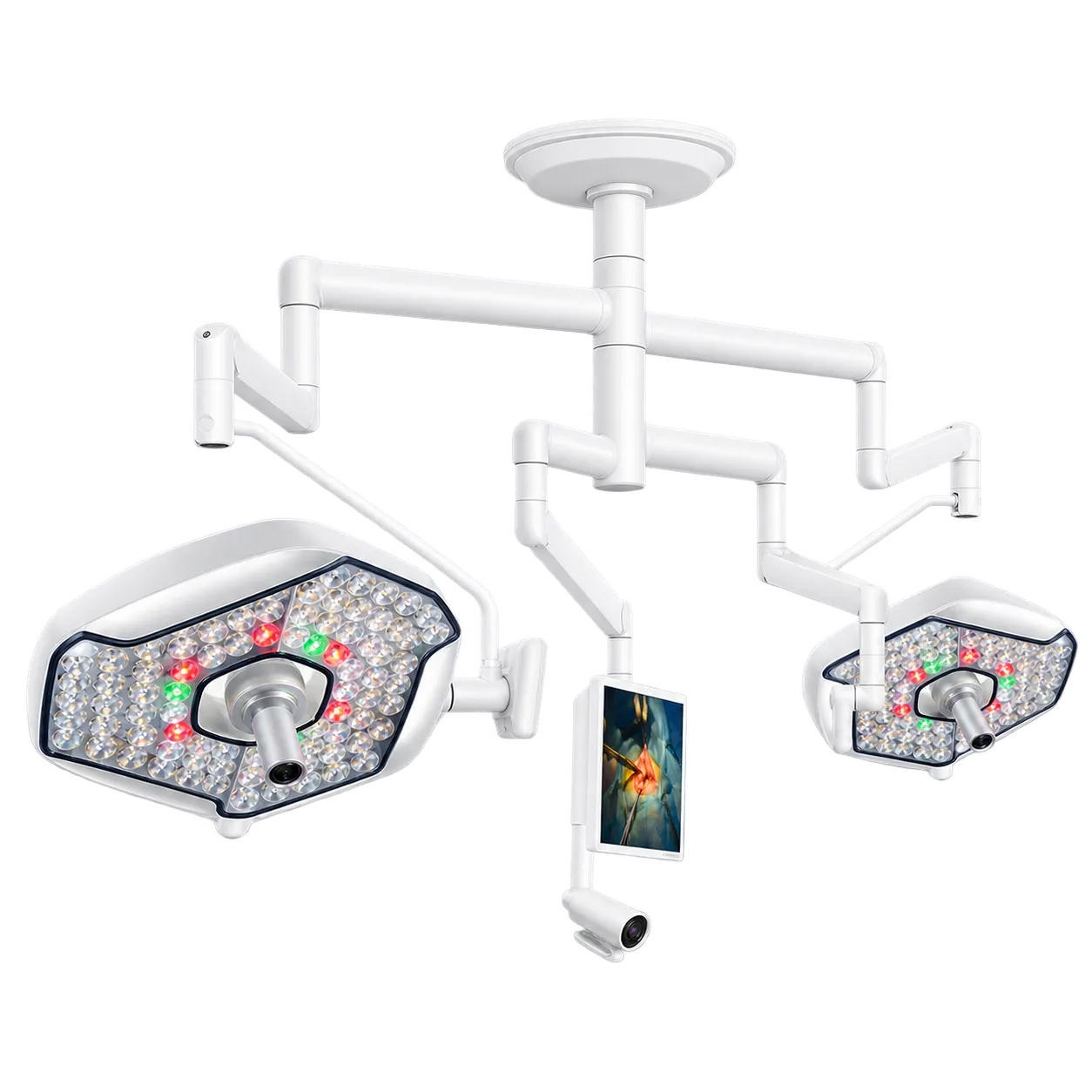
The KL-LED·STR78/STR78 with camera system suits teaching hospitals, surgical training centres, and theatres that hold live case conferences or keep video for audit. Its case is regulatory burden, stated plainly. The equipment is the simple part of the purchase, and the rules around the footage decide whether it gets used.
Consider what each item produces. The built-in camera and the surgical field camera record the wound, which may or may not identify the patient. Room footage comes from the panoramic camera, which always shows staff and may show the patient’s face. Everyone present can see the image on the monitor, and the recording server stores the files. Under UK GDPR and the Data Protection Act 2018, identifiable footage is health data, so the hospital needs a lawful basis, a retention period and access controls. General Medical Council guidance asks for consent matched to each purpose, with teaching, publication and audit treated separately. A data protection impact assessment is the usual route for a new recording system.
Practical controls follow from that. A visible sign or indicator should tell the room when recording is live. Staff need a named person to authorise filming and a simple way to stop it. The server needs user accounts, a place on a secure network (or none at all), and a deletion routine. Transmission to a lecture room or a remote site needs encryption that the IT security team has reviewed. Medical electrical safety applies as well, since video equipment connected to the lamp becomes part of a system covered by IEC 60601-1.
Training leads, NHS procurement routes, and overseas tender committees will ask which items the declaration of conformity covers and what the server’s security specification is. The conformity documentation those procurement routes require is issued by the manufacturer and shared by the enquiry team.