
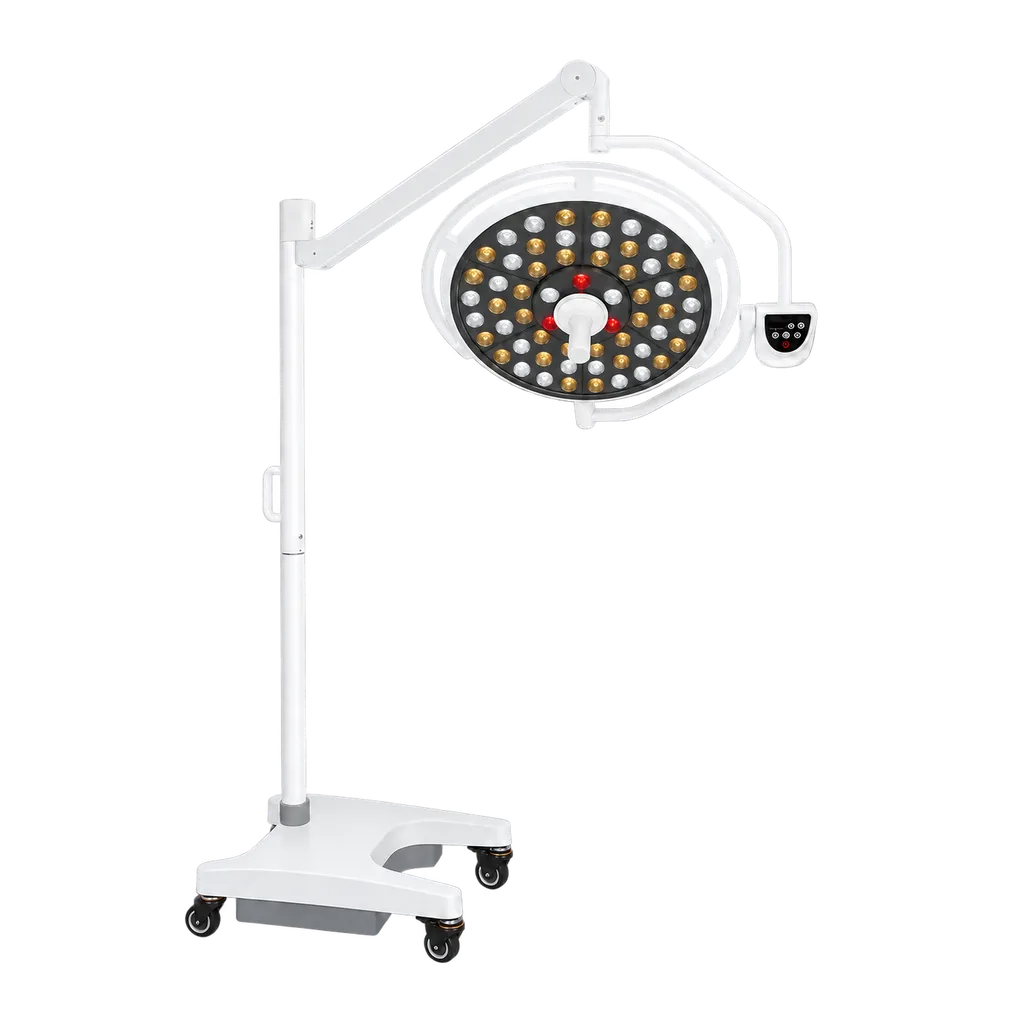
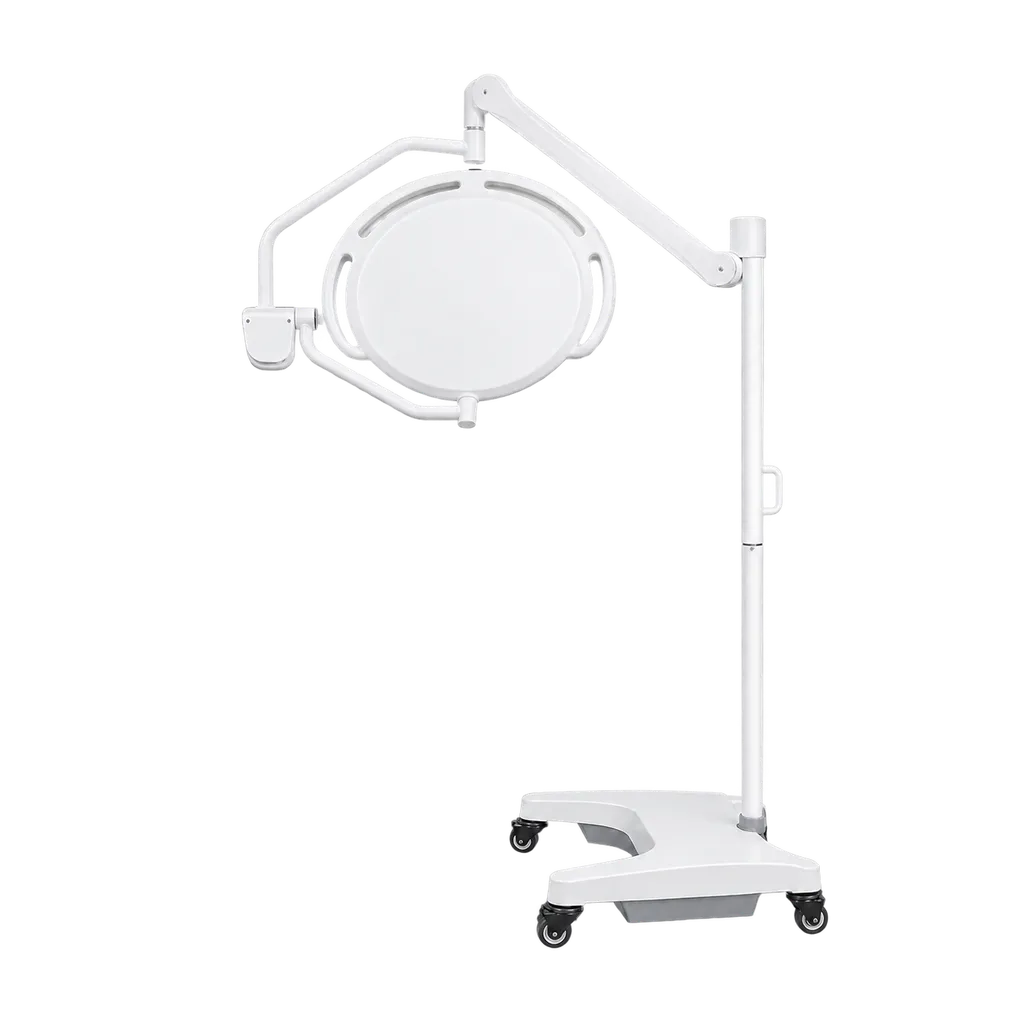
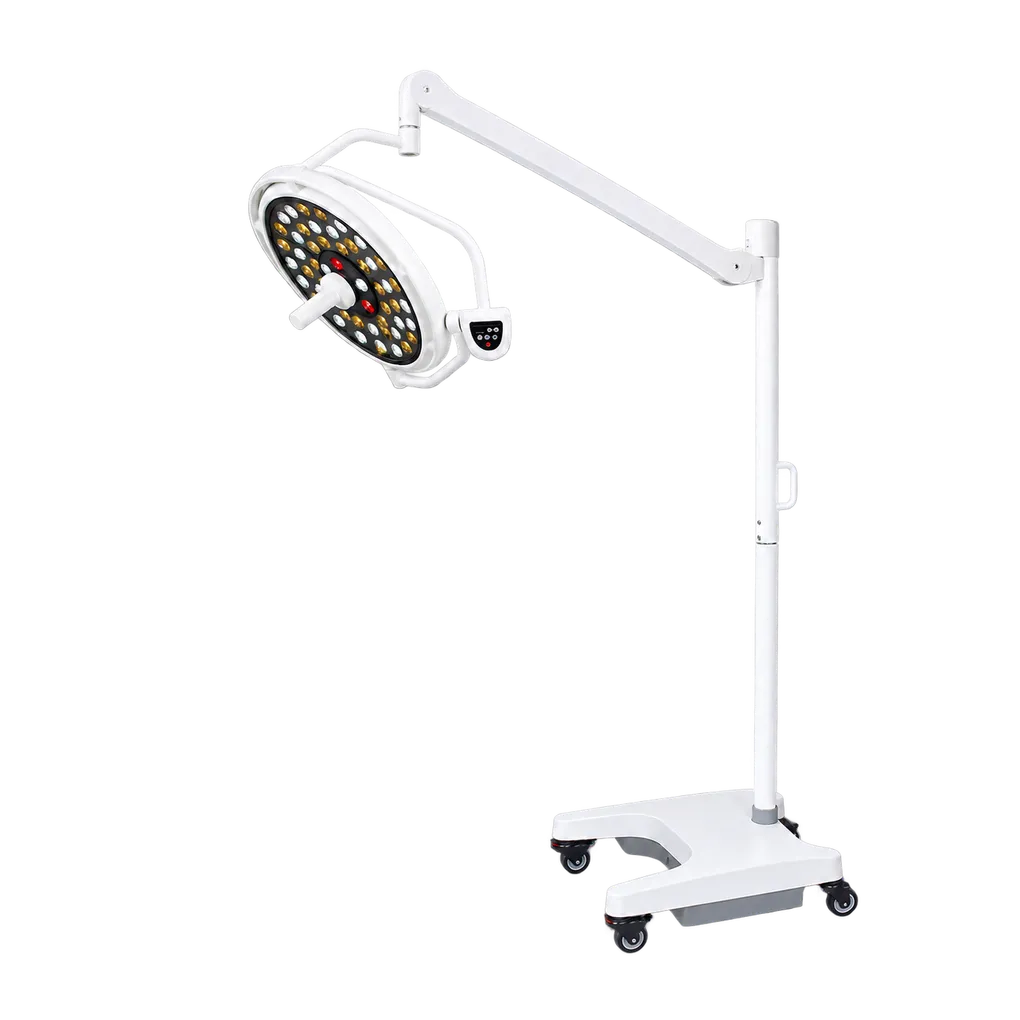
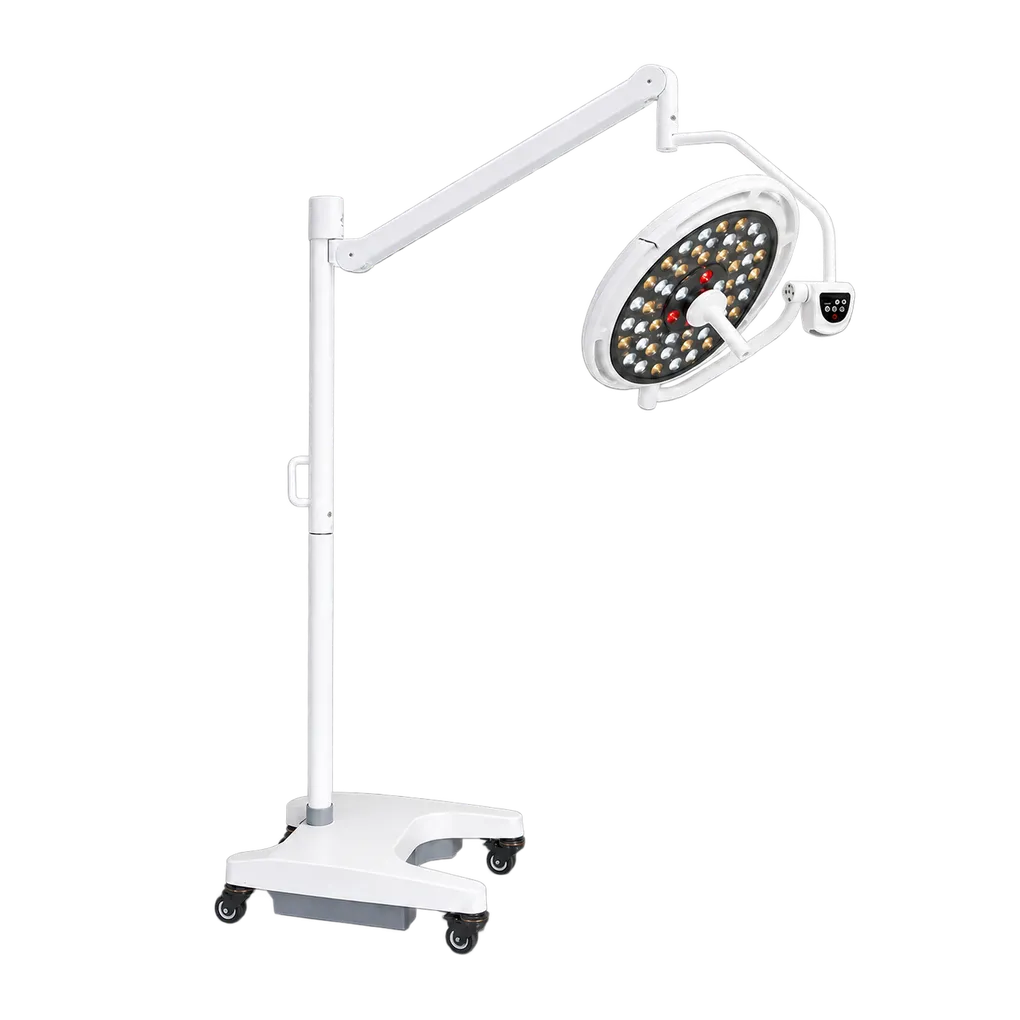
The KL-LED·MDT61D suits emergency and general theatres, procedure rooms, and clinics that want a mobile surgical light and need a purchase that stands up to audit. Its case is regulatory burden, stated plainly. The clinical job is simple to describe, and the obligations around it are where a buyer can go wrong.
Clinically, the series positions the lamp for open and minimally invasive work. A head rated at 160,000 lux with a 150 cm depth of illumination lights a deep wound, 15,000 lux in endo mode suits scope phases, and R9 at 97 or above supports the colour of red tissue. Those ratings mean something only when an IEC 60601-2-41 test report backs them up, because that standard defines how illumination, field size, depth, and heat are measured.
Before purchase, three papers settle most questions. The declaration of conformity names the model and its class. Standards and editions applied are shown in the test reports. A data sheet for this variant shows whether the series figures carry over and what the base housing holds. If any of the three names a different model, the gap should be closed in writing.
After delivery, the duties pass to the user organisation. The lamp is added to the asset register with its serial number and weight. Clinical engineering carries out acceptance checks and sets a testing interval. Staff are trained and the training recorded. Faults and incidents are reported through the usual medical device route, which in the UK means the MHRA’s reporting scheme for serious events.
Governance leads, NHS procurement routes and tender panels abroad will ask for exactly those papers, in that order. The manufacturer issues the conformity documentation those procurement routes require, and the enquiry team shares it.