
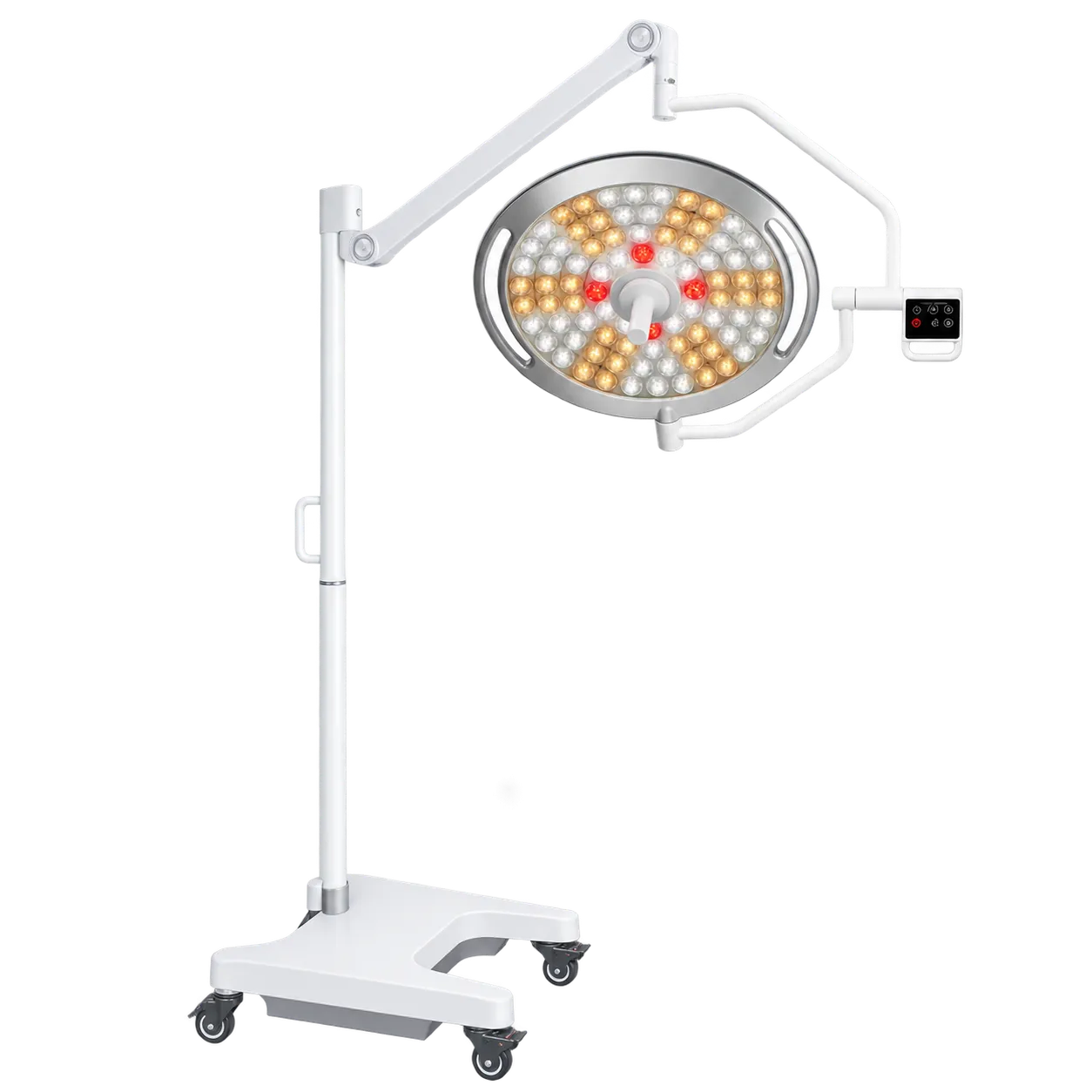
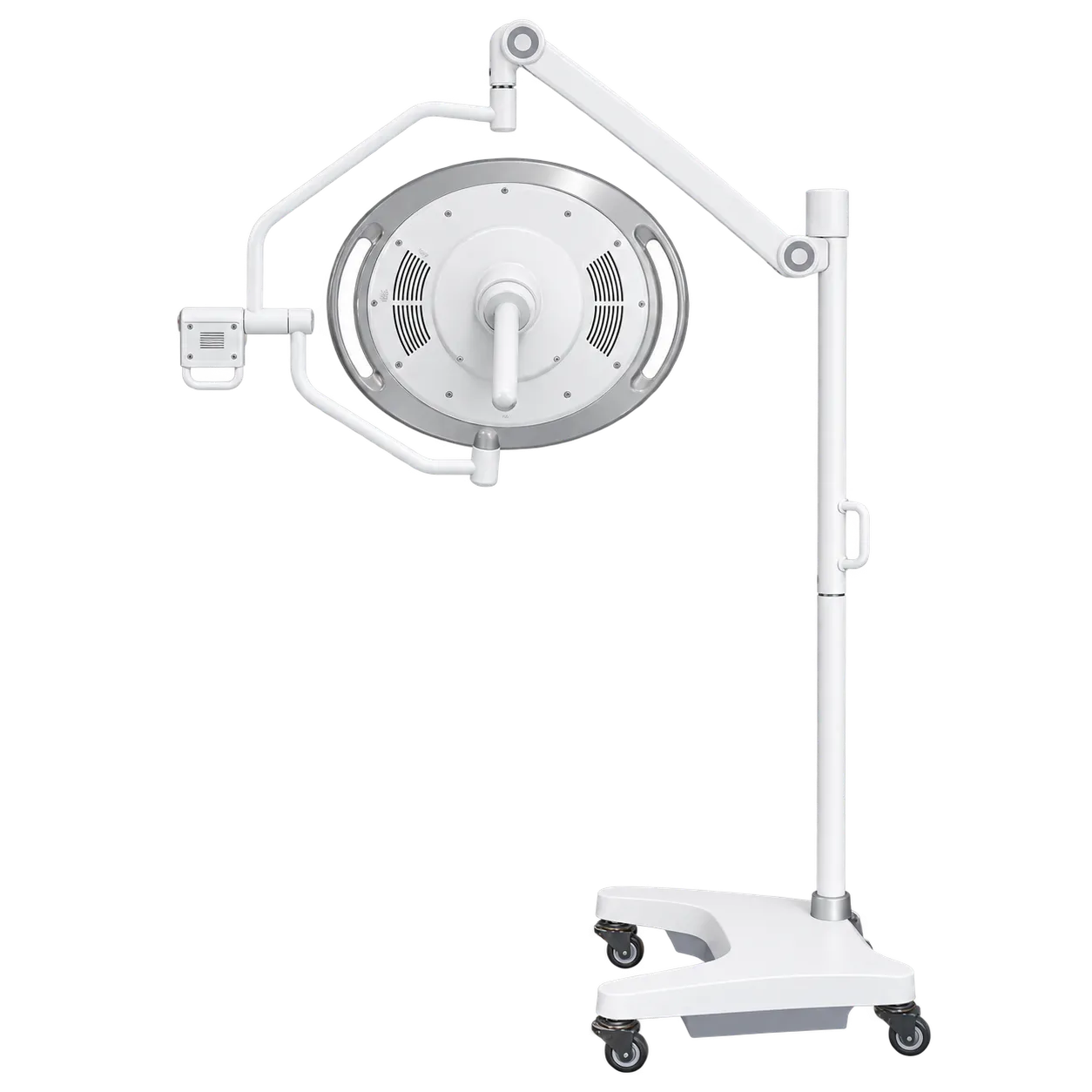
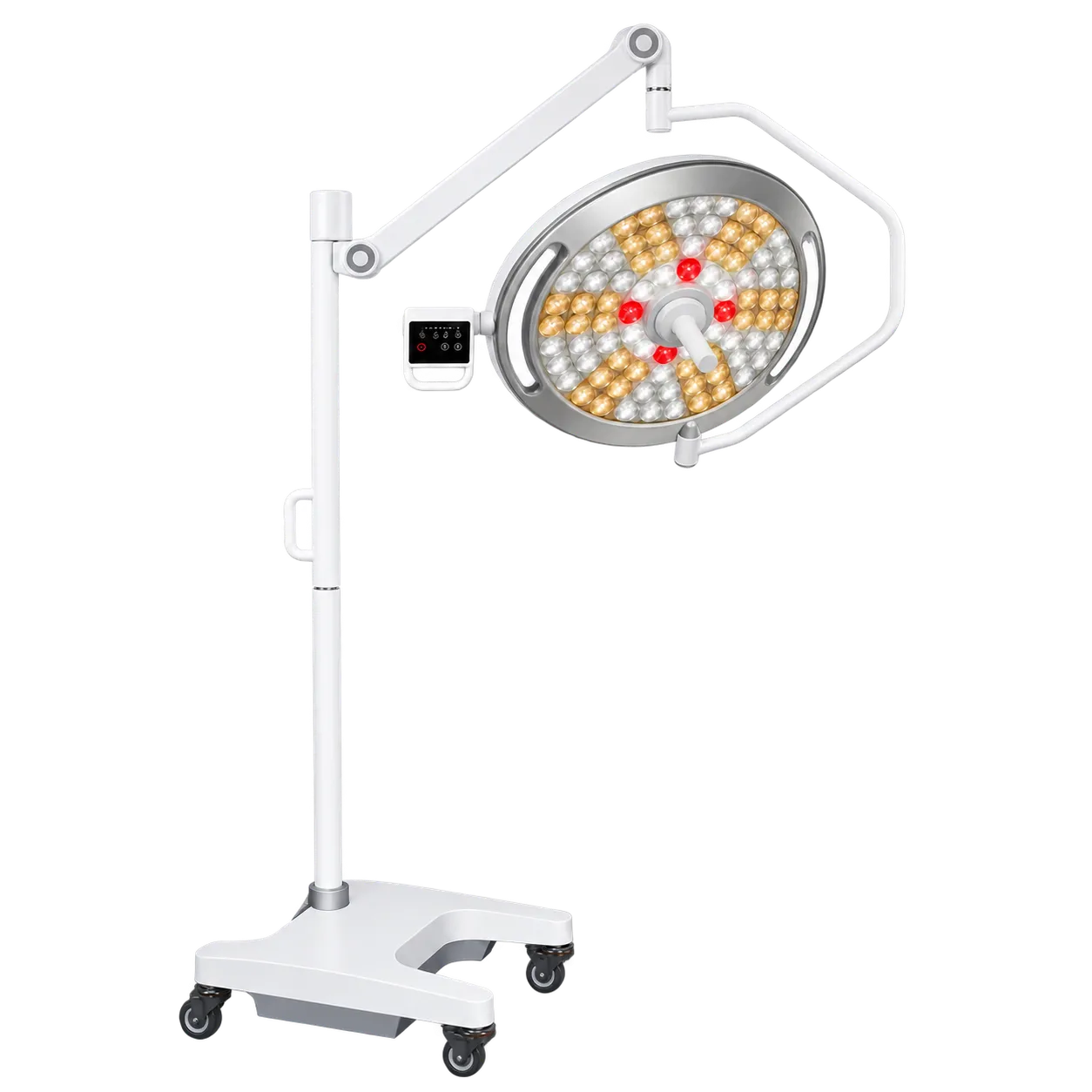
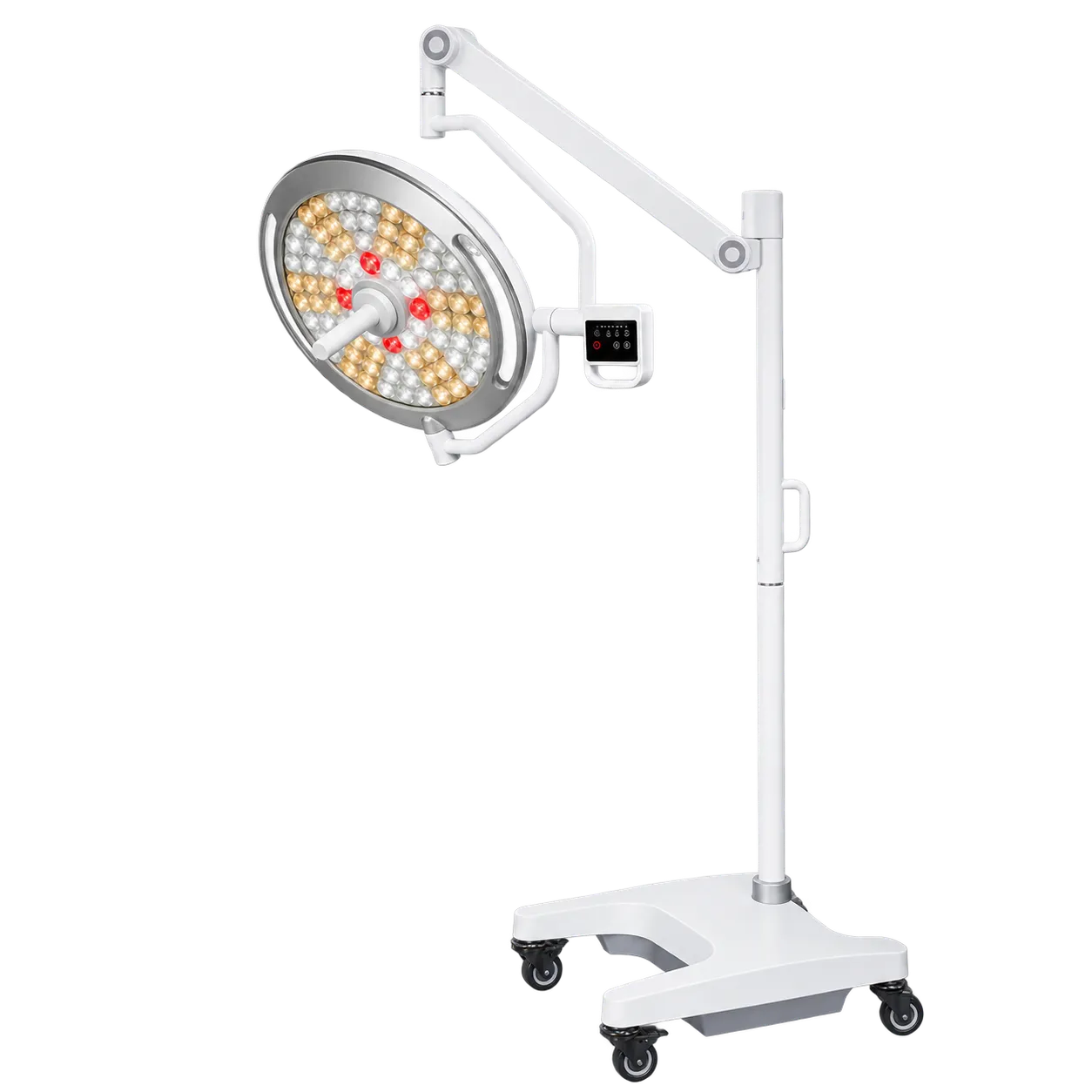
The KL-LED·MD78 suits general and emergency theatres, procedure rooms, and hospitals buying a mobile lamp they expect to keep in service for many years. Its case is whole-life cost. A lamp on a stand has no installation bill, so nearly all its post-purchase cost is energy, upkeep, and parts.
Energy is small. At the listed 150 W, a lamp used 2,000 hours a year draws about 300 kWh, and the eco mode and dimming reduce that. The light source isn't a consumable in the usual sense, with an average life of 50,000 hours.
Upkeep is where budgets go. A mobile lamp is wiped after every case, wheeled over thresholds and pulled by its arm. Keling’s description of a titanium alloy balance arm with no welds speaks to that, since joints and coatings are where corrosion starts. Castors, the spring arm, the handle cover, and any battery are the parts a service plan should name, with prices and a guaranteed supply period.
Clinical value sits on the other side of the account. One lamp listed at 160,000 lux with a 150 cm depth of illumination can light open surgery in a room with no ceiling fixing. R9 at 97 or above supports tissue colour, and 15,000 lux endo mode covers scope work. Shared between rooms, a single unit can replace several fixed lights, which changes the cost per case.
Downtime has a price too. A written pre-use check and yearly electrical testing, usually to IEC 62353, catch faults before a light is lost.
Finance managers, NHS procurement routes and tender boards abroad will ask for warranty terms, a spares commitment and a declaration of conformity. The conformity documentation those procurement routes require is issued by the manufacturer and shared by the enquiry team.