
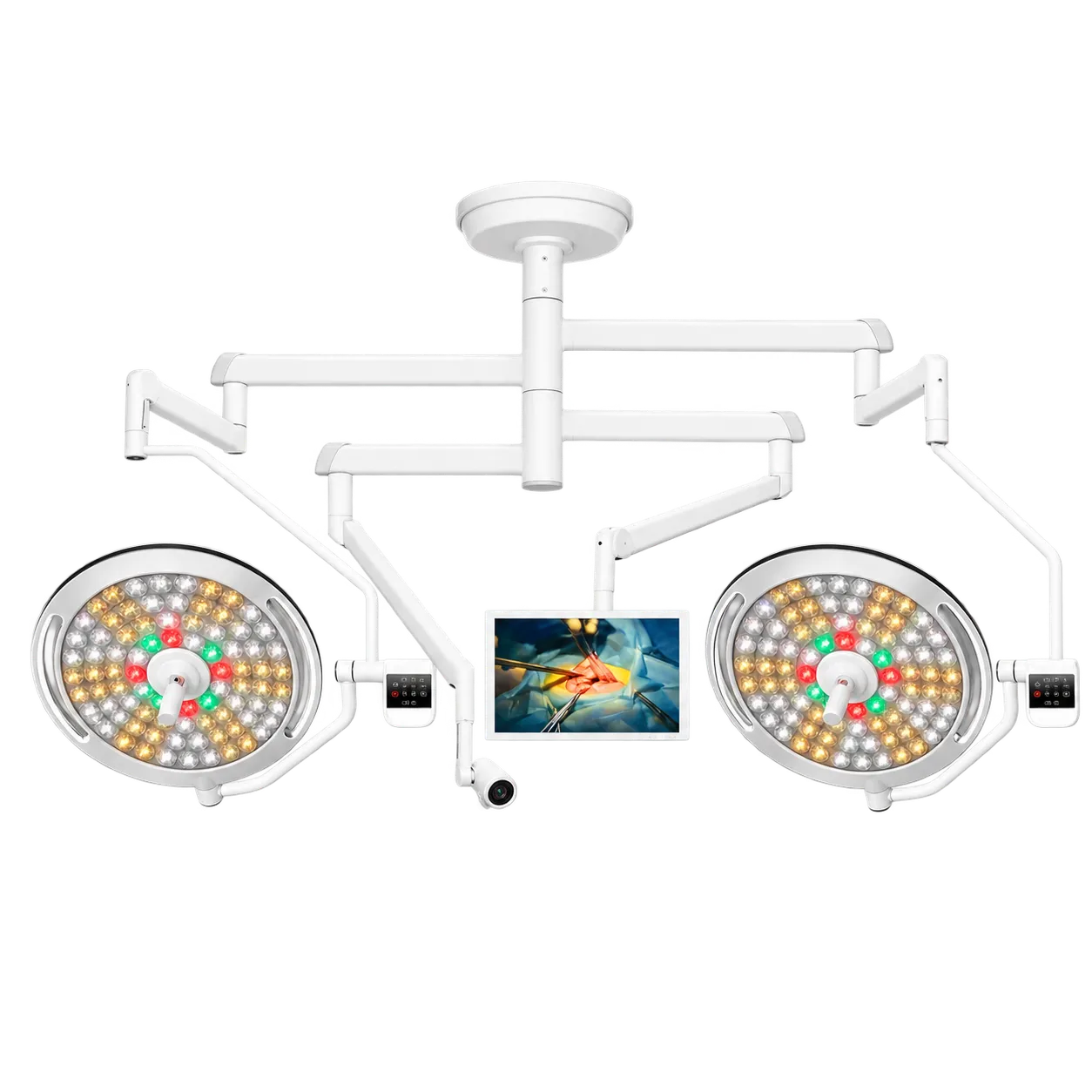
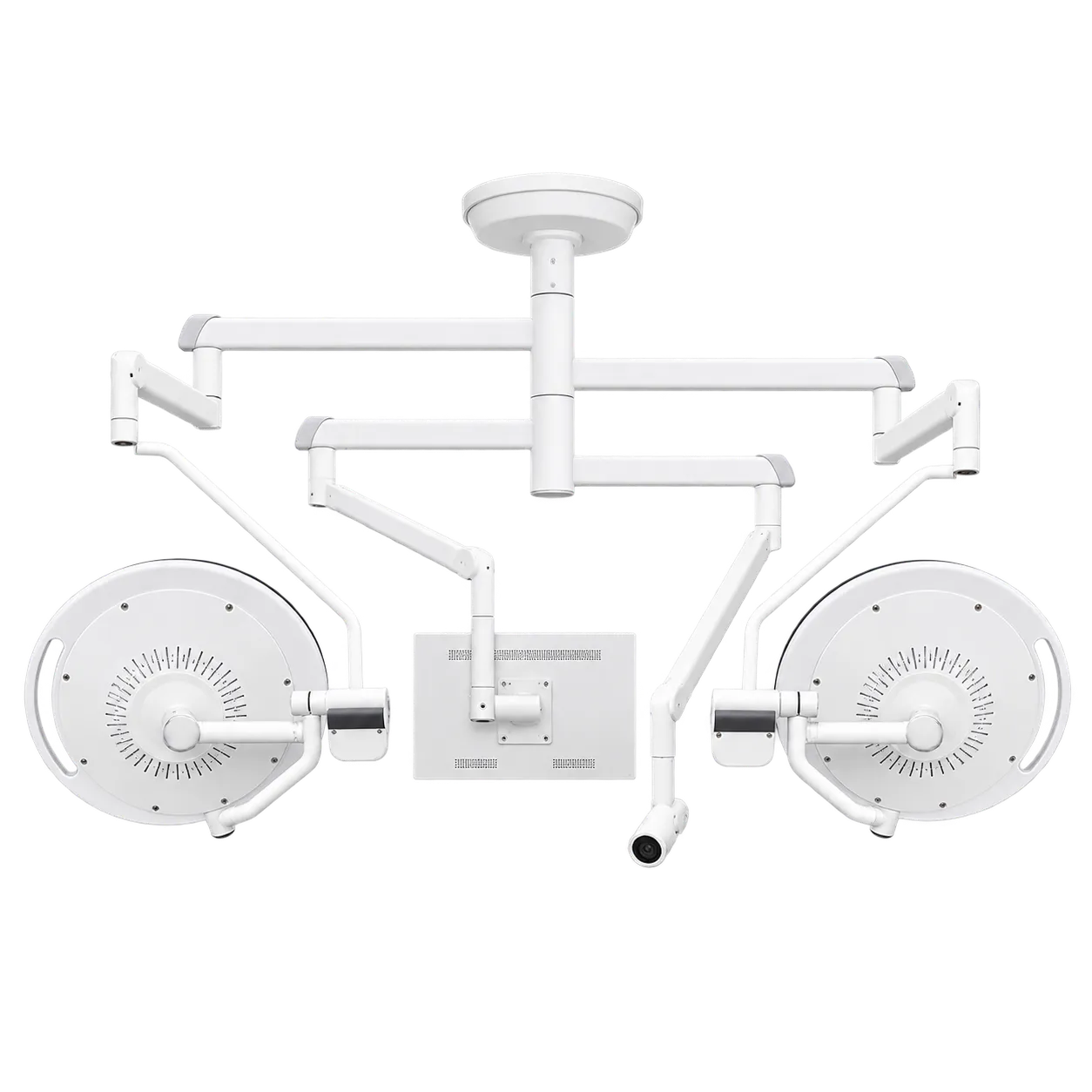
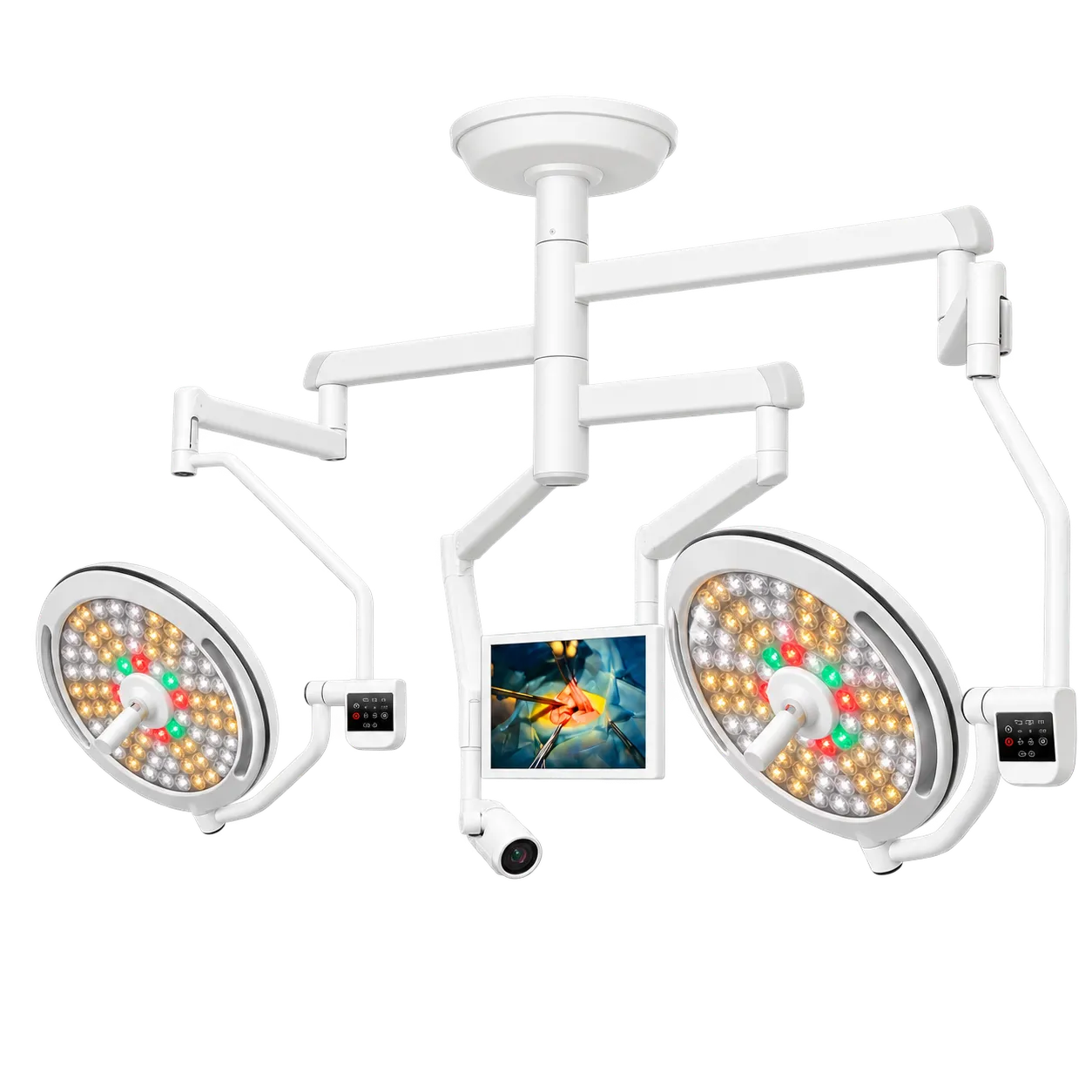
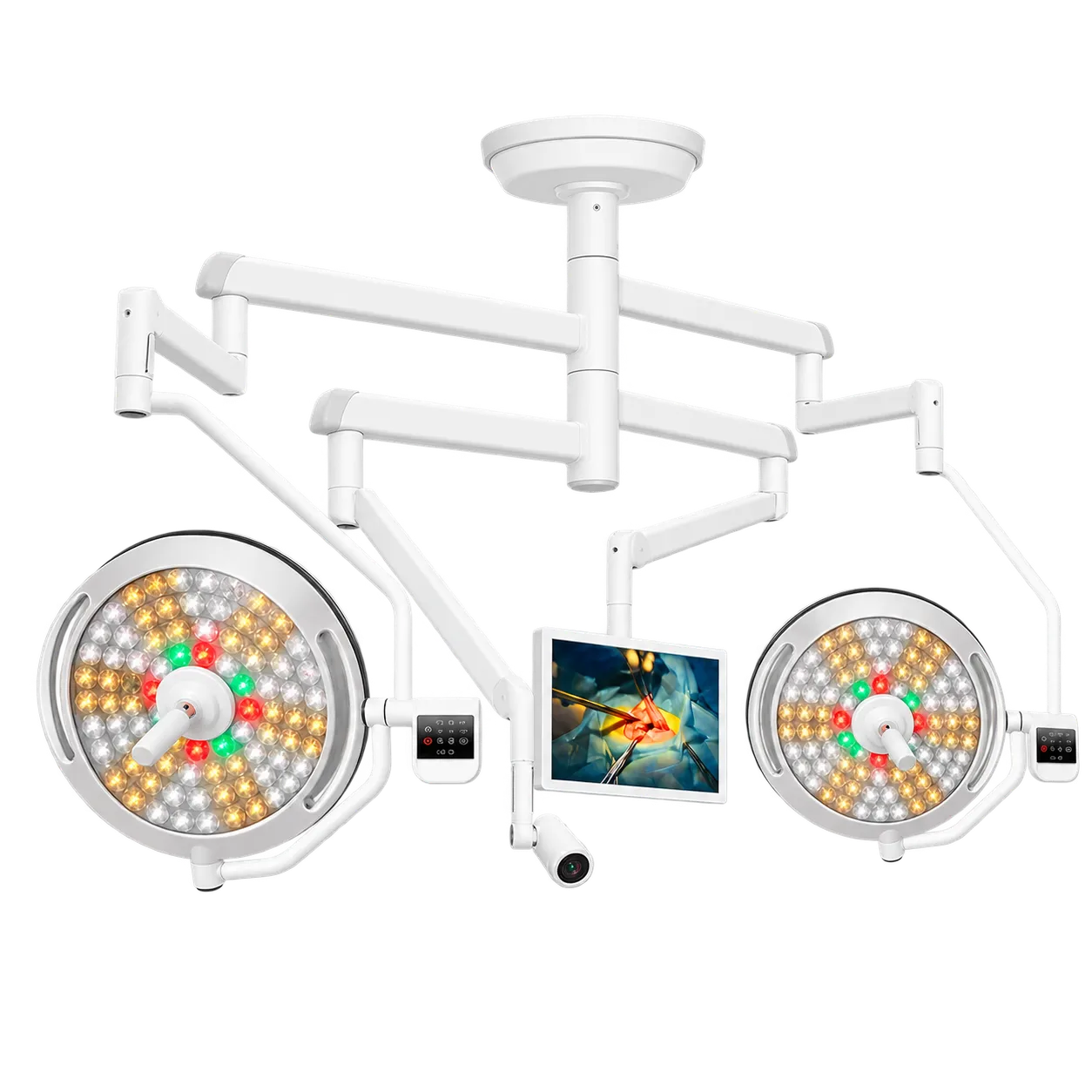
The KL-LED·DTR78/DTR78 with camera system suits teaching theatres, general and orthopaedic theatres with regular trainees, and units where a senior surgeon supervises several lists. Its case is labour economics. Theatre time is a costly resource, and a shared picture lets the whole room do useful work in the same minutes.
Teaching is the first gain. A registrar learning an open procedure needs to see the plane the consultant is working in, and from the far side of the table that view is often a shoulder. With the camera aimed at the field and the monitor turned to the trainees, three or four people can follow each step and ask about it afterwards. Nobody has to swap places mid-case, saving time and protecting the sterile field.
The working team gains as well. A scrub nurse who can see the wound has the next clamp or suture ready. An anaesthetist who can see bleeding or the start of closure can time fluids and the wake-up. A supervising consultant can glance at the screen from the doorway and step in only when needed. Each saving is small. Across a full list, they keep the flow steady and cut the pauses.
The lighting remains a full theatre lamp. Each head is listed at 160,000 lux with an electrically adjusted 10 to 30 cm field, and R9 and R11 of 97 or above support faithful tissue colour for eye and lens alike. Local rules on recording and consent must be agreed before switching on the camera.
Education leads, NHS procurement routes and tender panels overseas will want the declaration of conformity, its scope across lamp, camera and monitor, and the IEC 60601-2-41 test report. The manufacturer issues the conformity documentation those procurement routes require, and the enquiry team shares it.