
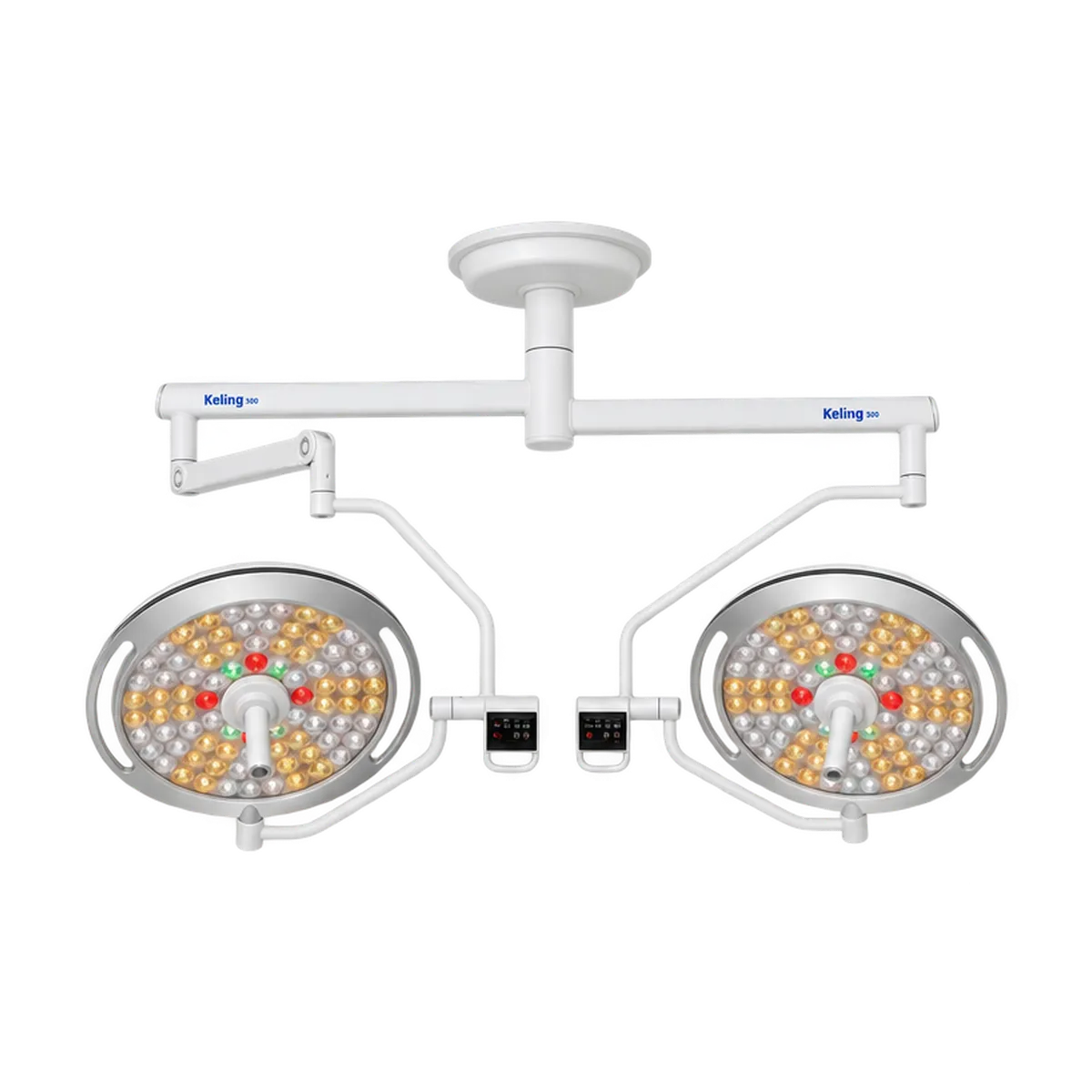
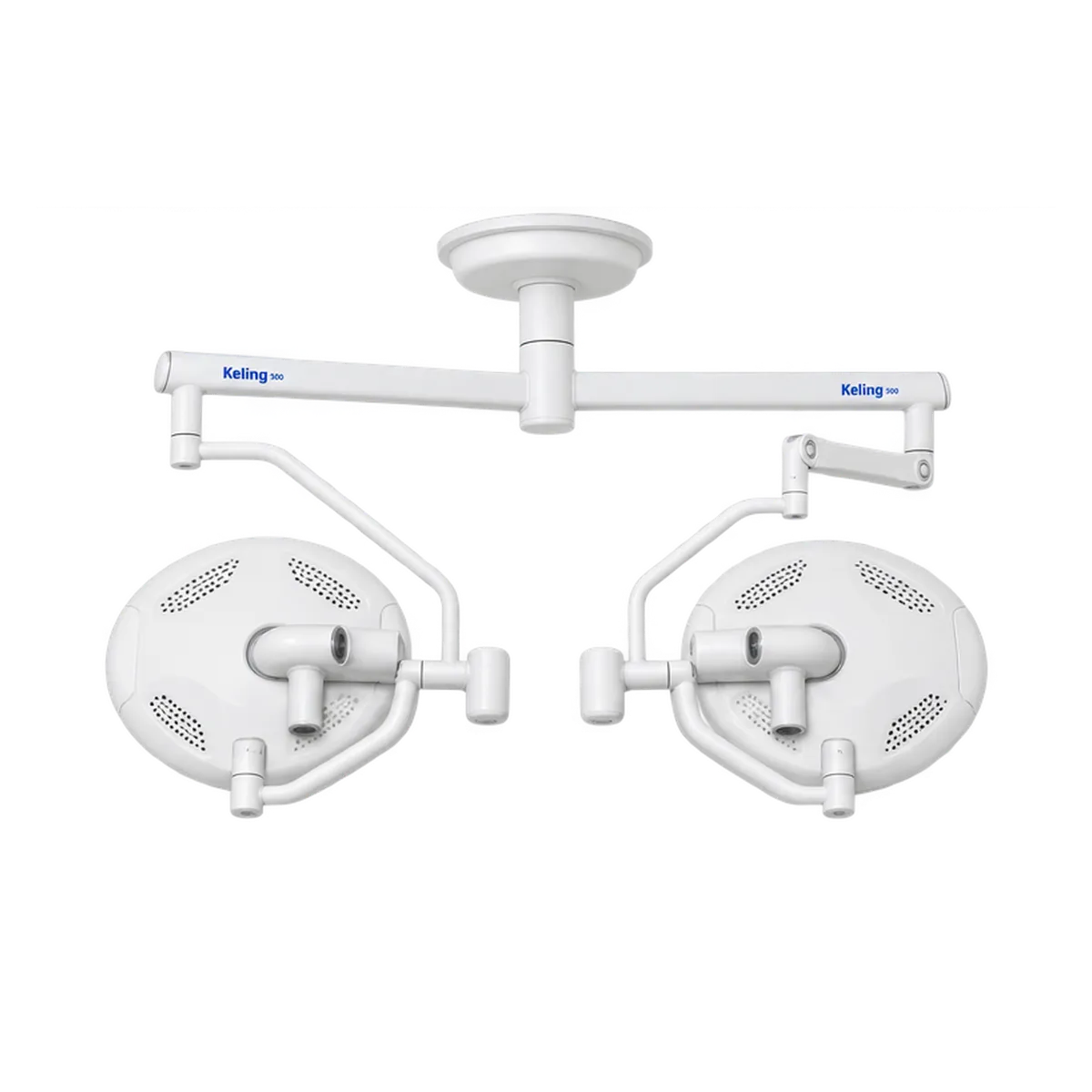
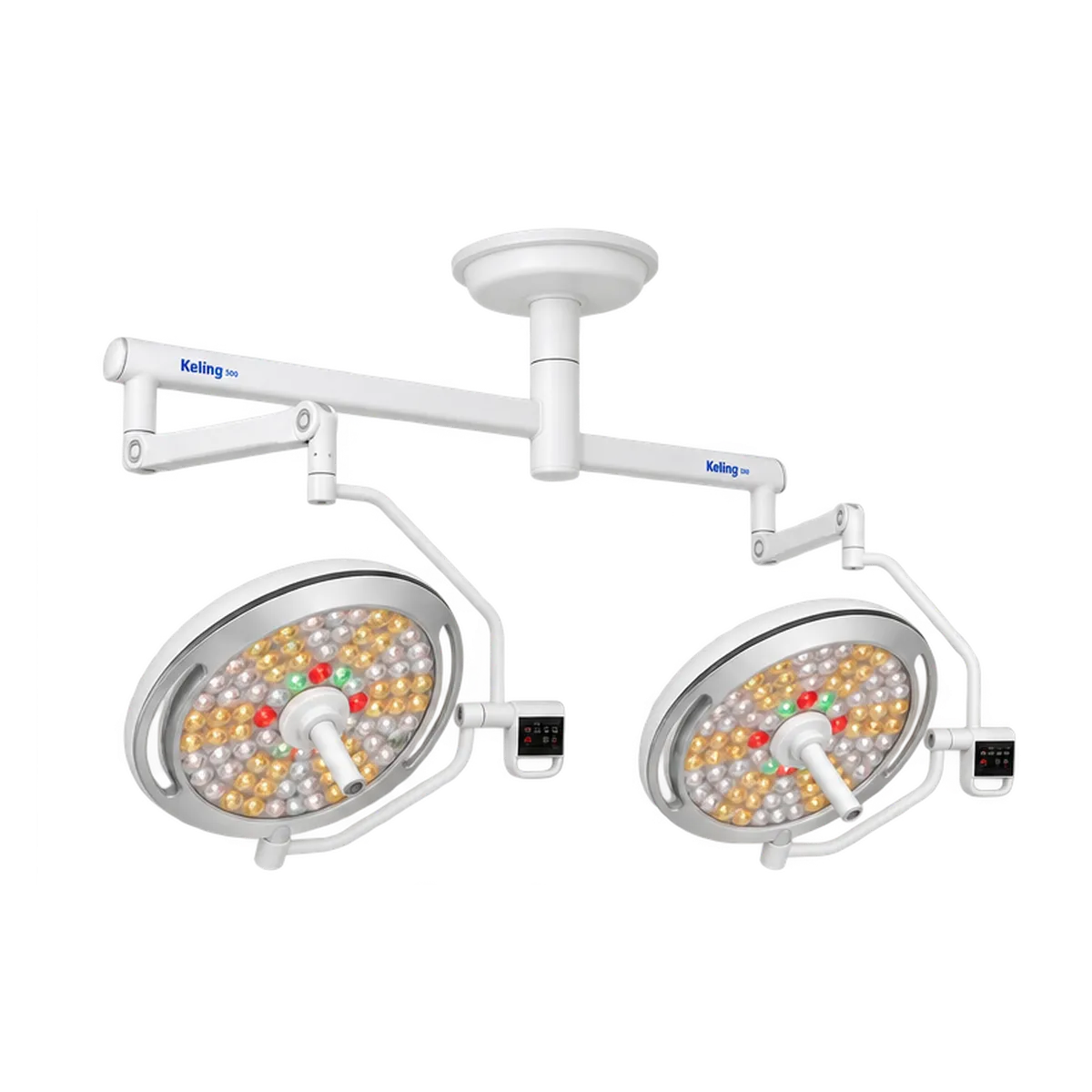
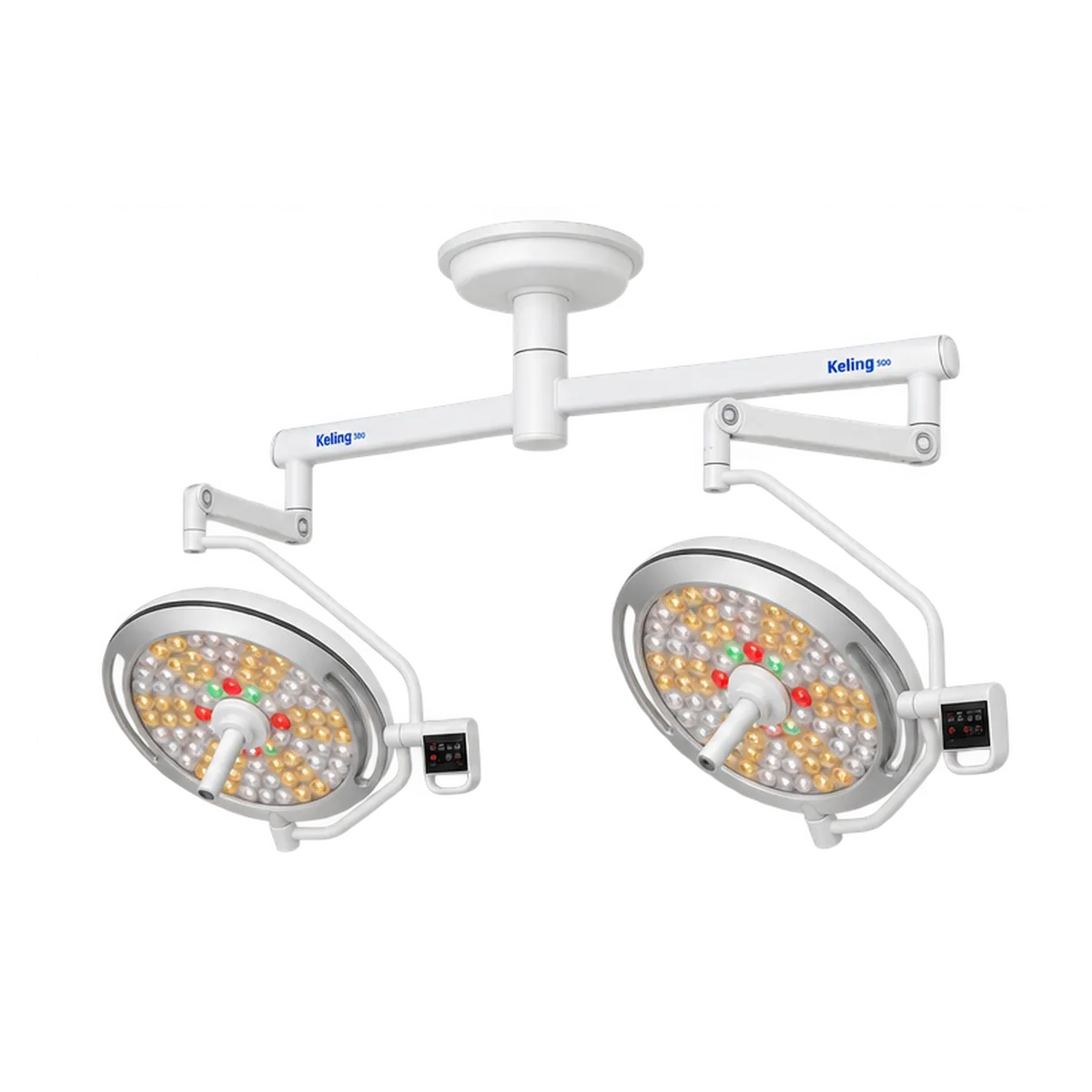
The KL-LED·D78/D78 suits general, orthopaedic, obstetric and trauma theatres that plan for two lights over one table, in new builds and refurbishments alike. Its case is regulatory burden, stated plainly. A two-head surgical light is a medical device, a fixed electrical installation, and a suspended load at once, and each brings paperwork.
As a medical device, it needs a declaration of conformity under UK MDR 2002 and test reports to IEC 60601-1, IEC 60601-1-2 and IEC 60601-2-41. The last of these covers clinical performance: central illuminance between 40,000 and 160,000 lux, a colour rendering index of 85 to 100, and light restored within 5 seconds of a supply failure. Keling lists 160,000 lux per head and R9 at 97 or above, so the reports should show those values as measured. With two heads and a listed heat-to-light ratio of 3.2 mW/m²·lx or less, the combined heat at the wound matters too, so the instructions for use should state the limit for overlapping beams.
As an installation, it needs a structural engineer’s approval of the ceiling fixing and an electrical certificate for the supply. The Electricity at Work Regulations 1989 and PUWER 1998 apply once staff use it, and in-service testing to IEC 62353 belongs in the maintenance schedule. Commissioning should record measured illuminance, arm drift and backup changeover, since those figures become the baseline for later checks. At the end of its life, the lamp falls under the WEEE Regulations. Listing these duties early lets the project team assign each one to estates, clinical engineering or the supplier.
Capital project teams, NHS procurement routes, and public tender boards abroad will ask for the device class, test reports, and a declaration of conformity. The manufacturer issues the conformity documentation required by those procurement routes, and the enquiry team shares it.