
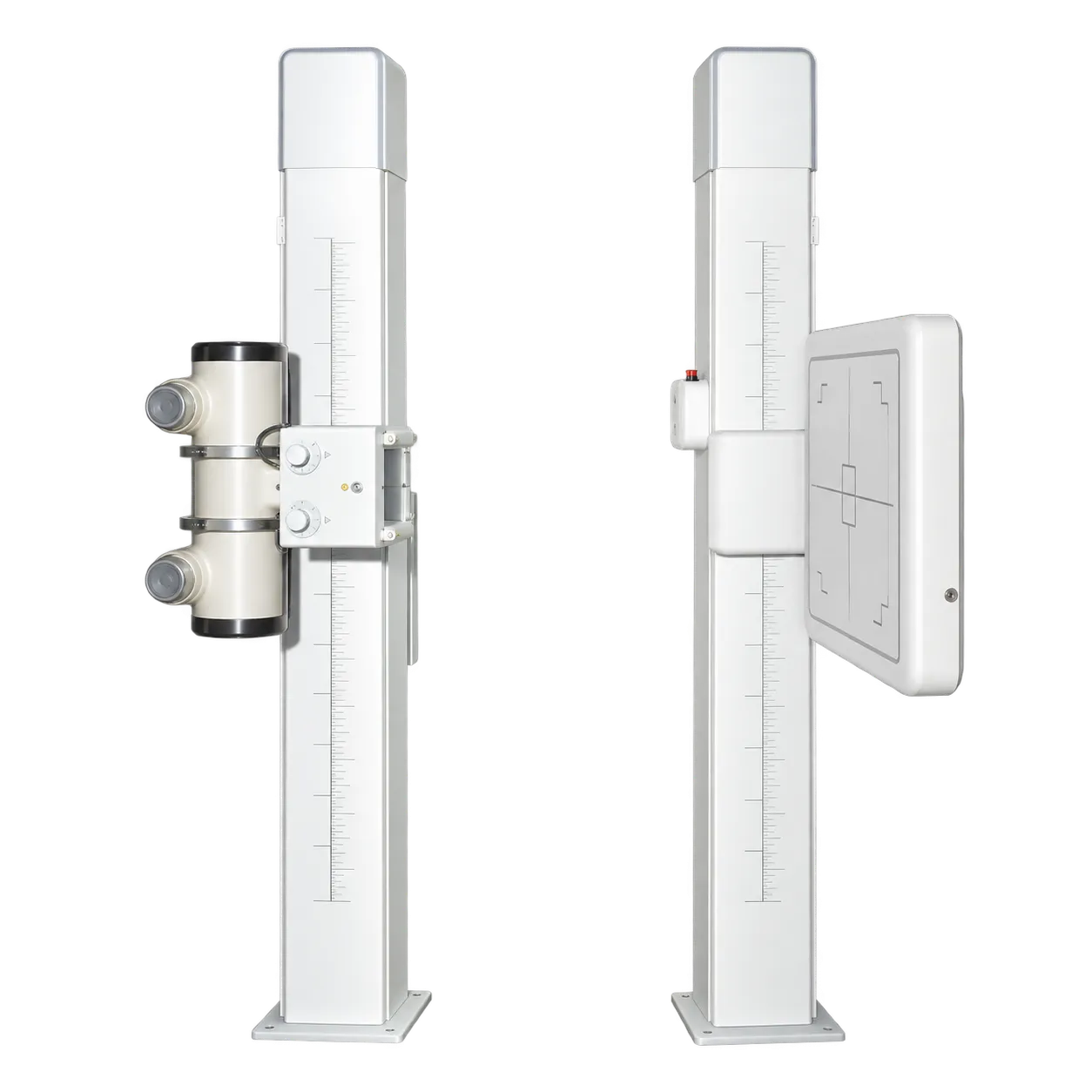
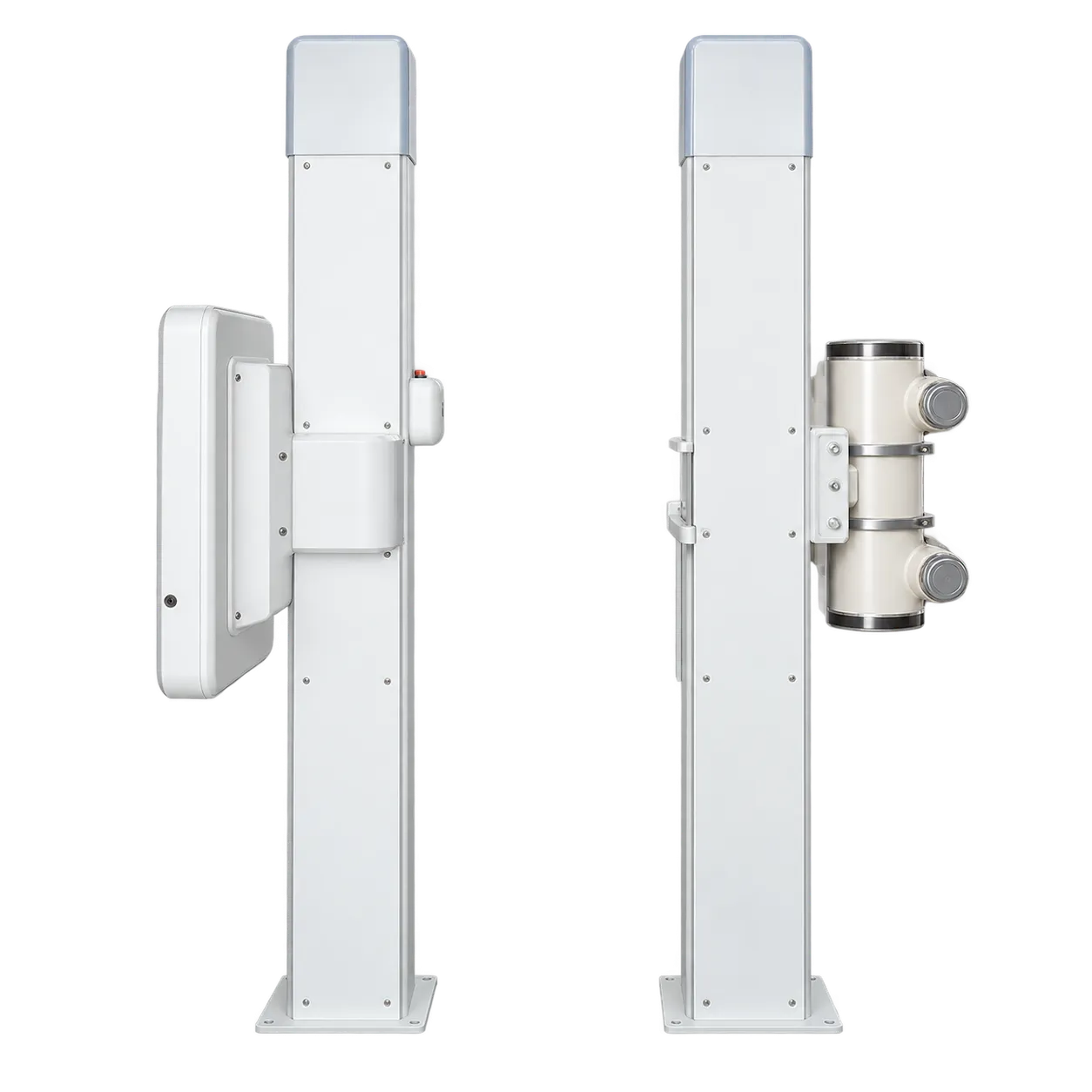
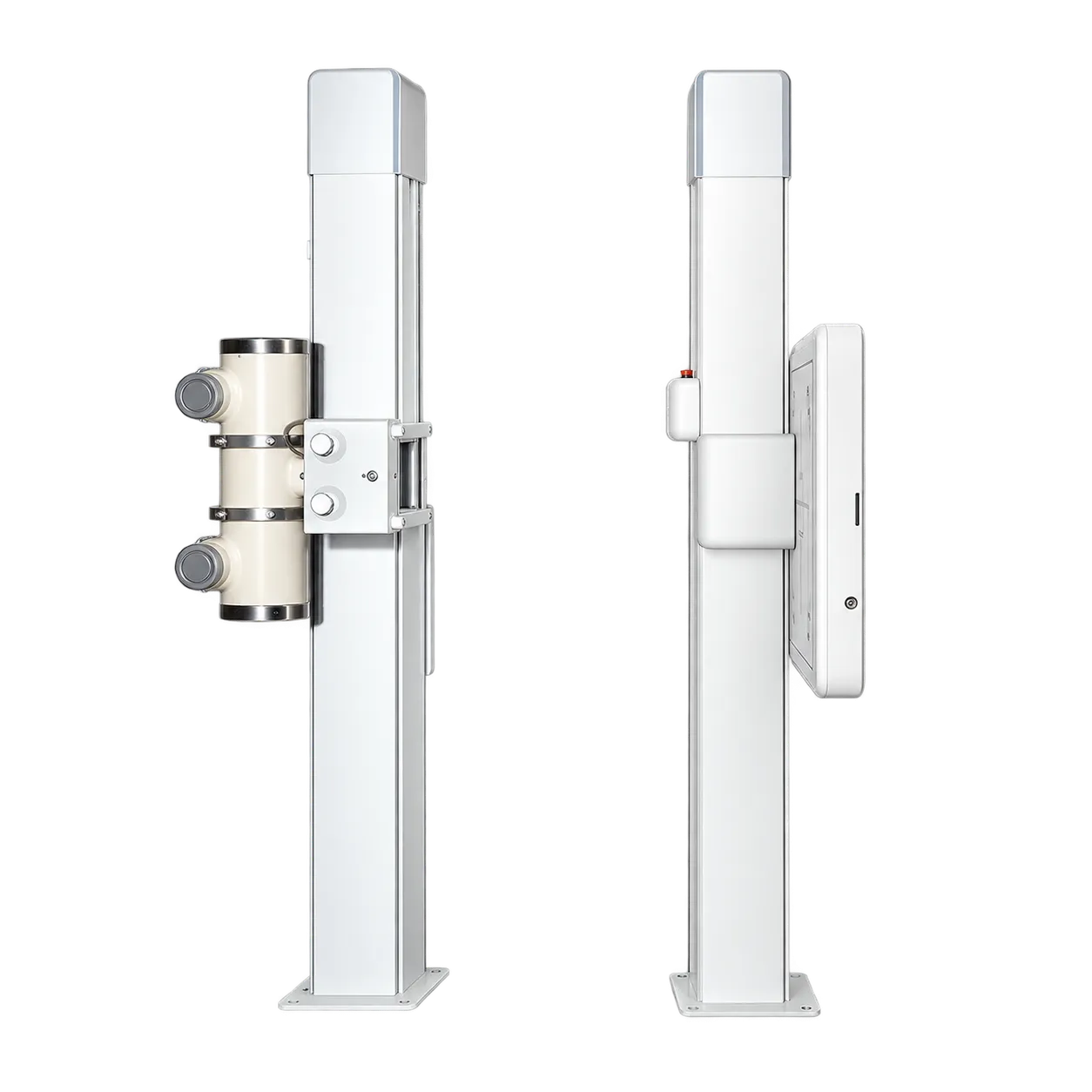
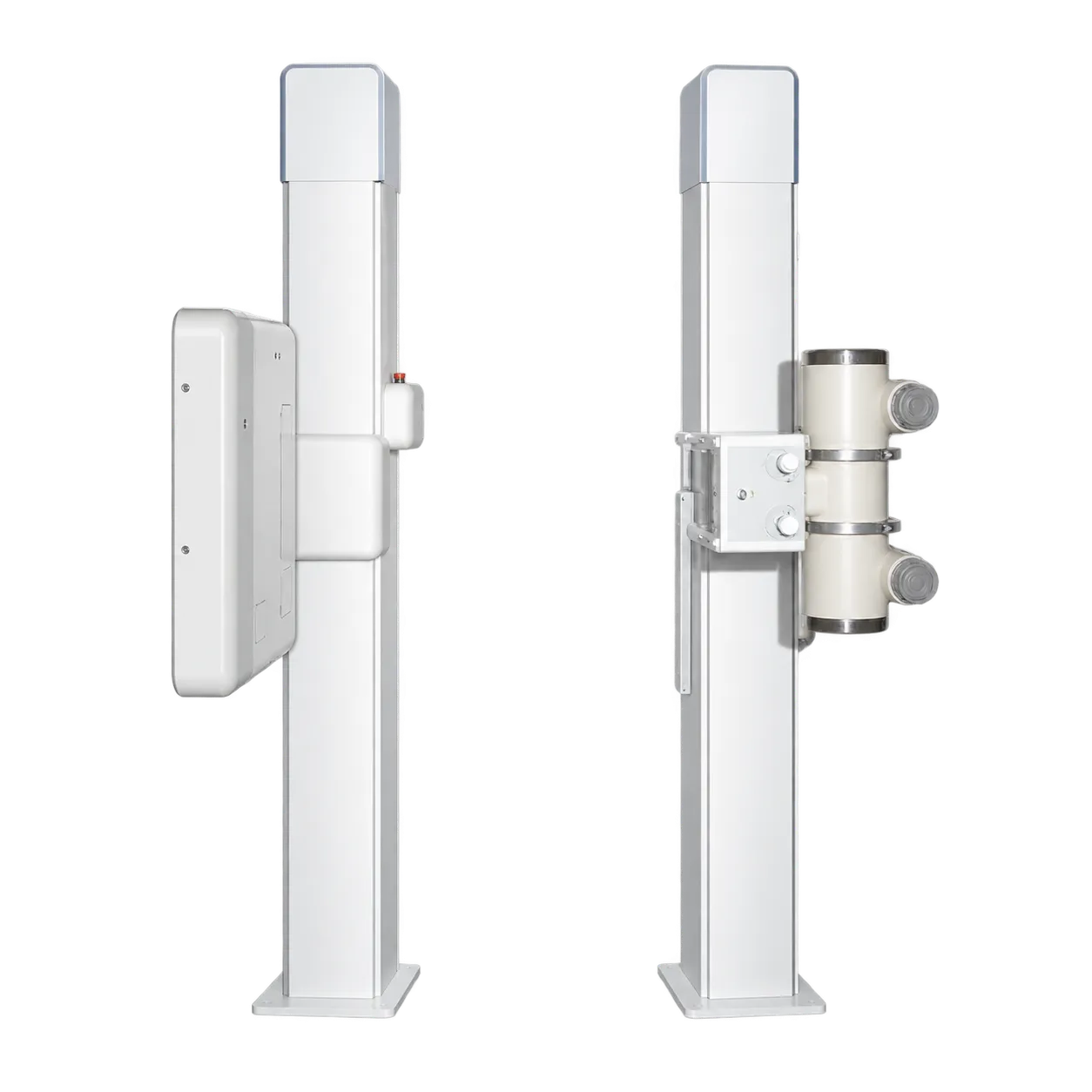
Primary care heads the settings listed for this series. A vehicle-mounted system can travel to a community site, so patients who find it hard to reach a hospital can be imaged close to home. The low radiation dose that Browiner highlights is welcome where examinations are repeated across a large group of people, and where each person is seen for only a short time.
Emergency rescue is the second setting. Here, the system must be stable and safe in a mobile environment, and it must be quick to bring into use. Motorised movement allows easy control and positioning, and the large interface on the tube head provides clear navigation, so operators can reach key functions without searching menus when time is short. Crews who rotate between vehicles see the same layout on every vehicle, which keeps training short.
Physical examination screening is the third. Screening days require a steady flow of patients through one system, and auto-tracking of the tube and detector supports efficiency across that list. Because the main functions sit together on one interface, a newcomer can learn the sequence quickly, and covering absences is simple to arrange. Setting up at a new site then follows the same steps as before, and the crew can begin the list soon after the vehicle stops.
In all three settings, the benefit is the same: a system that goes to where patients are, remains stable in the vehicle, and keeps operation straightforward for the crew. A fleet that carries the same system on every vehicle can plan staffing, training, and site visits around one routine, simplifying the department's work.