
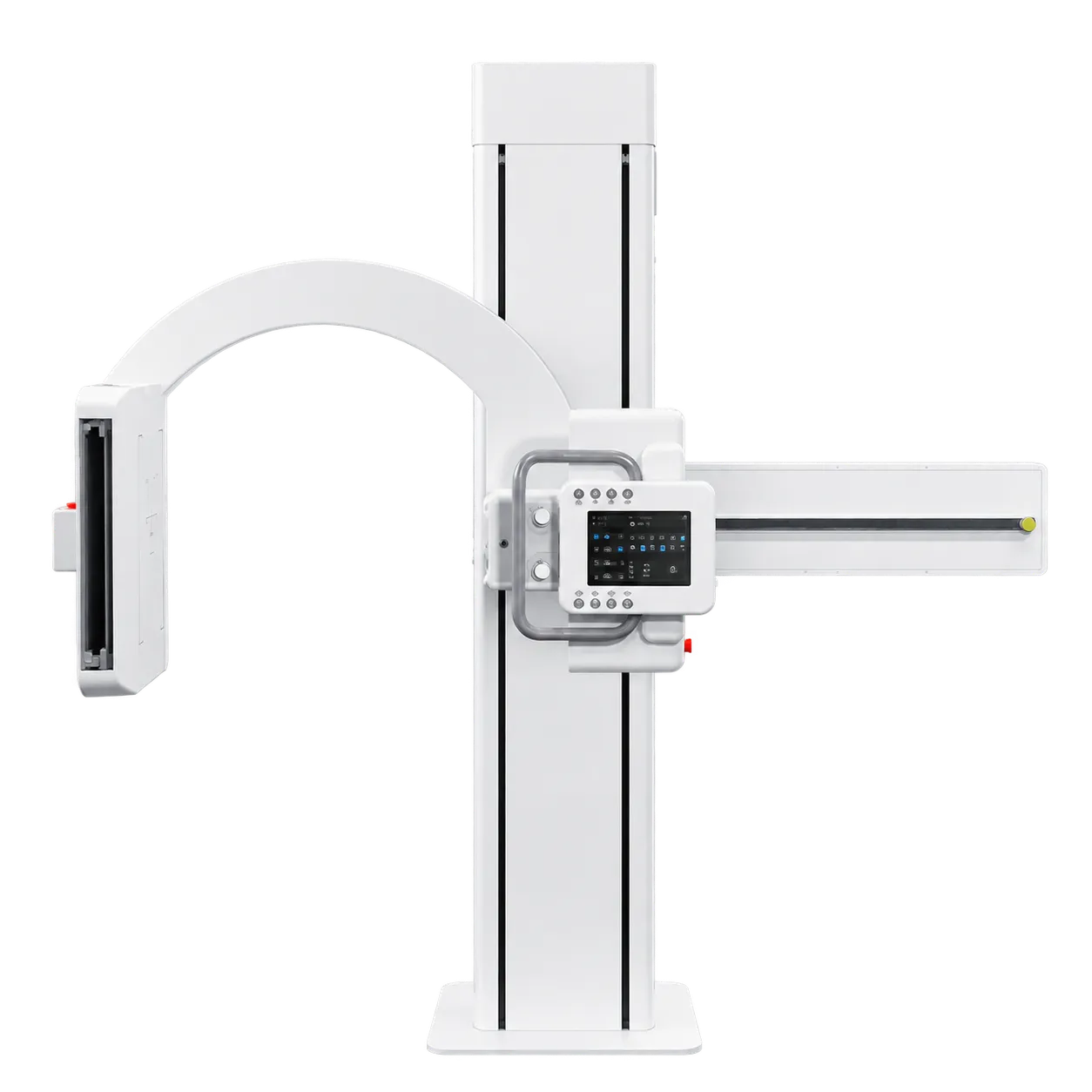
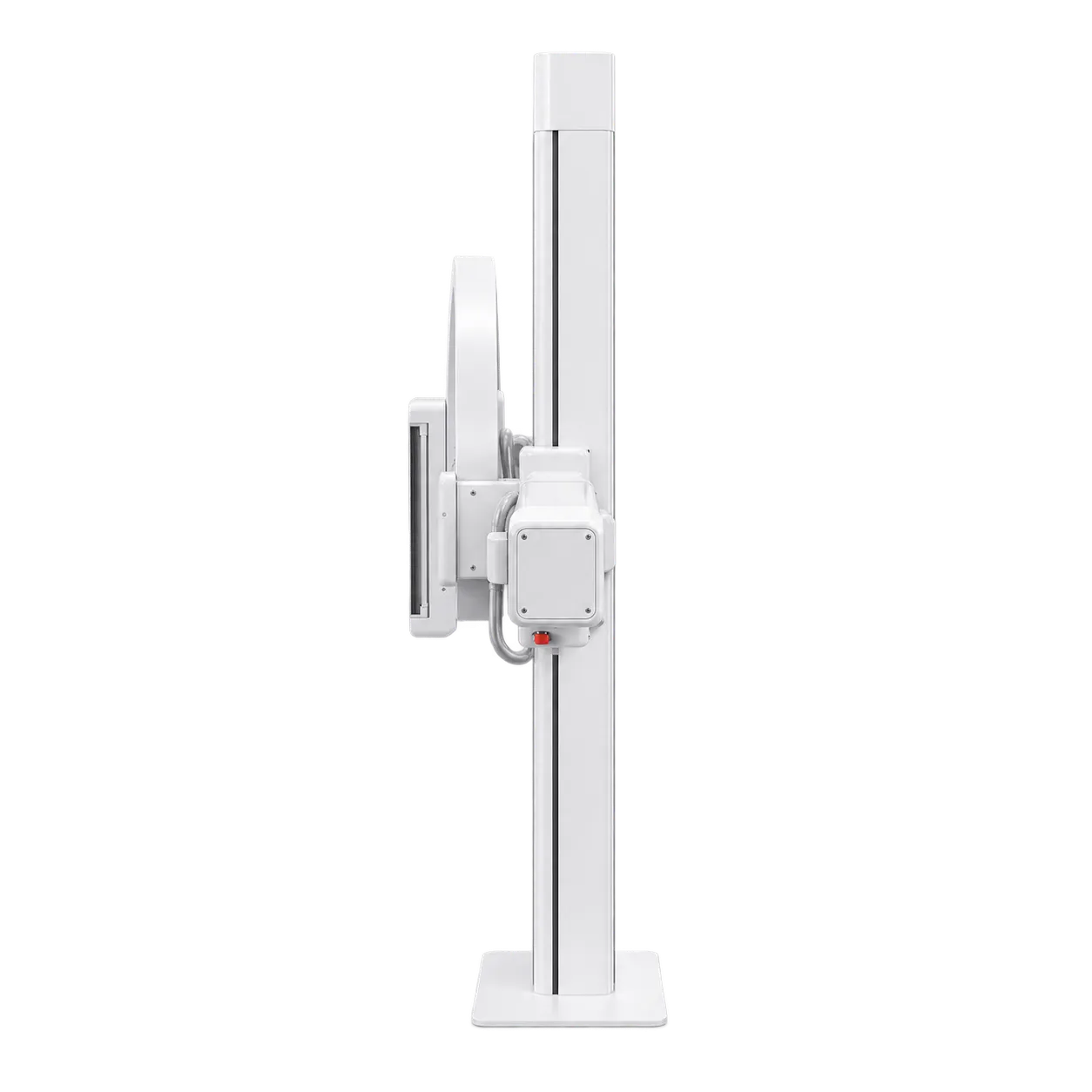
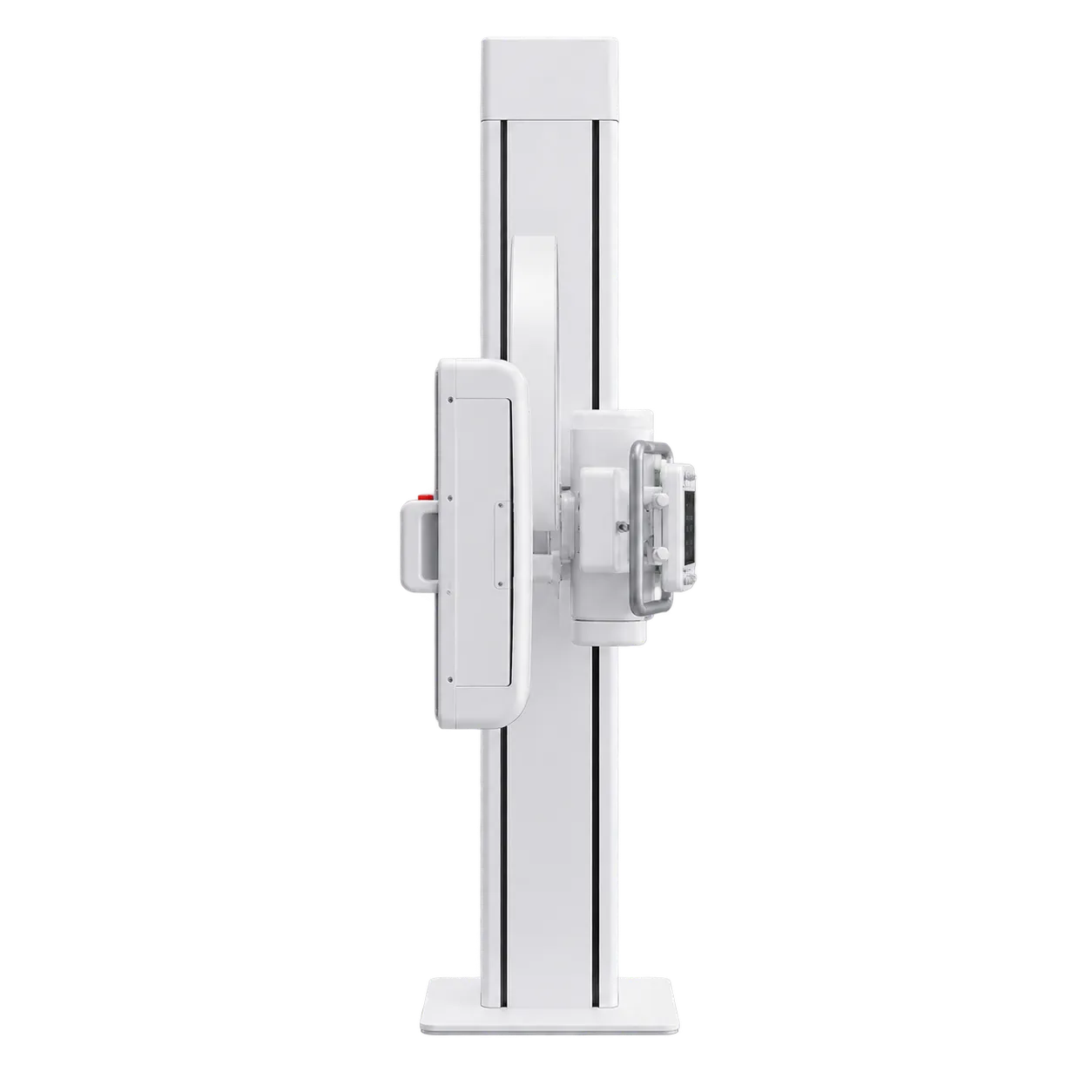
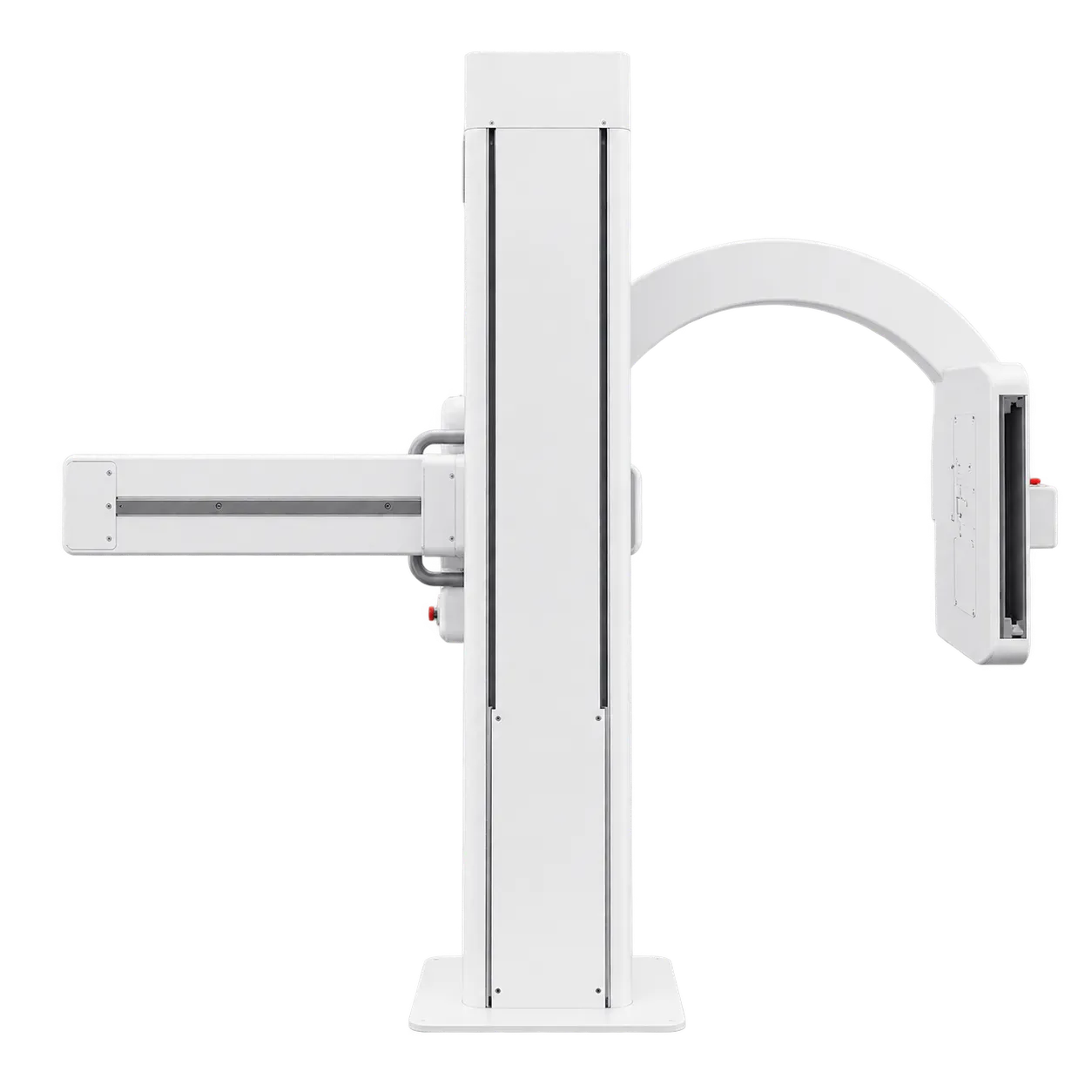
Radiography departments judge a system by how smoothly it handles a full list, and the UC-arm is arranged for that. Auto-alignment keeps the X-ray tube and detector in line, so the operator doesn't have to repeat a hands-on step before each exposure. A pair that stays aligned also lowers the chance of an image being taken with the parts out of line, which matters in rooms where retakes cost time.
Positioning is the second part of the routine. Motorised movement helps the operator place the system freely, and auto-positioning moves it to the selected place without effort. Browiner credits auto-positioning with workflow efficiency. Staff who move between rooms follow the same behaviour each time so that newcomers can pick up the sequence with little training. The same behaviour on every list makes the routine easy to teach and easy to audit, which suits departments that keep written procedures for each room.
Installation and space are also part of the plan. The UC-arm design enables quick installation and a small footprint, so imaging units, hospital wards, and clinics may consider it when floor space is limited, or a new room must be brought into use soon. Planning is straightforward because the system arrives as a single unit, and the room layout can be set around the arm before delivery.
Overall, the system suits general radiography settings that value simple operation. Because the movement is motorised and the main functions are automatic, the daily list needs few hands-on adjustments, and the operator has time for the patient at the couch.