
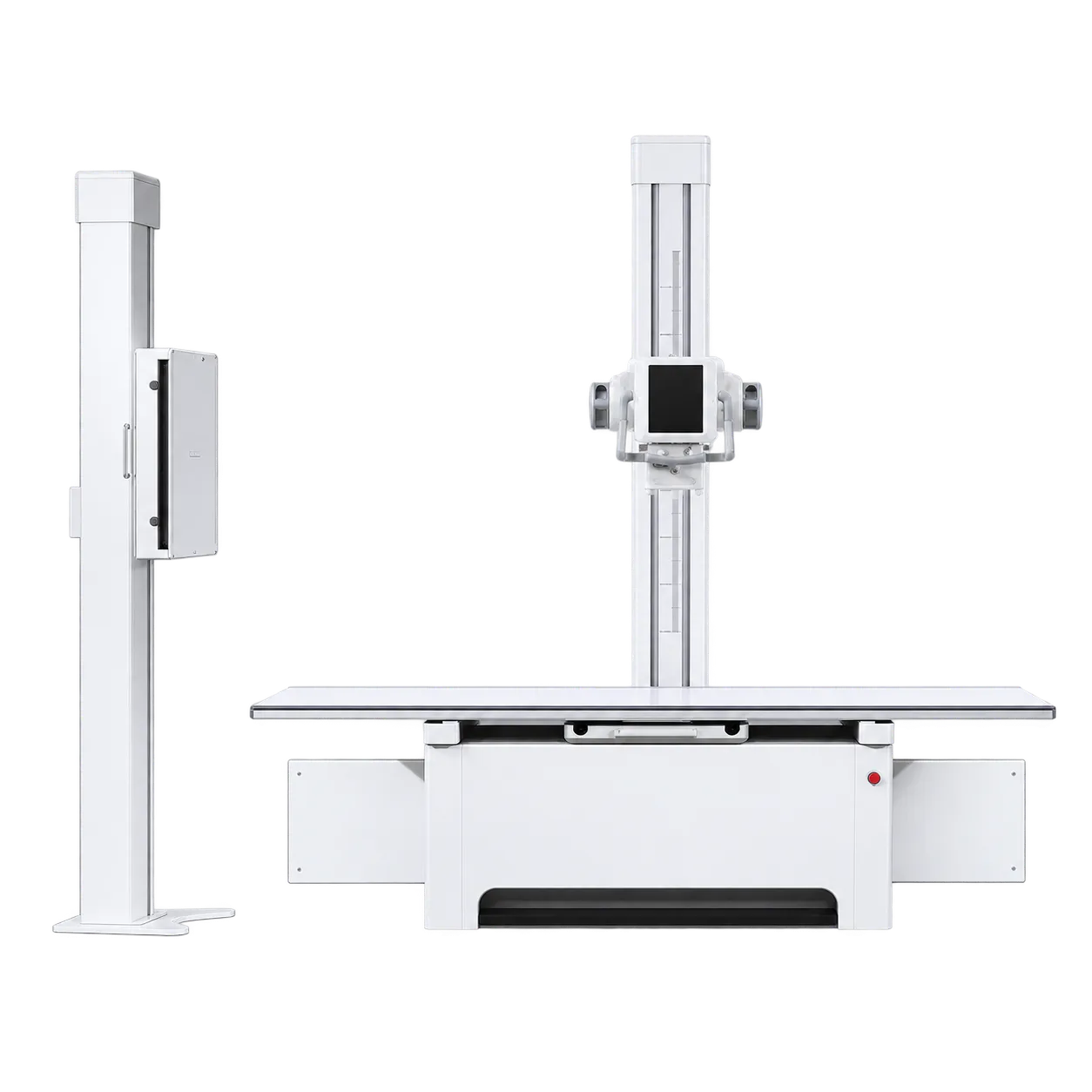
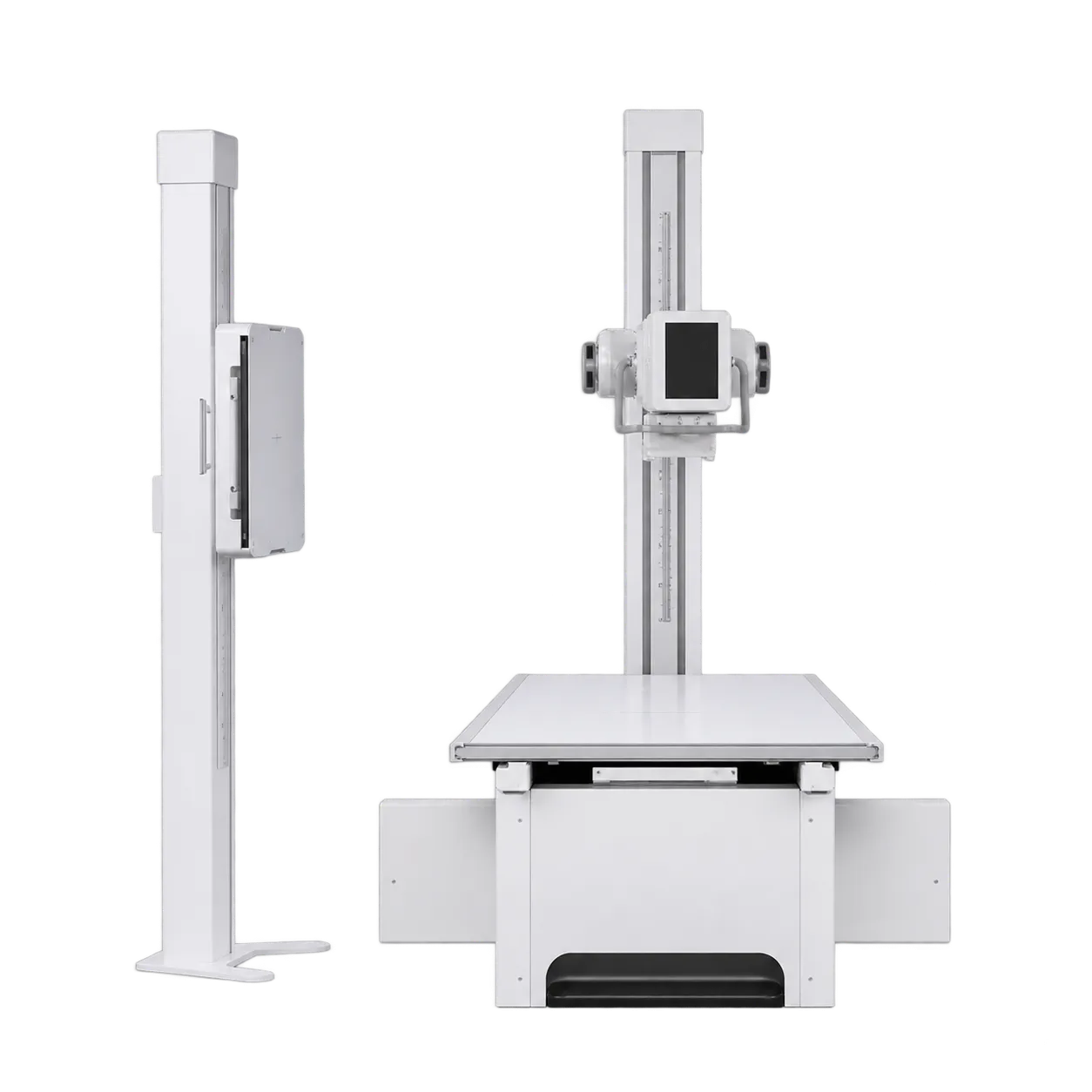
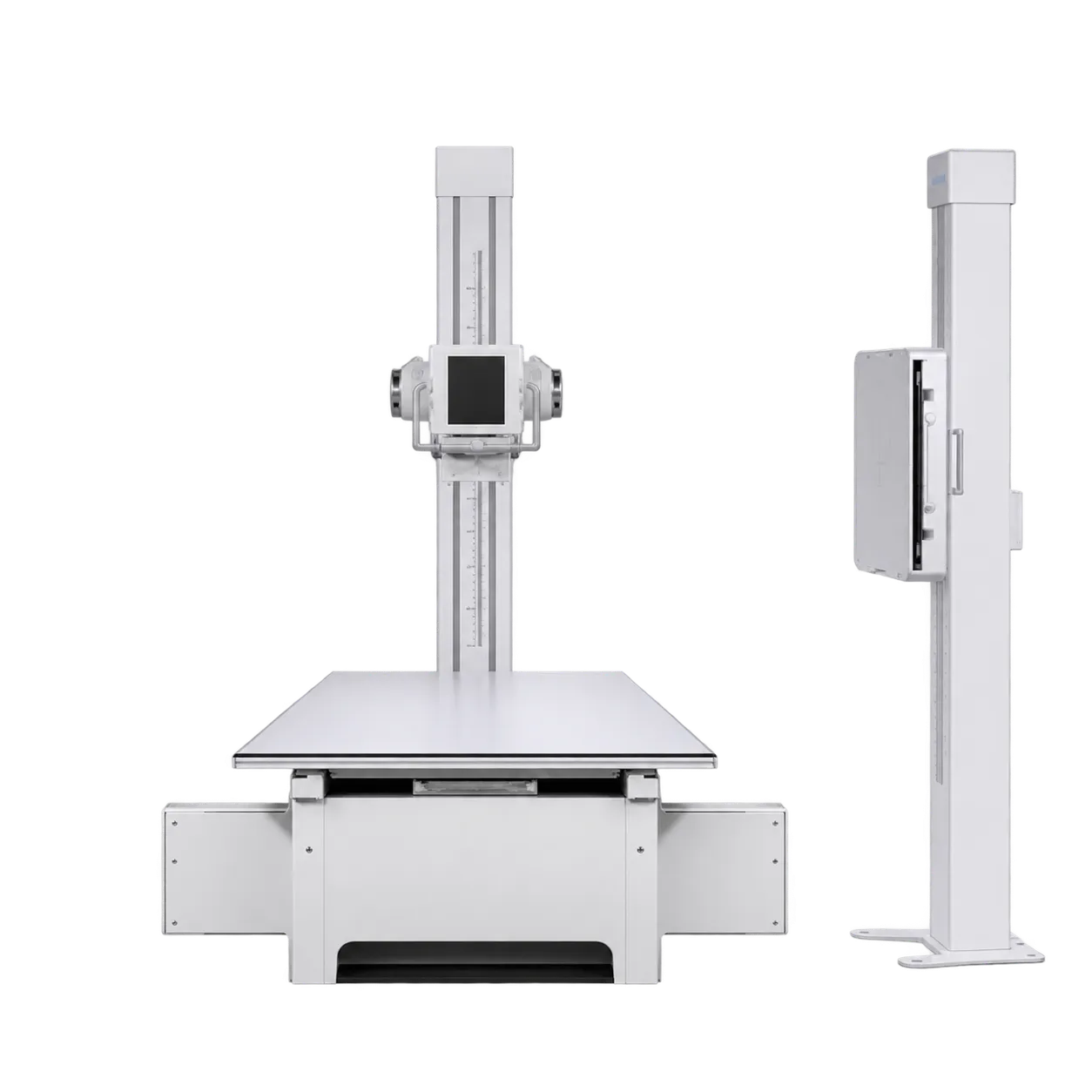
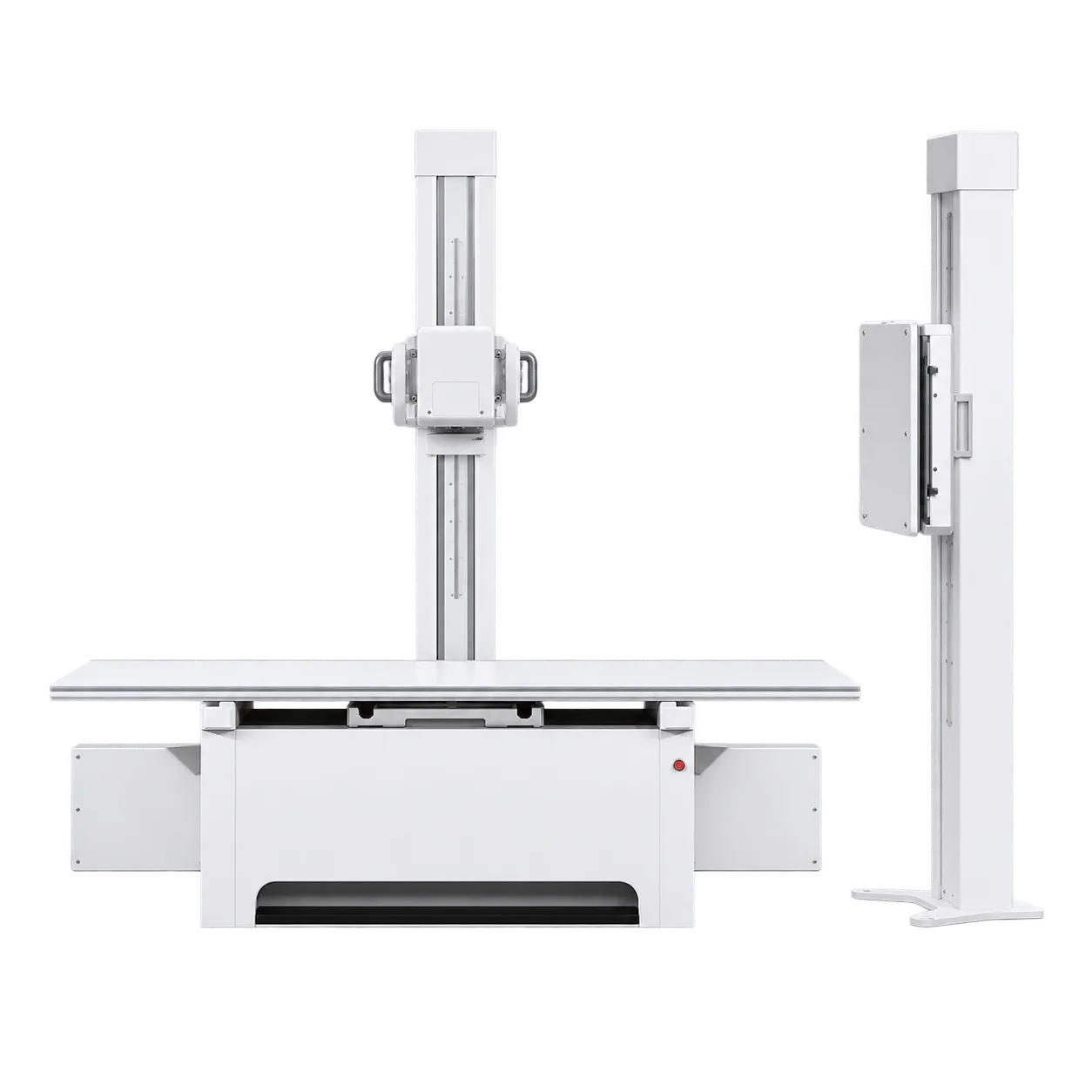
Clinical requirements are the starting point. Browiner names for the PerfoX 3000 Series Eco. Various powerful outputs are available to meet them, so a department that works to a particular clinical brief can choose the output that fits. The buyer, not a fixed specification, sets the level the system will operate at, and that choice follows the work the department expects to do.
Positioning is the daily task, and the four-way floating tabletop is built for it. Browiner states that the tabletop allows quick and smooth positioning. Because the tabletop floats, a technician can move it in four directions and settle the patient in place without heavy effort, and a patient who is settled sooner waits less on the table.
Detector size is the second choice. Two sizes are offered, 14 x 17 inch or 17 x 17 inch, and Browiner says the choice depends on specific needs. A department that knows its usual examinations can pick the size that suits them, and a team that reviews its list over time can match the size to the studies it performs most often.
Routine follows from these choices. One tabletop, one detector, and one chosen output create a system a new staff member can learn quickly, and the whole team works from the same arrangement on every list. The same system then serves each patient on that list in turn. Planning the purchase around these three choices keeps the specification clear for everyone involved, from the buyer to the technician.