
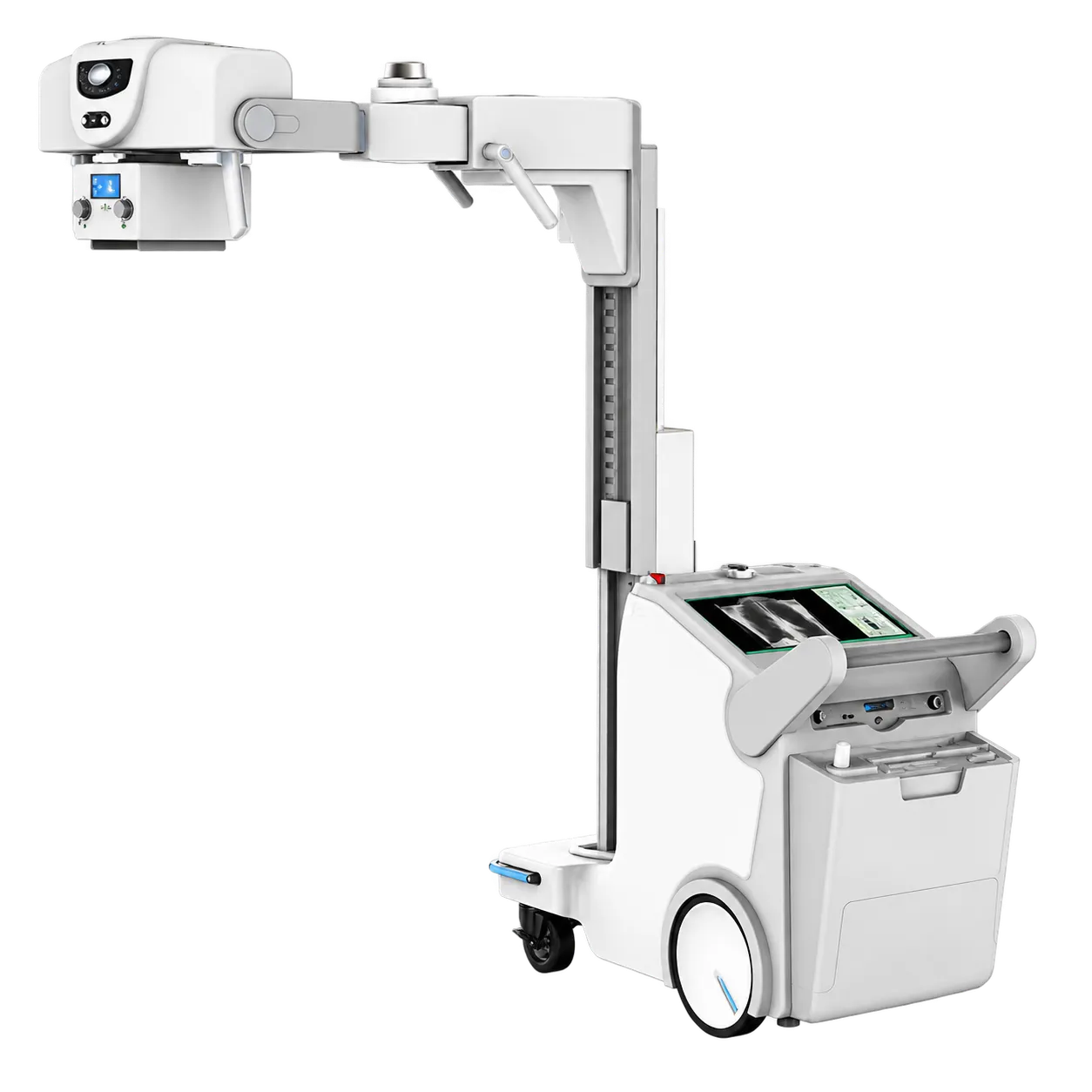
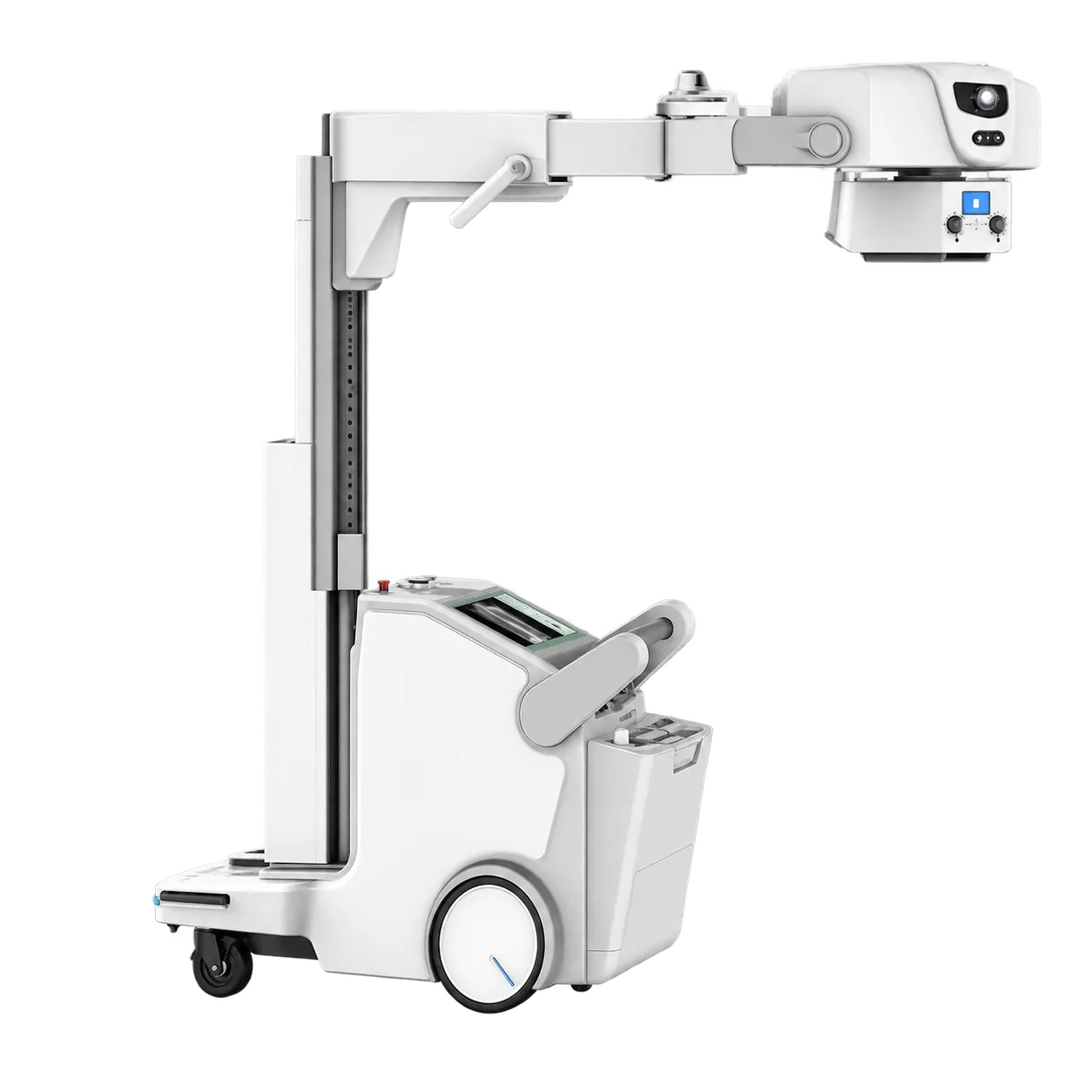
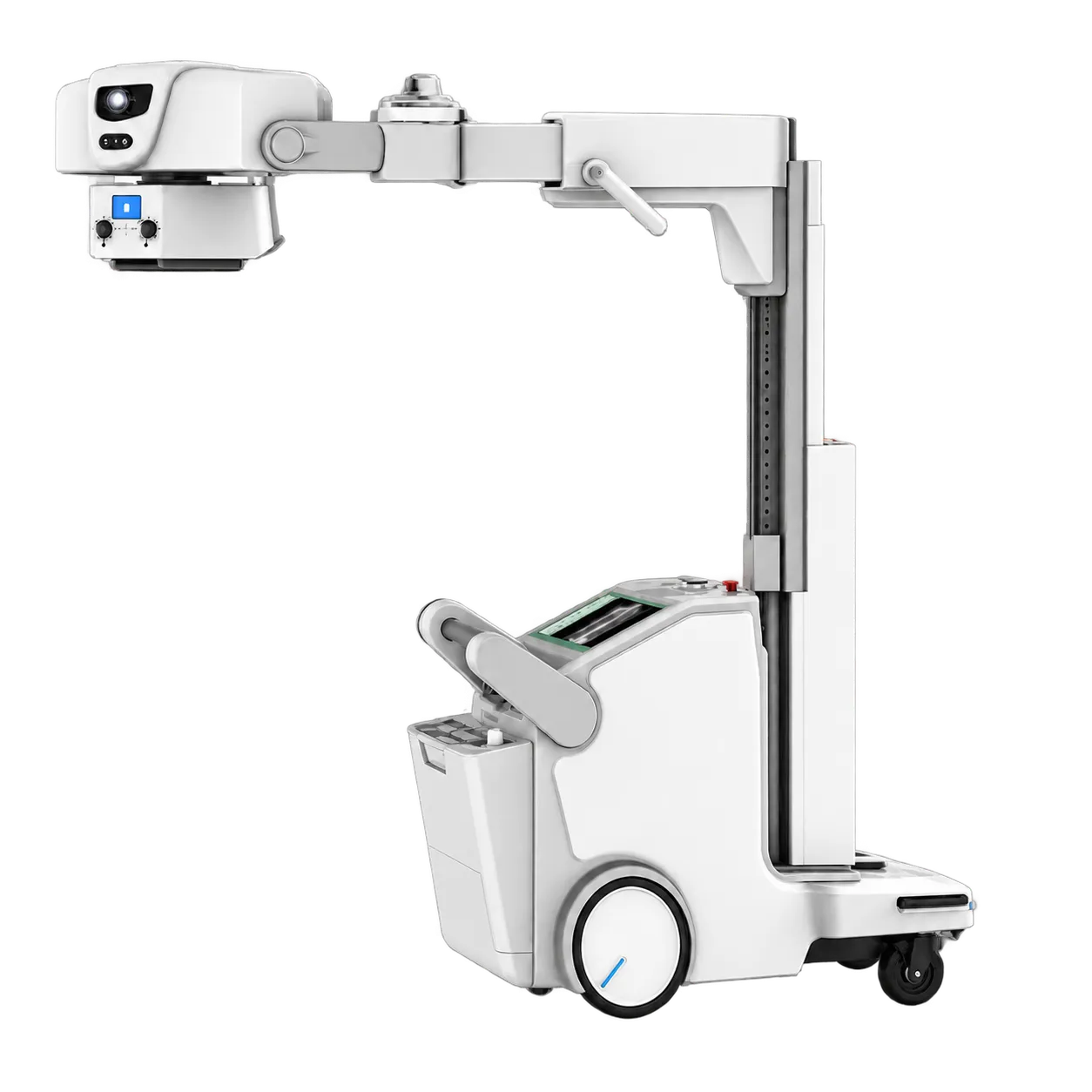
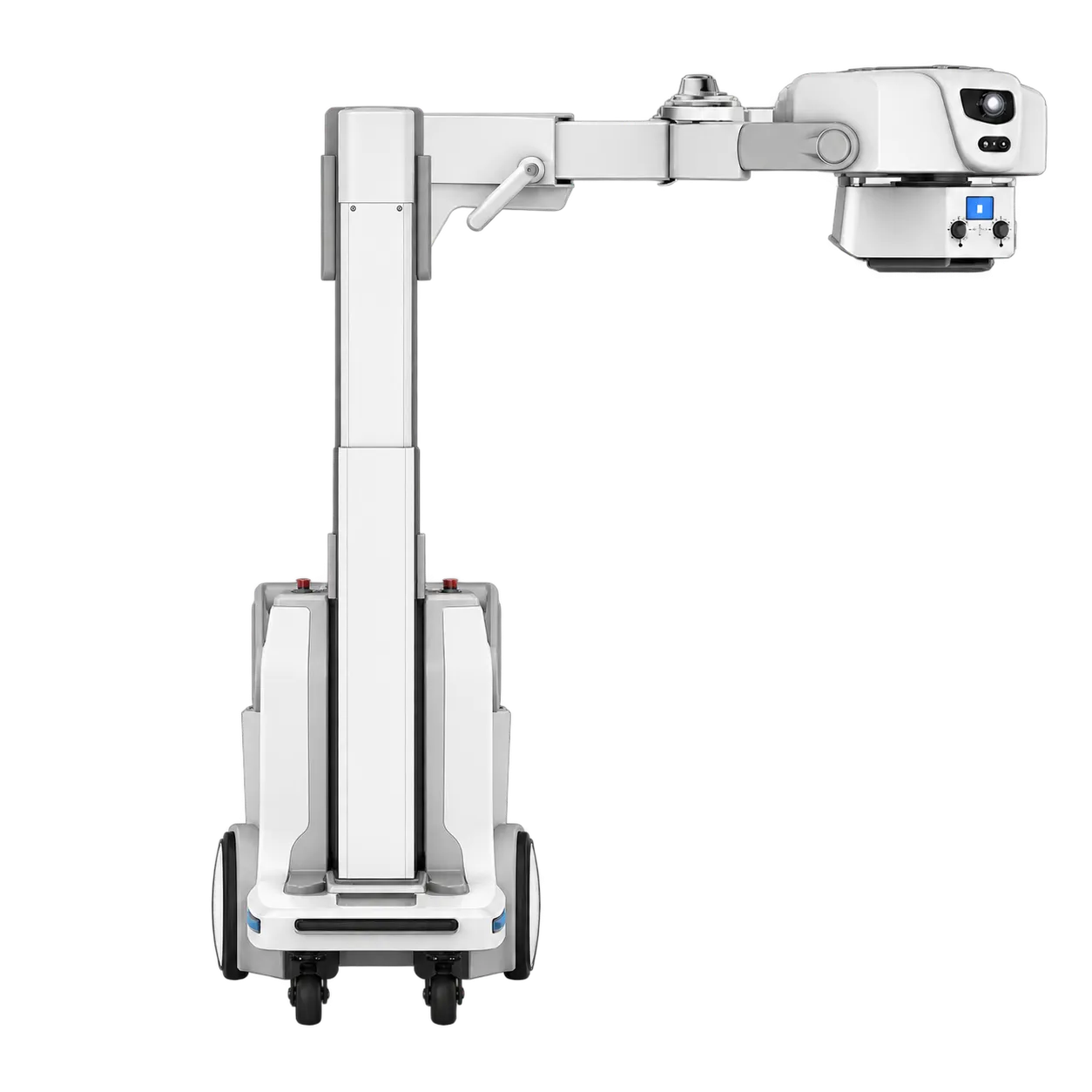
The 55 cm width makes the MobileGenius a candidate for orthopaedic and trauma wards, where check films after surgery are taken on patients who cannot easily leave the bed. Side rooms and isolation rooms with one patient and little spare floor are another fit, as are older ward blocks and smaller hospitals with tight corridors, doors and lifts. Browiner names the radiology department, intensive care and other bedside examinations, and a distributor lists orthopaedics, emergency care, operating theatres and neonatal paediatrics, with the intended purpose deciding the last.
Space sets the terms of each visit. NHS Scotland's infection prevention manual gives 3.6 m bed centres for adult multi-bed areas designed after 2010, and where a ward predates that, the gap beside the bed can be the deciding measurement. The 55 cm body is the figure to hold against that gap, the doorways on the route and the lift car. Once the unit is parked, the micro-inch mover and the telescopic arm on its rotating column handle fine positioning, and the employer's local rules, written with RPA advice, decide how neighbouring patients are protected when beds are close. Bedside films also have limits worth planning for. A 2013 meta-analysis of 13 studies, covering 1,514 patients, found that mostly supine chest radiographs detected pneumothorax with 39.8 per cent sensitivity and 99.3 per cent specificity, against 78.6 and 98.4 per cent for pleural ultrasound. A clear bedside film therefore does not rule a pneumothorax out.
Hospital trusts, private hospital groups and public tenders in other countries ask for a device's conformity position, registration details and installation references before an order is placed. The manufacturer issues the conformity documentation those procurement routes require, and the enquiry team shares it.