
Introduction
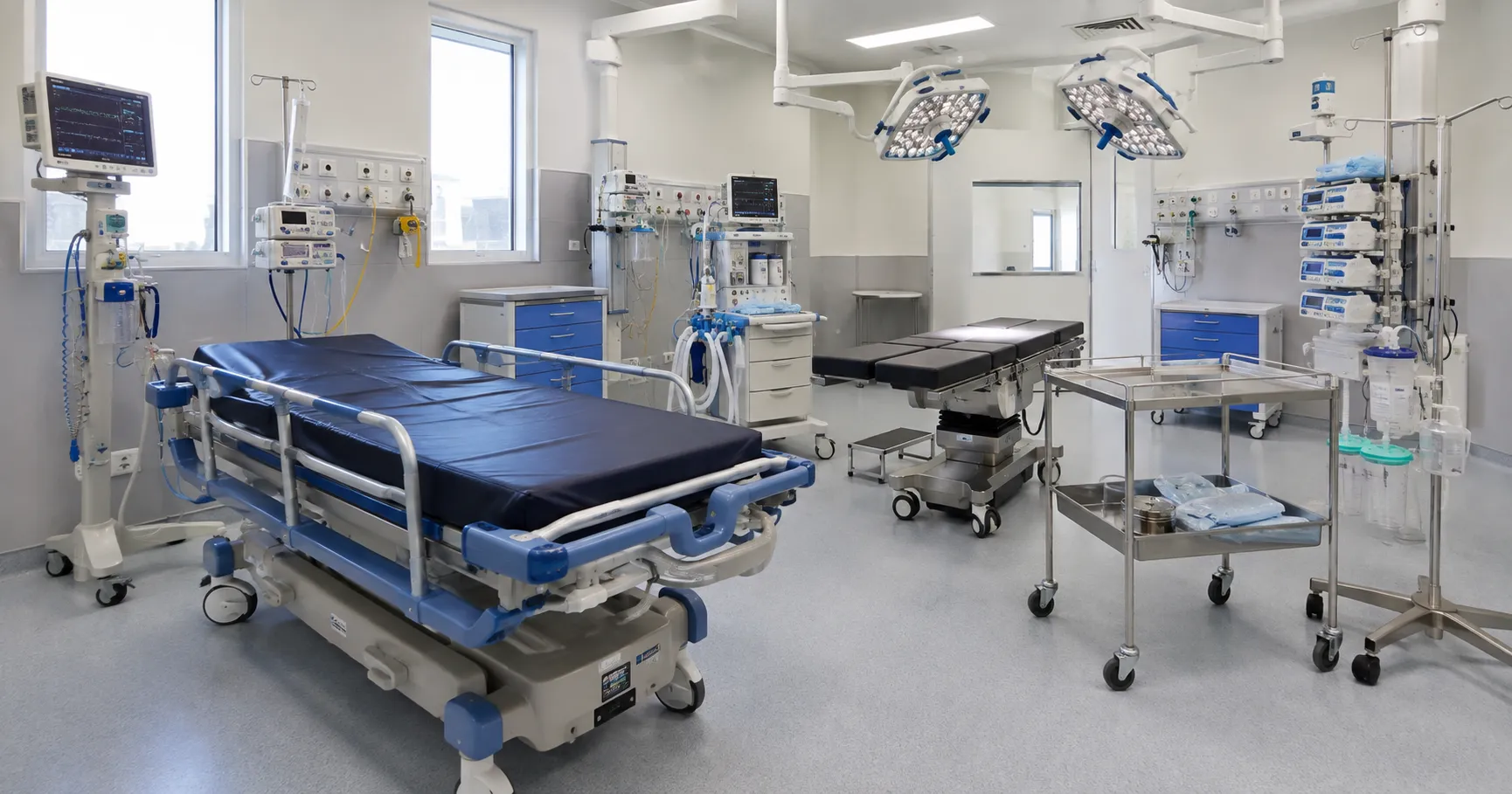
A burns and plastic surgery unit treats some of the most demanding wounds in medicine, so its equipment spans intensive wound care, reconstructive surgery and critical-care support. Setting one up means bringing together dressing and hydrotherapy facilities, skin-grafting and theatre equipment, and the monitoring and fluid management that severe burns demand, in an environment built for infection control and temperature stability.
This guide sets out the full burns unit equipment list by area, the surrounding infrastructure and safety, the planning sequence, and the approval and compliance points — for a new unit, an expansion, or added burns and plastics capacity, wherever your hospital operates. It focuses on the equipment and environment decisions, and flags where clinical, biomedical and estates input is essential.
Burns care is unusual in combining critical-care intensity with prolonged, repeated wound management. A severely burned patient may need fluid resuscitation and monitoring like any intensive-care patient, but also weeks of dressing changes, surgery and rehabilitation, often in a warmed, infection-controlled environment because damaged skin cannot regulate temperature or resist infection. That makes the unit a blend of intensive care, operating capability and specialist wound and rehabilitation facilities, planned so a patient can move through all of them without leaving safe, controlled surroundings.
In practice, the environment matters as much as any device: warmth, infection control and easily cleaned surfaces protect patients whose natural barrier is gone, and shape how the unit is built and equipped. Dressing changes are frequent, painful and resource-heavy, so hydrotherapy, procedure space and analgesia support are planned around a repeating routine. Standardising monitoring and theatre equipment across the unit simplifies training and servicing, while planning rehabilitation and pressure-garment provision from the start supports the long recovery that follows the acute phase.
The short version — what every burns unit is built around
Strip it back, and a burns and plastic surgery unit needs three things — intensive support for the acutely burned, equipment to care for and reconstruct wounds, and a warm, infection-controlled environment.
-
Critical-care support — monitoring, fluid resuscitation and organ support for severe burns.
-
Wound & reconstructive care — hydrotherapy, dressings, grafting and theatre equipment.
-
Environment & rehabilitation — warmth, infection control, and rehabilitation and pressure garments.
Burns unit equipment by area
-
Wound care & hydrotherapy. Dressing and procedure trolleys, hydrotherapy or shower-trolley facilities, and specialist dressings for the frequent, extensive wound care that serious burns demand, often daily.
-
Skin grafting & surgery. Dermatomes and skin-mesh graft equipment, plus theatre access and instruments for excision, grafting and later reconstruction.
-
Monitoring & critical care. Multi-parameter monitors, ventilators where needed, and infusion pumps for the fluid resuscitation and monitoring severe burns require.
-
Temperature & environment control. Warming systems and controlled room temperature, since burned patients lose heat and cannot regulate their own temperature, so keeping them warm is part of treatment, not comfort.
-
Fluid & nutrition. Infusion and feeding equipment for the large fluid volumes and high nutritional needs of recovery from serious burns.
-
Beds & patient handling. Specialist burns beds and pressure-relieving surfaces, with hoists and transfer aids for patients who cannot move themselves during a long admission.
-
Rehabilitation & pressure garments. Splints, exercise equipment and pressure-garment provision to preserve movement and manage scarring through a long and demanding recovery.
-
Infrastructure. Piped medical gases, resilient power, and infection-controlled, easily cleaned surroundings for vulnerable patients.
Burns unit equipment checklist
|
Section |
Equipment |
Notes |
|
Wound care |
Dressing trolleys; hydrotherapy; dressings |
Frequent, extensive |
|
Grafting/surgery |
Dermatome; skin mesher; theatre access |
Excision and grafting |
|
Critical care |
Monitors; ventilator; infusion pumps |
Fluid resuscitation |
|
Temperature |
Warming systems; room control |
Heat loss risk |
|
Fluid/nutrition |
Infusion; feeding equipment |
Large volumes |
|
Beds |
Burns beds; pressure surfaces; hoists |
Immobile patients |
|
Rehabilitation |
Splints; exercise; pressure garments |
Movement and scarring |
|
Infrastructure |
Gases; power; infection control |
Easily cleaned |
Scale each area to your case mix and severity — a unit managing minor burns and elective plastics and a regional centre receiving major burns differ widely in critical-care, surgical and wound-care capacity.
Planning a new burns unit?
We'll help you equip it end-to-end. Tell us your case mix, severity, budget and market — we'll build the equipment list, balance new and refurbished units, and make sure everything's compliant and supported.
No pressure, no obligation. → Talk to the team
What else does setting up a burns and plastic surgery unit involve
-
Infection control. Burned patients have lost their skin barrier, so isolation capacity, strict hygiene and easily cleaned surfaces and equipment are central to the unit's design and equipping.
-
Temperature and environment. Because burned patients cannot regulate temperature, warming and controlled room conditions are core infrastructure, planned into the unit rather than added afterwards.
-
Pain and dressing management. Dressing changes are frequent and painful, so procedure space, analgesia support and hydrotherapy are planned around a demanding, repeating routine that can dominate a patient's day.
-
Rehabilitation and scarring. Recovery from serious burns is long, so rehabilitation equipment, splinting and pressure-garment provision are planned from the start, not left to the end of the acute phase.
-
Consumables, staffing and service. Specialist dressings and grafting consumables, trained burns and plastics staff, and service and dressing contracts all shape the running model over time, not just the purchase of equipment.
Setting up a burns and plastic surgery unit, step by step
-
Define your case mix and severity — minor burns and elective plastics, or major burns needing critical care.
-
Confirm infrastructure — infection control, temperature control, medical gases, theatre access and hydrotherapy — and start works early.
-
Build the equipment list by area, sized to your case mix, with the critical-care and surgical capacity your severity needs.
-
Decide new versus refurbished per item and plan dressing, consumable and service contracts alongside.
-
Install, commission and test everything, set up infection control and rehabilitation, and train the team before go-live.
Infection-control and environmental works take time — build them into the schedule so the unit can open safely, not just with equipment in place.
Budget and procurement
Burns care is equipment- and consumable-intensive, so the purchase price is only part of the story; monitors, warming systems, grafting equipment and specialist dressings all carry running and service costs. A common approach is to buy new for high-throughput core units and certified refurbished for ancillary equipment. Because these are regulated devices, check the device risk class and the certification for your market. Match critical-care, surgical and wound-care capacity to the severity you receive, so the unit is equipped for major burns if it is a receiving centre, or for elective plastics if it is not.
Approval and accreditation by region
|
Region |
Regulator |
Device requirement |
|
United Kingdom |
UKCA mark (CE accepted to 2028–2030) |
|
|
European Union |
CE marking under the MDR |
|
|
United States |
FDA clearance or approval |
|
|
Gulf (GCC) |
SFDA & GCC bodies |
National registration / GCC conformity |
|
South Africa |
Medical device licensing |
Burns and surgical devices are regulated, so confirm each is approved for your market. Burns equipment is used on highly vulnerable, often critically ill patients, so approval, servicing and infection control all matter to keep the unit safe. For quality standards and clinical guidance, the World Health Organisation and NICE are useful references. If you're equipping a burns and plastic surgery unit, our buyer hub sets out how to purchase with confidence.
More from Business
-
Buyers — source a full burns and plastic surgery equipment package for your hospital.
-
Suppliers — list your equipment and reach buyers worldwide.
-
Advertise — promote your products and services to a clinical audience.
-
Business overview — explore everything MediGear offers healthcare organisations.
Disclaimer
This article is for general information only and does not constitute clinical, medical, procurement, engineering or regulatory advice. Burns and plastic surgery design, equipment, infection control, temperature and safety requirements vary by country, case mix and facility, and change over time. The checklist is a general planning aid, not a specification — always work with qualified clinical, biomedical, facilities and procurement professionals, and confirm that every device is approved for your market (for example, UKCA, CE, FDA, SFDA/GCC or SAHPRA). medigear.uk accepts no liability for actions taken based on this content.
Equip your burns unit end-to-end.
From dressing and hydrotherapy facilities to grafting equipment, monitoring and warming systems, we help hospitals across the UK, Europe, the US, the Gulf and South Africa build burns and plastic surgery units — compliant, supported and on budget.
Frequently Asked Questions
A burns and plastic surgery unit needs wound-care and hydrotherapy facilities, skin-grafting equipment such as dermatomes and mesh graft systems, multi-parameter monitoring and infusion pumps for fluid resuscitation, warming systems, specialist burns beds, and rehabilitation and pressure-garment provision — in a warm, infection-controlled environment. The kit spans critical care, surgery and long-term wound and rehabilitation care.
The main areas are wound care and hydrotherapy, skin grafting and surgery, monitoring and critical care, temperature and environment control, fluid and nutrition, beds and patient handling, rehabilitation and pressure garments, and the underlying infection-controlled infrastructure. These are planned together, because burns care blends intensive care, surgery and prolonged wound management.
Costs depend on the severity you receive and whether the unit provides critical care and major surgery, so there is no single figure. Because burns care is consumable- and service-intensive, weigh the purchase price against running and service costs over the life of each device rather than the upfront price alone.
Yes, for many items. High-use core devices such as monitors and ventilators are often bought new, while certified refurbished units can be sensible for beds, warming and ancillary equipment. Every device must be approved for your market and fully supported with service and consumables, whether new or refurbished.
It varies with the case mix and whether infection-control and environmental works are needed, but planning, equipping, commissioning and training typically take several months. Infection control, temperature control and rehabilitation provision are the parts most often underestimated, so build them into the schedule from the start.
A burns unit needs strong infection control with isolation capacity, controlled warmth because patients cannot regulate temperature, piped medical gases, resilient power, and access to theatre and hydrotherapy. This environment is as important as the clinical equipment, because burned patients have lost the skin barrier that normally protects them.