Purchasing medical equipment is a major investment for hospitals, clinics, diagnostic centres, laboratories, and healthcare providers. One of the most common decisions buyers face is whether to invest in new medical equipment or choose professionally refurbished alternatives.
Both options have advantages depending on budget, operational requirements, technology preferences, and long-term procurement goals. Understanding the differences between new and refurbished equipment helps healthcare organisations make informed purchasing decisions while balancing performance, reliability, and overall value.
This guide explores the key considerations when comparing new and refurbished medical equipment.
Understanding New Medical Equipment
New medical equipment is supplied directly by the manufacturer or an authorised distributor and has not been used previously.
Common examples include:
-
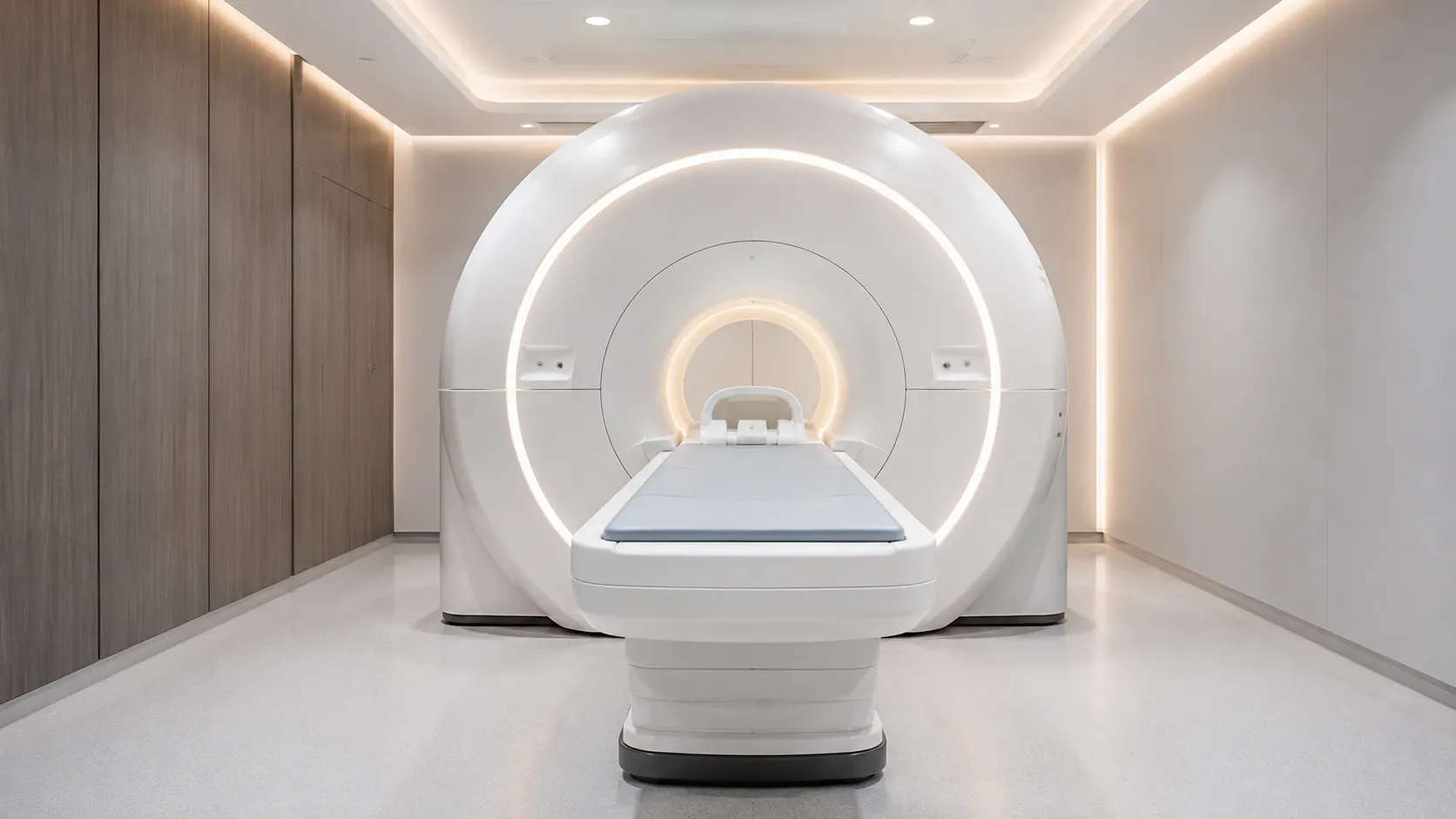
Diagnostic imaging systems.
-
Patient monitors.
-
Ultrasound machines.
-
Laboratory analysers.
-
Ventilators.
-
Hospital beds.
-
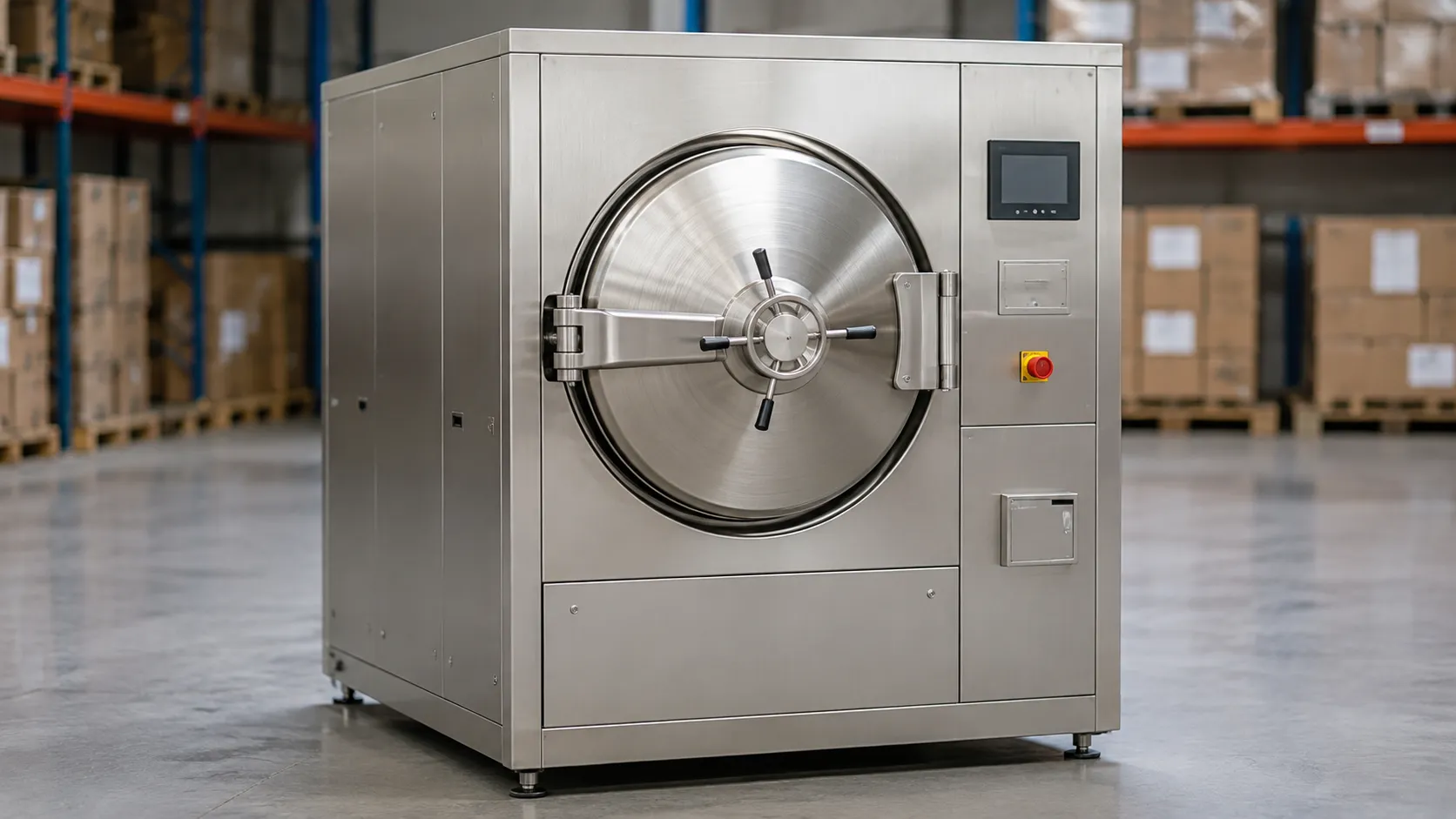
Sterilisation equipment.
New equipment is often selected for healthcare facilities expanding their services or adopting the latest medical technologies.
Understanding Refurbished Medical Equipment
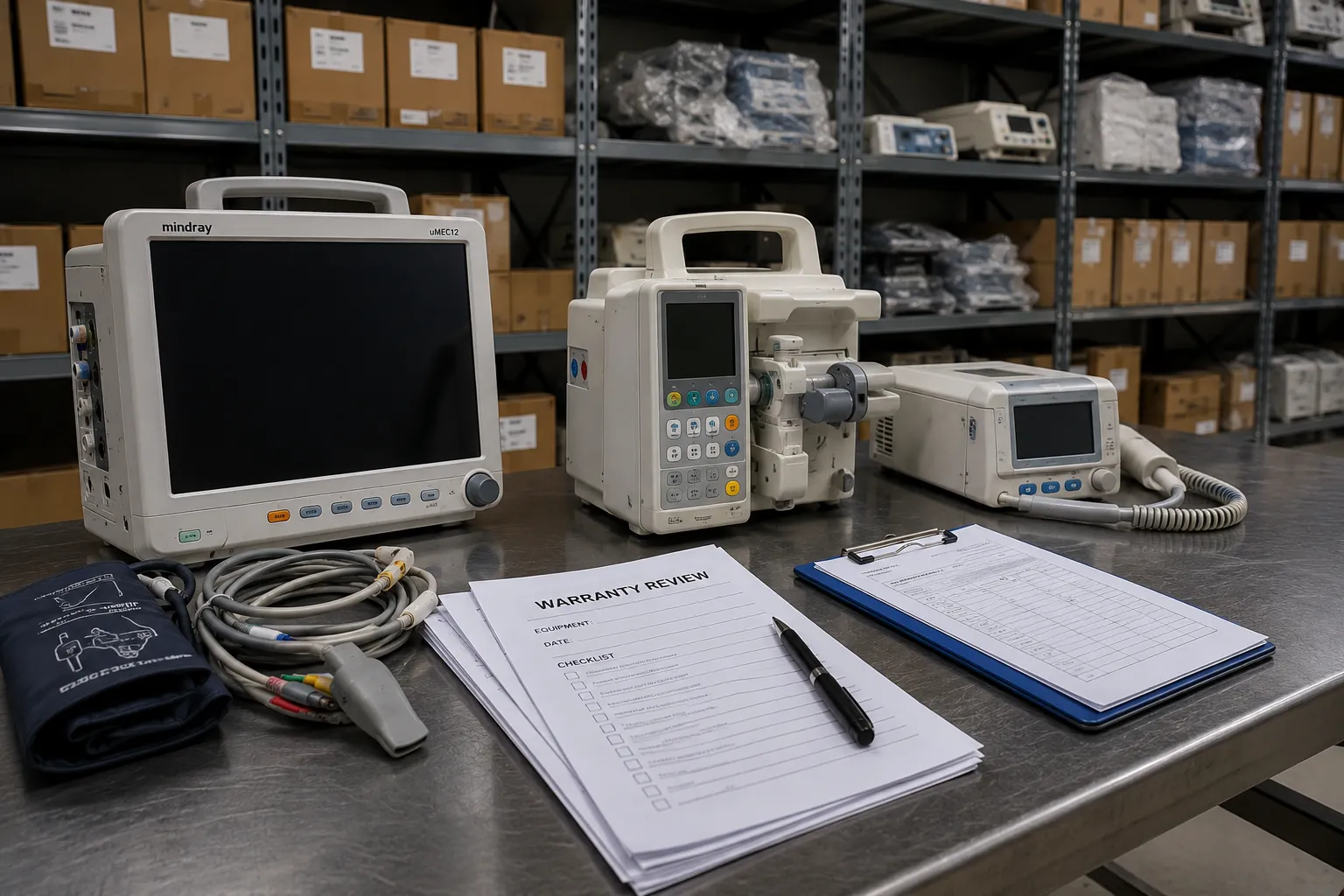
Refurbished medical equipment consists of previously owned devices that have undergone professional inspection, servicing, testing, repairs where required, and quality checks before being offered for resale.
Professional refurbishment may include:
-
Component replacement.
-
Functional testing.
-
Cosmetic restoration.
-
Software updates were applicable.
-
Performance verification.
-
Electrical safety inspection.
Refurbished equipment differs from used equipment because it has been restored through a structured refurbishment process.
Advantages of New Medical Equipment
New equipment offers several potential benefits.
Latest Technology - Manufacturers regularly introduce improvements in:
-
Imaging quality.
-
Digital connectivity.
-
Software functionality.
-
Workflow automation.
-
Energy efficiency.
Healthcare facilities seeking cutting-edge capabilities often choose newer systems.
Manufacturer Support - New equipment commonly includes:
-
Manufacturer warranties.
-
Technical documentation.
-
Product updates.
-
Installation guidance.
-
Training resources.
Longer Expected Service Life - Since components are unused, new equipment may provide a longer operational lifespan when properly maintained.
Healthcare organisations exploring sourcing opportunities can discover solutions through buyer services.
Advantages of Refurbished Medical Equipment
Professionally refurbished equipment can provide several practical benefits.
Lower Initial Investment - Refurbished systems generally require a smaller upfront investment than equivalent new equipment.
Faster Equipment Availability - Certain refurbished products may be available sooner than newly manufactured systems.
Access to Premium Technologies - Healthcare facilities may obtain advanced equipment that would otherwise exceed available budgets.
Sustainable Procurement - Extending equipment lifecycles helps reduce unnecessary waste and supports environmentally responsible purchasing strategies.
Factors to Consider Before Choosing
Every healthcare facility has different operational requirements.
Important considerations include:
Available Budget - Determine whether long-term investment or immediate cost savings is the primary objective.
Clinical Requirements - Equipment should match intended healthcare applications.
Technology Requirements - Some departments may require the newest software features or digital integration capabilities.
Maintenance Planning: Consider future servicing requirements and the availability of technical support.
Expected Equipment Usage - High-utilisation departments may evaluate equipment differently than lower-volume facilities.
Healthcare suppliers interested in expanding their healthcare network can explore business suppliers.
Comparing Long-Term Costs
Purchase price is only one part of total ownership costs.
Healthcare buyers should evaluate:
-
Maintenance expenses.
-
Spare parts availability.
-
Service contracts.
-
Energy consumption.
-
Software updates.
-
Equipment lifespan.
-
Operational efficiency.
Evaluating the total cost of ownership provides a more complete picture than comparing purchase prices alone.
Quality Assurance Matters
Whether purchasing new or refurbished equipment, quality assurance should remain a priority.
Review factors such as:
-
Equipment inspection reports.
-
Functional testing records.
-
Maintenance history is available.
-
Warranty coverage.
-
Technical documentation.
-
Supplier reputation.
Careful evaluation helps reduce procurement risks.
Supplier Selection Is Important
Reliable suppliers provide more than equipment delivery.
Look for suppliers offering:
-
Technical consultation.
-
Equipment documentation.
-
Logistics support.
-
Installation guidance.
-
Maintenance assistance.
-
Responsive customer service.
Long-term supplier relationships contribute to successful equipment management.
Sustainability Is Influencing Procurement
Healthcare organisations increasingly consider environmental impact when purchasing equipment.
Professionally refurbished equipment may contribute to sustainability goals by:
-
Extending product lifecycles.
-
Reducing electronic waste.
-
Maximising existing resources.
-
Supporting circular economy initiatives.
Many procurement teams now evaluate sustainability alongside performance and cost.
Healthcare organisations interested in strategic collaborations can explore: business partners.
Which Option Is Right?
There is no universal answer.
New equipment may be appropriate when:
-
The latest technology is required.
-
Maximum expected service life is a priority.
-
Advanced software integration is essential.
-
Long-term modernisation projects are underway.
Professionally refurbished equipment may be appropriate when:
-
Budget optimisation is important.
-
Proven technology meets operational needs.
-
Equipment availability is a priority.
-
Sustainability objectives are considered.
The most suitable choice depends on each healthcare organisation's operational goals, financial planning, and procurement strategy.
Businesses looking to increase visibility within the healthcare industry can discover opportunities through business advertise.
For sourcing assistance, procurement guidance, and equipment enquiries, support is available through: contact team.
Conclusion
Both new and refurbished medical equipment play valuable roles in modern healthcare. New equipment provides access to the latest innovations and manufacturer support, while professionally refurbished equipment can offer excellent value, reliable performance, and sustainable procurement advantages.
By evaluating clinical requirements, budget, technology needs, maintenance support, supplier reliability, and long-term ownership costs, healthcare organisations can make informed purchasing decisions that align with their operational objectives and future growth plans.
Disclaimer
Medigear.uk is a medical equipment supplier and distributor. We do not provide medical advice, diagnosis, or treatment recommendations. All information is provided for educational and informational purposes only. Qualified medical professionals should always make healthcare decisions.