Wound debridement removes dead, damaged, infected, or foreign material from a wound, exposing healthy tissue so healing can proceed. Devitalised tissue and slough keep a wound in an inflammatory state and harbour bacteria, so clearing them often allows a chronic or contaminated wound to progress. Debridement can be performed in several ways, and each method requires its own tools, from simple curettes to powered hydrosurgery systems.
This guide explains what debridement is, the main methods used, and the instruments and consumables a service needs to stock for each. The aim is to help a procurement lead assemble a coherent range across theatre, ward and clinic settings rather than buy piecemeal.
Why debridement matters
A wound bed covered in slough, eschar or necrotic tissue cannot re-epithelialise, and that dead tissue is an ideal medium for bacteria and biofilm. Removing it reduces bacterial load, exposes viable tissue, allows accurate assessment of wound depth, and prepares the bed for dressings, grafts or closure. Debridement is central to wound bed preparation and is used across pressure ulcers, diabetic foot wounds, venous leg ulcers, surgical wounds and traumatic or contaminated injuries. The method chosen depends on the wound, the tissue, the setting and who is carrying it out.
Methods of debridement and the tools each needs
Sharp and surgical debridement
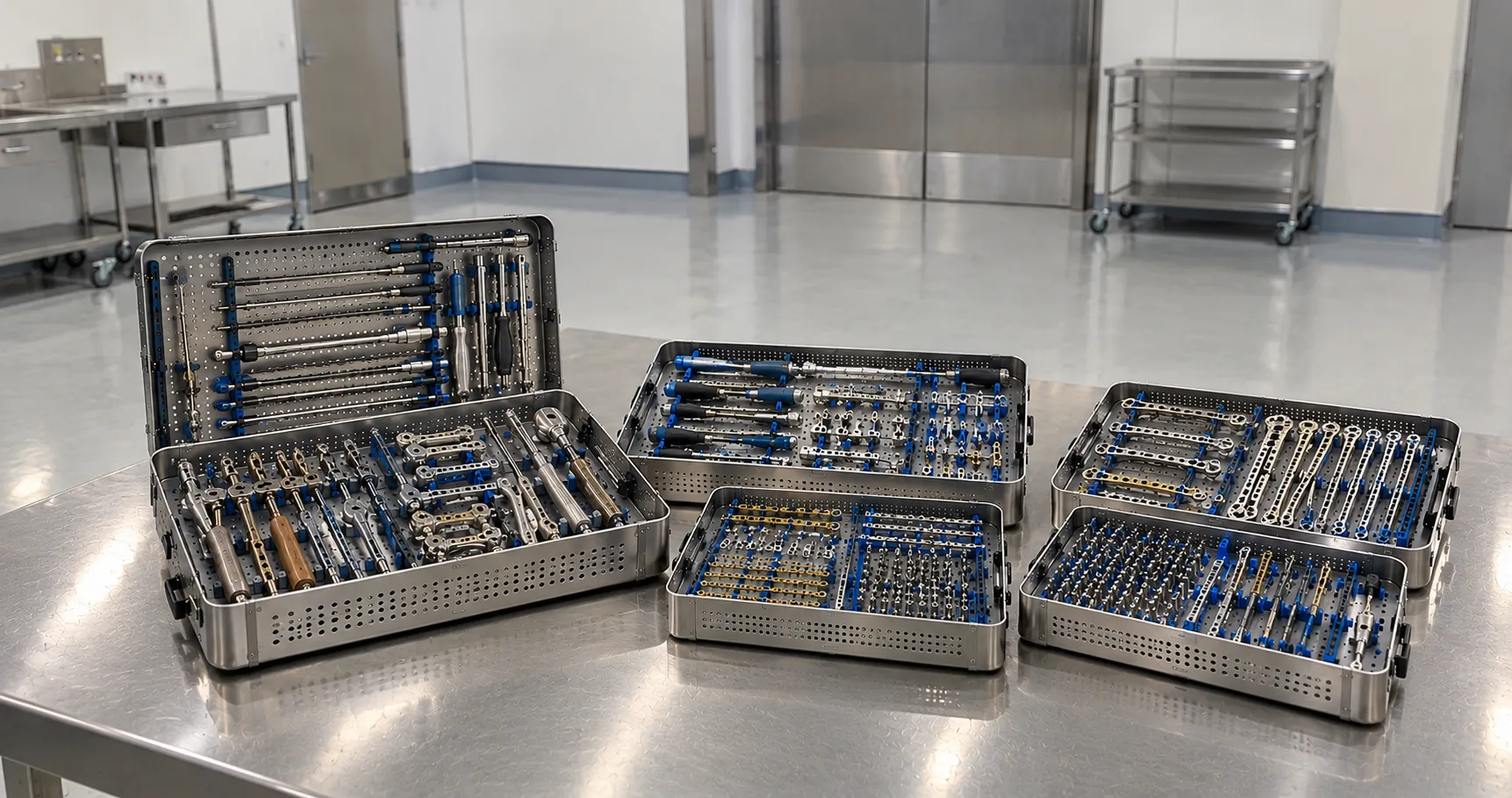
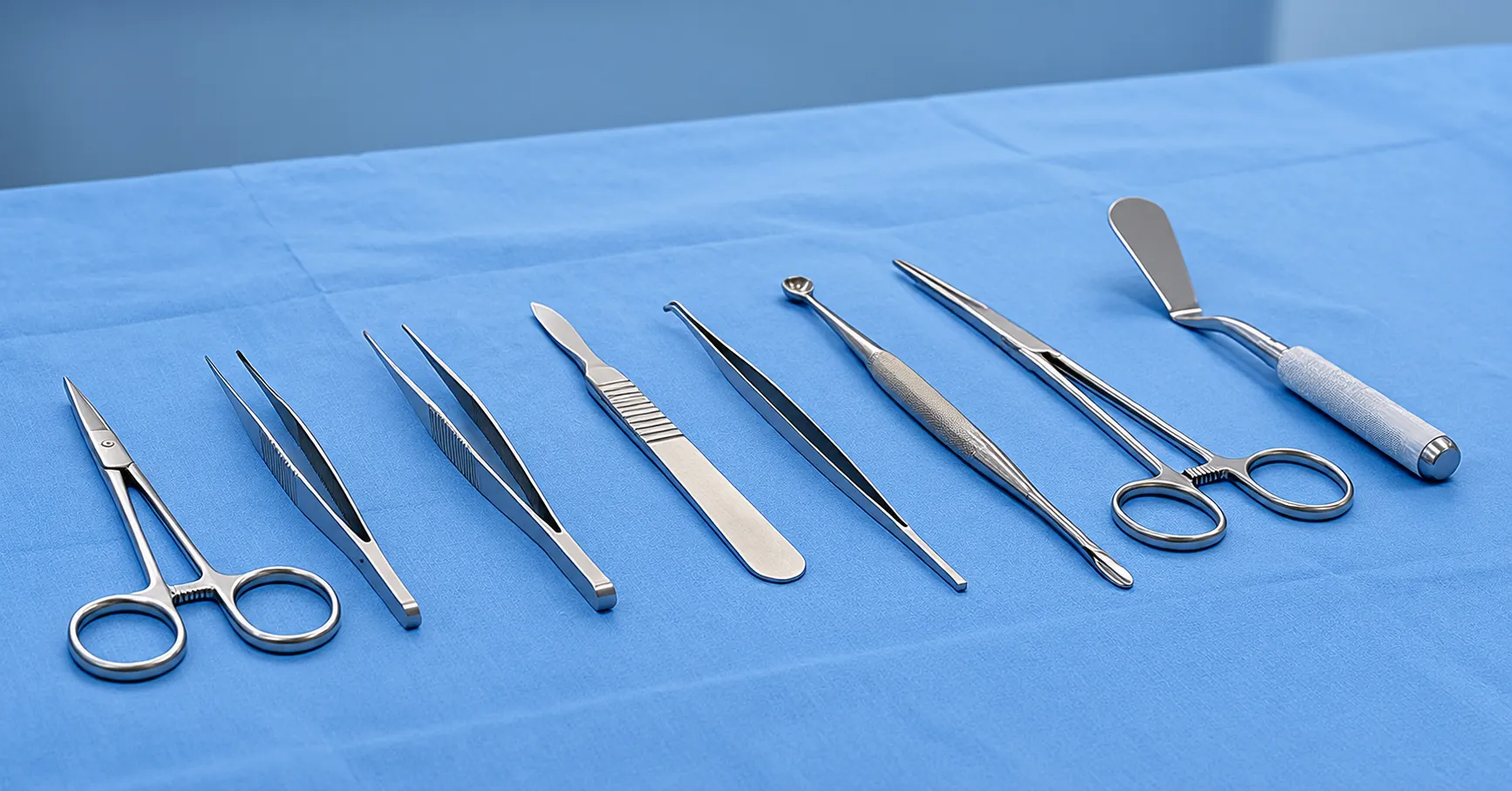
Sharp debridement uses cutting instruments to remove dead tissue. Conservative sharp debridement at the bedside or in clinic uses scalpels, curettes, ring curettes, forceps, and scissors to remove loose, non-viable tissue up to the level of viable tissue. Surgical debridement in theatre is more extensive, excising tissue under anaesthesia with a full instrument set, sometimes including a dermatome or bone instruments when the wound involves deeper structures. Single-use sterile debridement kits, which package a scalpel, curette, and forceps, are common for clinic use, while theatre relies on reusable instrument trays.
Hydrosurgical and mechanical debridement
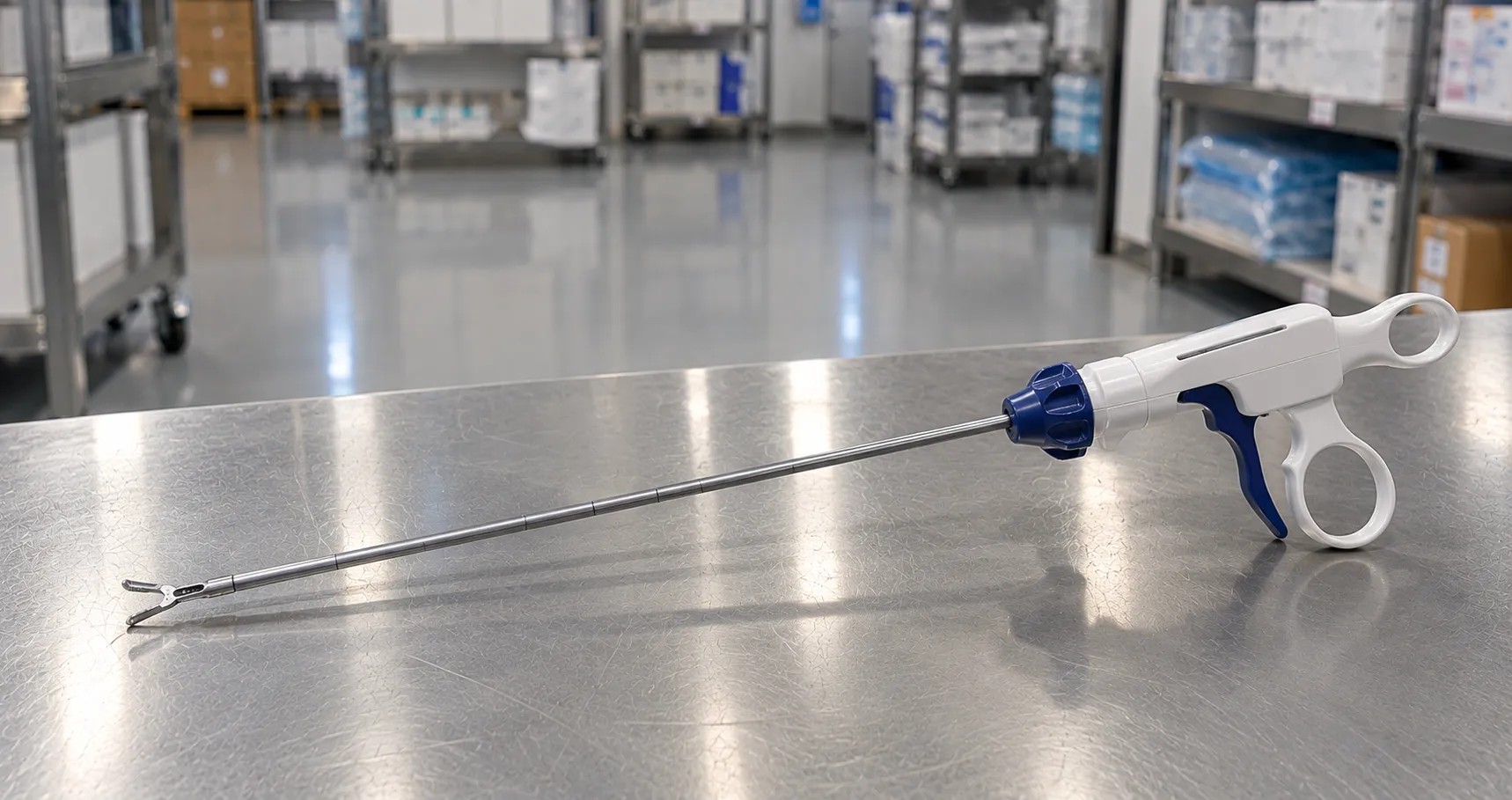
Hydrosurgery systems use a high-pressure saline jet to cut and aspirate non-viable tissue precisely and are used in theatre for larger or complex wounds. Traditional mechanical methods include wet-to-dry dressings and, more controllably, monofilament debridement pads that lift slough and debris when wiped across the wound, a simple consumable widely used in clinics.
Autolytic, enzymatic, larval and ultrasonic methods
Autolytic debridement relies on the body's own enzymes under moisture-retentive dressings and needs dressings rather than instruments. Enzymatic and larval (biosurgical) methods are product-based. Low-frequency ultrasonic debridement devices use ultrasound, often with saline, to break down and remove non-viable tissue; they are distinct powered equipment with their own handpieces and consumables.
Core instruments in detail
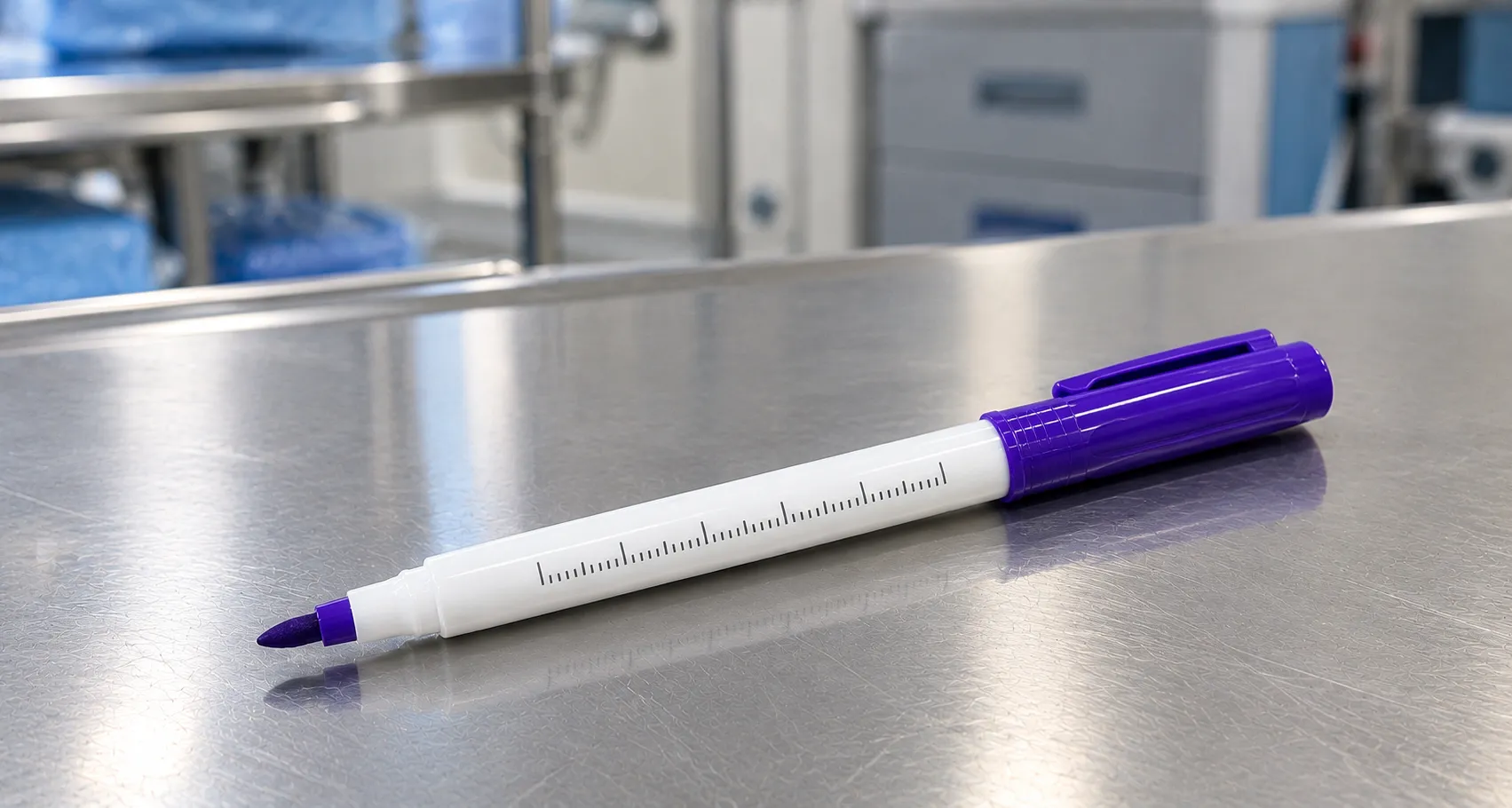
Curettes, with a sharp ring or spoon, scrape away slough and are a staple of conservative sharp debridement. Scalpels provide precise cutting; disposable clinics commonly use disposable sterile scalpels. Forceps stabilise and lift tissue during cutting, and scissors trim loose tissue. Monofilament pads provide atraumatic mechanical cleansing without sharps. Manufacturing quality matters: sharp debridement instruments should be made from surgical-grade stainless steel to meet relevant instrument standards. This keeps edges keen and resists corrosion. For powered methods, the handpiece, tips, and single-use tubing sets are recurring consumables that drive running costs.
Assessing the wound and choosing a method
Method selection follows the wound. The type and amount of non-viable tissue, whether loose slough or firm, adherent eschar, the wound's depth and location, the presence of infection, and the patient's pain and vascular status all guide the choice, as does the debrider's competence. Firm eschar may need sharp or powered removal. In contrast, loose slough responds to monofilament pads or autolytic dressings. A well-perfused wound tolerates more aggressive debridement than an ischaemic limb. Because the method drives the required tools, a service that understands its typical wound profile can stock the right instruments rather than a scattergun collection, and match the method to its staff's skills.
Cost per procedure and consumable planning
Debridement provision carries a running cost that is easy to underestimate. Single-use kits have a clear per-procedure price, while reusable instruments add decontamination, inspection and eventual replacement to their apparently low unit cost. Powered systems layer console servicing on top of per-case tips and tubing. When comparing options, look at cost per procedure across a realistic annual volume, including reprocessing and waste disposal, rather than the sticker price of an instrument. For high-volume services, reusable instruments with efficient decontamination often win; for occasional or community use, single-use kits usually make more sense. Mapping volume to model keeps debridement both appropriate and affordable.
Single-use versus reusable, and decontamination
Debridement instruments split into two supply models. Single-use sterile kits and instruments are convenient, reduce processing, and suit community and clinic settings, but add per-procedure cost and waste. Reusable stainless-steel instruments have a lower per-use cost over their life but require decontamination and sterilisation through a validated cycle in a sterile services department, following national decontamination guidance. Powered systems typically pair a reusable console or handpiece with single-use consumables. Choosing between models is a total-cost-of-ownership question that also depends on where debridement is carried out and the decontamination capacity available.
Standards, safety and regulation
Debridement instruments and devices are medical devices that require valid UKCA or CE marking, a declaration of conformity, and instructions for use, withoversight by the MHRA. Reusable surgical instruments are typically made to surgical stainless-steel standards such as the ISO 7153 series, and reusable devices must be reprocessed per manufacturer instructions and national decontamination standards. Sharps handling and disposal fall under health and safety duties overseen by the HSE, and NICE provides clinical guidance on wound care. Powered hydrosurgery/ultrasonicc devices are active devices with their own electrical safety and servicing requirements. Buyers should confirm certification, reprocessing status and consumable supply before committing.
Matching tools to the setting
In theatre, expect reusable instrument sets plus powered hydrosurgery or ultrasonic systems for extensive wounds. On wards and in community clinics, single-use sharp debridement kits, disposable scalpels and curettes, and monofilament pads cover most conservative debridement, backed by appropriate dressings for autolytic methods. Podiatry and diabetic foot services lean heavily on sharp debridement instruments. The right stock list reflects who debrides, where, and how often, so as a service, map your debridement activity before ordering rather than buying a generic set.
Procurement checklist
-
Map which debridement methods your services actually perform and where.
-
Stock sharp debridement instruments in surgical-grade stainless steel.
-
Decide single-use versus reusable per setting on a total-cost basis.
-
Include monofilament pads for atraumatic mechanical cleansing in clinics.
-
For powered systems, confirm handpiece, tips and tubing consumable supply.
-
Confirm UKCA or CE marking and instructions for use on every device.
-
Verify reprocessing status against national decontamination standards.
-
Plan safe sharps handling and disposal in line with HSE guidance.
Conclusion
Wound debridement removes non-viable tissue that stalls healing, and the required tools range from simple curettes and scalpels to monofilament pads, powered hydrosurgery, and ultrasonic systems. A sound stock list starts with the methods a service performs and the settings involved, then decides between single-use and reusable on cost and decontamination grounds, and always confirms certification and consumable supply. Get that mapping right and debridement provision is both clinically appropriate and affordable. To assemble a debridement range across your theatres and clinics, contact our team or register as a buyer with MediGear.
Disclaimer
This article is for informational purposes only. It is published by MediGear (medigear.uk) for general information and procurement guidance. It is not clinical, diagnostic, treatment, technical, engineering, legal or regulatory advice, nor a product endorsement, guarantee or substitute for professional assessment. MediGear does not provide medical consultations. Buyers should consult their clinical, biomedical, estates and regulatory contacts, and the manufacturer's documentation, and independently verify all specifications, certifications, compatibility and suitability before purchase. Specifications, certifications and availability are correct at the time of publication and may change without notice. MediGear is a medical-equipment distributor and does not sell medicines or pharmaceutical products.