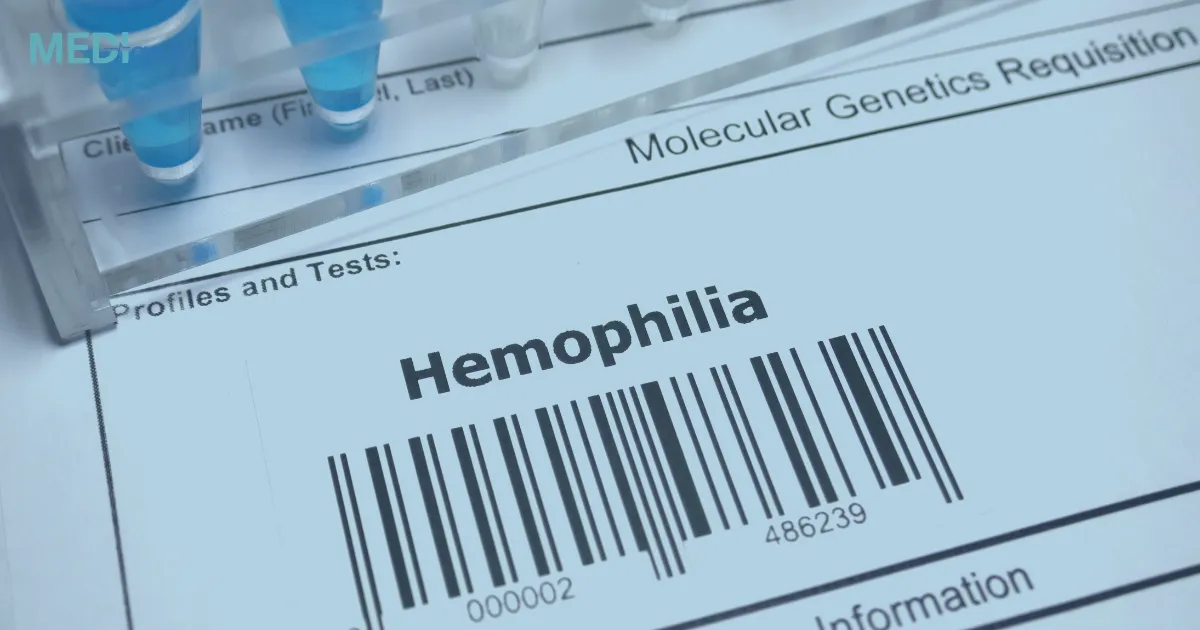
Hemophilia is a rare inherited bleeding disorder in which the blood does not clot properly due to a deficiency of clotting factors. Because clot formation is impaired, bleeding may last longer than normal and can occur internally without obvious injury. Early recognition of symptoms is essential for timely diagnosis and effective management.
Common Symptoms of Hemophilia
1. Prolonged Bleeding
One of the hallmark signs of hemophilia is bleeding that lasts longer than expected.
May occur after:
- Minor cuts or injuries
- Dental procedures or injections
- Surgery or trauma
2. Easy and Excessive Bruising
People with hemophilia often develop large or deep bruises from minor bumps or without clear cause.
3. Joint Bleeding (Hemarthrosis)
Bleeding into joints is a common and serious symptom, especially in moderate to severe hemophilia.
Affected joints include:
- Knees
- Ankles
- Elbows
Symptoms:
- Pain and stiffness
- Swelling and warmth
- Reduced joint movement
Repeated joint bleeding can lead to long-term joint damage.
4. Muscle Bleeding
Bleeding into muscles can cause:
- Swelling and pain
- Tightness or pressure
- Limited movement of the affected area
In severe cases, muscle bleeding may compress nerves or blood vessels.
5. Nosebleeds and Gum Bleeding
Frequent or prolonged nosebleeds and excessive bleeding from the gums are common, particularly in children.
6. Blood in Urine or Stool
Internal bleeding may present as:
- Pink or red urine
- Black or bloody stools
These symptoms require prompt medical evaluation.
7. Bleeding in Infants and Children
Early signs in infants may include:
- Excessive bleeding after circumcision
- Large bruises during crawling
- Bleeding after vaccinations
8. Severe Internal Bleeding
Rare but life-threatening bleeding can occur in the brain.
Warning signs include:
- Severe headache
- Vomiting
- Neck stiffness
- Seizures or altered consciousness
This is a medical emergency.
When to Seek Medical Care
Any unexplained bleeding, recurrent joint pain with swelling, or prolonged bleeding after minor injuries should be evaluated by a healthcare professional. Early diagnosis allows for preventive treatment and improved quality of life.
Conclusion
Hemophilia symptoms range from mild bruising to severe internal bleeding. Recognizing early signs—especially joint and prolonged bleeding—supports timely diagnosis, prevents complications, and enables effective long-term management.
This content is for informational purposes only and does not replace professional medical advice.