A keratometer measures the curvature of the front surface of the cornea at the front of the eye. That curvature determines much of the eye's focusing power, so measuring it accurately underpins contact lens fitting, cataract surgery planning and the assessment of conditions that distort the corneal shape. The instrument reports curvature in millimetres of radius or in dioptres, along with the axis of any astigmatism.
For an optometry practice, an ophthalmology clinic or a surgical unit buying equipment, the choice is between the traditional optical keratometer and modern automated and topographic systems. The decision rests on the range of measurement, repeatability, ease of use and how the readings feed into lens ordering and surgical calculations.
The Measurement Principle
The cornea behaves like a convex mirror. A keratometer projects an illuminated pattern, historically a pair of mires, onto the cornea and measures the size of the reflected image. Because the size of a reflection from a curved mirror depends on the mirror's radius, the instrument works back from image size to corneal radius of curvature. It measures along two principal meridians, which reveals both the flattest and steepest curves and therefore the amount and axis of corneal astigmatism. The reflection comes from a small central zone of the cornea, roughly three millimetres across, so keratometry describes the central cornea rather than the whole surface.
Radius, dioptres and K readings
Results are given as K readings: two curvature values and their axes. Converting radius to dioptric power uses an assumed refractive index, and different instruments may use slightly different indices, so readings from different devices should not be mixed without care. Buyers who compare devices should know which index a unit uses.
Manual, Automated and Topographic Instruments
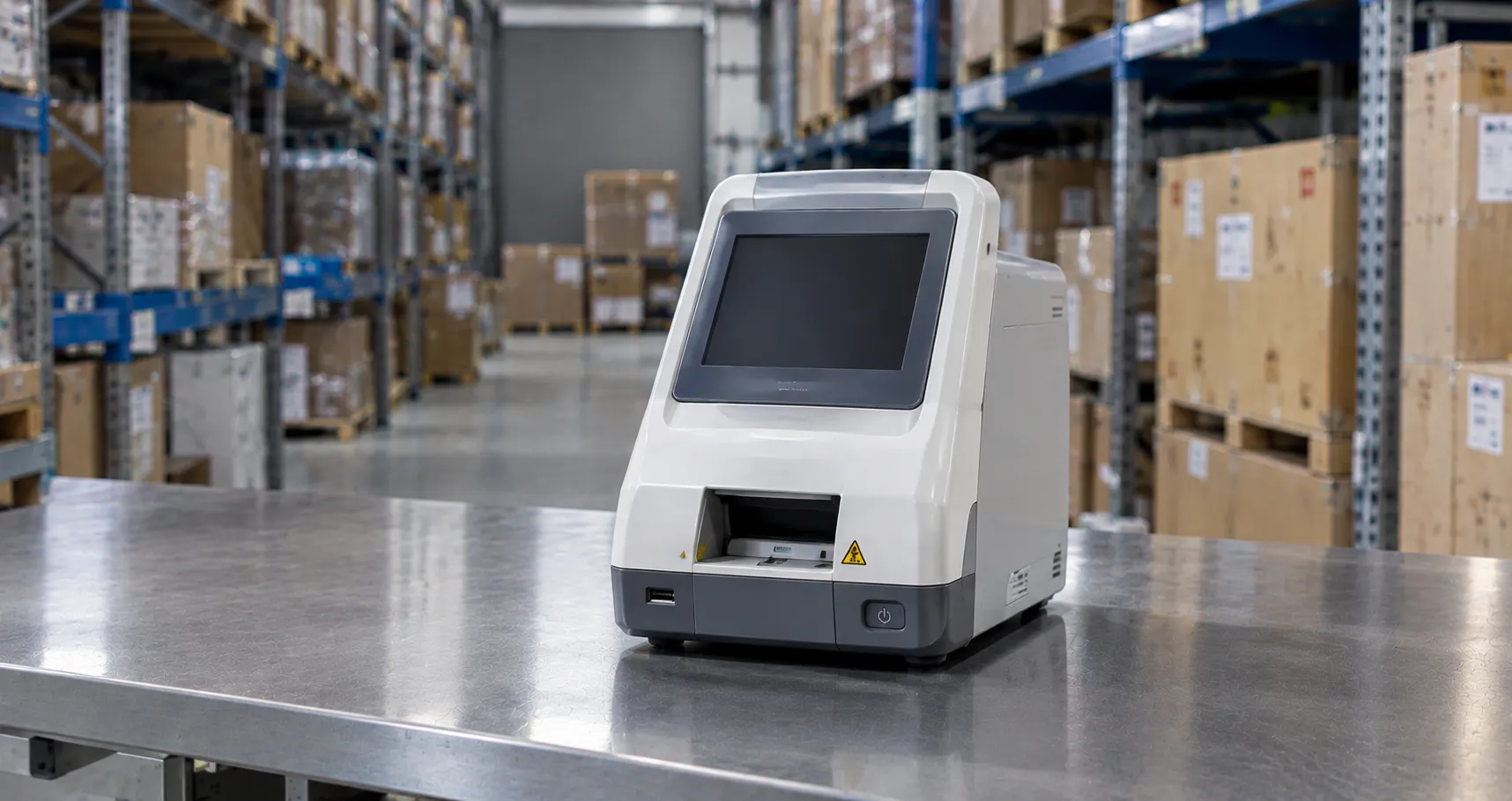
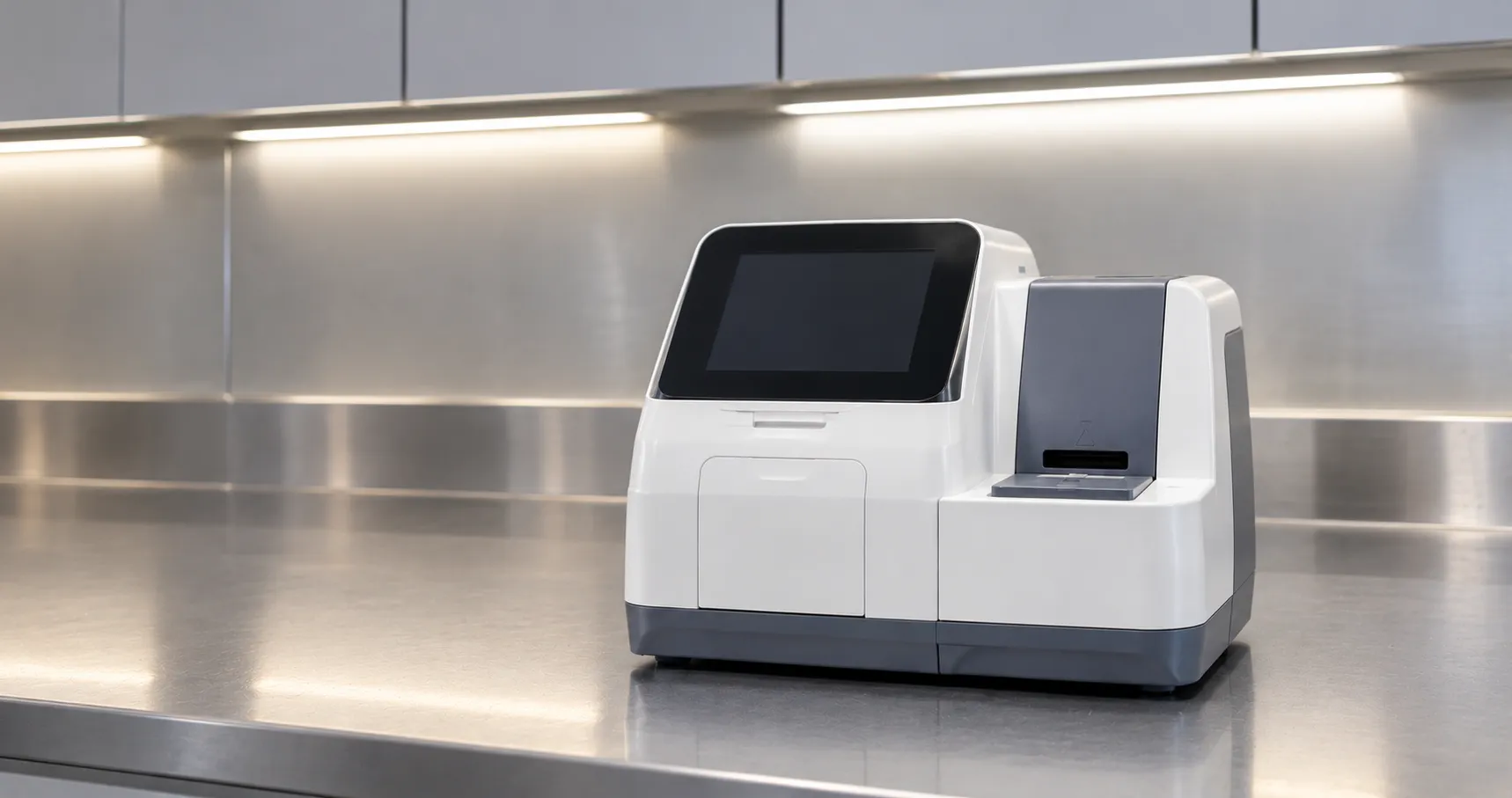
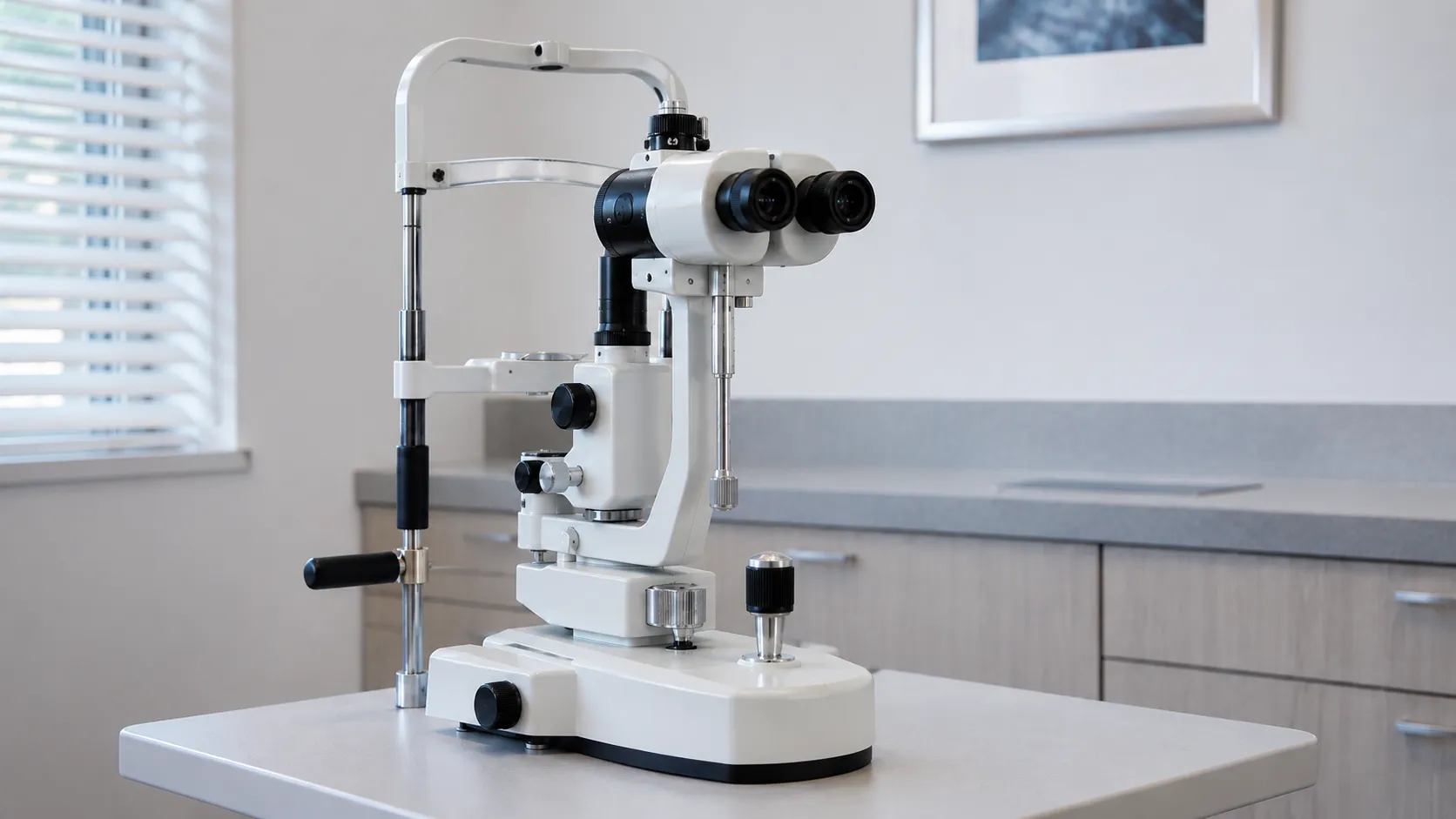
Manual keratometers, such as the classic Javal-Schiotz and Bausch & Lomb designs, require the operator to align mires by hand. They are reliable, affordable and need no power, but they are slower and depend on operator skill. Automated keratometers align and read electronically in seconds, reduce operator variation and store results, and are often built into an autorefractor as a combined autorefractor-keratometer. Corneal topographers go further, mapping thousands of points across the whole cornea using a Placido disc of concentric rings or scanning methods, and are the tool of choice for irregular corneas, keratoconus screening and complex contact lens work. Many clinics run an automated keratometer for routine measurement and reserve a topographer for complex cases.
Where Corneal Curvature Data Is Used
Keratometry feeds several workflows. In contact lens fitting, the base curve of a rigid or soft lens is chosen against the K readings. In cataract surgery, corneal power is a key input to intraocular lens power calculations, so small measurement errors carry through to the refractive outcome, which is why repeatability matters so much here. In refractive assessment and the monitoring of conditions such as keratoconus, changes in curvature over time guide management. The instrument does not diagnose; it supplies the objective measurements clinicians build on.
Key Specifications to Compare
Compare the measurement range in dioptres, because standard keratometers may not read very steep or very flat corneas seen in disease or after surgery. Check repeatability and whether the device compensates for eye movement. Look at the working distance and chin-rest ergonomics for patient comfort and throughput. For combined units, weigh the autorefractor performance too. For topographers, the number of measured points, the mapping displays offered and the analysis software all matter. Confirm the assumed refractive index used for dioptric conversion, and how readings export into your lens-ordering or biometry workflow.
Ergonomics and Patient Throughput
An instrument used hundreds of times a week has to be comfortable for both operator and patient. A motorised joystick, o-alignment, and auto-capture find a clear live image, cutting measurement time and reducing the training burden on new staff. A stable chin rest and forehead band that adjust quickly suit a caseload spanning wheelchair users and older patients. Table height and the footprint on a crowded bench are practical constraints that are easy to overlook until the device is installed. When a keratometer is combined with an autorefractor, a single seating of tures both measurements, which shortens the sight test and improves clinic flow and standards, Regulation, Calibration and Care
An ophthalmic keratometer sold in the UK is a medical device requiring a UKCA or CE mark, with the supplier registered with the regulator. Ophthalmic instruments fall under the ISO 15004 family for general safety and light-hazard requirements, and any powered device meets the IEC 60601-1 electrical safety family. Keratometers should be checked against a set of calibrated test spheres of known radius at intervals the manufacturer specifies, since an out-of-check instrument quietly biases every reading. Optical surfaces and mires must stay clean, and patient-contact points such as the chin rest and forehead band are wiped between patients with approved agents. There are no fluid consumables, but disposable chin-rest tissues and forehead-band covers are common infection-control items to stock. The MHRA publishes device guidance worth reviewing during evaluation.
Warranty, Servicing and Spares
Automated keratometers and topographers are precision optical instruments with motors, a camera and, on many models, software. Ask about the warranty length, the cost and interval of the manufacturer's calibration or performance check, and how quickly a service engineer can attend, since a clinic that relies on one instrument cannot run without it. Confirm the availability of spares such as chin-rest assemblies and lamps, and, for software-driven devices, how long updates and support are guaranteed. A calibration and service contract that keeps the instrument within specification protects the accuracy every downstream lens choice depends on.
Use Across Settings and Total Cost of Ownership
A community optometry practice usually wants a fast, combined autorefractor-keratometer to keep sight-test throughput high. A contact lens clinic benefits from topography for complex and irregular fits. An ophthalmology or cataract service needs highly repeatable measurement, often from a dedicated biometer that includes keratometry, because those numbers drive lens choice. The capital price, plus calibration and service contracts and modest consumables, dominate total cost of ownership. Software updates, analysis licences and integration with practice management or biometry systems can add cost but save clinician time on every patient. If you are equipping or refreshing a clinic, our team can help you match instrument to caseload through MediGear for buyers, and you can discuss servicing options via MediGear.
What to Check Before You Buy
-
Measurement range in dioptres, wide enough for steep or post-surgical corneas you see.
-
Repeatability, especially where readings feed intraocular lens calculations.
-
Manual, automated or topographic, matched to your caseload and staff skill mix.
-
The assumed refractive index used for radius-to-dioptre conversion.
-
Calibration against test spheres, with interval, cost and turnaround.
-
UKCA or CE marking, ISO 15004 and IEC 60601-1 conformity.
-
Export of K readings into your lens-ordering or biometry workflow.
Conclusion
A keratometer turns the shape of the cornea into numbers that lens fitting and cataract planning depend on, so repeatability and a suitable measurement range matter far more than a low headline price. Match the instrument type to your caseload, confirm the refractive index and calibration regime, and insist on UKCA or CE, ISO 15004 and IEC 60601-1 conformity. To compare keratometry and topography options for your clinic, work with MediGear and specify the full service life for Accuver.
Disclaimer
This article is for informational purposes only. It is published by MediGear (medigear.uk) for general information and procurement guidance; it is not clinical, diagnostic, treatment, technical, engineering, legal, or regulatory advice, nor a product endorsement, guarantee, or substitute for professional assessment. MediGear does not provide medical consultations. Buyers should consult their clinical, biomedical, estates, and regulatory contacts, and the manufacturer's documentation, and independently verify all specifications, certifications, compatibility, and suitability before purchase. Specifications, certifications and availability are correct at the time of publication and may change without notice. MediGear is a medical-equipment distributor and does not sell medicines or pharmaceutical products.